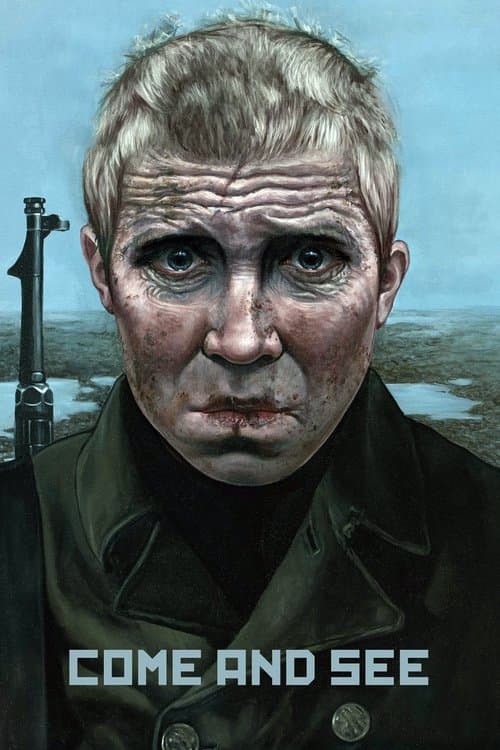
Come and See
Elem Klimov · 1985
A Belarusian teenager joins the Soviet partisan resistance in 1943, and over the course of days witnesses atrocities that strip him of his childhood, his face, and finally his capacity for joy. The most emotionally devastating war film ever made.
Techniques Used
5 techniques identified in this film
Sustained Atrocity Duration
EditingRefusing to cut away from atrocity — holding shots longer than audiences can bear, forcing sustained witness rather than the edited glimpse that constitutes most cinematic violence.
How this film uses it
Klimov does not give audiences the escape of the cut. The burning of the village, the crowds herded into the barn, the aftermath — these are filmed at full duration. The effect is not exploitation but moral obligation: Klimov is insisting that we look rather than be told. The discomfort is the point.
Artillery Trauma Sound Design
SoundMixing combat sound — artillery, bombardment, screaming — to a frequency, duration, and volume that replicates physiological trauma, making the sound design itself a form of shell shock.
How this film uses it
After a mortar explosion, Flyora loses hearing in one ear. The film's sound design follows suit: dialogue becomes muffled, ambient sound distorts, the audio track simulates tinnitus. We experience the bombardment's neurological aftermath because the film has damaged our own perceptual equipment.
On-Camera Physical Aging
CinematographyFilming chronologically so that the actor's genuine physical transformation — weight loss, pallor, psychological change — is recorded by the camera as the character's change, collapsing the boundary between performance and experience.
How this film uses it
Alexei Kravchenko was 14 when filming began. Klimov shot chronologically; the hypnosis sessions required to manage the actor's psychological state during extreme scenes left genuine traces. Flyora's face in the final scenes is not makeup — it is the face of a boy who has spent months in the condition the film depicts.
Documentary Footage Integration
EditingIntercutting fictional sequences with actual documentary footage — in this case, authentic records of Nazi atrocities — collapsing the boundary between cinema and historical record.
How this film uses it
The film's climax intercuts Flyora shooting a Hitler portrait with reversed documentary footage of Nazi war crimes running backward — from the death camps to the children. The technique insists on the film's status as historical document rather than fiction, and on the real people behind the story.
Forest as False Sanctuary
CinematographyEstablishing the natural world — a forest — as both the only refuge from violence and the location of the film's worst horrors, denying the audience any safe geography.
How this film uses it
The Belarusian forest is where the partisans hide, where Flyora finds Glasha, where there are moments of almost unbearable beauty. It is also where bodies are found, where German forces advance, where safety evaporates without warning. The forest's beauty and its horror coexist without resolution — there is no safe place.
You Might Also Like
Films that share at least one technique with Come and See
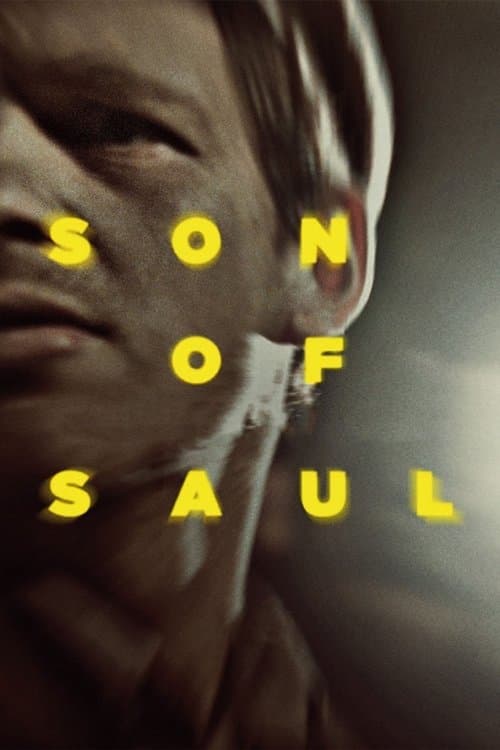
A Sonderkommando prisoner at Auschwitz-Birkenau in 1944 becomes convinced a boy killed in the gas chamber is his son and fixates on giving the child a proper Jewish burial, even as an uprising is being planned around him. László Nemes' debut is a film about one man's need to preserve a single human act inside an industrial atrocity.
Son of Saul
László Nemes · 2015
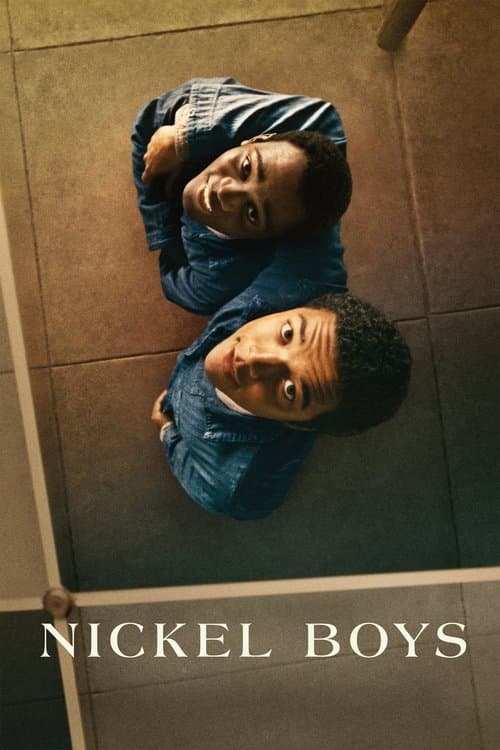
Two young Black men form a friendship at the Nickel Academy, a brutal Florida reform school in the 1960s, as the institution's violence slowly destroys one future and alters the other forever. RaMell Ross's debut fiction film uses a radical first-person camera approach to put the audience inside the eyes of the boys being destroyed.
Nickel Boys
RaMell Ross · 2024
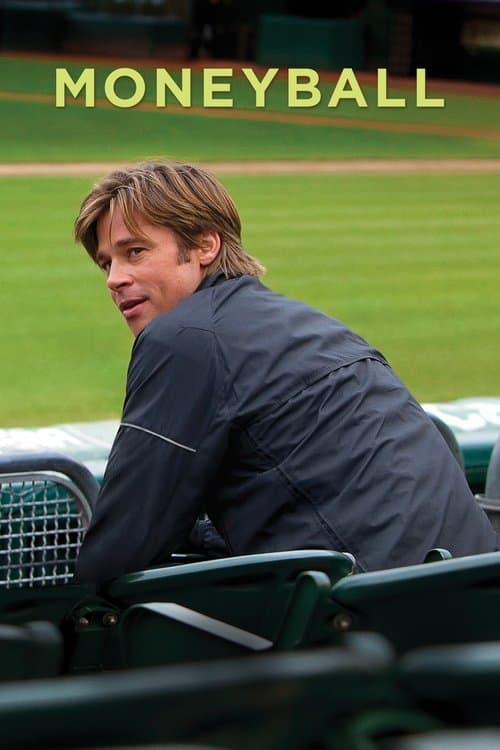
Oakland Athletics general manager Billy Beane, working with a Yale economics graduate, uses statistical analysis to assemble a competitive baseball team from players the market has undervalued — and wins twenty consecutive games with a roster that cost a fraction of their opponents'. Bennett Miller's film is about the violence of a new idea entering a closed system.
Moneyball
Bennett Miller · 2011