
Moneyball
Bennett Miller · 2011
Oakland Athletics general manager Billy Beane, working with a Yale economics graduate, uses statistical analysis to assemble a competitive baseball team from players the market has undervalued — and wins twenty consecutive games with a roster that cost a fraction of their opponents'. Bennett Miller's film is about the violence of a new idea entering a closed system.
Techniques Used
4 techniques identified in this film
Socratic Dialogue Structure
NarrativeA narrative organized around extended, adversarial conversation in which competing positions are tested through debate.
How this film uses it
The film's drama is almost entirely verbal — Beane and Brand arguing about statistics, Beane and the scouts arguing about evaluation, Beane and Art Howe arguing about deployment — the dialogue scenes the film's action sequences, each conversation a negotiation of epistemological authority.
Forensic Inference Narration
NarrativeA storytelling mode in which meaning is constructed through the accumulation of small clues and deductive reasoning rather than direct explanation.
How this film uses it
Miller and screenwriters Sorkin and Zaillian structure the statistical argument as a detective story — the data revealing what conventional evaluation misses, the audience making the inferential leaps alongside Beane and Brand as the method proves itself game by game.
Observational Restraint
NarrativeA filmmaking approach that withholds explanation, allowing behavior and environment to communicate character meaning without dialogue.
How this film uses it
Miller films Beane's refusal to watch games — pacing, driving, exercising anywhere but the stadium — without explaining his superstition, trusting the behavior to communicate the anxiety of a former prospect who knows what it feels like when the game turns against you.
Documentary Footage Integration
EditingThe incorporation of actual documentary footage, archival recordings, or real-world material into a fictional narrative to lend authenticity and historical grounding.
How this film uses it
Miller integrates real baseball footage — actual games, actual players — into the fictional reconstruction, the blending of documentary and fiction making the statistical argument more persuasive because the outcomes are verifiable, the twenty-game winning streak a real historical event.
You Might Also Like
Films that share at least one technique with Moneyball

American Jesse and French student Céline meet on a train to Vienna and spend a single night walking the city in conversation, falling in love through the sheer accumulation of thought and attention. Richard Linklater's film is the most persuasive argument in cinema that talking is the most intimate act two people can share.
Before Sunrise
Richard Linklater · 1995
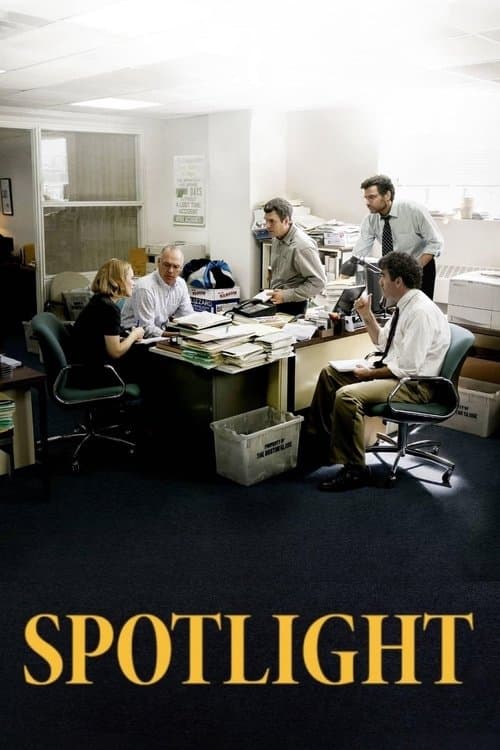
The Boston Globe's investigative journalism team uncovers the systematic cover-up of child sexual abuse by Catholic priests, following every institutional obstacle and survivor account until the story becomes impossible for the Church to suppress. Tom McCarthy's film is about how institutions protect themselves and how journalism exposes them.
Spotlight
Tom McCarthy · 2015
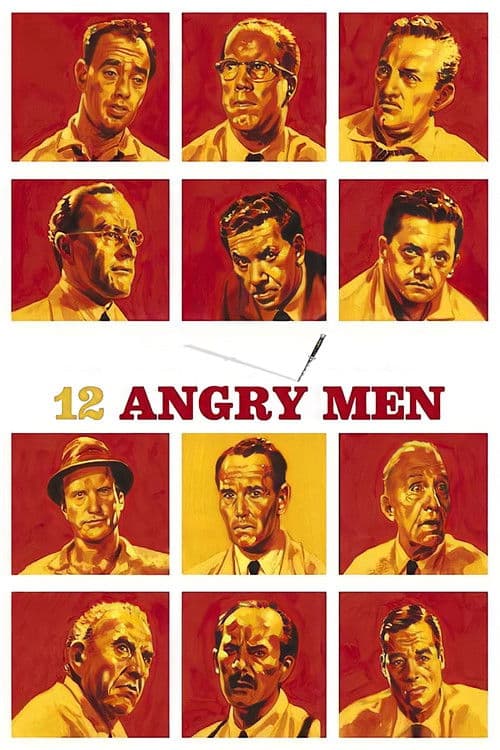
Twelve jurors deliberate the fate of a teenager accused of murder, and one holdout methodically dismantles the case through logic and moral persistence. A real-time chamber film about prejudice, groupthink, and the fragility of reasonable doubt.
12 Angry Men
Sidney Lumet · 1957