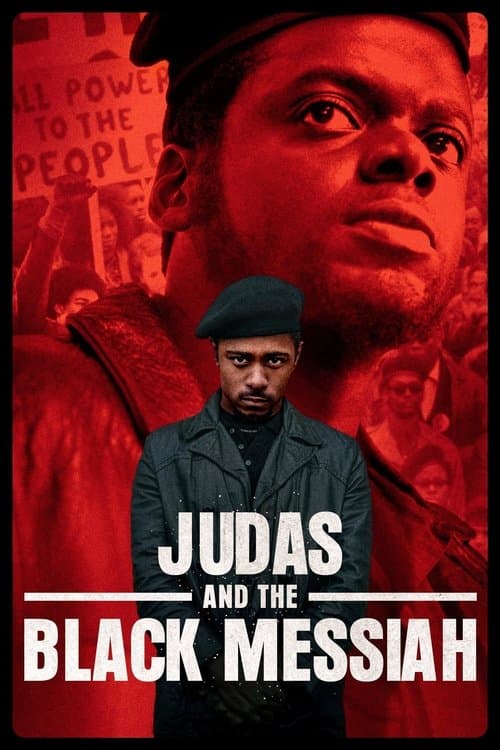
Judas and the Black Messiah
Shaka King · 2021
FBI informant Bill O'Neal infiltrates the Illinois chapter of the Black Panther Party on behalf of the Bureau, gathering intelligence on chairman Fred Hampton while Hampton's charisma and political clarity make O'Neal's betrayal increasingly costly to his own conscience. Shaka King's film is about the price of survival inside a system designed to destroy you.
Techniques Used
4 techniques identified in this film
False Kinship Exploitation
NarrativeA narrative structure in which a character uses the language and gestures of solidarity, friendship, or brotherhood to systematically betray a vulnerable other.
How this film uses it
O'Neal's integration into the Panthers — his genuine relationships with Hampton and other members — makes his informant role structurally identical to the FBI's use of community language to destroy community organizations.
Radicalization Aestheticization
CinematographyThe use of filmmaking craft — lighting, framing, editing, performance — to make a character's political radicalization visually and emotionally compelling rather than merely narratively logical.
How this film uses it
King shoots Hampton's speeches with the formal grammar of great cinema — close-ups of audience faces, low angles that give him physical presence, editing that builds the speeches to their rhetorical climaxes — making the audience feel what O'Neal feels when he hears him.
Period Color Separation
CinematographyThe use of warm, desaturated color palettes to evoke a specific historical era.
How this film uses it
Sean Bobbitt's photography uses warm amber and brown tones for the community spaces where Hampton organizes, and cold institutional blues and greens for the FBI — the color temperature encoding the film's moral geography.
Perpetrator Perspective
NarrativeA narrative choice to follow the characters committing acts the audience might otherwise judge from safety — here, the informant whose actions enable a murder.
How this film uses it
The film is O'Neal's story — not Hampton's — placing the audience inside the conscience of a man who knows what he is doing to Hampton and does it anyway, making the complicity of survival the film's central moral confrontation.
You Might Also Like
Films that share at least one technique with Judas and the Black Messiah
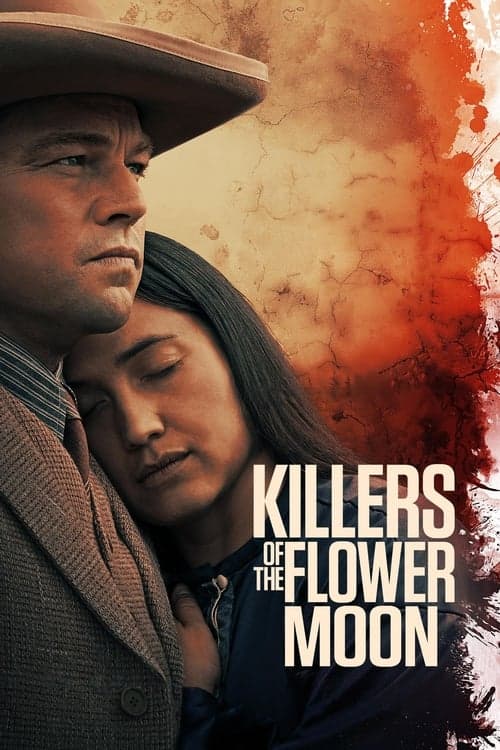
In 1920s Oklahoma, the Osage Nation's vast oil wealth attracts a wave of white predators — most insidiously, Ernest Burkhart, whose murderous uncle William Hale directs a systematic campaign of murder against the tribe through the family he married Ernest into. Scorsese's film is a sustained indictment of American colonial violence told from inside the machinery of its perpetration.
Killers of the Flower Moon
Martin Scorsese · 2023
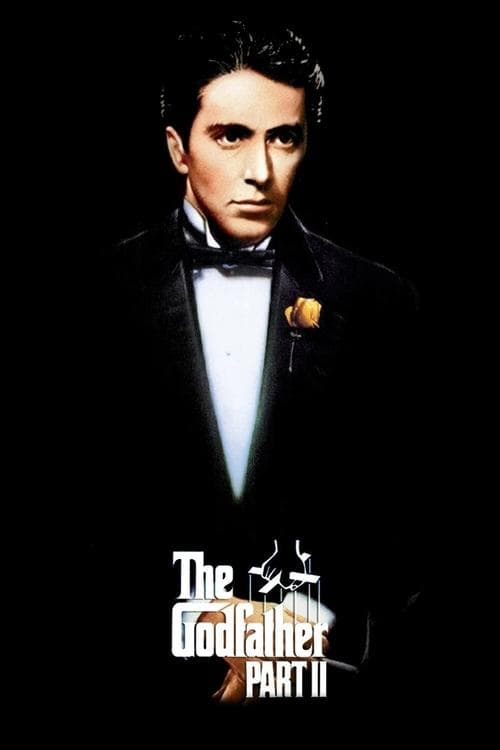
Michael Corleone consolidates and expands his criminal empire while the film intercuts with the origin story of his father's rise from Sicilian orphan to New York patriarch. A sequel that is simultaneously a parallel tragedy — the American Dream as a machine that devours what it builds.
The Godfather Part II
Francis Ford Coppola · 1974
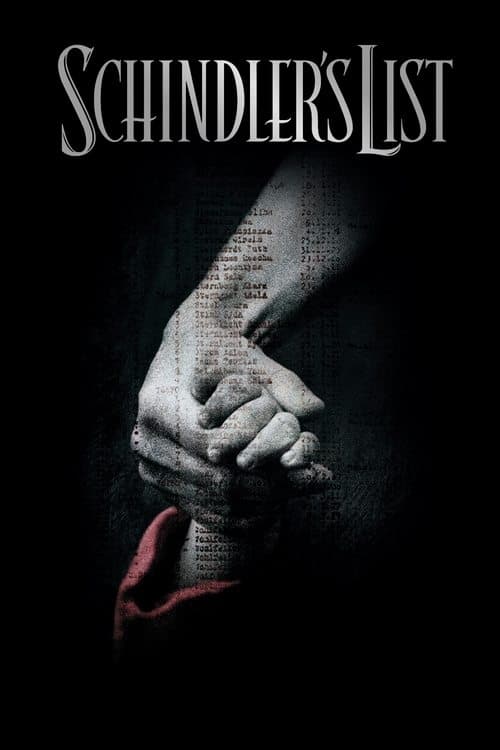
A German industrialist uses Jewish slave labor to run his factory during the Holocaust, then risks everything to save as many lives as possible. Shot in near-total black and white, the film is cinema's most sustained act of bearing witness to atrocity.
Schindler's List
Steven Spielberg · 1993