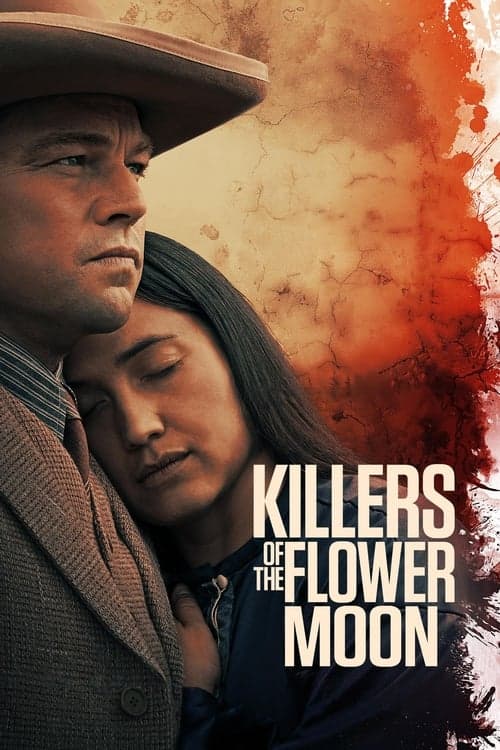
Killers of the Flower Moon
Martin Scorsese · 2023
In 1920s Oklahoma, the Osage Nation's vast oil wealth attracts a wave of white predators — most insidiously, Ernest Burkhart, whose murderous uncle William Hale directs a systematic campaign of murder against the tribe through the family he married Ernest into. Scorsese's film is a sustained indictment of American colonial violence told from inside the machinery of its perpetration.
Techniques Used
4 techniques identified in this film
Perpetrator Perspective
NarrativeA narrative choice to follow the characters committing atrocity rather than those suffering it, forcing the audience into complicity with acts they might otherwise judge from safety.
How this film uses it
Scorsese deliberately centers Ernest rather than the Osage victims — making the audience inhabit a man too weak and too greedy to stop participating in the murder of his own family.
False Kinship Exploitation
NarrativeA narrative structure in which a character or institution uses the language and gestures of family, friendship, or love to systematically exploit a vulnerable other.
How this film uses it
William Hale presents himself as the Osage's greatest friend — speaking their language, attending their ceremonies — while directing their murder. The film shows how this performance of kinship was the mechanism of genocide.
Slow Build Runtime
NarrativeA narrative that uses its extended length deliberately, building meaning through accumulation rather than compression, with each scene adding emotional weight rather than plot.
How this film uses it
At three and a half hours, the film uses its length to make the murders feel as they were experienced — as a slow, ambient horror that was ignored for years because the perpetrators controlled the narrative.
Historical Compositing
CinematographyThe integration of period photography, documented imagery, or historical records into a dramatic film to anchor fiction in documented fact.
How this film uses it
Scorsese ends the film with a radio drama reenactment framing device and a series of period photographs of actual Osage victims — collapsing the distance between dramatization and historical record.
You Might Also Like
Films that share at least one technique with Killers of the Flower Moon
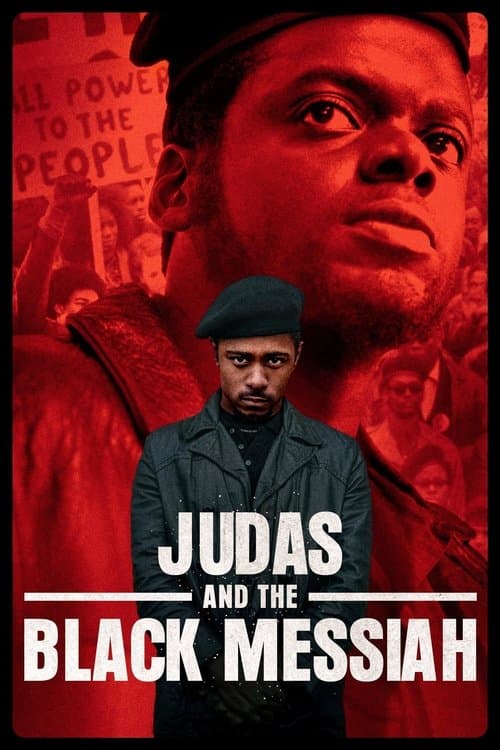
FBI informant Bill O'Neal infiltrates the Illinois chapter of the Black Panther Party on behalf of the Bureau, gathering intelligence on chairman Fred Hampton while Hampton's charisma and political clarity make O'Neal's betrayal increasingly costly to his own conscience. Shaka King's film is about the price of survival inside a system designed to destroy you.
Judas and the Black Messiah
Shaka King · 2021
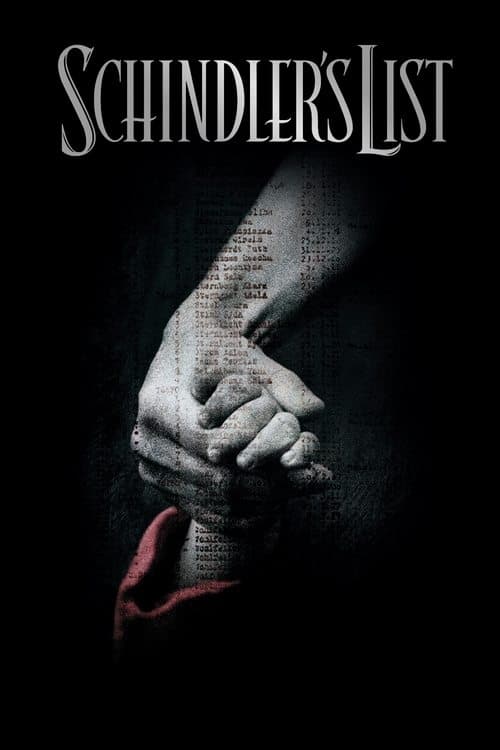
A German industrialist uses Jewish slave labor to run his factory during the Holocaust, then risks everything to save as many lives as possible. Shot in near-total black and white, the film is cinema's most sustained act of bearing witness to atrocity.
Schindler's List
Steven Spielberg · 1993
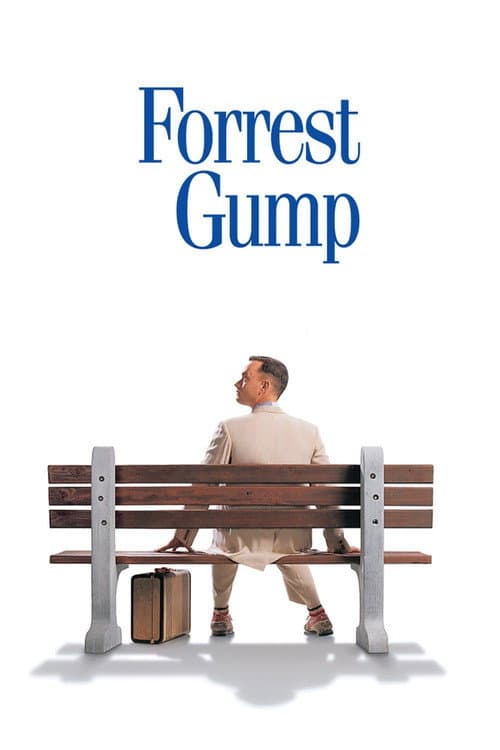
A man from Alabama with a below-average IQ moves through fifty years of American history by accident, touching the lives of presidents and pop stars while never losing his fundamental decency. An emotional myth of American innocence told through the country's most turbulent decades.
Forrest Gump
Robert Zemeckis · 1994