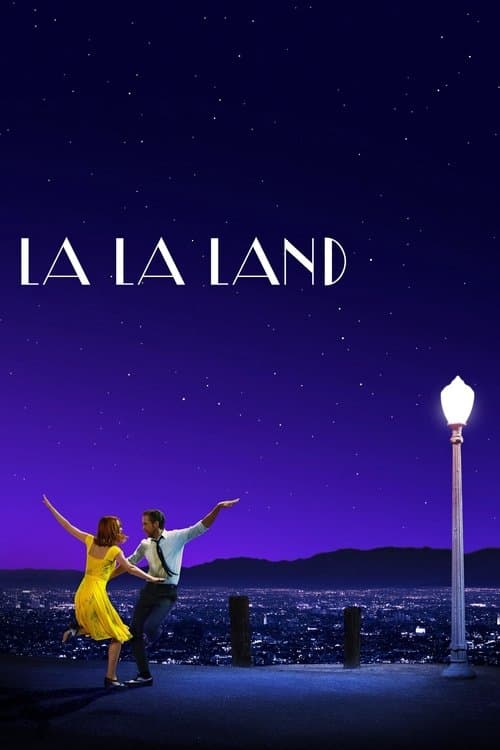
La La Land
Damien Chazelle · 2016
A jazz pianist and an aspiring actress fall in love in Los Angeles while pursuing their individual dreams — and find that the dreams and the love may not be simultaneously possible. Damien Chazelle's film celebrates the movie musical while mourning it, building to an epilogue that converts romance into something more honest and more difficult.
Techniques Used
5 techniques identified in this film
Color Symbolism
CinematographyAssigning specific colors to characters, emotional states, or ideas — using those colors consistently to communicate meaning beyond the scene's literal content.
How this film uses it
Each season of the film is coded in a distinct primary color — the costumes, the light, the mise-en-scène shifting with the relationship's temperature. Mia's yellow dress and Sebastian's blue jacket are not wardrobe choices but the film's emotional grammar; the colors track the relationship's arc before the dialogue does.
Operatic Score Integration
SoundA film score that does not merely accompany scenes but functions as a structural element — shaping the audience's emotional experience as deliberately as any visual cut.
How this film uses it
Justin Hurwitz's score is the film's emotional architecture: themes introduced in early musical numbers return as instrumental echoes in later scenes of loss and separation. The score is not background but a second narrator tracking the relationship's emotional trajectory in parallel with the visual one.
Counterfactual Narrative
NarrativeA narrative that proceeds from an altered premise — diverging from the established story to explore what might have happened, using the divergence to make an argument about the actual past.
How this film uses it
The film's epilogue presents the life Sebastian and Mia might have had if they had chosen each other over their careers. The counterfactual is not presented as fantasy but as a fully realized alternative — five minutes of possible life that makes the actual ending more devastating by demonstrating exactly what was lost.
Romantic Triangle Geometry
NarrativeStructuring a romantic narrative around three parties whose relationships are defined by displacement — desire redirected, mirrored, or denied by the presence of a third position.
How this film uses it
The film's triangle is Mia, Sebastian, and their respective careers — the third vertex is not a rival but ambition itself. The geometry is precise: the more completely each achieves what they dreamed, the less space remains for the other. The romance and the dreams are not compatible, and the film traces the exact geometry of their incompatibility.
Circular Structure
NarrativeReturning the film's ending to the territory of its beginning — using the repetition to measure what has been lost or gained.
How this film uses it
The film opens on a freeway where strangers break into song and closes on Sebastian's jazz club where Mia and her husband stop for a drink. The circular structure measures the distance between the opening's naive possibility — anyone might dance with anyone — and the closing's precise knowledge of exactly what was chosen and what was lost.
You Might Also Like
Films that share at least one technique with La La Land
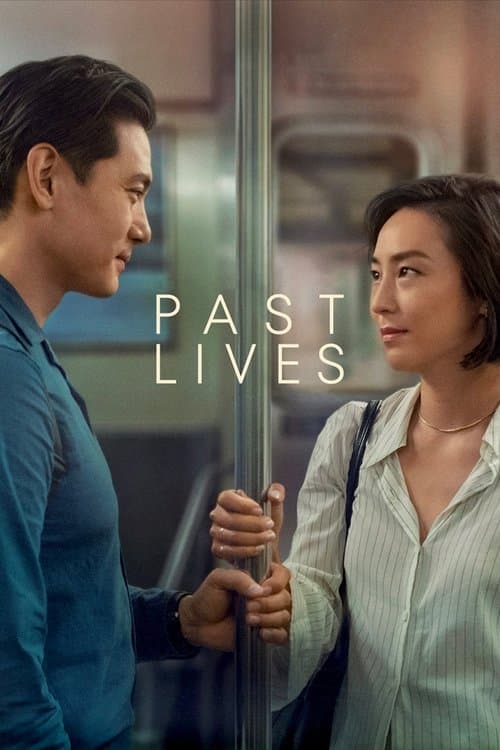
Two childhood friends in Seoul are separated when one emigrates to Canada, reconnect twice over twenty-four years — once in their twenties online, once when he visits her in New York a decade later — and must reckon with the life not lived. The most emotionally precise film about adult longing in years.
Past Lives
Celine Song · 2023
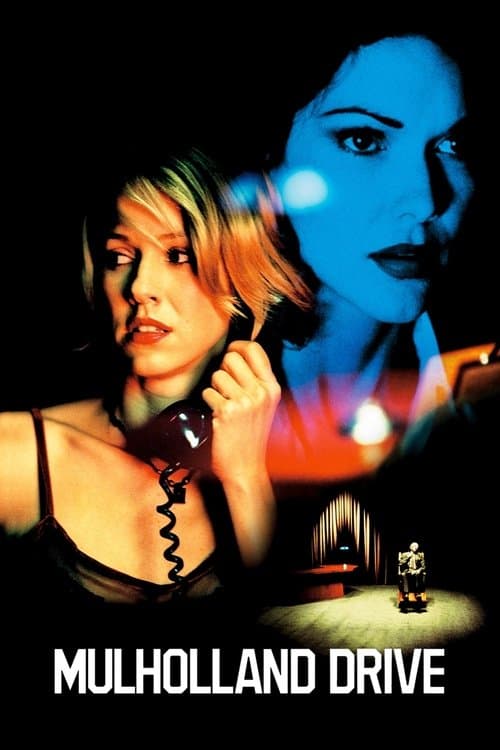
An aspiring actress and an amnesiac woman forge a mysterious bond in Hollywood, before the film fractures into a darker, possibly truer version of events. A dream-logic exploration of desire, failure, and self-deception.
Mulholland Drive
David Lynch · 2001
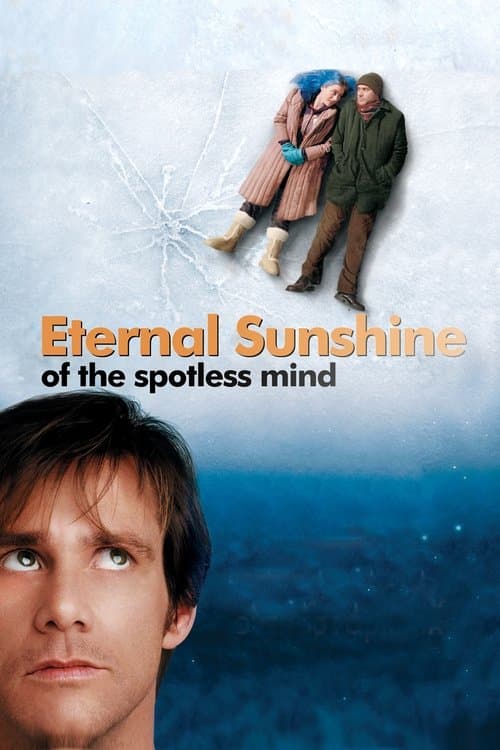
After a painful breakup, a man undergoes a procedure to erase his ex-girlfriend from his memory — but partway through, he changes his mind. A meditation on love, grief, and what makes experience worth having.
Eternal Sunshine of the Spotless Mind
Michel Gondry · 2004