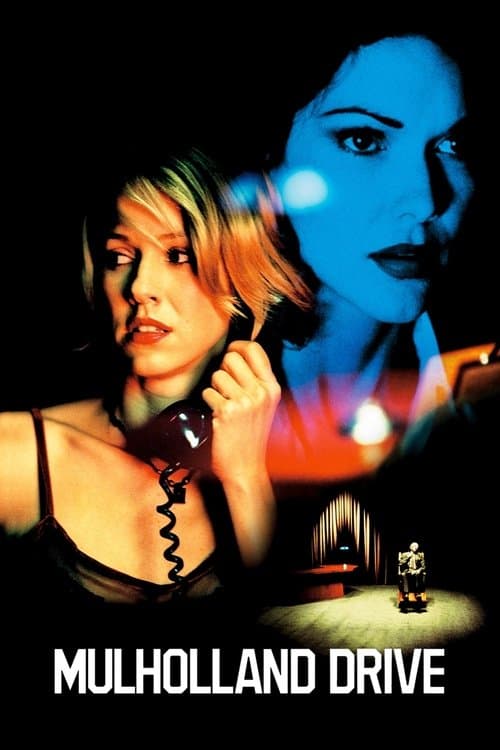
Mulholland Drive
David Lynch · 2001
An aspiring actress and an amnesiac woman forge a mysterious bond in Hollywood, before the film fractures into a darker, possibly truer version of events. A dream-logic exploration of desire, failure, and self-deception.
Techniques Used
4 techniques identified in this film
Dream Logic Structure
NarrativeOrganizing a film according to the associative, non-causal logic of dreams rather than classical cause-and-effect storytelling.
How this film uses it
The film's first two-thirds present a wish-fulfillment fantasy, and the final third reveals the 'real' (repressed) version — mirroring how dreams work as psychological revision.
Uncanny
PsychologyThe psychological effect produced when the familiar is rendered strange — Freud's 'unheimlich' — generating dread from distorted normalcy rather than explicit threat.
How this film uses it
Lynch repeatedly places recognizable Hollywood archetypes (the diner, the audition, the director) in configurations that feel subtly wrong, generating persistent existential unease.
Non-Diegetic Insert
EditingCutting to footage that exists outside the story's time and space — a memory, fantasy, or symbolic image — to express a character's inner state.
How this film uses it
Lynch inserts the elderly couple from the airport as miniature figures at the end, recontextualizing them as figments of Diane's self-tormenting imagination.
Color Symbolism
CinematographyUsing color consistently and purposefully to encode emotional or thematic meaning beyond decorative function.
How this film uses it
Red is associated with danger and erotic obsession (the lamp, Camilla's lipstick), while blue represents the void of depression and death (the box, the key, the final lighting).
You Might Also Like
Films that share at least one technique with Mulholland Drive
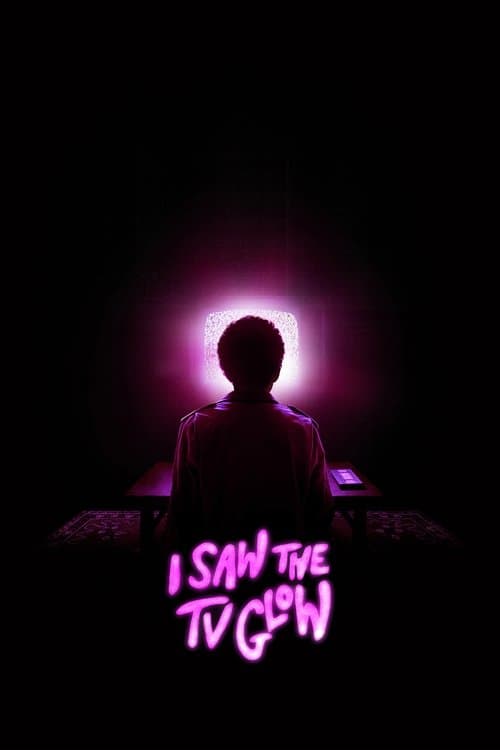
Two suburban teenagers in the 1990s bond over a late-night fantasy TV show about a girl who fights monsters in a dream world — and one of them begins to suspect that the show is more real than their waking life. Jane Schoenbrun's film is a horror movie about identity dissociation and the terror of not knowing who you are.
I Saw the TV Glow
Jane Schoenbrun · 2024
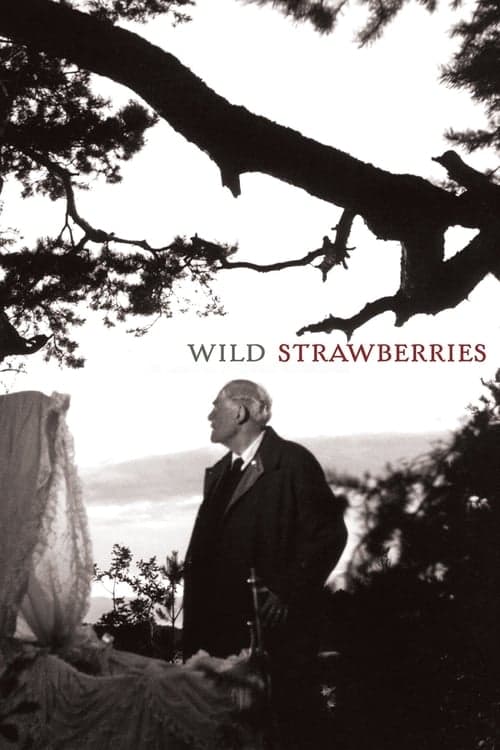
An elderly professor drives to receive an honorary degree and, on the journey, confronts the emotional failures of his life through dreams, memories, and encounters with strangers who mirror his younger self. Bergman's most accessible film, and his most direct statement about what constitutes a life well-lived.
Wild Strawberries
Ingmar Bergman · 1957
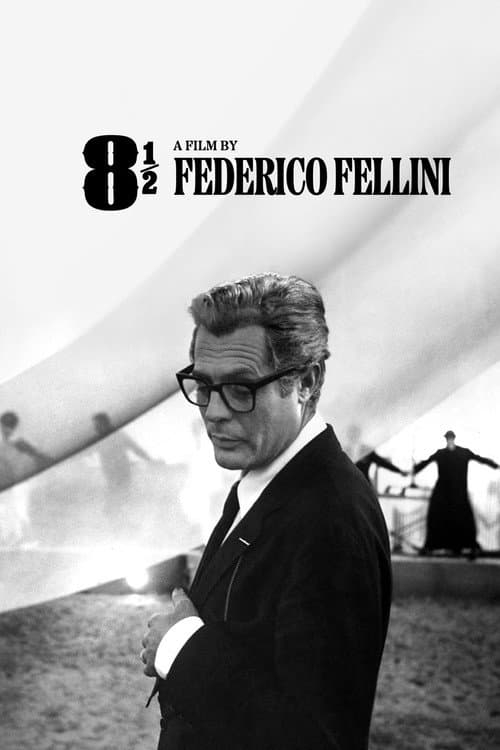
A film director paralyzed by creative block retreats to a spa, where his memories, fantasies, and present reality blur into each other. Fellini's most personal film uses cinema's tools to examine what it means to be an artist who has run out of things to say.
8½
Federico Fellini · 1963