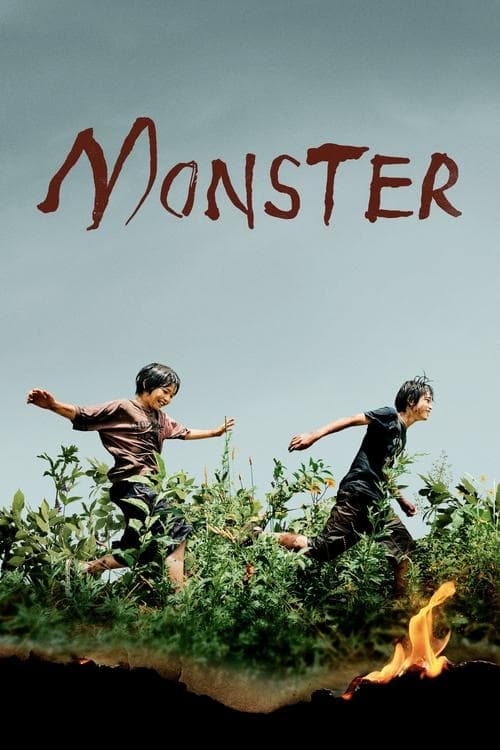
Monster
Hirokazu Kore-eda · 2023
A mother's investigation into her son's bullying at school reveals three completely different versions of the same events when told from the perspective of the mother, the teacher, and the two boys themselves. Kore-eda's film is a Japanese Rashomon for the age of institutional accountability.
Techniques Used
4 techniques identified in this film
Multiple Resolution Structure
NarrativeA narrative architecture in which multiple storylines are told sequentially from different perspectives, each revision retroactively reframing what came before.
How this film uses it
The film's triptych structure presents the same events three times from different vantage points — each perspective apparently complete until the next one arrives to dissolve its certainty, the truth emerging only in the gap between all three.
Non-Linear Narrative
NarrativeA story structure that disrupts chronological order to create thematic rather than causal connections between scenes.
How this film uses it
Kore-eda returns to the same chronological events from three different entry points — scenes that appeared complete in the first act made strange and new when experienced from inside a different character's knowledge.
Observational Restraint
NarrativeA filmmaking approach that withholds explanation, allowing behavior and environment to communicate character meaning without dialogue.
How this film uses it
Kore-eda films the children's relationship with his characteristic restraint — the boys' friendship visible in small gestures and shared spaces, never explained, the camera content to observe a tenderness that neither boy has language for.
Audience Truth Withholding
NarrativeA structural choice to deny the audience access to information that would resolve a central ambiguity until the final act's revelation completes the picture.
How this film uses it
The film withholds the central truth of the boys' relationship — the thing that explains every accusation and every defensive lie — until it can land with the full weight of everything the audience has misunderstood.
You Might Also Like
Films that share at least one technique with Monster
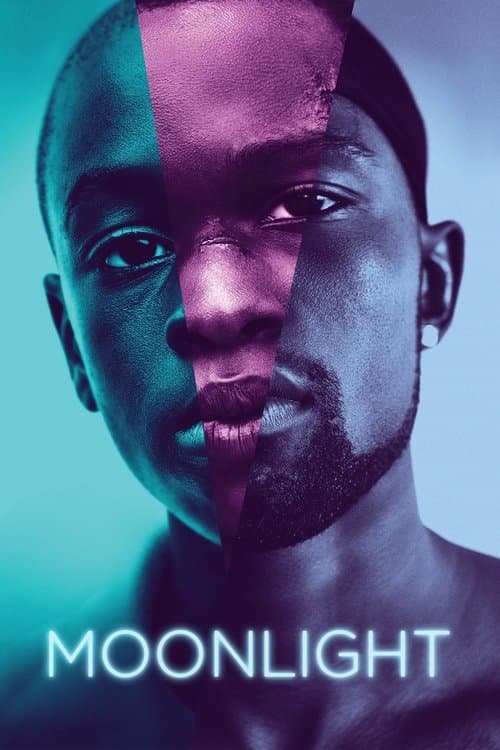
A young Black man named Chiron navigates identity, sexuality, and belonging across three defining chapters of his life in Miami. Told in triptych form, the film is a tender and elliptical portrait of masculinity shaped by poverty and silence.
Moonlight
Barry Jenkins · 2016

Julie, a thirtysomething Oslo woman, navigates a series of false starts — in career, in love, in identity — across twelve chapters and an epilogue, perpetually becoming something other than what the previous version of herself intended. Joachim Trier's film is the definitive millennial portrait of the person who cannot stop reinventing herself.
The Worst Person in the World
Joachim Trier · 2021
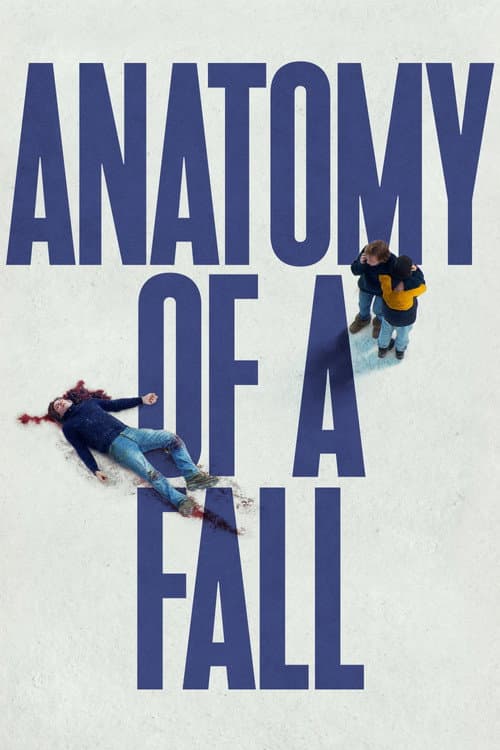
A German novelist is tried for the murder of her husband after he is found dead in the snow outside their French chalet — the trial reconstructing their marriage through evidence that proves nothing and accuses everything. Justine Triet's Palme d'Or winner is about how courts tell stories and what truth can survive a legal proceeding.
Anatomy of a Fall
Justine Triet · 2023