
The Worst Person in the World
Joachim Trier · 2021
Julie, a thirtysomething Oslo woman, navigates a series of false starts — in career, in love, in identity — across twelve chapters and an epilogue, perpetually becoming something other than what the previous version of herself intended. Joachim Trier's film is the definitive millennial portrait of the person who cannot stop reinventing herself.
Techniques Used
4 techniques identified in this film
Tonal Succession
NarrativeA structural technique in which a film's emotional register shifts across acts, following a character's changing circumstances.
How this film uses it
The film moves between romantic comedy, magical realism, acute grief, and quiet realism across its twelve chapters — each tonal shift tracking a different phase of Julie's becoming, the genre fluidity enacting her own refusal of a fixed identity.
Non-Linear Narrative
NarrativeA story structure that disrupts chronological order to create thematic rather than causal connections between scenes.
How this film uses it
The chapter structure — each one a discrete episode in Julie's life — creates a non-linear portrait where the connections between chapters are emotional and thematic rather than strictly causal.
Observational Restraint
NarrativeA filmmaking approach that withholds explanation, allowing behavior and environment to communicate character meaning without dialogue.
How this film uses it
Trier watches Julie's choices without judging them — her indecision, her self-sabotage, her genuine attempts to be honest — the film trusting the audience to understand that the 'worst person in the world' is simply someone trying to figure out who she is.
Deliberate Close-Up Performance
CinematographyExtended use of tight facial framing to capture micro-expressions, making the audience hyper-aware of suppressed emotion.
How this film uses it
Kasper Tuxen's camera stays close to Renate Reinsve throughout — the film's argument ultimately located in the precision of her face moving through states that resist the chapter titles' ironic distance.
You Might Also Like
Films that share at least one technique with The Worst Person in the World

A young Black man named Chiron navigates identity, sexuality, and belonging across three defining chapters of his life in Miami. Told in triptych form, the film is a tender and elliptical portrait of masculinity shaped by poverty and silence.
Moonlight
Barry Jenkins · 2016

In a Britain ravaged by the Rage virus, a young survivor is captured by a roving Satanic cult while a scientist makes an unprecedented connection with an infected host. Written by Alex Garland, directed by Nia DaCosta — a sequel that deliberately dismantles the visual grammar of its predecessor.
28 Years Later: The Bone Temple
Nia DaCosta · 2026
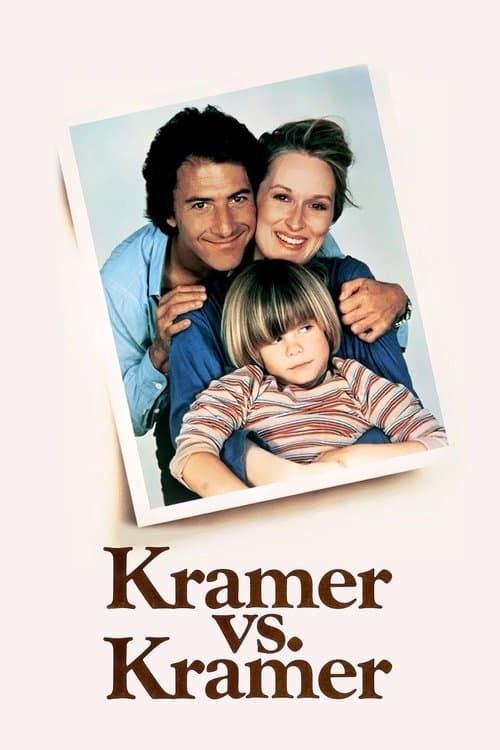
A workaholic New York advertising executive must suddenly raise his young son alone after his wife leaves, only for her to return and seek custody. Robert Benton's film made the dissolution of a modern American family into an intimate, devastatingly observed portrait of adults learning to love.
Kramer vs. Kramer
Robert Benton · 1979