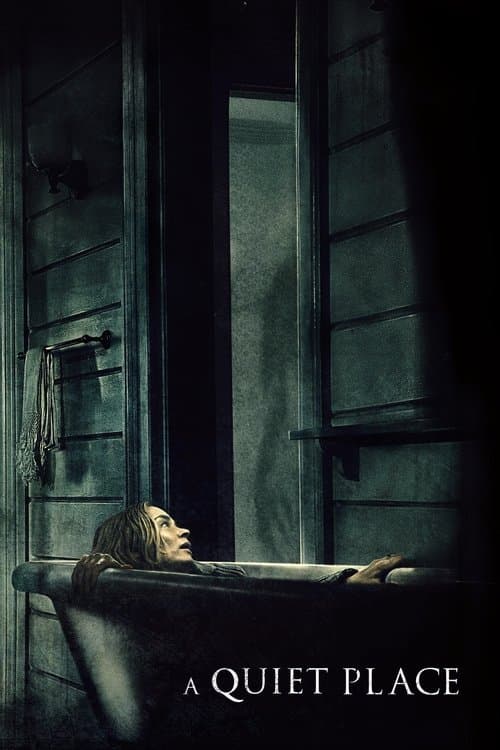
A Quiet Place
John Krasinski · 2018
A family struggles to survive in a post-apocalyptic world overrun by blind creatures that hunt entirely by sound, communicating only in sign language as the mother's unexpected pregnancy brings an impossible birth closer. John Krasinski's film turns sound design into a sustained narrative argument.
Techniques Used
4 techniques identified in this film
Diegetic Sound Design
SoundThe elevation of ambient, in-world sound to a structurally expressive element that shapes meaning and atmosphere.
How this film uses it
Every sound in the film is a plot event — a corn kernel dropping, a nail on a stair, breathing too loud. Krasinski turns sound design into the film's primary storytelling medium, making the audience aware of noise with the same vigilance as the family.
Strategic Silence
SoundThe purposeful removal of music or ambient sound to make a moment feel raw and unmediated — here extended to the film's entire sonic philosophy.
How this film uses it
Marco Beltrami's score is used with extreme restraint, leaving most of the film in near-silence — the ambient quiet weaponized as constant threat, the audience holding their breath alongside the characters.
Ticking Clock Structure
NarrativeA narrative framework built around an escalating deadline that compresses tension and forces characters into accelerating decisions.
How this film uses it
The imminent birth functions as the film's central ticking clock — a biological countdown that cannot be silenced, set against a world where any sound means death, the two narrative forces on a collision course.
Single POV Restriction
NarrativeA storytelling constraint that limits the audience's information to what a small group perceives, creating shared vulnerability.
How this film uses it
The film restricts the audience entirely to the family's limited knowledge of the creatures and their capabilities — no exposition, no authority figures, just the rules the family has learned by surviving so far.
You Might Also Like
Films that share at least one technique with A Quiet Place
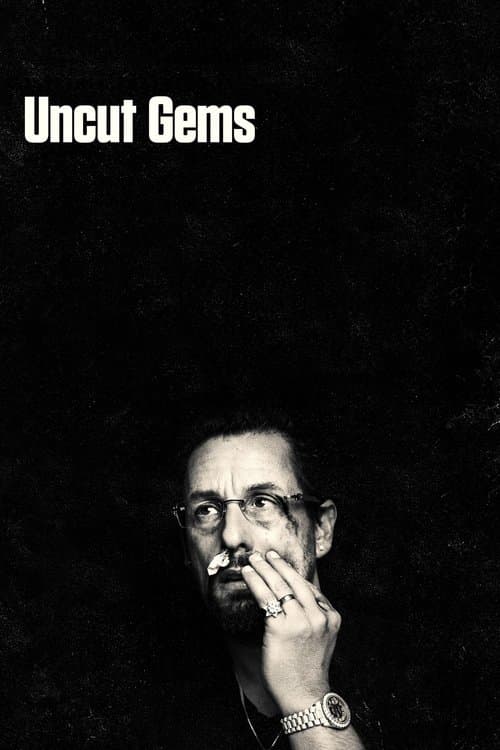
A New York gem dealer with a gambling addiction juggles a rare opal, a debt to loan sharks, a bet on an NBA game, and multiple collapsing relationships — simultaneously, loudly, and without pause. The most anxious film ever made.
Uncut Gems
Josh Safdie, Benny Safdie · 2019
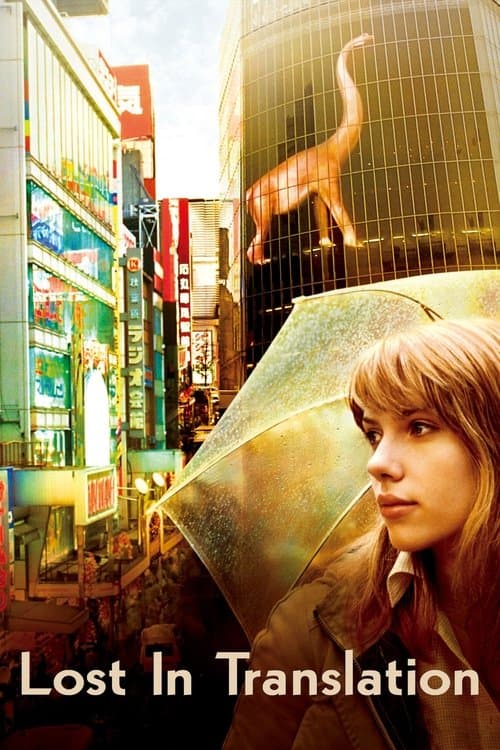
A fading American movie star and a young newlywed woman meet in a Tokyo hotel and form an unexpected connection that neither can fully name or act on. Sofia Coppola's film is about the specific texture of intimacy between strangers — the kind that only exists because it cannot last.
Lost in Translation
Sofia Coppola · 2003
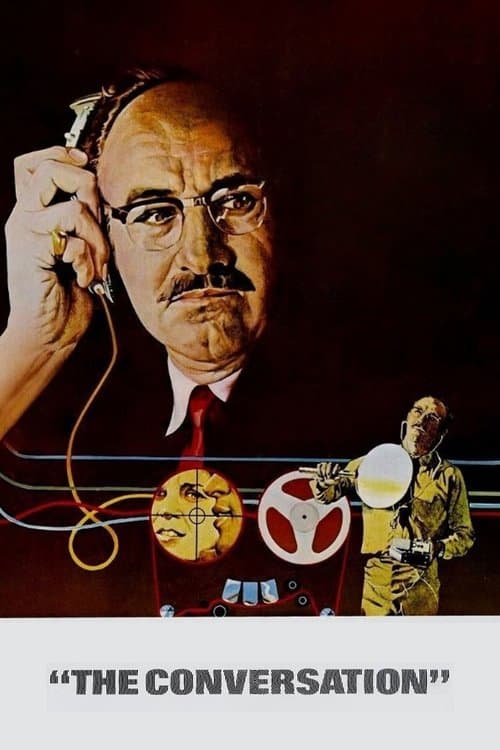
Professional surveillance expert Harry Caul becomes obsessed with a recording he has made of a couple's conversation in a San Francisco park, fearing it may lead to their deaths. The film is a prophetic and haunting study of voyeurism, guilt, and the surveillance state.
The Conversation
Francis Ford Coppola · 1974