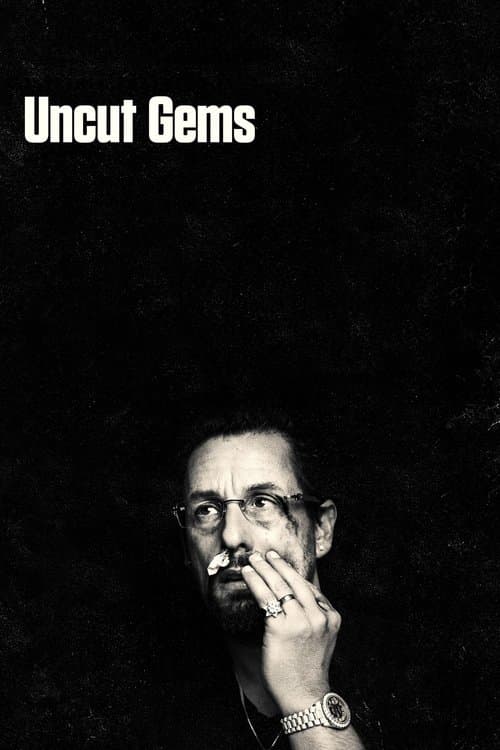
Uncut Gems
Josh Safdie, Benny Safdie · 2019
A New York gem dealer with a gambling addiction juggles a rare opal, a debt to loan sharks, a bet on an NBA game, and multiple collapsing relationships — simultaneously, loudly, and without pause. The most anxious film ever made.
Techniques Used
4 techniques identified in this film
Ticking Clock Structure
NarrativeA narrative built on escalating time pressure and deadline urgency — each scene increasing the stakes until the climax must resolve before irreversible consequences arrive.
How this film uses it
Every scene in Uncut Gems is a deadline. The opal must be back before the auction. The bet must be placed before tip-off. The debt must be paid before the enforcers arrive. The Safdies never give Howard — or the audience — a scene without an active countdown. The film's anxiety is structural, built into every sequence's time constraint.
Paranoia Montage
EditingRapid intercutting between multiple simultaneous threats and obligations — building a suffocating sense of encirclement through the accumulation of pressures from every direction.
How this film uses it
The Safdies cut between Howard's simultaneous crises with a rhythm designed to prevent the audience from fully processing any single threat before another arrives. The editing enacts Howard's psychology: a man who cannot prioritize because everything is simultaneously the most important thing. The montage is not expressionistic — it is precise.
Diegetic Sound Design
SoundIn-world sounds given unusual prominence, layering, and duration — ambient sounds foregrounded as emotional texture rather than background detail.
How this film uses it
Daniel Lopatin's sound design layers the film's world in overlapping voices, music from multiple sources, and environmental noise that never fully resolves. Multiple conversations happen simultaneously; the television and the phone and the person in the room all speak at once. The diegetic layering is the film's anxiety rendered as sound: a world in which Howard can never hear one thing at a time.
Near-Miss Tracking Structure
EditingBuilding tension from sequences in which the protagonist comes close to resolving their crisis but doesn't quite — the near-miss sustained as the film's primary dramatic mechanism.
How this film uses it
Howard almost gets the opal back. He almost wins enough to clear the debt. He almost gets the bet placed in time. The Safdies structure every potential resolution as a near-miss — Howard's hand closes on what he needs and something removes it. The audience lives in the gap between what could resolve and what actually happens, a gap that closes only in the final scene.
You Might Also Like
Films that share at least one technique with Uncut Gems
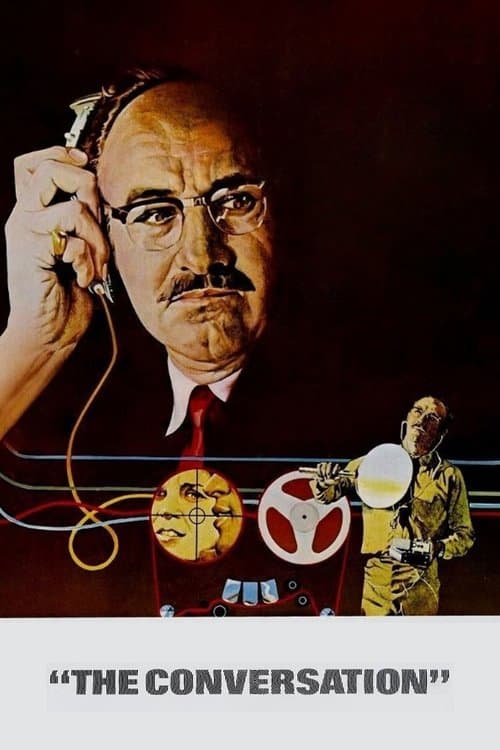
Professional surveillance expert Harry Caul becomes obsessed with a recording he has made of a couple's conversation in a San Francisco park, fearing it may lead to their deaths. The film is a prophetic and haunting study of voyeurism, guilt, and the surveillance state.
The Conversation
Francis Ford Coppola · 1974
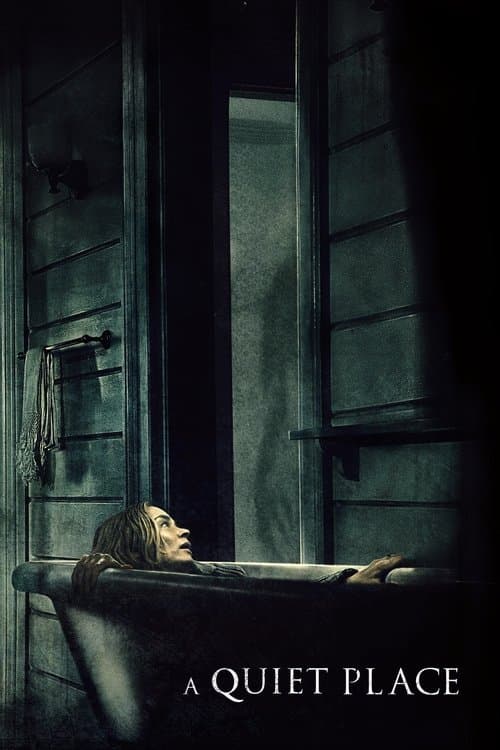
A family struggles to survive in a post-apocalyptic world overrun by blind creatures that hunt entirely by sound, communicating only in sign language as the mother's unexpected pregnancy brings an impossible birth closer. John Krasinski's film turns sound design into a sustained narrative argument.
A Quiet Place
John Krasinski · 2018
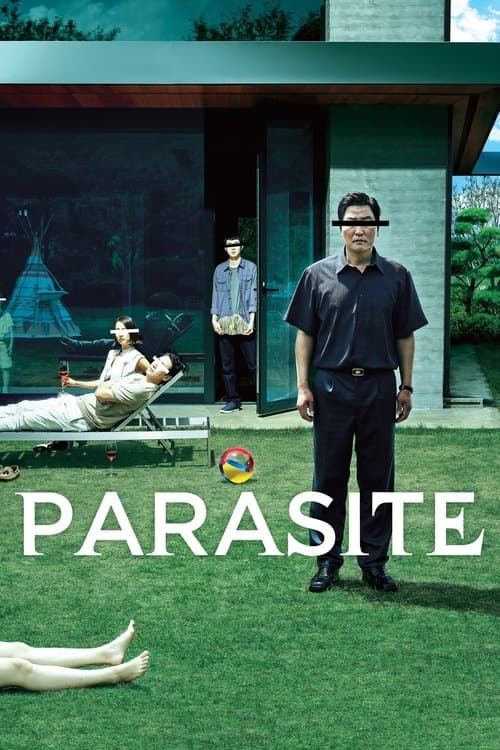
A poverty-stricken family schemes their way into the lives of a wealthy household, until a shocking discovery upends everything. A darkly comic thriller that dissects class inequality through meticulous mise-en-scène.
Parasite
Bong Joon-ho · 2019