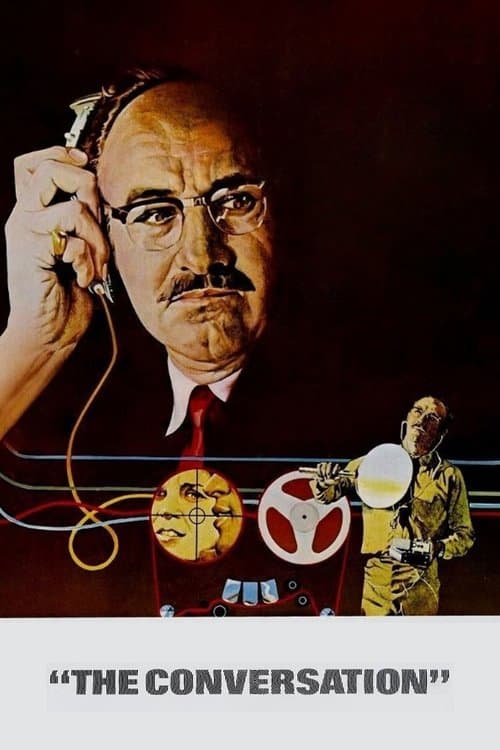
The Conversation
Francis Ford Coppola · 1974
Professional surveillance expert Harry Caul becomes obsessed with a recording he has made of a couple's conversation in a San Francisco park, fearing it may lead to their deaths. The film is a prophetic and haunting study of voyeurism, guilt, and the surveillance state.
Techniques Used
4 techniques identified in this film
Surveillance Camera Grammar
CinematographyThe adoption of security and surveillance camera aesthetics — static wide frames, distant telephoto lenses, distorted angles — to create a sense of remote observation.
How this film uses it
Coppola opens the film with a telephoto overhead shot slowly zooming in on Union Square, establishing a god's-eye view that implicates both the protagonist and the audience as voyeurs.
Diegetic Sound Design
SoundThe elevation of ambient, in-world sound to a structurally expressive element that shapes meaning and atmosphere.
How this film uses it
Walter Murch's sound design transforms a single recorded conversation into an obsessive puzzle — the tape is played back repeatedly, each time revealing new meaning through selective focus on different words.
Paranoia Montage
EditingA sequence of fragmented, anxious cuts that externalize a character's psychological state of fear and hypervigilance.
How this film uses it
As Harry spirals, the editing mirrors his disintegration — cutting between his apartment, the tape, and imagined scenarios in a rhythm that replicates mounting dread.
Single POV Restriction
NarrativeA storytelling constraint that limits the audience's information to what a single character perceives, creating dramatic irony when their interpretation proves incomplete.
How this film uses it
Everything the audience knows comes through Harry's imperfect surveillance — the film withholds objective truth, making his eventual moral horror contingent on his own misreading.
You Might Also Like
Films that share at least one technique with The Conversation
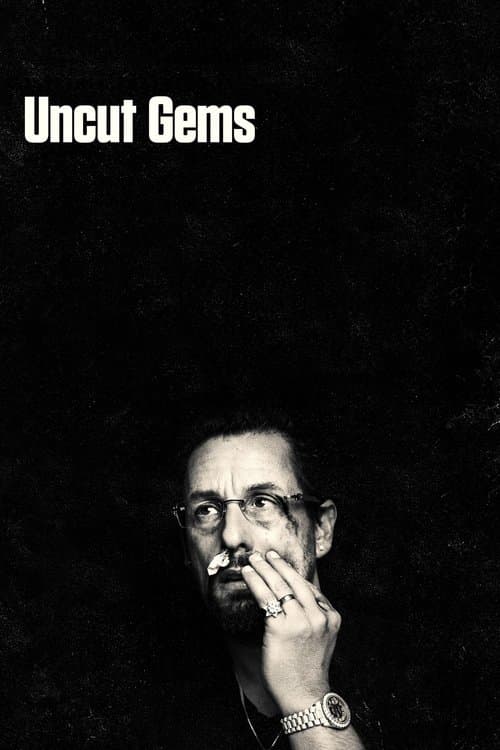
A New York gem dealer with a gambling addiction juggles a rare opal, a debt to loan sharks, a bet on an NBA game, and multiple collapsing relationships — simultaneously, loudly, and without pause. The most anxious film ever made.
Uncut Gems
Josh Safdie, Benny Safdie · 2019
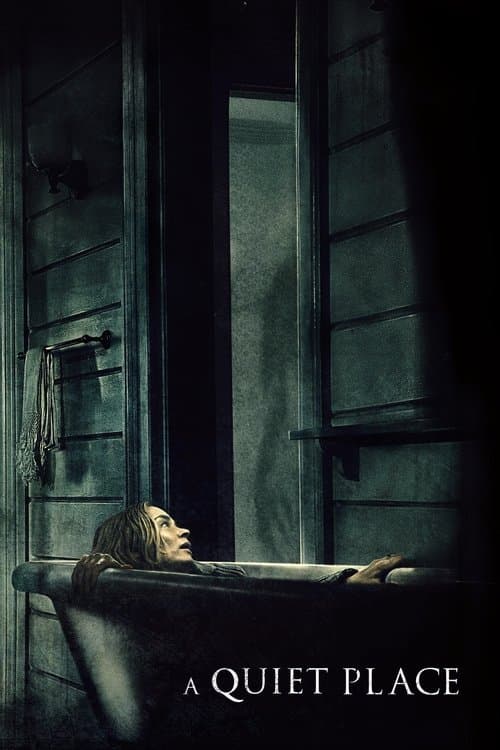
A family struggles to survive in a post-apocalyptic world overrun by blind creatures that hunt entirely by sound, communicating only in sign language as the mother's unexpected pregnancy brings an impossible birth closer. John Krasinski's film turns sound design into a sustained narrative argument.
A Quiet Place
John Krasinski · 2018
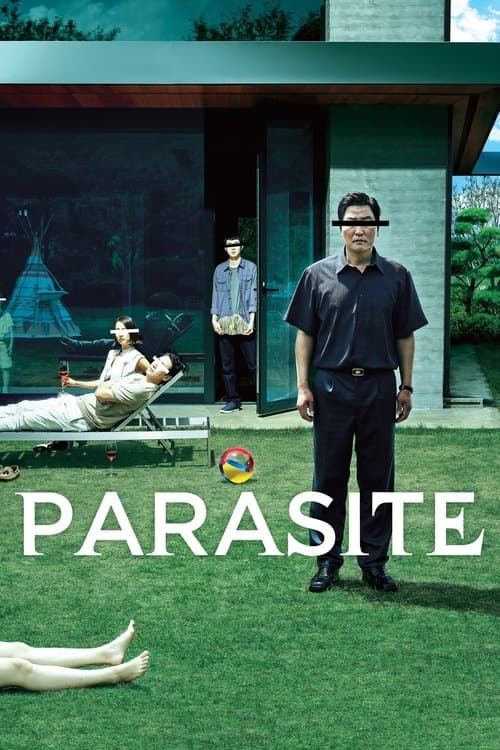
A poverty-stricken family schemes their way into the lives of a wealthy household, until a shocking discovery upends everything. A darkly comic thriller that dissects class inequality through meticulous mise-en-scène.
Parasite
Bong Joon-ho · 2019