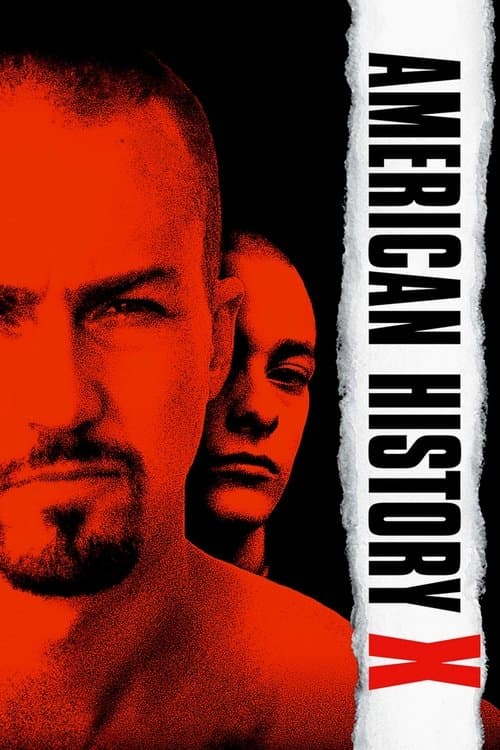
American History X
Tony Kaye · 1998
A reformed neo-Nazi tries to prevent his younger brother from following the path he once took, while the film moves between his violent past and his changed present. A film about radicalization, deradicalization, and whether transformation can outrun the consequences of ideology.
Techniques Used
4 techniques identified in this film
Black-and-White Flashback Grammar
CinematographyAssigning monochromatic photography to the past timeline and color to the present, using the visual distinction to mark not only temporal difference but psychological distance — the past seen from a critical remove.
How this film uses it
Cinematographer Kaye shoots Derek's neo-Nazi past in high-contrast black and white, while Danny's present-day narration is in color. The monochrome doesn't aestheticize the past — it distances it, framing it as something already adjudicated rather than something being debated.
Radicalization Aestheticization
NarrativeDeliberately making extremist ideology visually and dramatically compelling in the first act in order to create complicity in the audience — then systematically dismantling the appeal through consequence.
How this film uses it
Kaye makes Derek's neo-Nazi conviction genuinely magnetic in the flashbacks — Edward Norton plays the ideology with full intelligence and physical authority. The film earns its critique by refusing to make the ideology cartoonishly unappealing. The horror is that it works on Derek, and briefly on us.
The Curb Scene
CinematographyStaging an act of extreme violence with deliberate compositional clarity — no shaky cam, no cutaways — so that the audience cannot look away from an act whose horror depends on being witnessed fully.
How this film uses it
Kaye shoots the curb-stomp in a single, steady medium shot with no editorial escape. The clarity is a moral choice: the audience must experience the act as an act, not as fragmented violence cinema normalizes. The scene cannot be aestheticized because it is filmed to be seen.
Prison as Counter-Education
NarrativeUsing a character's incarceration as the mechanism of their political and moral education — the institution that punishes the crime simultaneously dismantling the ideology that produced it.
How this film uses it
Derek's radicalization is undone in prison not through therapy or argument but through direct human experience: a black prisoner becomes his friend, and the Brotherhood turns on him. The film argues that ideology dissolves when it meets actual people — and that the cost of that dissolving is real.
You Might Also Like
Films that share at least one technique with American History X

Two young Black men form a friendship at the Nickel Academy, a brutal Florida reform school in the 1960s, as the institution's violence slowly destroys one future and alters the other forever. RaMell Ross's debut fiction film uses a radical first-person camera approach to put the audience inside the eyes of the boys being destroyed.
Nickel Boys
RaMell Ross · 2024
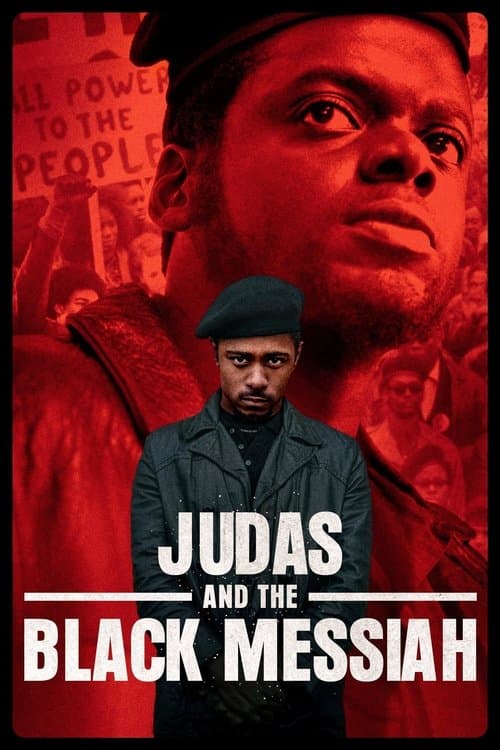
FBI informant Bill O'Neal infiltrates the Illinois chapter of the Black Panther Party on behalf of the Bureau, gathering intelligence on chairman Fred Hampton while Hampton's charisma and political clarity make O'Neal's betrayal increasingly costly to his own conscience. Shaka King's film is about the price of survival inside a system designed to destroy you.
Judas and the Black Messiah
Shaka King · 2021
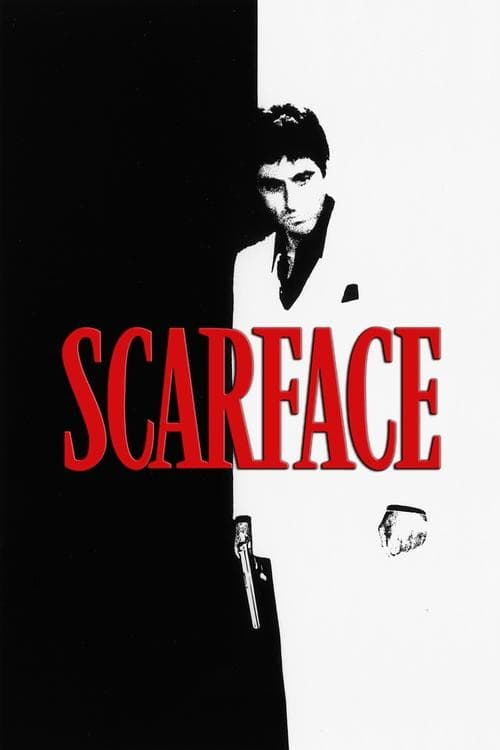
Cuban refugee Tony Montana arrives in Miami with nothing and rises through the cocaine trade to the peak of the criminal empire — and then falls as catastrophically as he rose, his own paranoia and excess destroying everything he built. Brian De Palma's maximalist gangster film is about the American Dream as a death wish.
Scarface
Brian De Palma · 1983