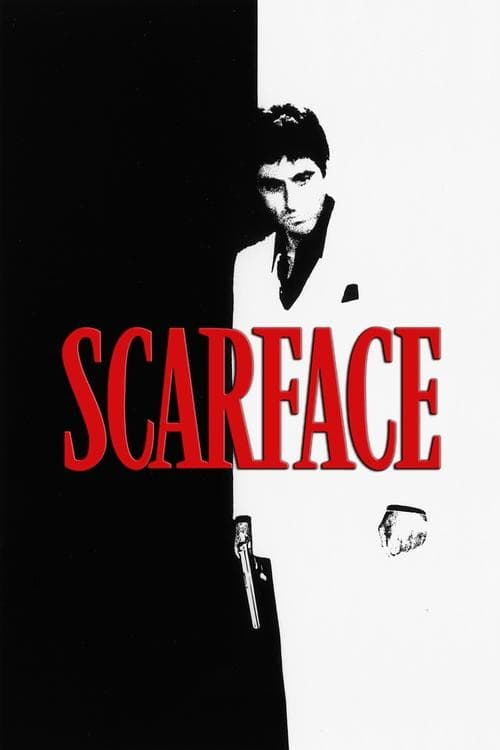
Scarface
Brian De Palma · 1983
Cuban refugee Tony Montana arrives in Miami with nothing and rises through the cocaine trade to the peak of the criminal empire — and then falls as catastrophically as he rose, his own paranoia and excess destroying everything he built. Brian De Palma's maximalist gangster film is about the American Dream as a death wish.
Techniques Used
4 techniques identified in this film
Escalating Villain Intensity
NarrativeA character arc in which an antagonist or anti-hero becomes progressively more extreme in their behavior across the film, the escalation itself becoming the primary dramatic engine.
How this film uses it
Tony's trajectory is a carefully calibrated escalation — each act more excessive than the last, the cocaine use, the violence, and the paranoia feeding each other in a spiral that only ends when there is nothing left to destroy.
Tracking Shot Choreography
CinematographyThe coordination of a long tracking shot with elaborate choreography of people and space to create a single continuous display of cinematic virtuosity.
How this film uses it
De Palma's Copacabana-style tracking shots through Tony's world — moving through the mansion, through the nightclub — give his empire a spatial grandeur that makes its eventual collapse more vertiginous.
Color Symbolism
CinematographyThe deliberate use of specific colors to carry thematic meaning beyond their literal presence in the frame.
How this film uses it
White — cocaine, Tony's suits, his mansion's décor — saturates the film as both the literal substance of his rise and the visual marker of his pretension to the purity he will never achieve, the color simultaneously seductive and bleached of meaning.
Radicalization Aestheticization
CinematographyThe use of filmmaking craft to make a character's transformation toward extremism visually and emotionally compelling rather than merely presented.
How this film uses it
De Palma films Tony's rise with the visual vocabulary of glamour — the mansion, the suits, the fireworks — making his criminal ascendance aesthetically irresistible even as the moral cost accumulates, the style itself complicit in the seduction.
You Might Also Like
Films that share at least one technique with Scarface
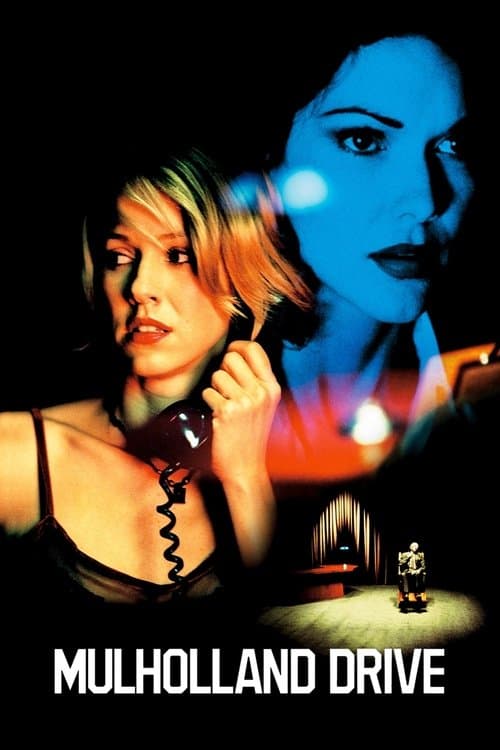
An aspiring actress and an amnesiac woman forge a mysterious bond in Hollywood, before the film fractures into a darker, possibly truer version of events. A dream-logic exploration of desire, failure, and self-deception.
Mulholland Drive
David Lynch · 2001
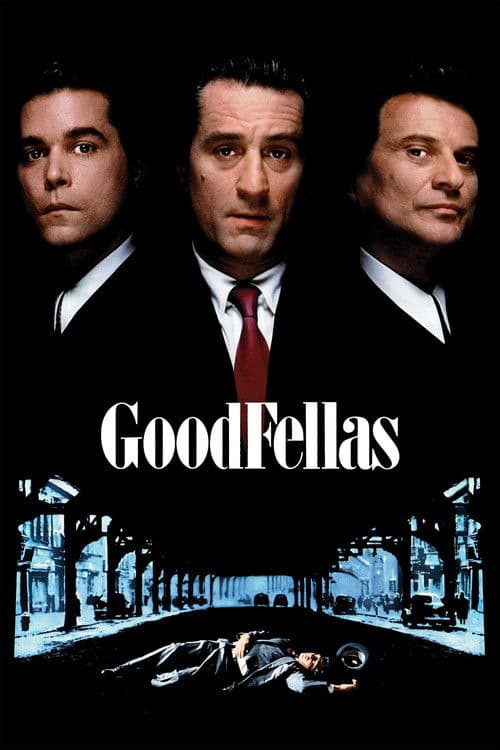
A young man grows up inside the Lucchese crime family, ascending through the ranks until the lifestyle of violence and paranoia consumes everything around him. A propulsive deconstruction of organized crime's seduction that implicates the audience in the pleasure before showing the cost.
Goodfellas
Martin Scorsese · 1990
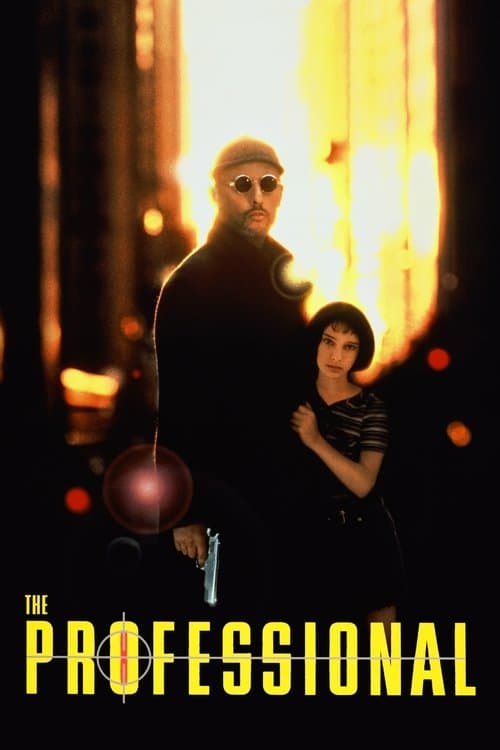
A stoic contract killer reluctantly takes in a twelve-year-old girl after her family is massacred by a corrupt DEA agent, and an unlikely bond forms between a man who only knows how to kill and a child who has nowhere else to go. A French action film built on the tension between violence and tenderness.
Léon: The Professional
Luc Besson · 1994