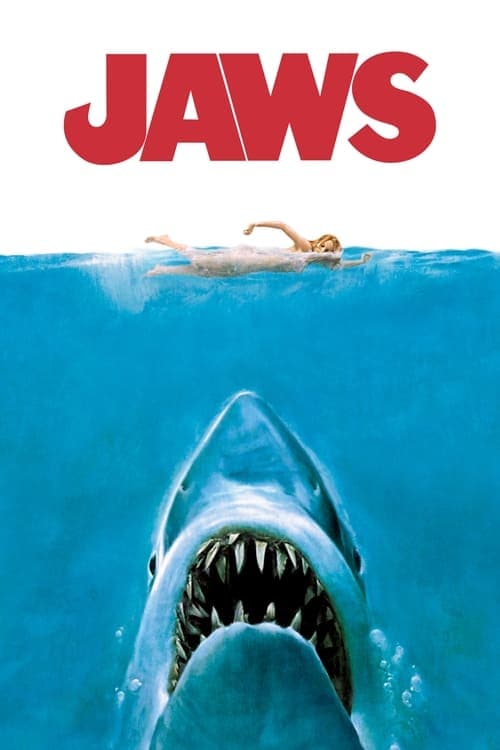
Jaws
Steven Spielberg · 1975
A massive great white shark terrorizes a New England beach town, and the police chief who fears water must join a marine biologist and a grizzled shark hunter to hunt it down before the summer season is destroyed. Spielberg's breakthrough film invented the summer blockbuster by making the shark the least frightening thing in the movie.
Techniques Used
4 techniques identified in this film
The Bomb Under the Table
NarrativeHitchcock's principle that suspense comes from the audience knowing something dangerous is present before it strikes — the anticipation being more powerful than the shock.
How this film uses it
Spielberg withholds full shots of the shark for most of the film, using the audience's knowledge that it is there — in the water, near the swimmers — to generate sustained dread from ordinary beach scenes.
Dolly Zoom
CinematographyA camera technique combining a zoom lens pulling back while the camera physically moves forward, creating a disorienting distortion of space that externalizes psychological shock.
How this film uses it
Spielberg uses the dolly zoom for the first time in a blockbuster context when Brody sees the shark attack on the beach — the technique precisely capturing the experience of the world lurching when catastrophe registers.
Practical In-Camera Effects
CinematographyThe preference for physical, in-camera mechanical effects over digital compositing, lending effects a tactile, real-world weight.
How this film uses it
The mechanical shark's repeated failures forced Spielberg to suggest the creature through water displacement, barrel movements, and point-of-view shots — creating a far more frightening presence than full visibility would have allowed.
Diegetic Sound Design
SoundThe elevation of ambient, in-world sound to a structurally expressive element that shapes meaning and atmosphere.
How this film uses it
John Williams' two-note motif is simple enough to be immediately recognizable, but Spielberg uses silence — the absence of the theme — as a counter-weapon, training the audience to relax when the music stops and then striking without warning.
You Might Also Like
Films that share at least one technique with Jaws
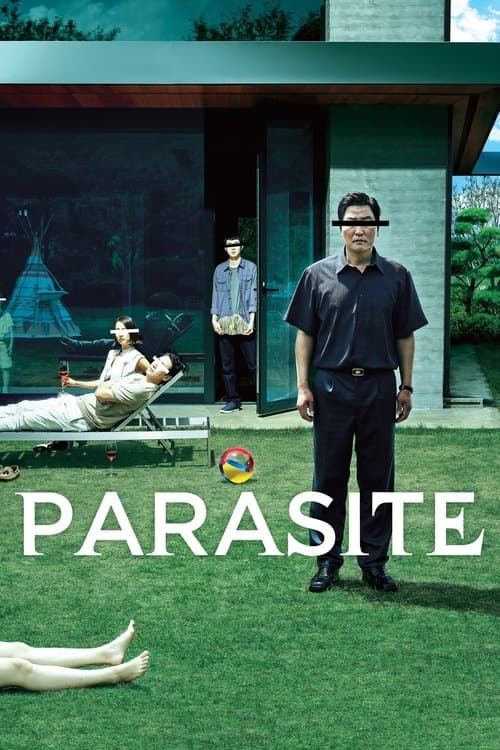
A poverty-stricken family schemes their way into the lives of a wealthy household, until a shocking discovery upends everything. A darkly comic thriller that dissects class inequality through meticulous mise-en-scène.
Parasite
Bong Joon-ho · 2019
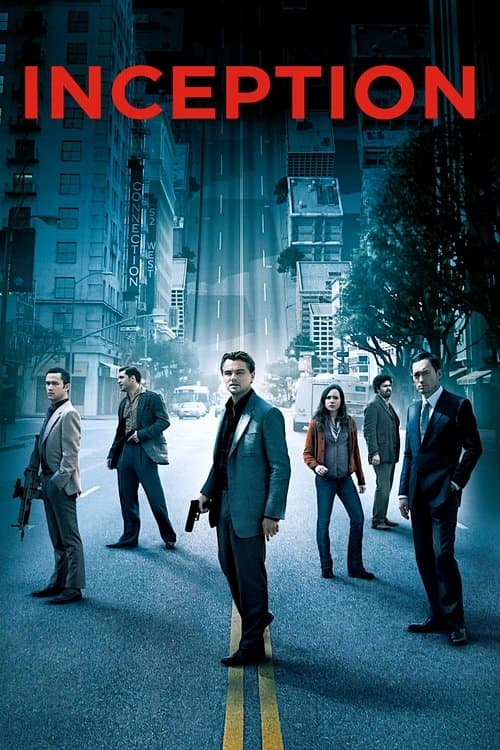
A skilled thief who enters people's dreams is offered a chance to have his criminal record erased if he can implant an idea into a CEO's mind. A labyrinthine heist film about grief, reality, and the architecture of the unconscious.
Inception
Christopher Nolan · 2010
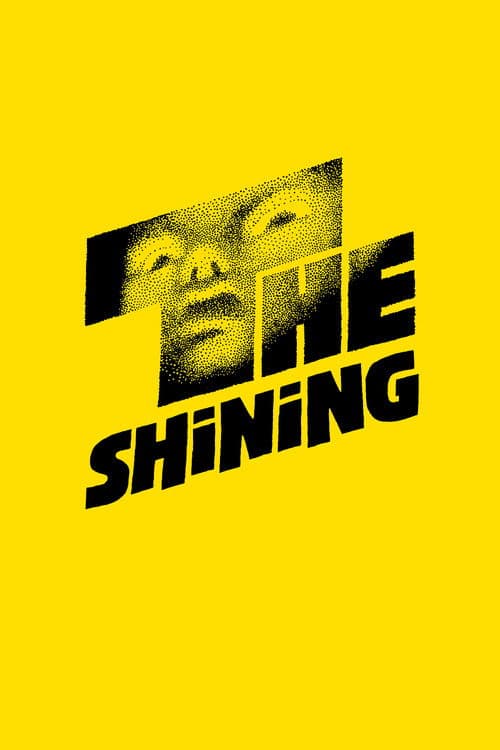
A writer takes a job as winter caretaker at a remote hotel, where supernatural forces — or his own fracturing psyche — drive him toward violence against his family. Kubrick's definitive study in geometric dread.
The Shining
Stanley Kubrick · 1980