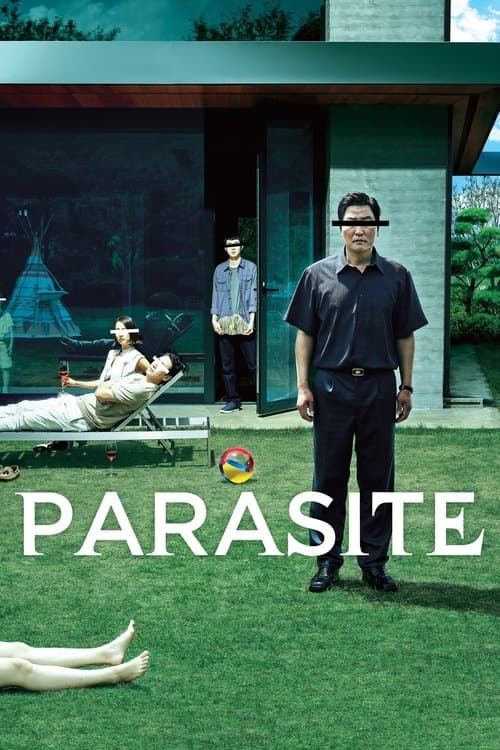
Parasite
Bong Joon-ho · 2019
A poverty-stricken family schemes their way into the lives of a wealthy household, until a shocking discovery upends everything. A darkly comic thriller that dissects class inequality through meticulous mise-en-scène.
Techniques Used
4 techniques identified in this film
Spatial Metaphor
NarrativeUsing physical space—architecture, geography, elevation—to represent abstract social or psychological states.
How this film uses it
The vertical layout of the film's locations maps directly onto class: the Park family lives on a hill with light and air, while the Kims live in a semi-basement below street level.
Genre Subversion
NarrativeDeliberately establishing genre expectations only to violate them, forcing the audience to reassess what kind of story they are watching.
How this film uses it
The film presents itself as a social comedy for its first half before pivoting into horror and tragedy, destabilizing viewer comfort and sympathy.
Chekhov's Gun
NarrativeEvery significant element introduced in a story must ultimately pay off; nothing should be shown unless it will be used.
How this film uses it
The Scholar's Rock, the garden, the Morse code light, and the smell motif are all introduced early and each returns with dramatic consequence.
Diegetic Sound Design
SoundSound that exists within the story world (heard by characters) used expressively to build tension or meaning rather than purely for realism.
How this film uses it
The sound of rain is omnipresent and shifts from ambiance to harbinger of disaster, tying weather to the Kim family's fate.
You Might Also Like
Films that share at least one technique with Parasite
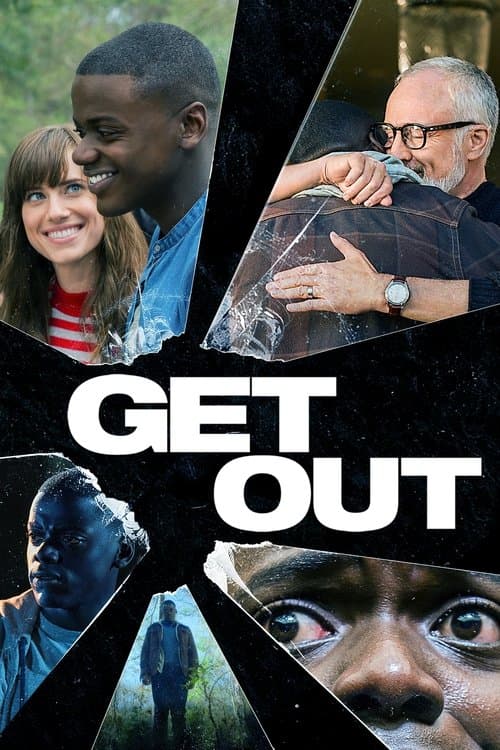
A Black man visiting his white girlfriend's family for the weekend uncovers a disturbing secret beneath their liberal veneer. A precision-engineered social horror film that uses genre mechanics to externalize systemic racism.
Get Out
Jordan Peele · 2017
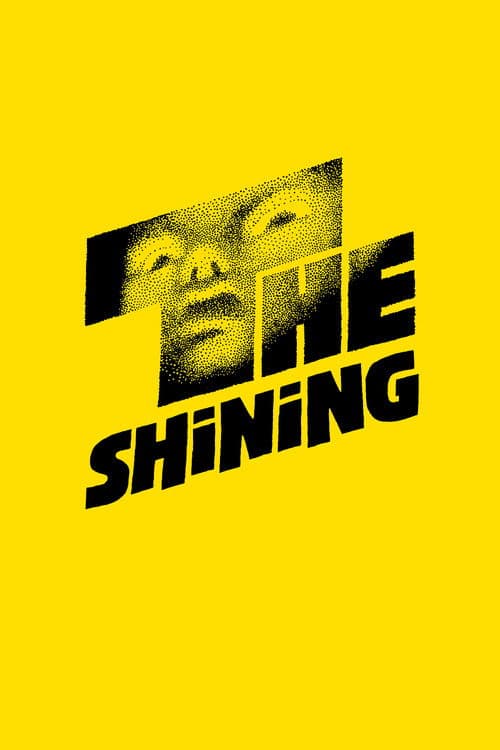
A writer takes a job as winter caretaker at a remote hotel, where supernatural forces — or his own fracturing psyche — drive him toward violence against his family. Kubrick's definitive study in geometric dread.
The Shining
Stanley Kubrick · 1980

A lonely writer in near-future Los Angeles falls in love with an AI operating system. A tender, melancholy film about connection, loneliness, and what it means to love something that exists differently than you do.
Her
Spike Jonze · 2013