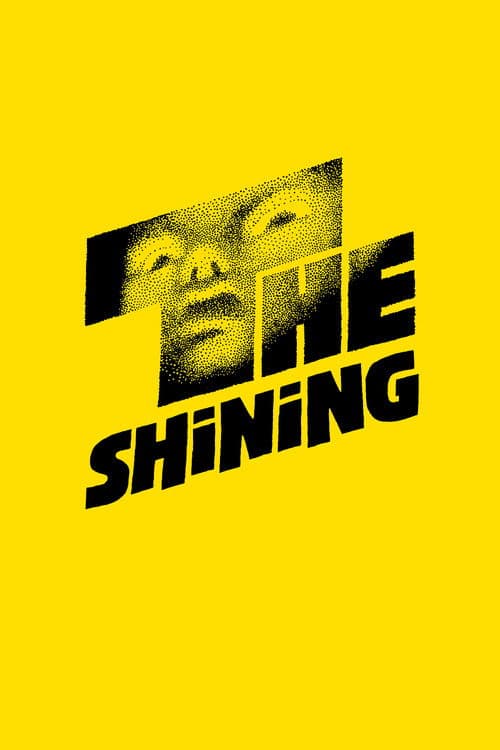
The Shining
Stanley Kubrick · 1980
A writer takes a job as winter caretaker at a remote hotel, where supernatural forces — or his own fracturing psyche — drive him toward violence against his family. Kubrick's definitive study in geometric dread.
Techniques Used
5 techniques identified in this film
Steadicam
CinematographyA camera stabilization rig that allows fluid, gliding movement through space, creating a distinctive floating perspective that differs from both static shots and handheld footage.
How this film uses it
Kubrick used the Steadicam to follow Danny through the Overlook's corridors at child height, transforming the camera into a predatory presence that pursues rather than observes.
One-Point Perspective
CinematographyComposing shots with a strong central vanishing point so all lines converge toward the center of the frame, creating a hypnotic, geometrically oppressive visual field.
How this film uses it
Kubrick's obsessive use of centered, symmetrical framing throughout the Overlook turns the hotel into an abstract, impossible space — beautiful and terrifying simultaneously.
Unreliable Narrator
NarrativeA storytelling perspective where the character through whose eyes we see events cannot be trusted to accurately perceive or report reality.
How this film uses it
The film never fully resolves whether the hotel's ghosts are real supernatural entities or projections of Jack's alcoholic psychosis, allowing a simultaneous psychological and supernatural reading.
Diegetic Sound Design
SoundSound that exists within the story world used expressively rather than purely for realism, to build tension or signal psychological states.
How this film uses it
Wendy Carlos and Rachel Elkind's score uses dissonant orchestral clusters and electronic processing to make familiar musical textures feel alien and threatening.
Continuity Errors as Design
EditingDeliberate violations of spatial and temporal continuity to signal that the film's reality is unstable or that characters' perceptions cannot be trusted.
How this film uses it
Kubrick deliberately introduced furniture, windows, and architectural features that change position or disappear between cuts, suggesting the Overlook itself is spatially impossible.
You Might Also Like
Films that share at least one technique with The Shining
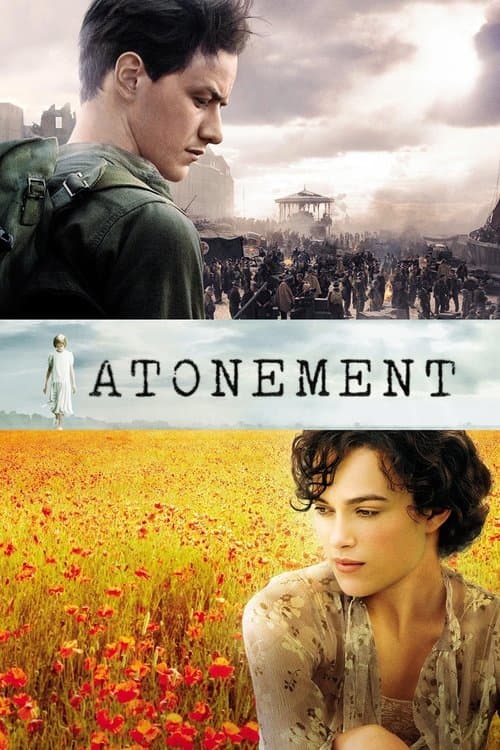
A thirteen-year-old girl's misreading of an encounter between her sister and a young man destroys both their lives — and her attempt to atone through fiction decades later reveals that narrative itself is a form of moral deception. Joe Wright's film is about the violence that stories can do.
Atonement
Joe Wright · 2007
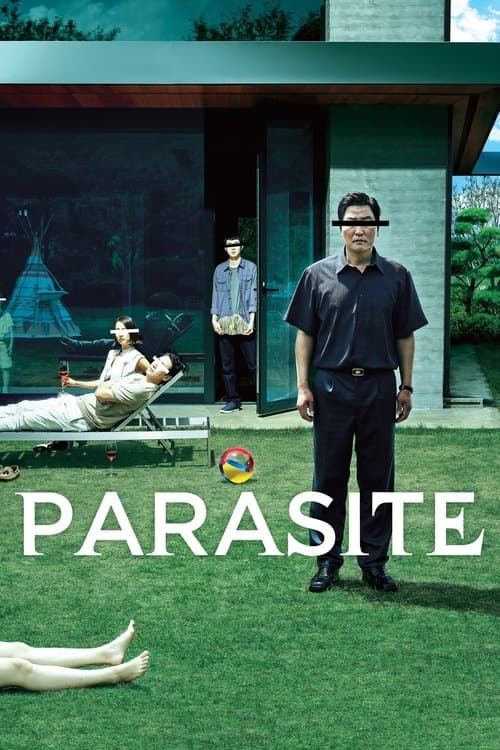
A poverty-stricken family schemes their way into the lives of a wealthy household, until a shocking discovery upends everything. A darkly comic thriller that dissects class inequality through meticulous mise-en-scène.
Parasite
Bong Joon-ho · 2019

A lonely writer in near-future Los Angeles falls in love with an AI operating system. A tender, melancholy film about connection, loneliness, and what it means to love something that exists differently than you do.
Her
Spike Jonze · 2013