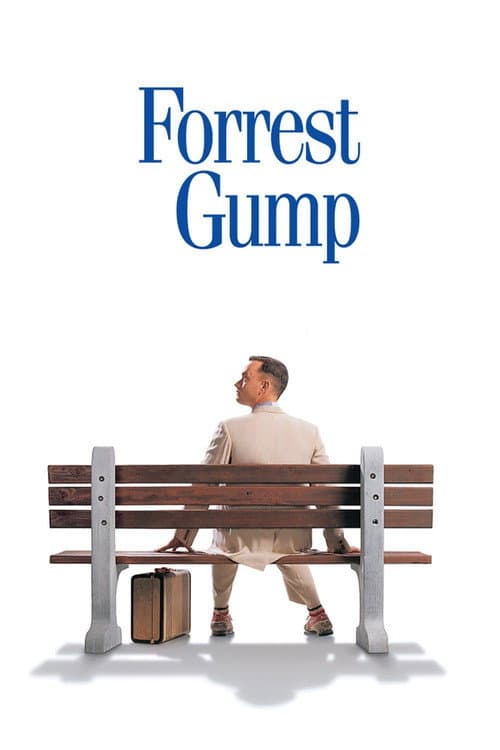
Forrest Gump
Robert Zemeckis · 1994
A man from Alabama with a below-average IQ moves through fifty years of American history by accident, touching the lives of presidents and pop stars while never losing his fundamental decency. An emotional myth of American innocence told through the country's most turbulent decades.
Techniques Used
5 techniques identified in this film
Historical Compositing
CinematographyDigitally inserting a fictional character into archival historical footage, using seamless compositing to create the impression that the character was present at real events.
How this film uses it
Visual effects supervisor Ken Ralston composited Tom Hanks into footage of JFK, LBJ, Nixon, and John Lennon — manipulating archival footage to make Forrest appear to be speaking directly with historical figures. The technique was groundbreaking for its era and required mouth-replacement CGI on archive subjects.
Picaresque Structure
NarrativeA loose episodic narrative in which a protagonist of low social standing moves through a series of adventures across different social strata, each episode self-contained but accumulating into a portrait of a society.
How this film uses it
Forrest moves from childhood Alabama to Vietnam to the White House to Watergate to the ping-pong diplomacy tour, each episode requiring no prior episode to function. The picaresque form is the only structure that can hold fifty years of American history as a single life.
Innocent Eye Narration
NarrativeUsing a narrator with limited comprehension or cognitive difference to recount events, creating irony and pathos through the gap between what the narrator understands and what the audience recognizes.
How this film uses it
Forrest narrates his own extraordinary life without awareness of its significance — he doesn't know he met presidents, started trends, or inspired slogans. The irony is never cruel; it reveals the gap between history as experienced and history as understood by those who make it.
The Feather Bookend
CinematographyA recurring visual motif — introduced at the film's opening and reprised at its close — that frames the entire narrative and encodes the film's thematic argument in a single image.
How this film uses it
The film opens on a white feather drifting through a blue sky before landing at Forrest's feet — and closes on it floating away again. The feather represents the intersection of fate and chance: is Forrest's life a miracle of destiny or the luck of the wind?
Bench as Narrative Stage
CinematographyUsing a single fixed location as the physical anchor for extended narration, with the location itself encoding the narrator's social position and relationship to the world they are describing.
How this film uses it
Forrest tells his story from a bus stop bench to a succession of strangers who may or may not believe him. The bench is in Savannah, far from history; the strangers are ordinary people. The framing insists that this extraordinary story belongs to the vernacular, not to monuments.
You Might Also Like
Films that share at least one technique with Forrest Gump
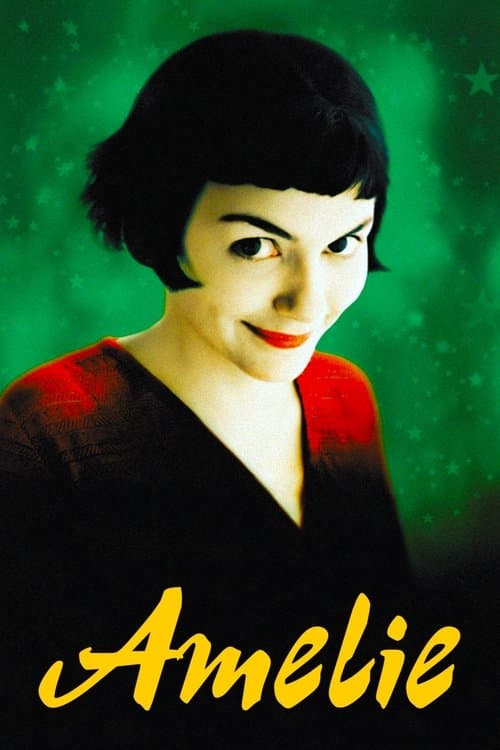
A shy Parisian waitress with an overactive imagination decides to secretly improve the lives of those around her while avoiding the chance at love waiting right in front of her. A film about the relationship between fantasy and genuine connection.
Amélie
Jean-Pierre Jeunet · 2001
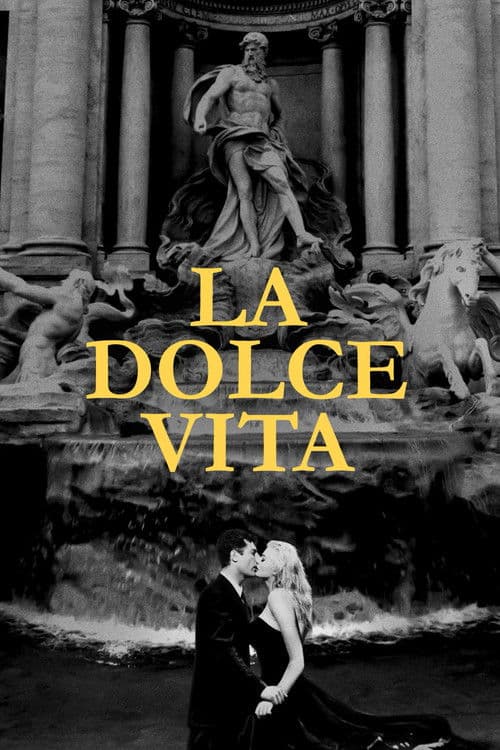
A celebrity journalist drifts through Rome's high society over seven days and nights — parties, scandals, spiritual apparitions, beautiful women — without finding anything that satisfies. Fellini's portrait of postwar Italian society as a magnificent void.
La Dolce Vita
Federico Fellini · 1960
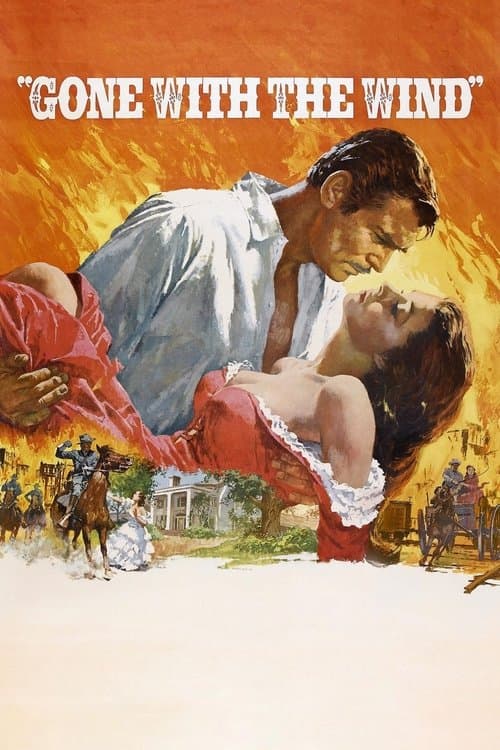
Scarlett O'Hara — willful, vain, and extraordinarily resilient — navigates the Civil War's destruction of her world and its aftermath, in love with the wrong man while being loved by the right one. Hollywood's most ambitious production made the antebellum South into mythology.
Gone with the Wind
Victor Fleming · 1939