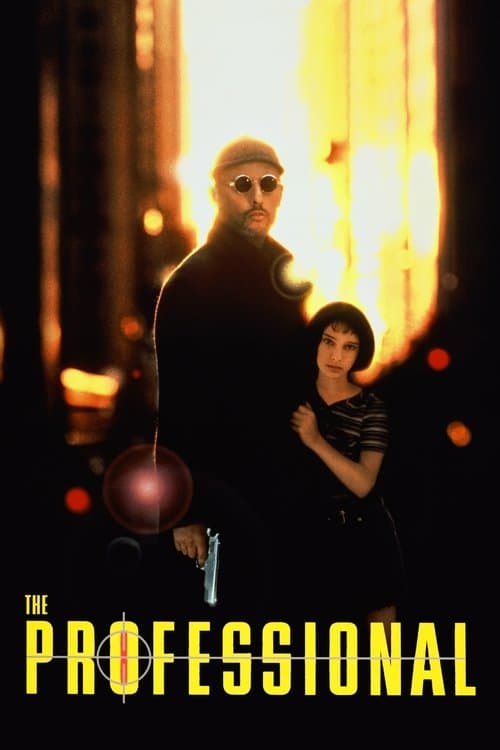
Léon: The Professional
Luc Besson · 1994
A stoic contract killer reluctantly takes in a twelve-year-old girl after her family is massacred by a corrupt DEA agent, and an unlikely bond forms between a man who only knows how to kill and a child who has nowhere else to go. A French action film built on the tension between violence and tenderness.
Techniques Used
4 techniques identified in this film
Contrast Scale Framing
CinematographyComposing shots that place a physically large or imposing character alongside a small or slight one, using the visual contrast in scale to encode the power dynamic and emotional relationship between them.
How this film uses it
Cinematographer Thierry Arbogast consistently frames Léon's large physical presence against Mathilda's small one — in doorways, in the apartment, on the street. The size contrast communicates protection and danger simultaneously: he could harm her, but instead he fills space between her and the world.
The Plant as Silent Character
NarrativeUsing a recurring physical object — maintained and cared for by a character — as a visual representation of their inner life, their capacity for attachment, and their vulnerability.
How this film uses it
Léon's potted plant is the only thing he owns that he tends and protects. It travels with him; it is the only evidence that he can care for something. The plant establishes his capacity for attachment before Mathilda arrives, making his relationship with her feel like a natural extension of this hidden self.
Escalating Villain Intensity
NarrativeBuilding a villain whose threat increases not through conventional physical escalation but through unpredictability and psychological volatility — the danger residing in the impossibility of predicting their next action.
How this film uses it
Gary Oldman's Stansfield is genuinely unhinged in a way that makes every scene he occupies dangerous. He hums Beethoven before executions, takes his own pills, and operates without rational logic. His scenes function like a pressure system: the audience cannot calibrate his threat because he cannot be calibrated.
Urban Hideout Geography
CinematographyUsing a single apartment or enclosed urban space as both a domestic refuge and a tactical location — the camera mapping the space's hiding spots, entry points, and vulnerabilities so the audience understands it as a character's entire world.
How this film uses it
Léon's apartment is the film's primary location — and Besson and Arbogast shoot it to be simultaneously intimate and precarious. We know where Mathilda sleeps, where Léon practices, where the milk is kept. When the film's violence finally enters this space, the intimacy makes it devastating.
You Might Also Like
Films that share at least one technique with Léon: The Professional
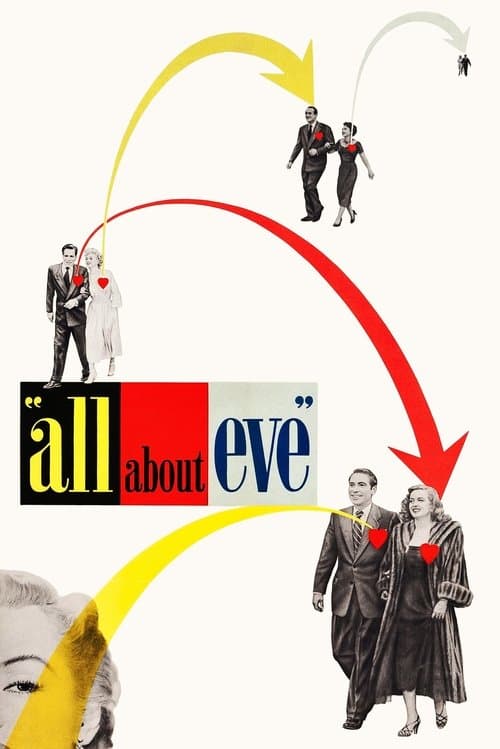
An ambitious young woman named Eve Harrington insinuates herself into the life of Broadway star Margo Channing, systematically displacing her in the theater world and the affections of those she loves. Joseph L. Mankiewicz's film is the most perfectly written screenplay in Hollywood history — a comedy of manners that is also a horror film.
All About Eve
Joseph L. Mankiewicz · 1950
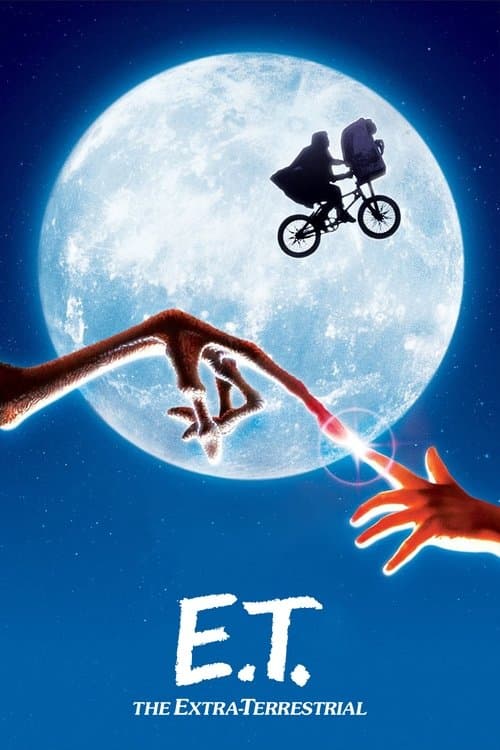
A lonely ten-year-old boy from a broken home forms a profound bond with a stranded alien, and races against a government pursuit to help his friend reach his ship before their linked physiology kills them both. Spielberg's film is about the friendship that adults, by becoming adults, can no longer have.
E.T. the Extra-Terrestrial
Steven Spielberg · 1982
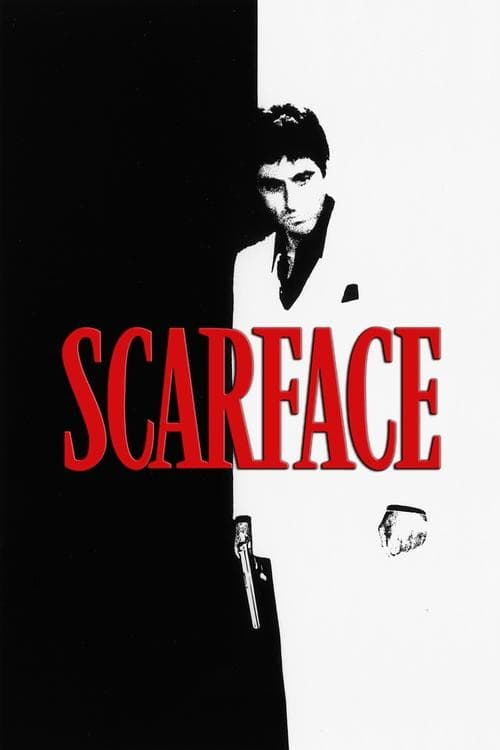
Cuban refugee Tony Montana arrives in Miami with nothing and rises through the cocaine trade to the peak of the criminal empire — and then falls as catastrophically as he rose, his own paranoia and excess destroying everything he built. Brian De Palma's maximalist gangster film is about the American Dream as a death wish.
Scarface
Brian De Palma · 1983