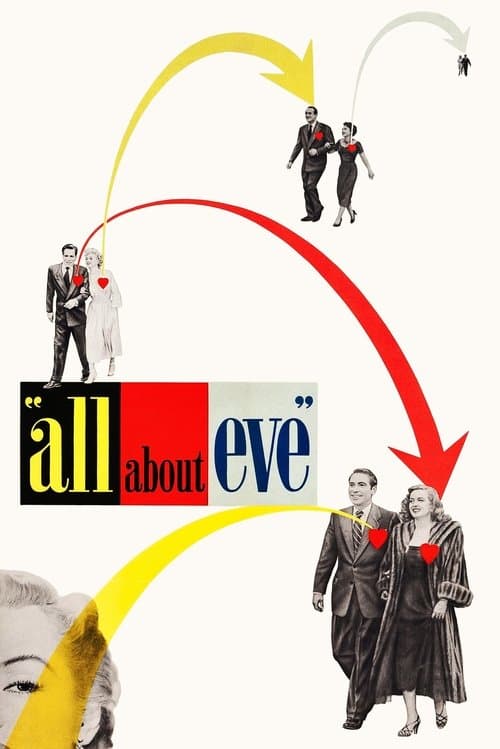
All About Eve
Joseph L. Mankiewicz · 1950
An ambitious young woman named Eve Harrington insinuates herself into the life of Broadway star Margo Channing, systematically displacing her in the theater world and the affections of those she loves. Joseph L. Mankiewicz's film is the most perfectly written screenplay in Hollywood history — a comedy of manners that is also a horror film.
Techniques Used
5 techniques identified in this film
Frame Narrative as Trap
NarrativeUsing a framing device that reveals the ending before the story begins, creating dramatic irony that shadows every subsequent scene.
How this film uses it
The film opens at the awards ceremony where Eve receives her prize — her triumph already secured — so every subsequent scene of Margo trusting her plays as foreknown tragedy.
Voiceover as Seduction
NarrativeUsing first-person narration to draw the viewer into a character's self-justifying worldview.
How this film uses it
Addison DeWitt's narration is the film's most dangerous instrument — witty, knowing, and positioned as the voice of truth — until the film reveals his own power as the one controlling Eve.
Escalating Villain Intensity
NarrativeProgressively revealing a character's true malevolence through actions of increasing audacity.
How this film uses it
Eve's machinations grow from innocent flattery to reading private letters, to auditioning behind Margo's back, to blackmailing DeWitt — each escalation more brazen than the last.
Dramatic Irony
NarrativeGiving the audience information that characters lack, creating tension between what is known and what is said.
How this film uses it
The audience knows from the first frame that Eve will succeed — making every scene of Margo's trust a form of dramatic irony, every warmth extended a wound being opened.
Psychological Doubling
PsychologyPairing two characters, images, or narrative strands that mirror and distort each other, revealing hidden aspects of the protagonist.
How this film uses it
Eve is Margo's dark double — younger, more desperate, willing to use what Margo's security has made her unwilling to — and the film's final mirror scene with Phoebe establishes that the cycle of doubling is endless.
You Might Also Like
Films that share at least one technique with All About Eve
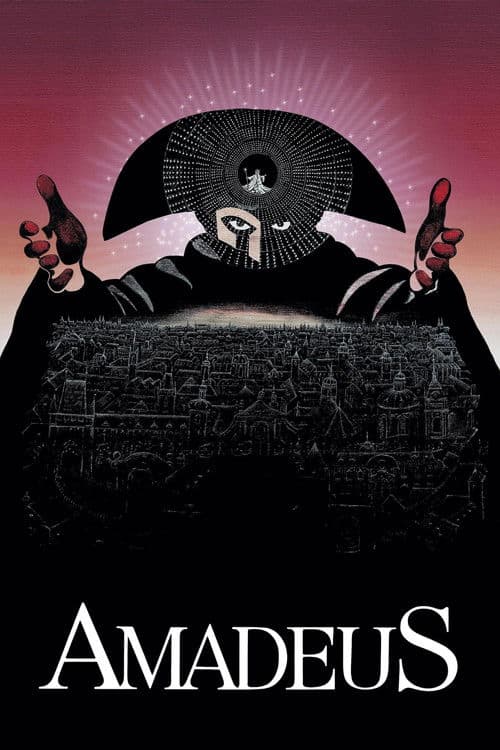
An aging Antonio Salieri confesses to a priest his belief that he murdered Wolfgang Amadeus Mozart — driven mad by the injustice of God giving divine genius to a vulgar, giggling man-child while leaving him only mediocrity. A film about talent, envy, and the cruelty of being almost gifted.
Amadeus
Miloš Forman · 1984
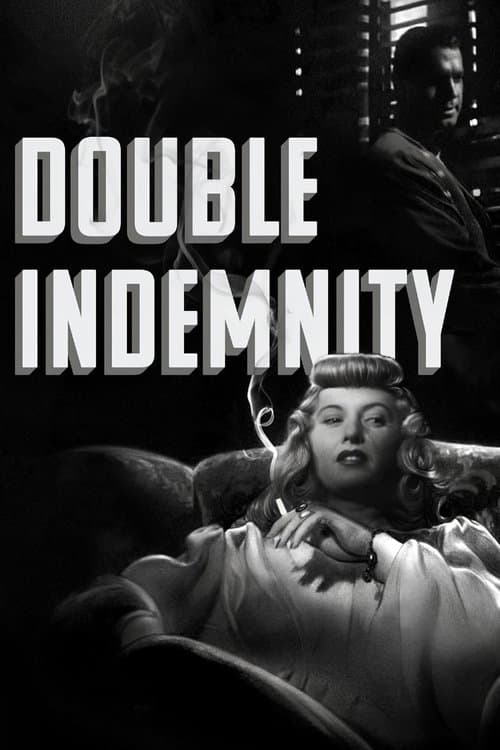
An insurance salesman is seduced by a client's wife into helping murder her husband and collect on the policy — then discovers that the scheme was always designed to consume him as well. The film that established the femme fatale and the criminal confession as noir's defining elements.
Double Indemnity
Billy Wilder · 1944
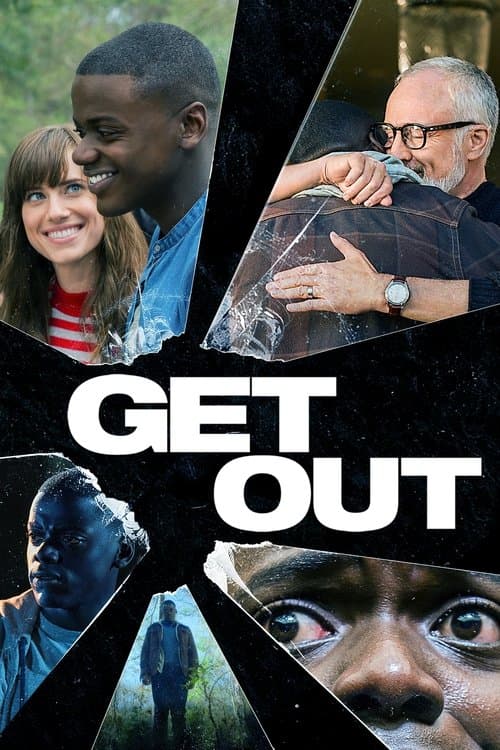
A Black man visiting his white girlfriend's family for the weekend uncovers a disturbing secret beneath their liberal veneer. A precision-engineered social horror film that uses genre mechanics to externalize systemic racism.
Get Out
Jordan Peele · 2017