
Everything Everywhere All at Once
Daniel Kwan, Daniel Scheinert · 2022
A Chinese-American laundromat owner discovers she must connect with parallel universe versions of herself to prevent a nihilistic force from destroying the multiverse — and that the only answer is her relationship with her daughter. The defining American film of the 2020s.
Techniques Used
4 techniques identified in this film
Genre Collage
NarrativeAssembling a film from multiple genre traditions simultaneously — so that the work belongs to several genres at once and uses each genre's conventions to comment on the others.
How this film uses it
The Daniels fold martial arts film, tax audit drama, absurdist comedy, sci-fi multiverse thriller, and mother-daughter melodrama into a single work. Each genre arrives fully realized — the action sequences are genuinely choreographed, the family drama is genuinely felt — making the collision produce meaning rather than chaos.
Kinetic Editing
EditingAn editing rhythm so precisely controlled that cuts themselves generate physical energy — the pacing creating momentum that propels the audience through sequences.
How this film uses it
Paul Rogers's editing cuts between universes, timelines, and tonal registers at a speed that is simultaneously disorienting and precisely legible. The film's first act is deliberately overwhelming — the editing enacting Evelyn's scattered attention and the multiverse's information overload before the audience has been given tools to process it.
Deadpan Absurdism
NarrativeA tonal register in which bizarre or impossible events are presented with complete seriousness, the comedy arising from the gap between content and delivery.
How this film uses it
Googly eyes as the symbol of cosmic acceptance. Hotdog fingers as a tender love story. The everything bagel as the void. The Daniels pitch each absurdity with total commitment — no one winks. The deadpan allows the film to make genuine emotional arguments through premises that would collapse under ironic distance.
Earned Catharsis
PsychologyAn emotional release at a film's end that feels genuinely deserved — built through patient accumulation rather than manipulation — because the film has refused easy comfort throughout.
How this film uses it
The mother-daughter reconciliation arrives after two and a half hours of maximalist chaos that has simultaneously exhausted and emotionally prepared the audience. The Daniels earn the ending by making Evelyn's choice — to choose love over nihilism, to choose her daughter over the multiverse — cost something real.
You Might Also Like
Films that share at least one technique with Everything Everywhere All at Once
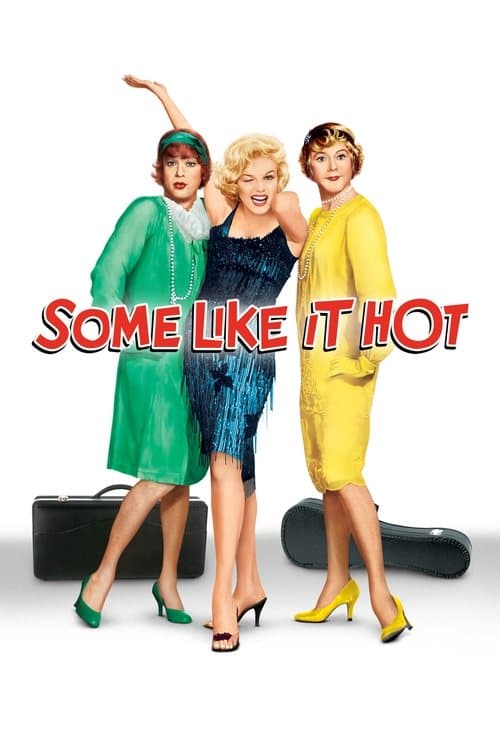
Two musicians witness the St. Valentine's Day Massacre and hide from the mob by joining an all-female band in drag — and one of them falls in love with the band's singer. Wilder's fastest, most accomplished comedy, and the most fully achieved farce in American cinema.
Some Like It Hot
Billy Wilder · 1959
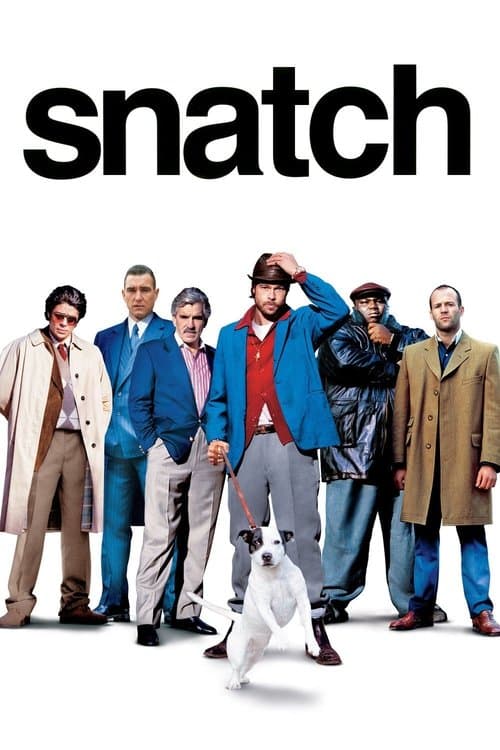
A stolen diamond, a bare-knuckle boxing match, and a series of spectacularly unlucky criminals converge in a chaos of escalating misfortune across London's criminal underworld. Guy Ritchie's second feature is a machine for controlled disorder — every complication is the setup for a worse complication.
Snatch
Guy Ritchie · 2000
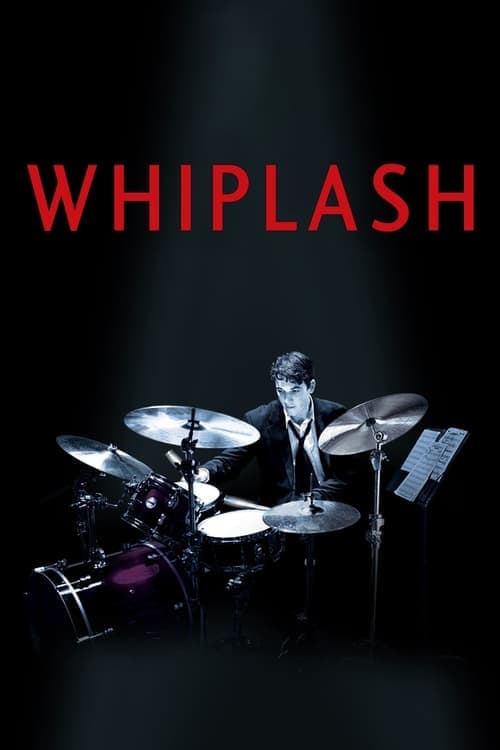
A jazz drumming prodigy at a cutthroat conservatory is pushed to the breaking point by a ferociously demanding conductor. A visceral examination of obsession, abuse, and the price of greatness.
Whiplash
Damien Chazelle · 2014