Editing technique · used in 13 films

Kinetic Editing

Timing the cuts to the rhythm of the action or the music. The fast, precise editing gives a scene momentum you can almost feel physically.

Examples

13 films that use it

  1. The French Connection (1971) poster

    The French Connection

    William Friedkin · 1971

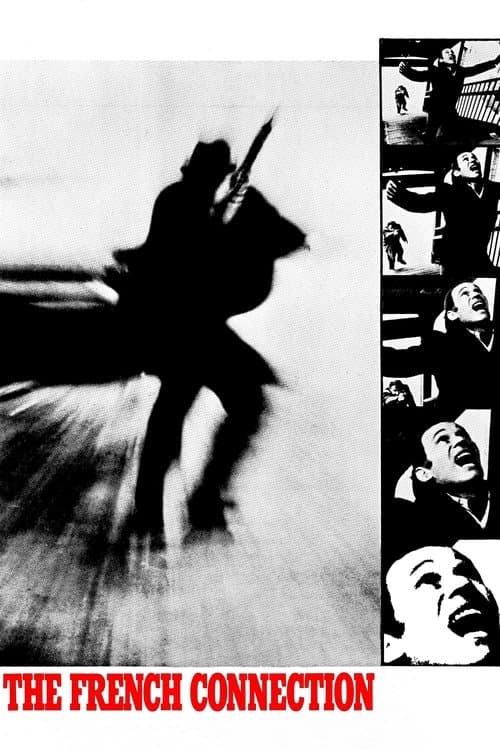
    In the car-chase sequence, Doyle chases a hijacked elevated train in a car he has commandeered on the street below. Jerry Greenberg cuts it to a rhythm that matches the desperate improvising of the chase itself. What Doyle is attempting looks physically impossible, and the editing builds its momentum from that.

    Where to see it: The elevated train chase. The car weaves through traffic below while the train runs above. The cutting between the 2 vehicles lets you feel exactly where each one is. It's fairly terrifying because of how real it looks.
  2. The Color of Money (1986) poster

    The Color of Money

    Martin Scorsese · 1986

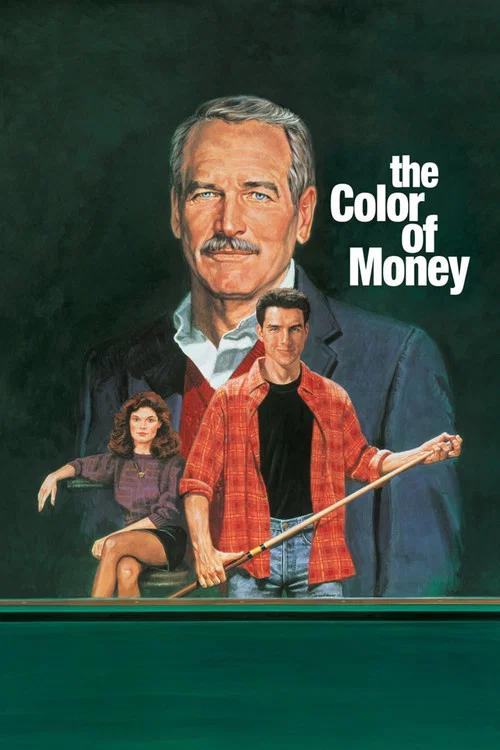
    Editor Thelma Schoonmaker used close-ups of balls being struck and wider shots of the players. The cuts give each shot the force of a punch. You feel the tension of a game that mostly happens in silence.

    Where to see it: The Atlantic City tournament: close shots of balls being struck cut against wider shots of Eddie and Vincent at the table.

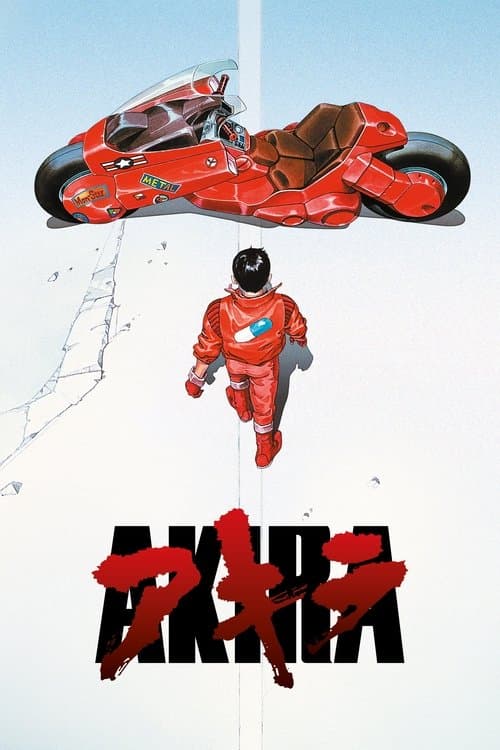
  3. Akira (1988) poster

    Akira

    Katsuhiro Otomo · 1988

    The action sequences (the motorcycle chase, the military pursuit, the psychic combat) are cut with an urgency that animation had never had before. The editing gives you speed, and you still always know where everything is. The cuts build momentum on their own.

    Where to see it: The opening motorcycle race through the empty highway. The editing cuts between the riders, the road and the city at night. The pace made animation feel capable of the physical energy of action cinema.

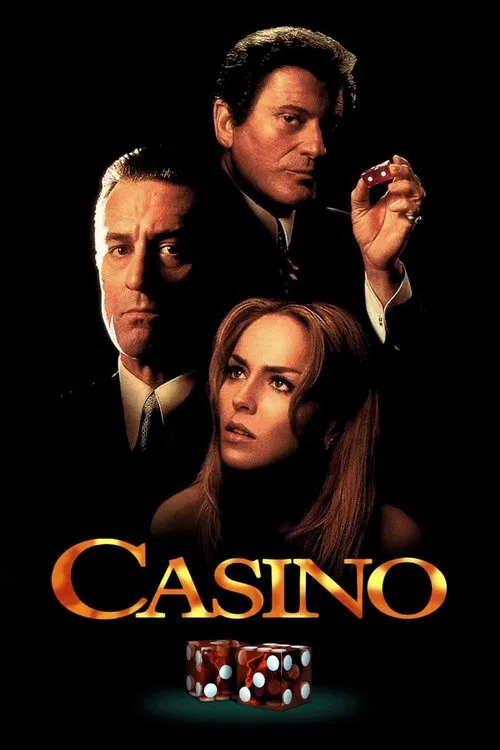
  4. Casino (1995) poster

    Casino

    Martin Scorsese · 1995

    Scorsese cuts quickly between people, cash and rooms while the narration explains the business. The cuts keep pace with Ace's fast talk. A dry lesson about money ends up moving like a heist scene.

    Where to see it: The skim explained. The film follows cash out of the count room and into a suitcase that goes to the mob bosses, who meet in the back of a Kansas City produce market.

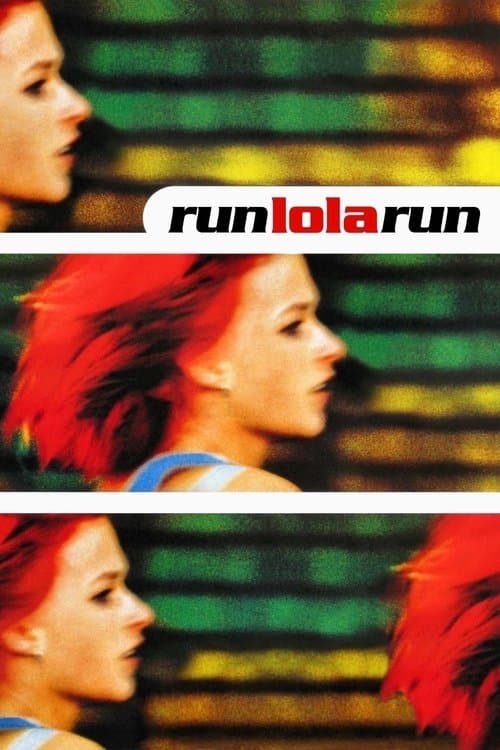
  5. Run Lola Run (1998) poster

    Run Lola Run

    Tom Tykwer · 1998

    Tykwer cuts between Lola running, split-screens, animated sequences and freeze-frame glimpses of the future. The cutting matches the rhythm of her heartbeat. The editing itself keeps the film moving forward.

    Where to see it: The rapid flash-forward sequences. Each stranger's future is shown as a series of still photographs, squeezed into a handful of frames.

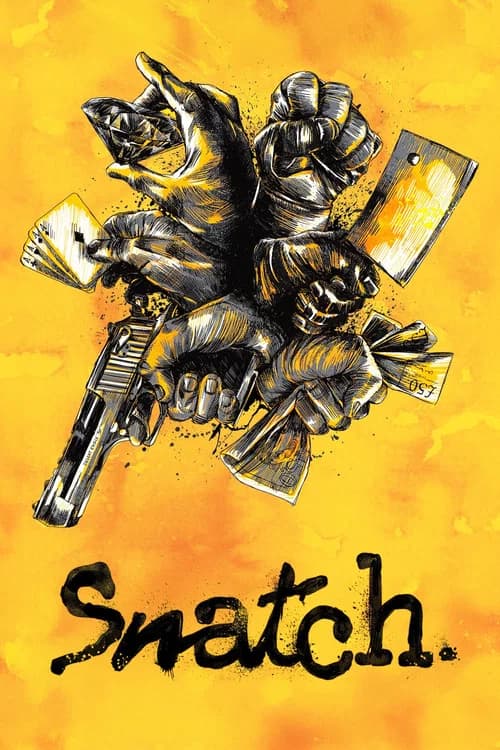
  6. Snatch (2000) poster

    Snatch

    Guy Ritchie · 2000

    Ritchie and editor Jon Harris use speed-ramps (sudden shifts between fast and slow motion) and fast cuts all through the bare-knuckle boxing sequences and chase scenes. That gives the film its particular criminal energy. The editing is fast, and it also has a musical rhythm that matches the film's pop, rock and reggae soundtrack.

    Where to see it: Mickey's boxing matches. You get speed-ramped punches and freeze frames on the knockouts, and the editing turns the violence into a show.

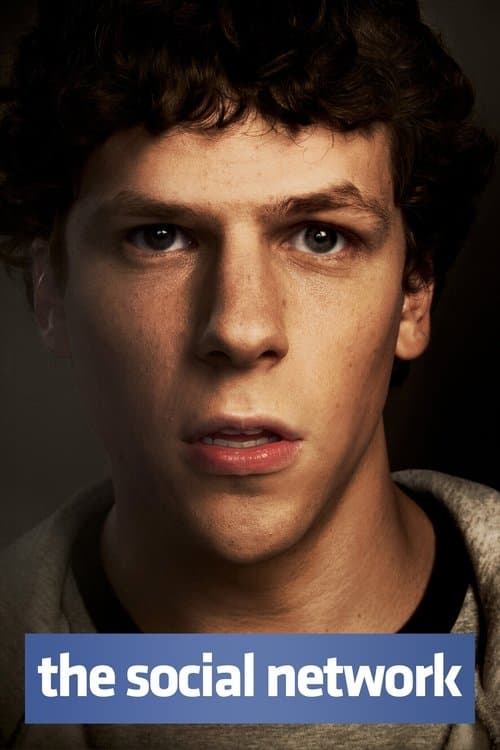
  7. The Social Network (2010) poster

    The Social Network

    David Fincher · 2010

    Kirk Baxter and Angus Wall cut the film at the speed of Zuckerberg's coding. Ideas arrive and get carried out before the previous thought has fully landed. Add Sorkin's overlapping dialogue and Fincher's exact choice of shots, and the editing feels like a current. You don't have time to form your own judgments. You get pulled through.

    Where to see it: The opening breakup scene. The dialogue overlaps and the cuts are tight. You scramble to keep up with the exchange while also taking in what it reveals.

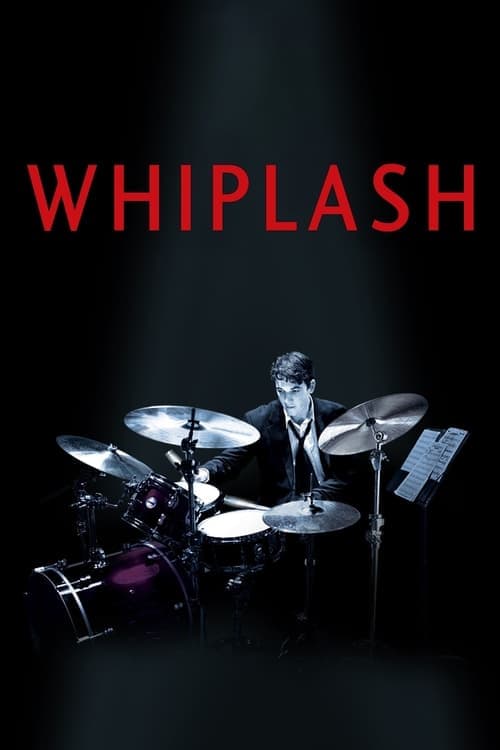
  8. Whiplash (2014) poster

    Whiplash

    Damien Chazelle · 2014

    Chazelle and editor Tom Cross cut the drumming sequences exactly on the beat of the music, so the editing itself feels like percussion. You feel the performance in your body.

    Where to see it: The final JVC Jazz Festival performance sequence. The cuts land on the beat of the drumming.

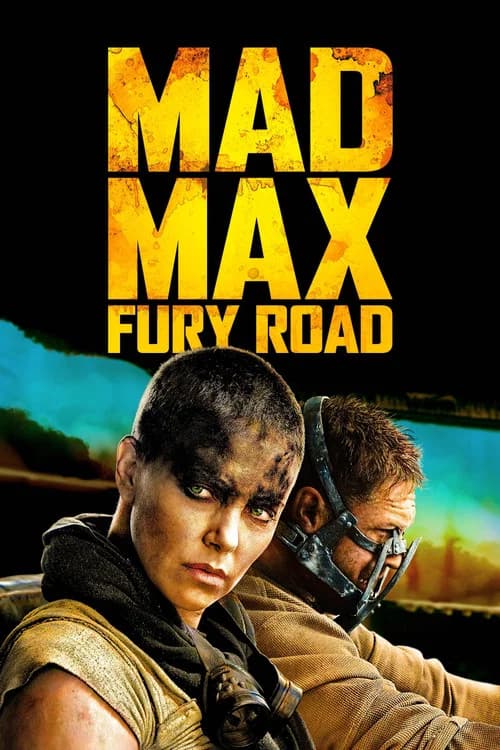
  9. Mad Max: Fury Road (2015) poster

    Mad Max: Fury Road

    George Miller · 2015

    Editor Margaret Sixel (Miller's wife, with no prior action film experience) cut Fury Road with 2,700 shots in 120 minutes. The speed has a purpose. Each cut is placed so your eye moves naturally from the point of interest in 1 shot to the point of interest in the next. You get an action film where you always know where you are while feeling constantly in motion.

    Where to see it: The final pursuit sequence. The rhythm of the editing keeps the space clear while the physical urgency keeps rising.

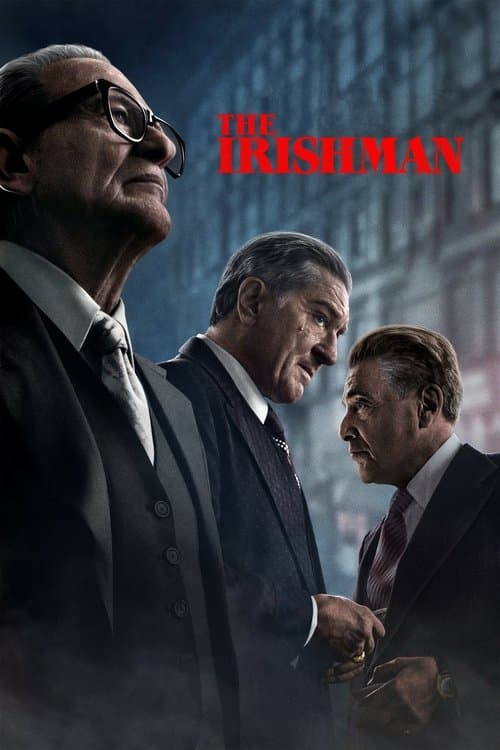
  10. The Irishman (2019) poster

    The Irishman

    Martin Scorsese · 2019

    Scorsese's trademark montage cuts quickly through years of mob ritual, fish deliveries and backseat negotiations. It squeezes decades of crime into a few electrifying minutes.

    Where to see it: The early montage of Frank's rise through the Bufalino organization. It is cut to music and narration in the Goodfellas tradition.

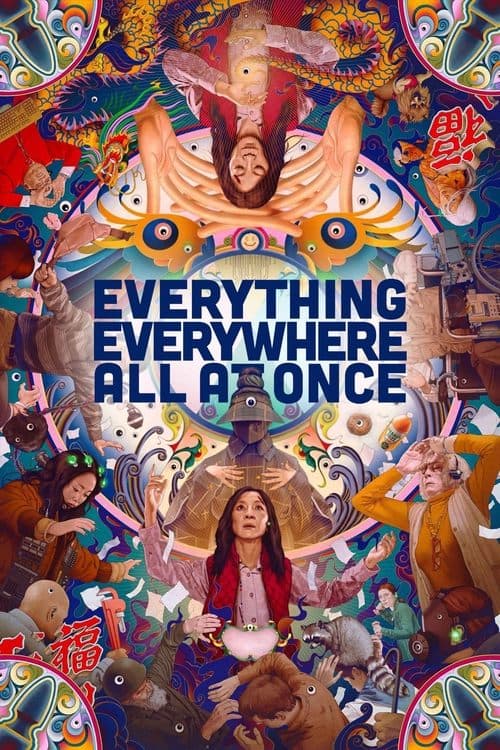
  11. Everything Everywhere All at Once (2022) poster

    Everything Everywhere All at Once

    Daniel Kwan, Daniel Scheinert · 2022

    Paul Rogers's editing cuts between universes, timelines and moods at a speed that is disorienting and still precise enough to follow. The first act is overwhelming on purpose. The editing puts you through Evelyn's scattered attention and the multiverse's information overload before you have any tools to handle it.

    Where to see it: The universe-switching sequences. The cuts between realities come faster than you can consciously take them in, and the fast editing makes the multiverse something you feel in your body.

  12. Babylon (2022) poster

    Babylon

    Damien Chazelle · 2022

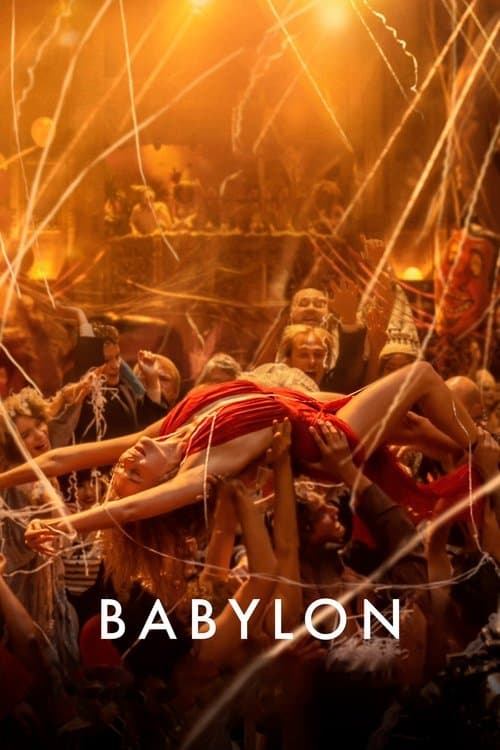
    Tom Cross edits the opening party sequence at a deranged speed. The cuts match the pulse of the music and the camera is never still. The orgy's chaos gets a rhythm of its own, in a film about films that cannot contain itself.

    Where to see it: The opening Bel-Air party. The editing cuts between the elephant, the band, the bodies and the drugs so fast that you physically feel the excess on screen.

  13. Anora (2024) poster

    Anora

    Sean Baker · 2024

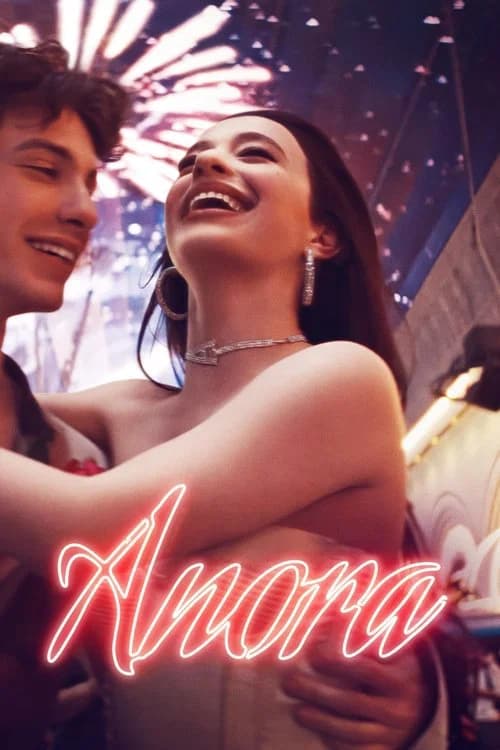
    The long chase and struggle sequence after the Russian fixers arrive is cut very fast. The cutting matches both the physical comedy and the real distress of a scene that won't settle into one genre.

    Where to see it: The living room struggle, as the fixers try to contain Anora after Ivan runs. The editing rhythm switches back and forth between slapstick and real fear.

Questions

Quick answers

What is kinetic editing in film?
Timing the cuts to the rhythm of the action or the music. The fast, precise editing gives a scene momentum you can almost feel physically.
Which films use kinetic editing?
The French Connection (1971), The Color of Money (1986), Akira (1988), Casino (1995), Run Lola Run (1998), Snatch (2000) and 7 more films in the CineCode library.
What kind of technique is kinetic editing?
It is a editing technique. Related editing techniques include Animation as Emotional Amplifier.