Crime · Thriller · Film Noir

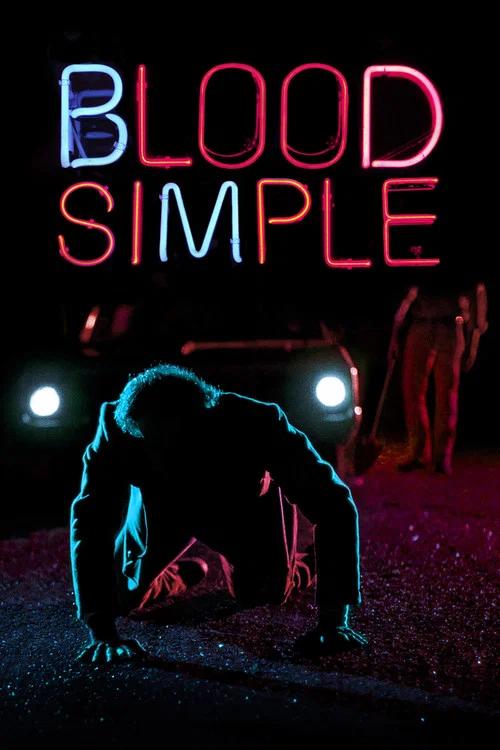
Blood Simple

Joel Coen, Ethan Coen, 1985

A Texas bar owner hires a private detective to kill his wife and her lover. The detective double-crosses him, and the couple misreads what happened. Each mistake feeds a worse one. This was the Coens' first film, and you can see their dark humor and camera showmanship already at work.

Blood Simple (1985) poster

At a glance

Blood Simple is a 1985 crime, thriller and film noir film directed by Joel Coen, Ethan Coen. This breakdown covers 5 techniques (3 narrative, 1 cinematography and 1 sound), each with the scene where you can see it. If you like how it is made, Some Like It Hot uses several of the same techniques.

Narrative

Dramatic Irony

Letting the audience know something a character doesn't. You watch them act without that knowledge, which creates suspense, dread or dark comedy.

How this film uses it

You know Visser doctored the photos and killed Marty, and Ray and Abby do not. Each of them reads the clues wrong and suspects the other. Their mistakes pile up while you watch them happen.

Where to see it

Marty's body: Visser fakes photos of the couple dead and shoots Marty with Abby's gun, and Ray finds the scene.

Narrative

Genre Collage

Mixing several genres in 1 film, such as crime, romance, horror and absurd comedy. The clash between them keeps you from settling into a single way of watching.

How this film uses it

The film mixes neo-noir, pulp crime and low-budget horror. A crime story turns into a horror chase by the end. You never settle into one set of rules.

Where to see it

The ending: Abby stabs Visser's hand with Ray's knife, pinning it to a windowsill, and Visser shoots through the wall.

Narrative

Deadpan Absurdism

Showing extreme, violent or surreal events while the characters react as if nothing unusual is happening. That mismatch is funny and unsettling at the same time.

How this film uses it

Violence keeps going slightly wrong in ways that are funny and horrible at once. Characters respond to disaster as if it were just another bad day. The final exchange with Visser is dark enough to make you laugh.

Where to see it

Burying Marty: Ray starts to bury Marty, who is still alive, and Marty pulls the trigger 3 times on an empty gun.

Cinematography

Impossible Camera Move

Sending the camera along a path no person could take, such as down a drain, to turn an idea into a single image. The movement says what the scene will not show.

How this film uses it

The camera slides along the top of the bar and lifts over a passed-out drunk. The shot shows off what a small crew can do with a camera on a tiny budget. It also tells you these directors plan every frame.

Where to see it

The bar shot: a tracking shot moves along the top of the bar and lifts over a drunk.

Sound

Minimalist Score

Scoring with repeating, slowly shifting patterns that build a calm, trance-like mood. The music feels like part of a ritual.

How this film uses it

Carter Burwell's first film score mixes solo piano with electronic ambient sound. It sounds thin and cold, which suits a film about small people making big mistakes. The Four Tops song in the bar gives a sharp contrast.

Where to see it

The bar: the score and the Four Tops' "It's the Same Old Song" set the tone of the Texas bar.

Questions

Blood Simple: quick answers

What filmmaking techniques does Blood Simple use?
CineCode breaks down 5 techniques in Blood Simple (1985): Dramatic Irony, Genre Collage, Deadpan Absurdism, Impossible Camera Move and Minimalist Score.
Who directed Blood Simple?
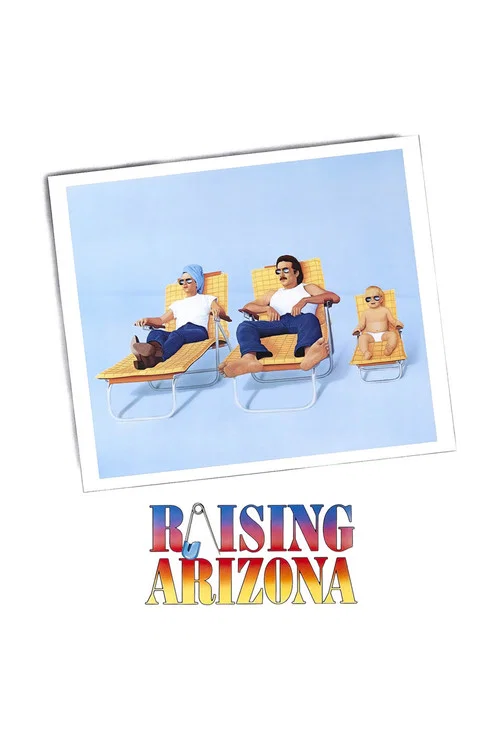
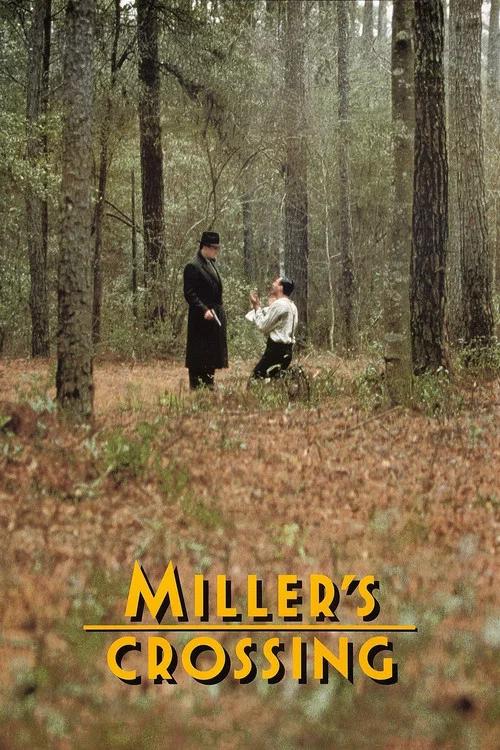
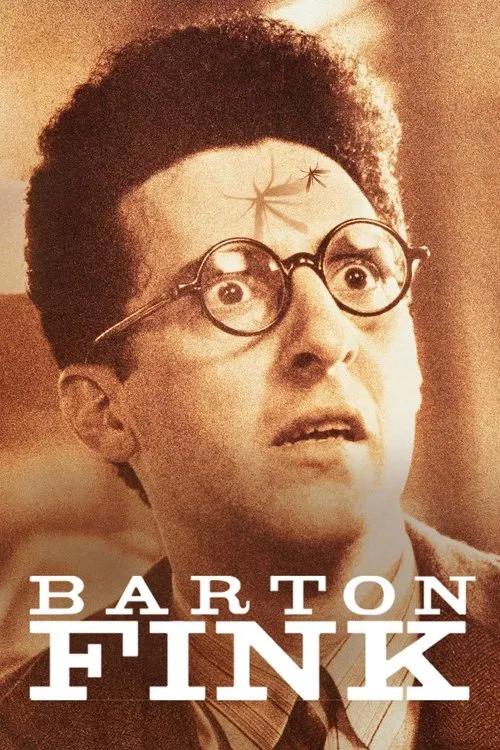
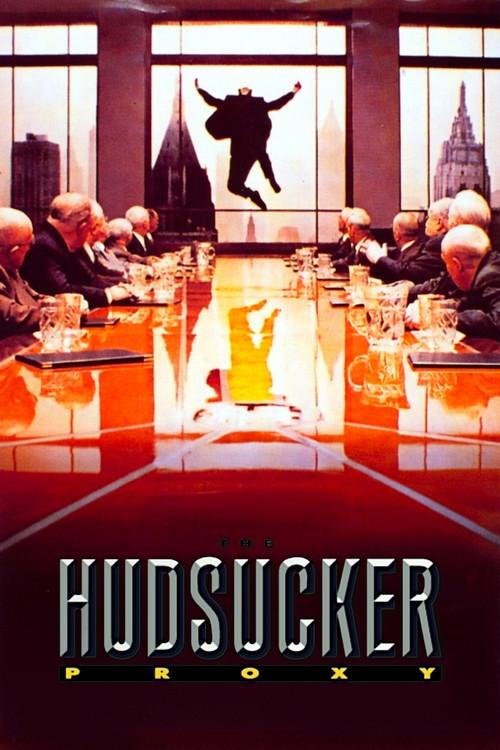
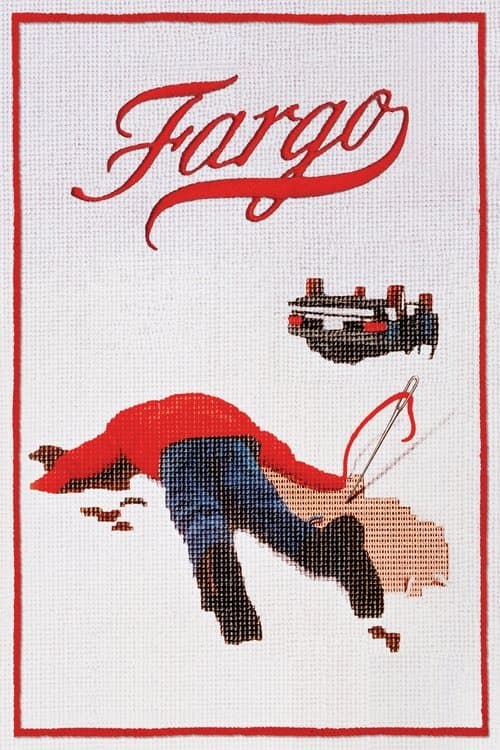
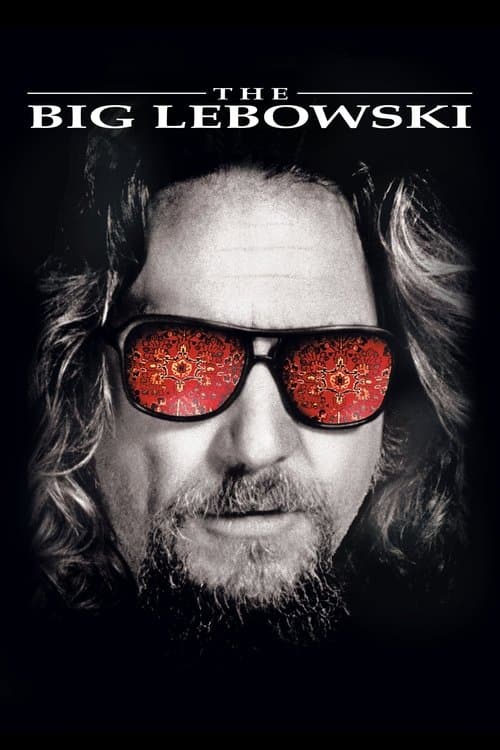
Joel Coen, Ethan Coen directed Blood Simple, released in 1985. CineCode also covers Raising Arizona (1987), Miller's Crossing (1990), Barton Fink (1991), The Hudsucker Proxy (1994), Fargo (1996), The Big Lebowski (1998).
What films are similar to Blood Simple?
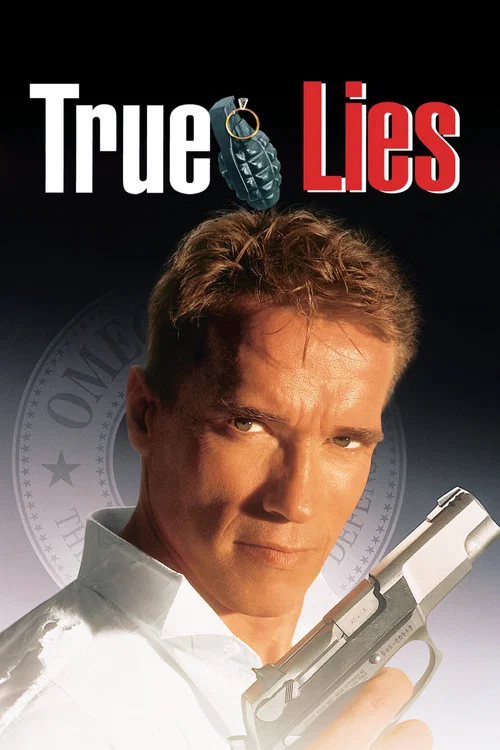
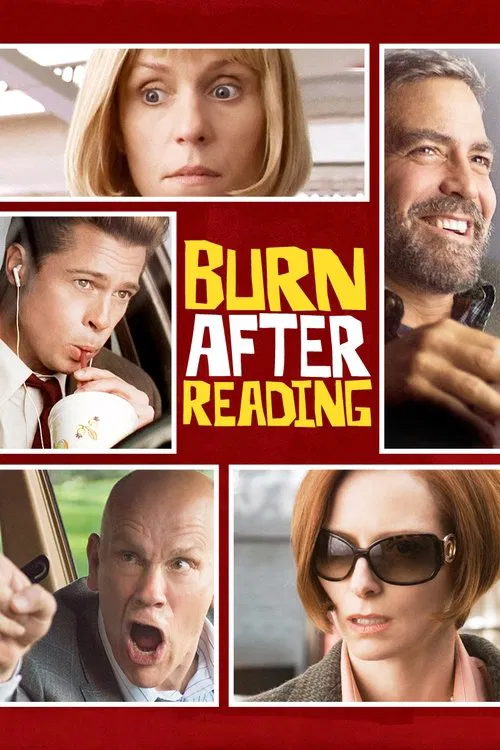
Films that share techniques with Blood Simple include Some Like It Hot (1959), Everything Everywhere All at Once (2022), True Lies (1994), Burn After Reading (2008).