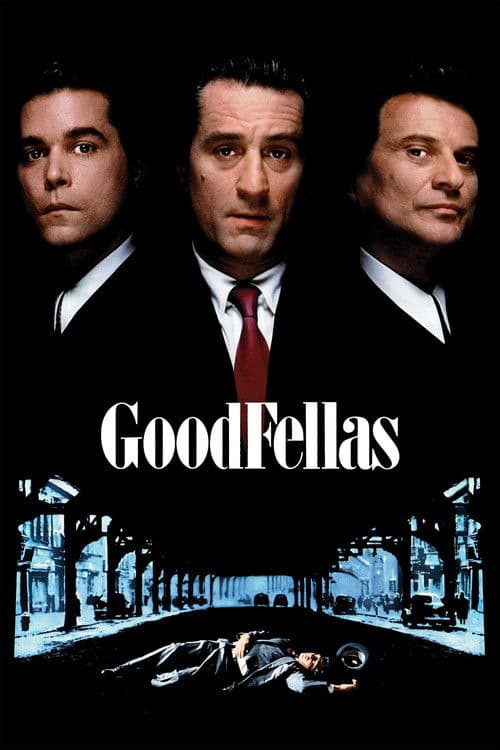
Goodfellas
Martin Scorsese · 1990
A young man grows up inside the Lucchese crime family, ascending through the ranks until the lifestyle of violence and paranoia consumes everything around him. A propulsive deconstruction of organized crime's seduction that implicates the audience in the pleasure before showing the cost.
Techniques Used
5 techniques identified in this film
Voiceover as Seduction
NarrativeUsing first-person narration not to guide or inform the audience but to actively seduce them into the narrator's worldview — making the audience complicit in a perspective they would consciously reject.
How this film uses it
Henry Hill's narration opens with 'As far back as I can remember, I always wanted to be a gangster' — and for the film's entire first half, Scorsese makes that desire infectious. The narration is proud, funny, and energetic. The audience is meant to share it before having it stripped away.
Tracking Shot Choreography
CinematographyAn extended, unbroken camera movement through multiple spaces and past multiple characters, used to convey access, intimacy, and the protagonist's ease of movement through their world.
How this film uses it
The Copacabana tracking shot follows Henry and Karen through the club's back entrance, kitchen, and underground passages to a ringside table in a single unbroken take. The camera's ease and Henry's ease are identical — he owns this world, and so, briefly, do we.
Pop Music Needle Drop
SoundUsing pre-existing popular music on the soundtrack — placed with precision at specific moments — to create ironic commentary, period texture, or emotional shorthand that a composed score could not achieve.
How this film uses it
Scorsese uses rock and pop songs throughout to anchor each era and editorialize on the action: 'Gimme Shelter' plays under the film's darkest sequences; 'Sunshine of Your Love' signals the moment Billy Batts is about to be murdered; 'Jump into the Fire' scores Henry's cocaine-fueled paranoia. Each choice is a moral statement.
Freeze Frame Punctuation
EditingStopping the film's motion briefly on a single frame — usually to emphasize a moment of significance, introduce a character, or mark a tonal turning point — borrowing from still photography within a moving image.
How this film uses it
Thelma Schoonmaker uses freeze frames to introduce characters and to punctuate key moments in Henry's narration — the film stopping on a face while a voice explains who they are. The technique acknowledges the film's status as a remembered story, a series of images that memory has already edited.
Paranoia Montage
EditingA sequence of rapid, fragmented cuts — often accompanied by high-tempo music and shifting camera angles — that places the audience inside a character's state of acute psychological stress or drug-induced fear.
How this film uses it
The film's final act, showing Henry's cocaine-fueled day of multiple tasks while being tailed by a helicopter, is edited by Schoonmaker into a masterclass of escalating paranoia. The cutting gets faster, the angles more unstable, the sound more fractured as Henry's control disintegrates.
You Might Also Like
Films that share at least one technique with Goodfellas
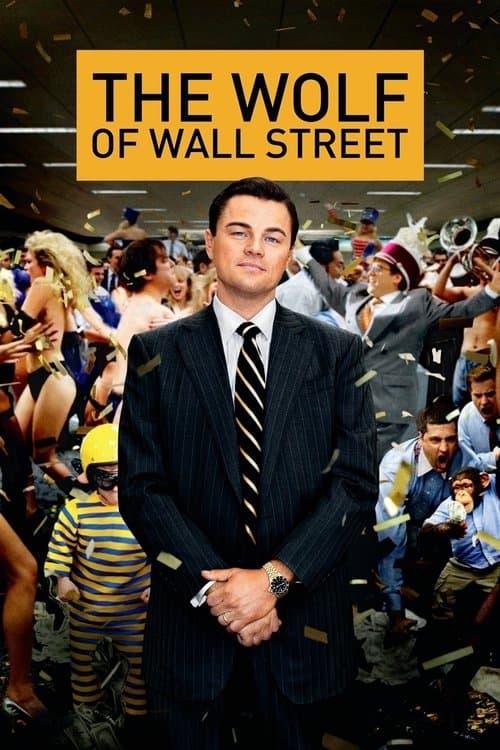
Jordan Belfort rises from a Long Island stockbroker to the founder of a corrupt investment firm, spending a decade in a pharmaceutical and financial frenzy before his inevitable collapse. Scorsese's three-hour act of moral seduction deliberately makes the audience enjoy the excess it should condemn.
The Wolf of Wall Street
Martin Scorsese · 2013
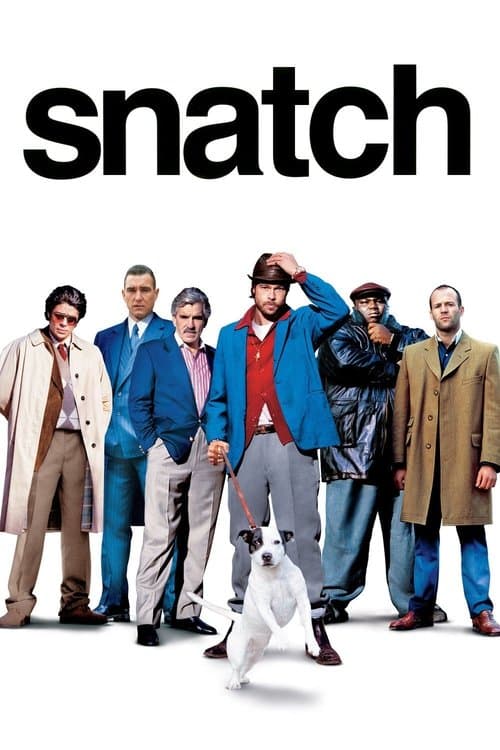
A stolen diamond passes through London's criminal underworld — through bare-knuckle boxing promoters, incompetent thieves, a gypsy fighter, and a psychotic gangster — in a film that manages to make elaborate coincidence feel inevitable.
Snatch
Guy Ritchie · 2000
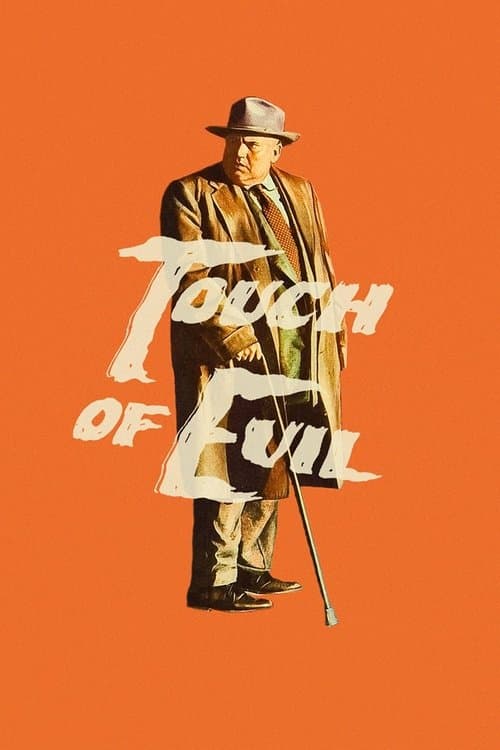
A Mexican narcotics detective and his American wife become entangled with a corrupt Texas police captain on both sides of the border after a car bombing. Welles' baroque masterpiece opens with cinema's most famous tracking shot.
Touch of Evil
Orson Welles · 1958