Cinematography technique · used in 2 films

Frozen Time Camera Effects

Using camera arrays or special effects to freeze or slow a moment while the viewpoint keeps moving. The pause lets you study an instant that normally passes too fast to see.

Examples

2 films that use it

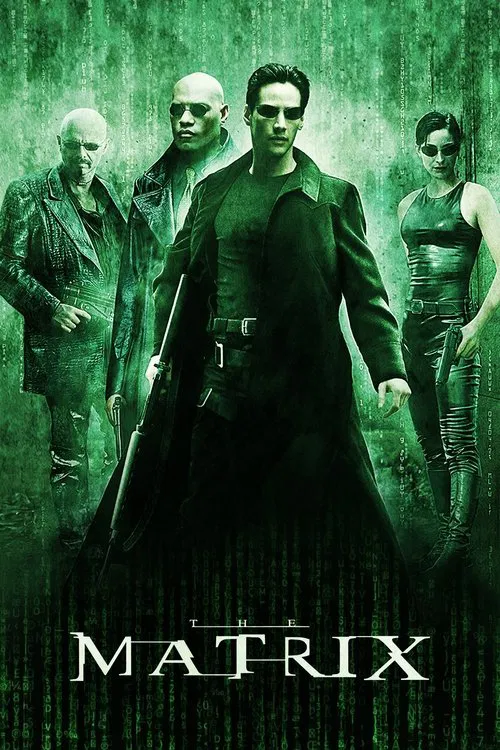
  1. The Matrix (1999) poster

    The Matrix

    Lana Wachowski, Lilly Wachowski · 1999

    Visual effects supervisor John Gaeta developed bullet time for the film's action sequences. He surrounded subjects with up to 120 still cameras and filled in the gaps between their frames. The technique lets you see the Matrix's simulation physics (reality's rules are different here). Its influence on action filmmaking was immediate and global.

    Where to see it: Neo dodging bullets on the rooftop. It's the film's most famous bullet time shot, and it defines the film's visual identity. The first bullet time moment comes earlier, when Trinity freezes in midair during her kick in the opening scene.
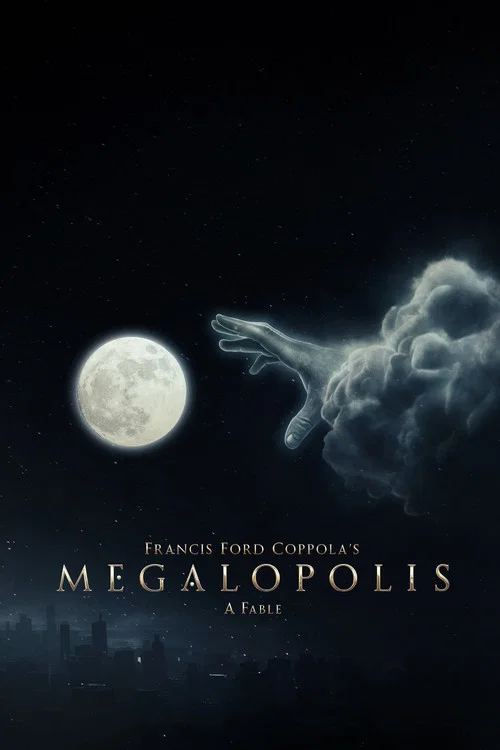
  2. Megalopolis (2024) poster

    Megalopolis

    Francis Ford Coppola · 2024

    Cesar can stop time, and the film shows it as a real freeze of the world around him. Later, he and Julia discover they can stop it together. The power shows how he sees himself, as a man who gets to hold the world still while he thinks.

    Where to see it: The opening: Cesar steps out onto a ledge high on the Chrysler Building, calls for time to stop and the world freezes.

Questions

Quick answers

What is frozen time camera effects in film?
Using camera arrays or special effects to freeze or slow a moment while the viewpoint keeps moving. The pause lets you study an instant that normally passes too fast to see.
Which films use frozen time camera effects?
The Matrix (1999), Megalopolis (2024).
What kind of technique is frozen time camera effects?
It is a cinematography technique. Related cinematography techniques include Period Color Separation, Wire Work Action Choreography.