Science Fiction · Drama

Megalopolis

Francis Ford Coppola, 2024

An architect who can stop time wants to rebuild a ruined city as a utopia, and the mayor and the rich families of an alternate America push back. Coppola retells ancient Roman politics in a modern city. Watch how the film borrows old-style epic music and a time-freeze effect to make its big ideas feel physical.

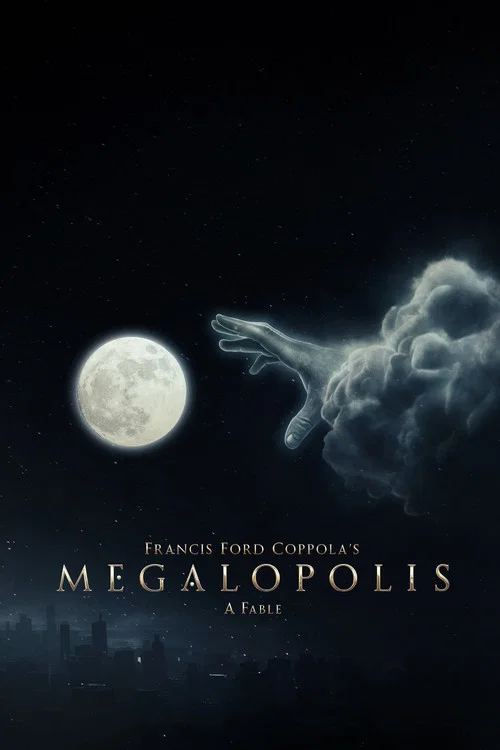
Megalopolis (2024) poster

At a glance

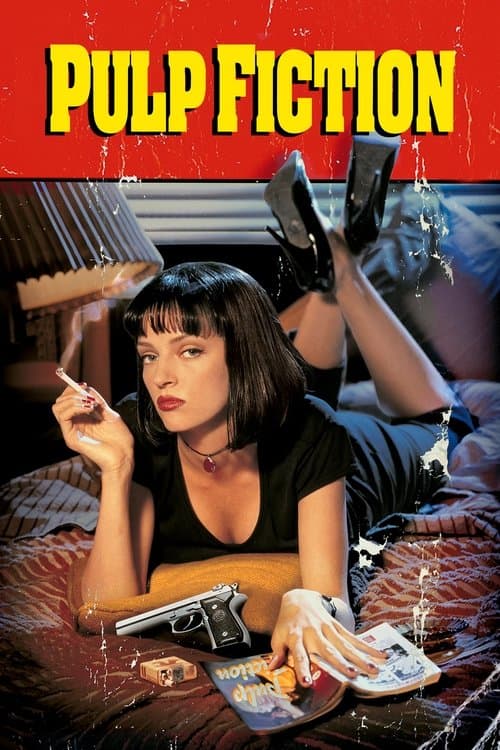
Megalopolis is a 2024 science fiction and drama film directed by Francis Ford Coppola. This breakdown covers 5 techniques (3 narrative, 1 cinematography and 1 sound), each with the scene where you can see it. If you like how it is made, Pulp Fiction uses several of the same techniques.

Narrative

Secondary World Construction

Building a fictional world with its own consistent rules, history, culture and visual detail. It feels like the world keeps going beyond what you see on screen.

How this film uses it

The film invents an alternate United States called New Rome, ruled by patrician families, with its own miracle material called Megalon. A Soviet satellite named Carthage crashes into the city. All of it follows its own rules, so the place feels like it has a history beyond the plot.

Where to see it

New Rome setup: the film opens on a city of rich patrician families and poor ordinary Romans, where architect Cesar Catilina has won a Nobel Prize for inventing Megalon.
Narrative

Genre Collage

Mixing several genres in 1 film, such as crime, romance, horror and absurd comedy. The clash between them keeps you from settling into a single way of watching.

How this film uses it

Roman-style political scheming, science fiction, a love story and a pop-star wedding spectacle all share the same story. The mix keeps shifting what kind of film you are watching. That makes it hard to relax into any one set of expectations.

Where to see it

Crassus's wedding reception: the world's richest man marries Wow Platinum at a lavish party with pop star Vesta Sweetwater, in the middle of a story about building a utopia.

Narrative

Myth Retold in Modern Setting

Mapping an ancient myth, epic or historical event onto a contemporary or invented setting, so the old pattern gives the new story weight and inevitability.

How this film uses it

The main characters are Cesar Catilina, Mayor Franklyn Cicero, the rich Crassus and the agitator Clodio Pulcher. Those names echo real figures from the last years of the Roman Republic. If you know that history, you can watch the fight over the city as an old power struggle in new clothes.

Where to see it

The televised debate: Cesar proposes the utopian city Megalopolis while Mayor Cicero argues for building a casino.

Cinematography

Frozen Time Camera Effects

Using camera arrays or special effects to freeze or slow a moment while the viewpoint keeps moving. The pause lets you study an instant that normally passes too fast to see.

How this film uses it

Cesar can stop time, and the film shows it as a real freeze of the world around him. Later, he and Julia discover they can stop it together. The power shows how he sees himself, as a man who gets to hold the world still while he thinks.

Where to see it

The opening: Cesar steps out onto a ledge high on the Chrysler Building, calls for time to stop and the world freezes.

Sound

Pastiche Score

Writing music that imitates an older style, such as the lush themes of classic romances. The familiar sound sets up an ironic or uneasy contrast with what you see.

How this film uses it

Composer Osvaldo Golijov wrote a Roman suite inspired by the old Ben-Hur score, and a love theme in the style of a Tchaikovsky romance. The brass and drums tell you this is meant to be a grand epic before anyone speaks. It also sets up the film's argument that a modern city is a Roman one.

Where to see it

The opening: the score starts with drums and booming brass in the manner of a Roman epic as the film sets up New Rome.

Questions

Megalopolis: quick answers

What filmmaking techniques does Megalopolis use?
CineCode breaks down 5 techniques in Megalopolis (2024): Secondary World Construction, Genre Collage, Myth Retold in Modern Setting, Frozen Time Camera Effects and Pastiche Score.
Who directed Megalopolis?
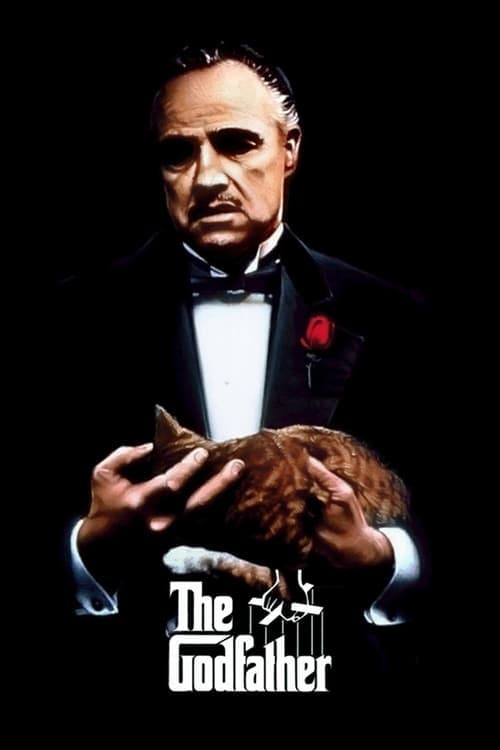
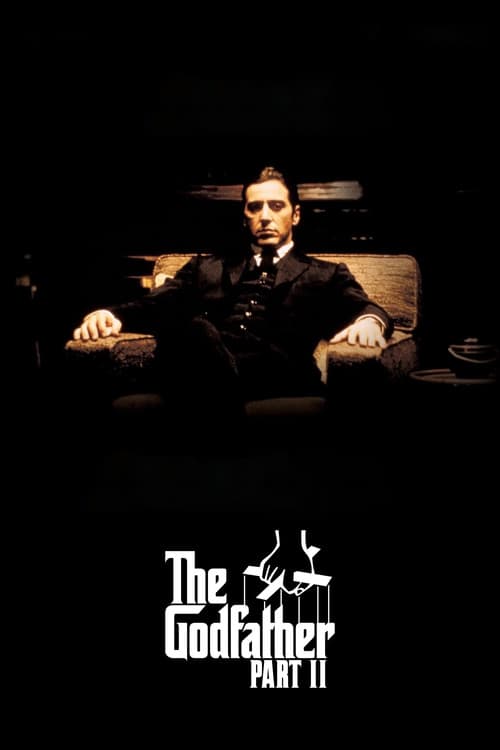
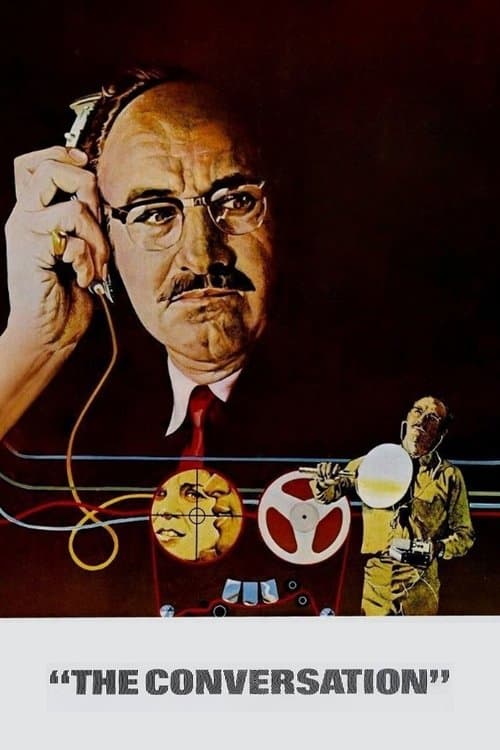
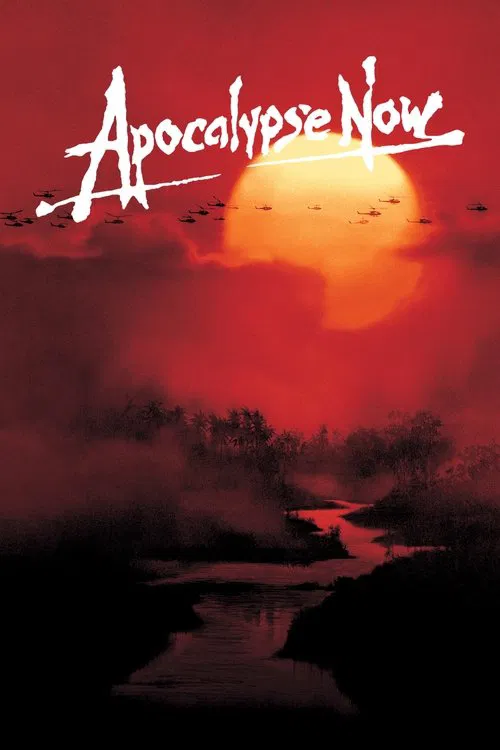
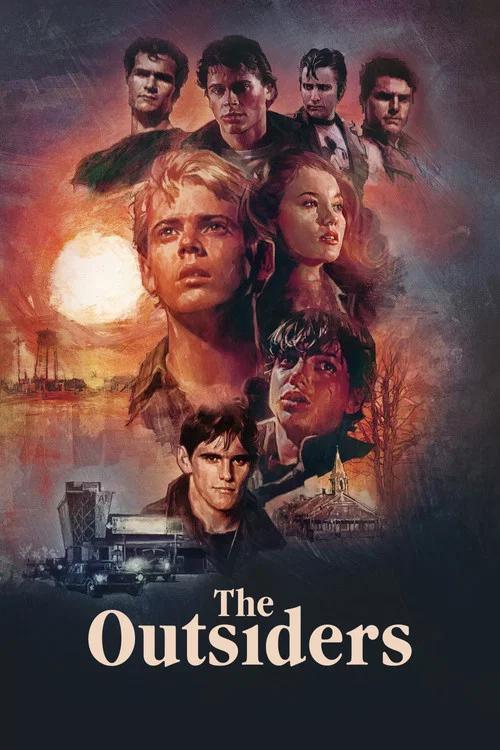
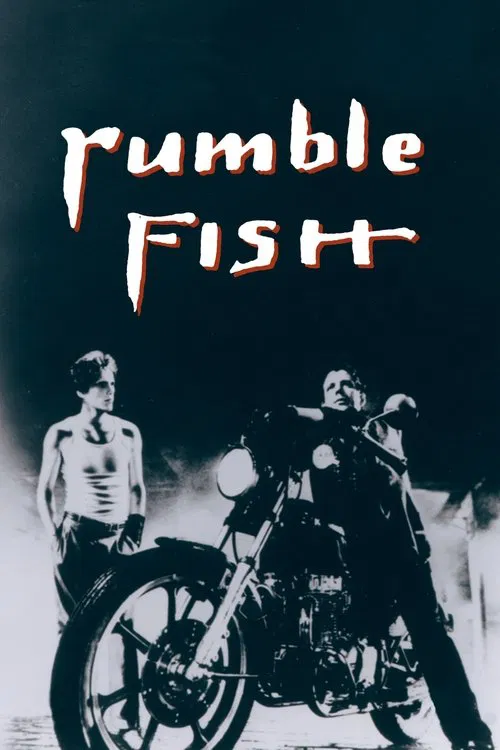
Francis Ford Coppola directed Megalopolis, released in 2024. CineCode also covers The Godfather (1972), The Godfather Part II (1974), The Conversation (1974), Apocalypse Now (1979), The Outsiders (1983), Rumble Fish (1983).
What films are similar to Megalopolis?
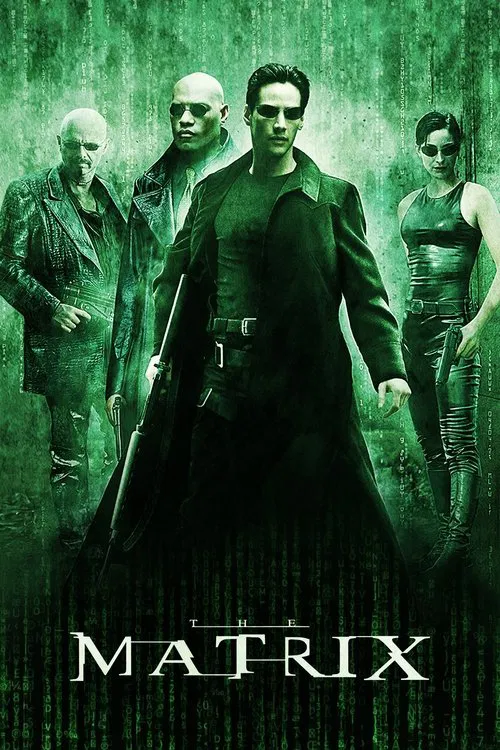
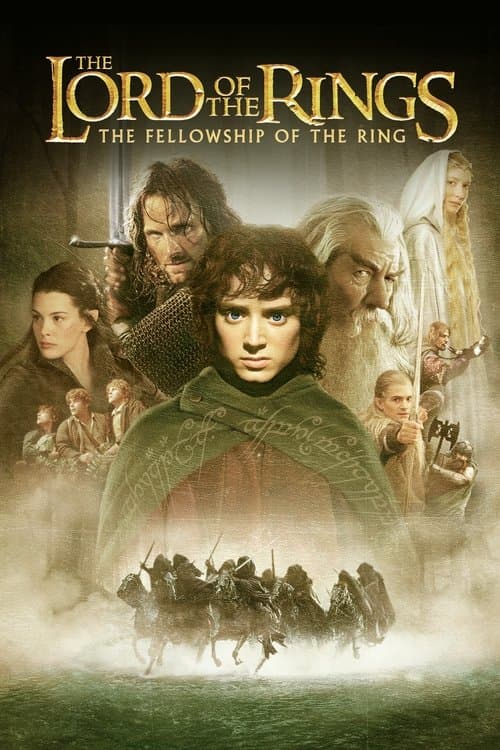
Films that share techniques with Megalopolis include Pulp Fiction (1994), The Lord of the Rings: The Fellowship of the Ring (2001), The Matrix (1999), Inglourious Basterds (2009).