Cinematography technique · used in 2 films

Lens Compression Staging

Using long telephoto lenses to flatten depth so distant things stack up and space feels squeezed, crowding faces or terrain and raising pressure as the scene builds.

Examples

2 films that use it

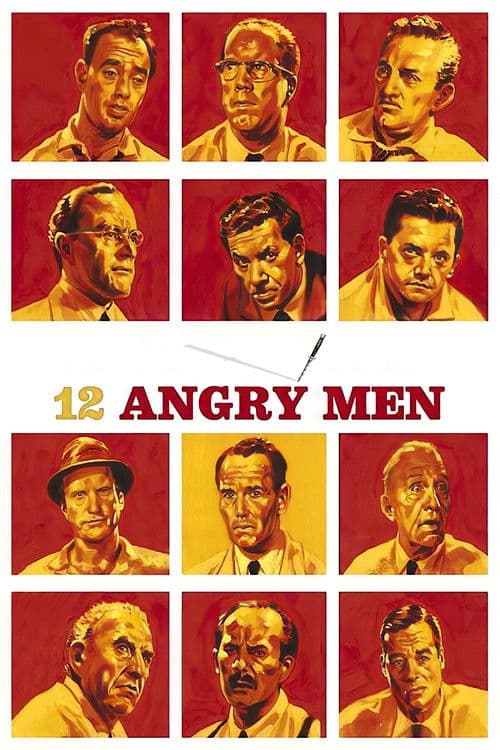
  1. 12 Angry Men (1957) poster

    12 Angry Men

    Sidney Lumet · 1957

    Lumet and cinematographer Boris Kaufman started with wide-angle lenses, which made the room feel spacious and neutral. They moved step by step to longer lenses, which flatten the space and isolate faces. By the climax, the room feels physically smaller than it did at the start.

    Where to see it: The late close-up confrontations between Fonda and Lee J. Cobb. The room seems to shrink around them.

  2. One Battle After Another (2025) poster

    One Battle After Another

    Paul Thomas Anderson · 2025

    The final chase was shot on a desert road full of steep rises and dips. Cinematographer Michael Bauman used long lenses, which squash the road so the hills seem to pile on top of each other. In one shot, you look down the road and see Willa's car, then Tim's, then finally Bob's. The ride feels rough and exposed, the way it does for Willa.

    Where to see it: The "river of hills" chase. Willa drives through the desert with Tim behind her and Bob behind him, and she ends it by luring Tim into a crash at a blind summit.

Questions

Quick answers

What is lens compression staging in film?
Using long telephoto lenses to flatten depth so distant things stack up and space feels squeezed, crowding faces or terrain and raising pressure as the scene builds.
Which films use lens compression staging?
12 Angry Men (1957), One Battle After Another (2025).
What kind of technique is lens compression staging?
It is a cinematography technique. Related cinematography techniques include Heat as Psychological Pressure, Real Locations as Character.