Narrative technique · used in 17 films

Ensemble Characterization Without Backstory

Introducing a large cast only through what they say and do in the present. There are no flashbacks or explained histories, yet each character feels distinct.

Examples

17 films that use it

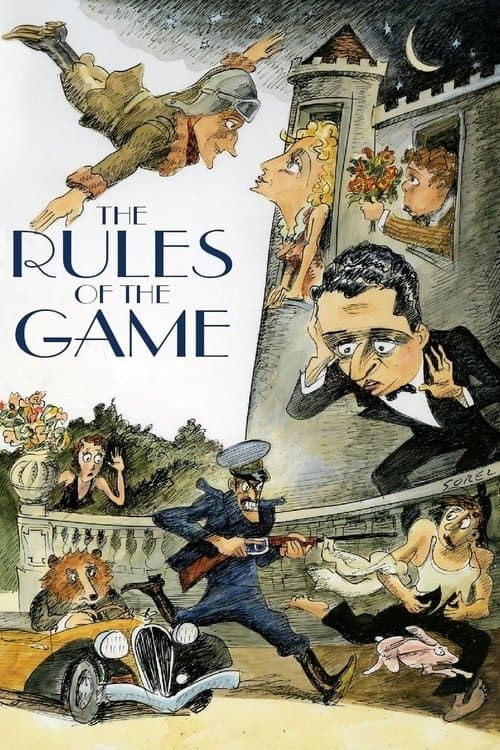
  1. The Rules of the Game (1939) poster

    The Rules of the Game

    Jean Renoir · 1939

    Renoir fills the film with around 12 distinct personalities, including aristocrats, servants, lovers and buffoons. You get to know each one fully through action alone. No scene stops to explain them.

    Where to see it: The opening arrival scene at the château. The whole social ladder is set up through how people move and where they stand.
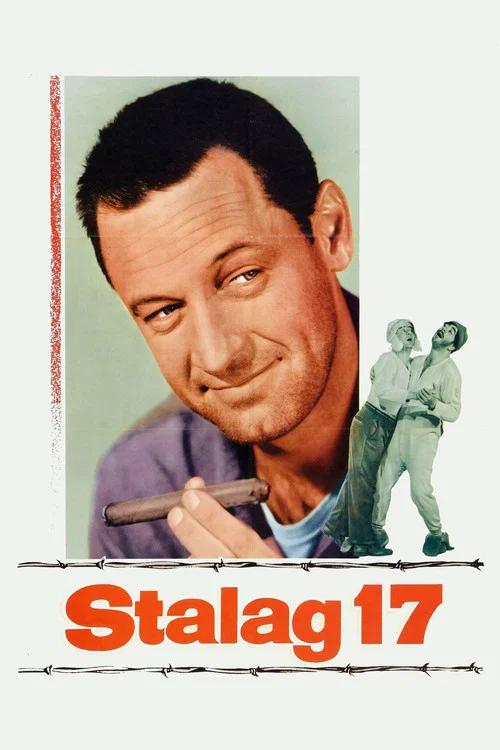
  2. Stalag 17 (1953) poster

    Stalag 17

    Billy Wilder · 1953

    A large barracks of men comes alive through what they do. Sefton trades, Animal and Shapiro clown, Hoffy leads and Price handles security. The film never stops for flashbacks, yet each man is easy to tell apart.

    Where to see it: The failed escape: The men of Barracks 4 arrange an escape for Manfredi and Johnson. Both are shot dead, and the barracks decides there must be an informant.

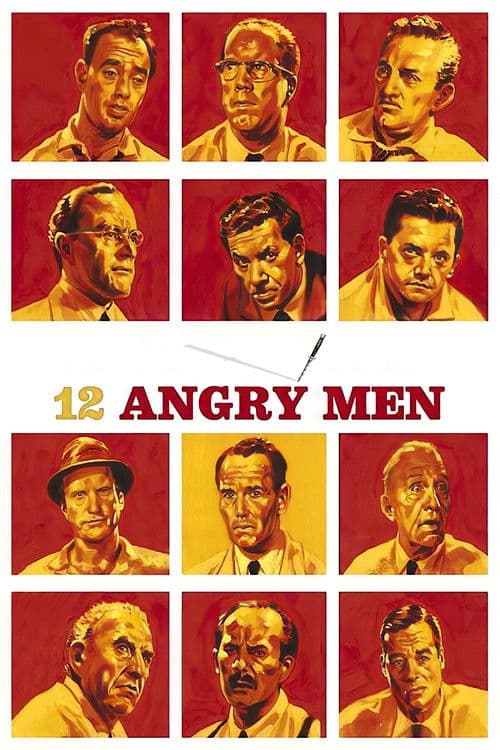
  3. 12 Angry Men (1957) poster

    12 Angry Men

    Sidney Lumet · 1957

    You never learn most of the jurors' names. You find out who they are (the architect, the bigot, the advertising man, the old man, the watchmaker) entirely from how they argue, what they fear and what they're willing to do. A character here is the position he takes.

    Where to see it: Each juror's first vote and the reason he gives for it. Within minutes, the film has set up its full range of characters.

  4. M*A*S*H (1970) poster

    M*A*S*H

    Robert Altman · 1970

    You learn who Radar, Frank, Father Mulcahy and Henry Blake are by watching what they do in one camp. Nobody gets a flashback or a speech about their past. Each character feels sharp because of how they act around the others.

    Where to see it: The camp introductions: Hawkeye and Duke arrive in a stolen jeep and meet the bumbling commander Henry Blake. The clerk Radar and the pompous surgeon Frank Burns come into the story soon after.

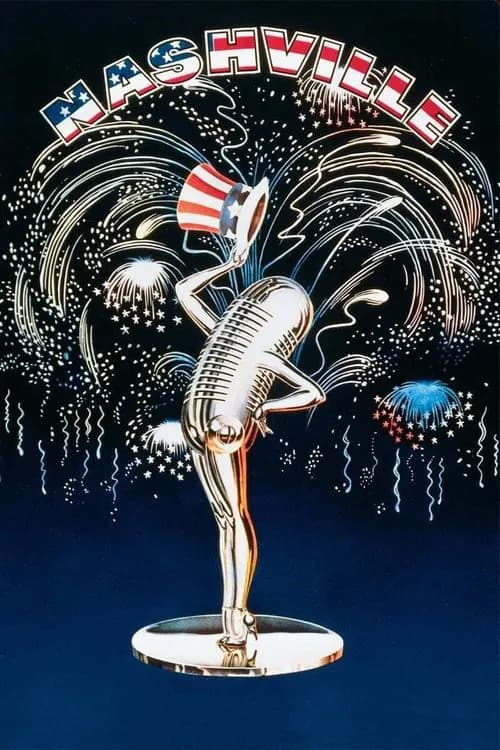
  5. Nashville (1975) poster

    Nashville

    Robert Altman · 1975

    Altman introduces 24 characters and explains nothing about any of them. You only know each one by what they do right now, so you piece together their histories from how they behave. It forces you to watch the surface closely and find the depth there.

    Where to see it: The airport arrival sequence. Several characters get introduced at the same time. You can read each one right away from gesture and costume, without a single line of explanatory dialogue.

  6. The Thing (1982) poster

    The Thing

    John Carpenter · 1982

    You learn almost nothing about where these 12 men came from. You get to know them through how they talk, argue and react under pressure. That is enough to tell them apart, and it keeps the focus on who you can trust right now.

    Where to see it: MacReady's chess game. Alone in his shack, MacReady loses to a chess computer and pours his drink into its circuits.

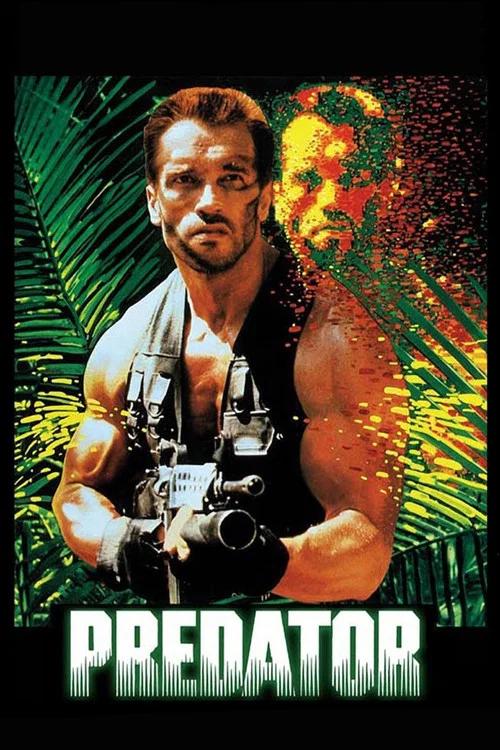
  7. Predator (1987) poster

    Predator

    John McTiernan · 1987

    The soldiers are defined by how they speak, joke and fight. A tough greeting handshake, chewing tobacco and constant teasing tell you who each one is, and there are no flashbacks.

    Where to see it: The greeting: Dutch and Dillon grab each other's arms in a muscle-flexing handshake. It shows their old Vietnam War bond without any explanation.

  8. Dazed and Confused (1993) poster

    Dazed and Confused

    Richard Linklater · 1993

    The film follows dozens of students and you never get a flashback for any of them. You learn who they are from what they do tonight, from Pink to Mitch to the intellectual trio of Cynthia, Tony and Mike. Each one feels distinct anyway.

    Where to see it: The Emporium pool hall: Pink, Wooderson and Mitch gather there as students loiter, listen to rock music and plan the night.

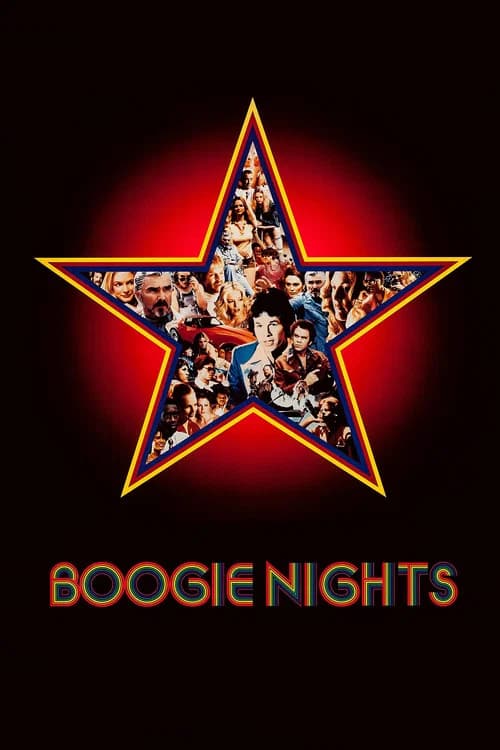
  9. Boogie Nights (1997) poster

    Boogie Nights

    Paul Thomas Anderson · 1997

    Anderson introduces a dozen significant characters (Rollergirl, Reed Rothchild, Little Bill, Amber Waves, etc.) and gives none of them a backstory. You know each one only by what they do in the present, in the San Fernando Valley. The community is built entirely out of behavior, with no history behind it.

    Where to see it: The pool party. The whole ensemble is there. Nobody gets introduced, and relationships are set up through behavior and glances. You can see how the community is organized from how people move around each other.

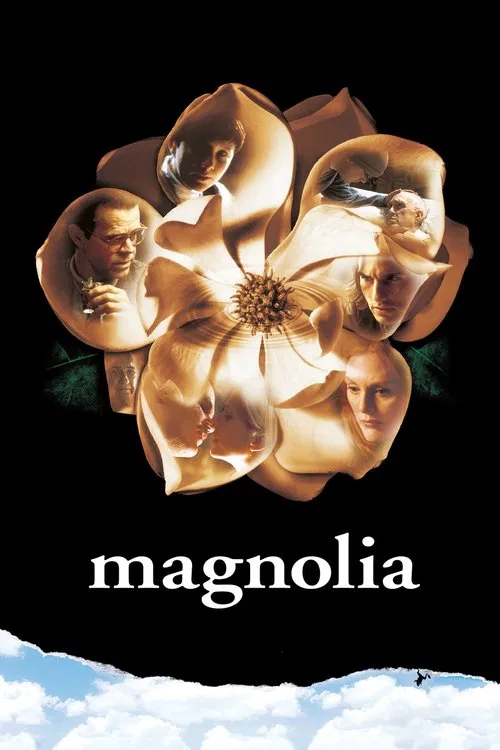
  10. Magnolia (1999) poster

    Magnolia

    Paul Thomas Anderson · 1999

    Each of the 9 main characters arrives in the middle of a crisis: Earl is already dying, Frank is already successful, Phil is already desperate. You work out their pasts from the state they are in now.

    Where to see it: The opening sequence. It introduces 6 storylines in 15 minutes, and no character gets a scene explaining where they came from.

  11. Snatch (2000) poster

    Snatch

    Guy Ritchie · 2000

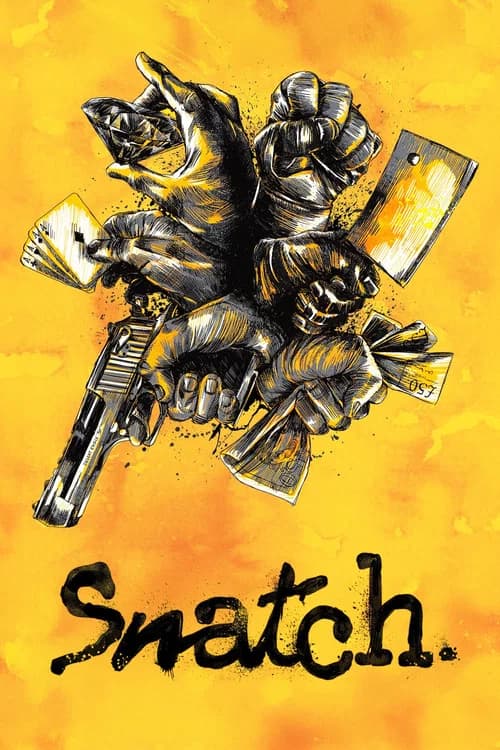
    A dozen criminal characters enter the film in quick succession. Each one is defined right away by what they want and how they speak. Turkish, Brick Top, Boris and Cousin Avi get no backstory. You can read every one of them from their first scene, because this world is defined by behavior.

    Where to see it: The rapid character introductions in the first 20 minutes. Each new criminal faction is set up in a brief, defining scene.

  12. Gosford Park (2001) poster

    Gosford Park

    Robert Altman · 2001

    Altman introduces 30 significant characters across 2 floors and explains none of them. You know each one by their social role, their relationship to other characters and what they do in the present, during the house party. The mystery plot is there mainly as a way to reveal character.

    Where to see it: The arrival sequence. A stream of cars drops off guests, servants greet them and names are spoken but not explained. You pick up the relationships from the social routine of the house party, and nobody states them.

  13. Black Hawk Down (2001) poster

    Black Hawk Down

    Ridley Scott · 2001

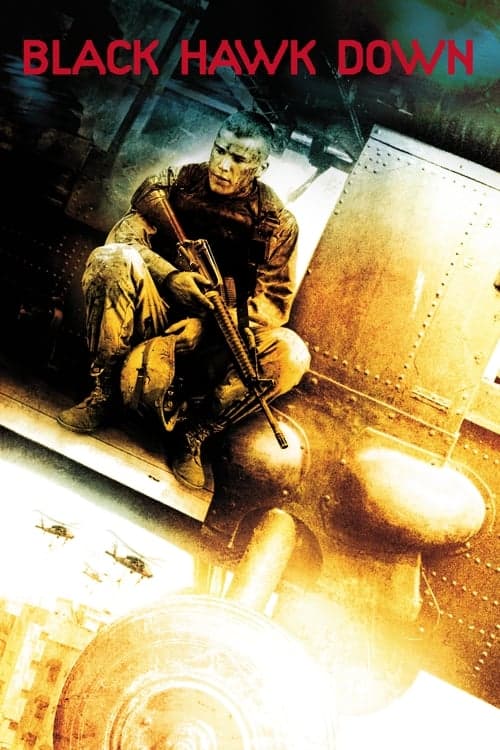
    Scott introduces dozens of soldiers in the opening sequences and gives none of them a backstory. You get to know each man purely by how he behaves under fire. The film trusts that behavior in combat tells you who someone is in a way a civilian life story can't.

    Where to see it: The briefing sequence. You pick up names and faces from how the soldiers talk to each other. You learn who they are by watching them prepare for an operation they don't fully understand.

  14. Everybody Wants Some!! (2016) poster

    Everybody Wants Some!!

    Richard Linklater · 2016

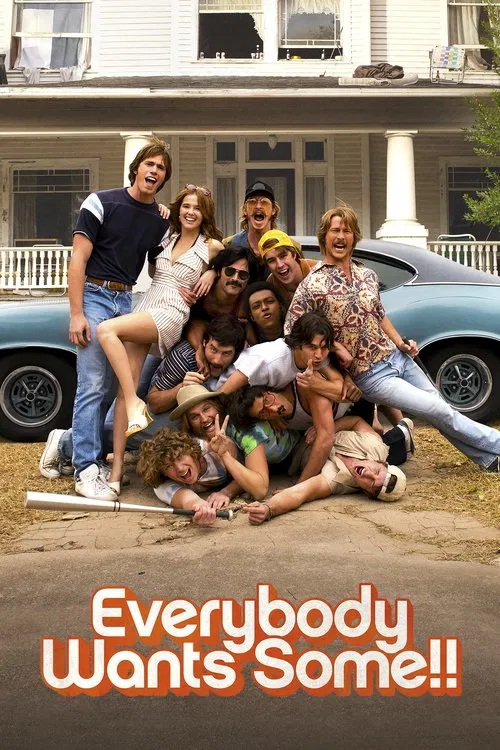
    The film introduces a house full of ballplayers, including Finnegan, Roper, Dale, Plummer and Beuter, and never explains where any of them came from. You get each one from how they talk and what they try on a given night. By the end you know them anyway.

    Where to see it: The team meeting: The coach introduces the new players and sets two rules, no alcohol in the house and no women upstairs.

  15. Knives Out (2019) poster

    Knives Out

    Rian Johnson · 2019

    The Thrombey family is a large ensemble, each with a distinct personality, agenda and style of comedy. You learn who they are only from how they behave during the investigation. Johnson gives you no flashbacks and no long speeches explaining anyone's past. Each character shows you who they are by what they do under pressure, and I feel like the film is saying that's how you get to know anyone.

    Where to see it: The family interview sequence. Each Thrombey gives their version of events, and the way they tell it shows you who they are. No backstory is needed.

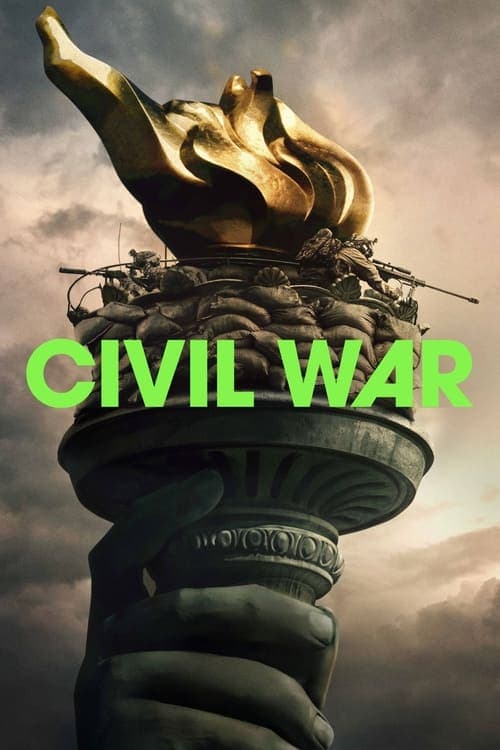
  16. Civil War (2024) poster

    Civil War

    Alex Garland · 2024

    Garland never explains the political causes of the war, the journalists' histories or what the factions believe. You know the characters only by what they do in the moments you witness. The context never comes.

    Where to see it: The exchange with the soldier who asks 'What kind of American are you?'. The film leaves the political question unanswered and stays on the human one.

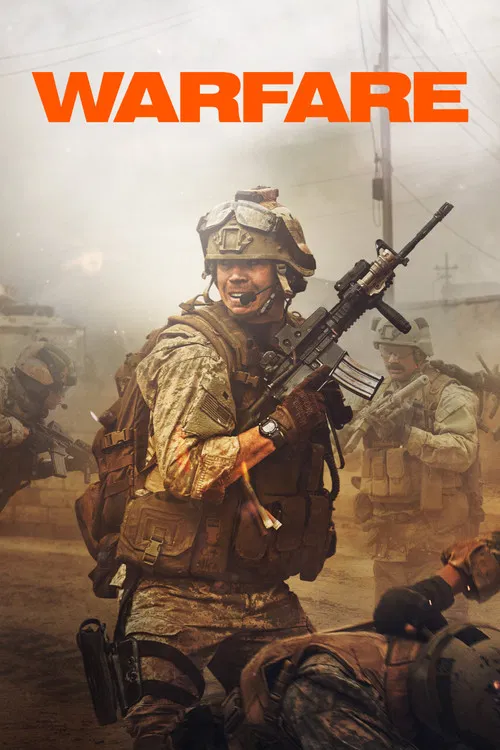
  17. Warfare (2025) poster

    Warfare

    Alex Garland, Ray Mendoza · 2025

    You learn almost nothing about these men's lives back home. They're defined by their jobs in the house: the radio operator, the sniper, the officer in charge. You know them by how they act under fire, which is exactly what the film cares about.

    Where to see it: The overwatch. Elliott and Frank watch the market through their rifle scopes while Ray handles the radio, and the team settles into its roles.

Questions

Quick answers

What is ensemble characterization without backstory in film?
Introducing a large cast only through what they say and do in the present. There are no flashbacks or explained histories, yet each character feels distinct.
Which films use ensemble characterization without backstory?
The Rules of the Game (1939), Stalag 17 (1953), 12 Angry Men (1957), M*A*S*H (1970), Nashville (1975), The Thing (1982) and 11 more films in the CineCode library.
What kind of technique is ensemble characterization without backstory?
It is a narrative technique. Related narrative techniques include The Party as Transgression, Unity of Place and Time, Dramatic Irony.