Light and depth
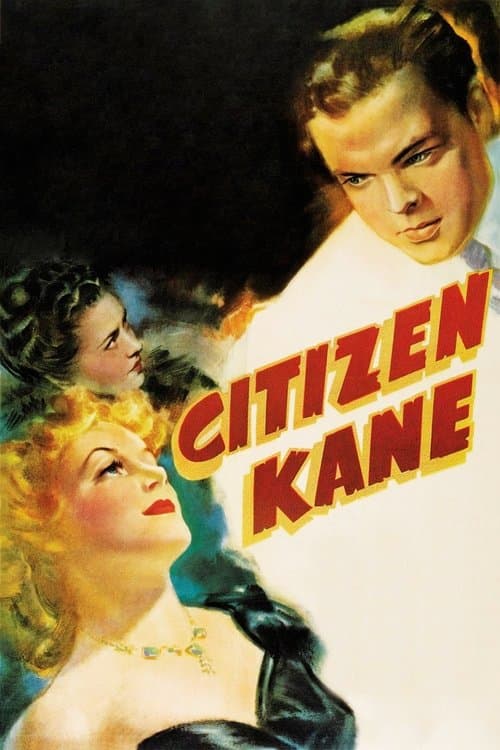
Citizen Kane (1941) is the classic lesson in deep focus, where things close to the camera and far from it are sharp at the same time. You can see ceilings over the characters and lamps inside the frame. Kane is shot again and again from low angles with darkness around him. During his speech to the crowd, he looms in front of a giant portrait of himself.
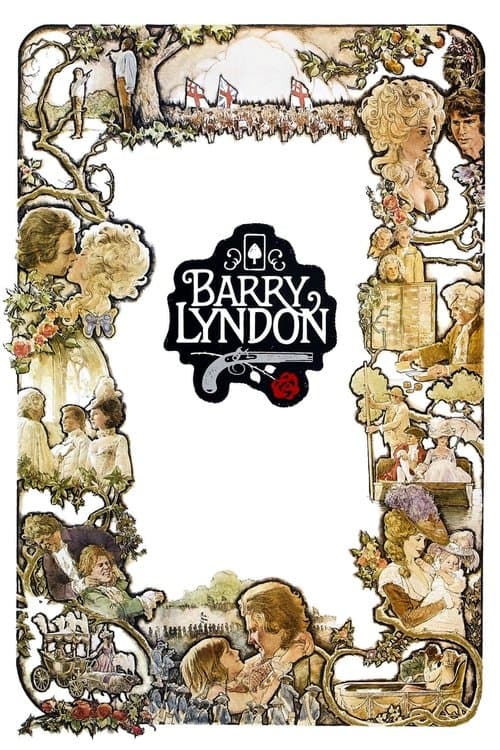
Barry Lyndon (1975) is the lesson in available light. Kubrick used a specially developed NASA lens so he could shoot interiors by real candlelight. The warm orange glow and soft shadows make those rooms look like 18th-century oil paintings, because they're lit the way rooms of that time actually were.
Symmetry and framing
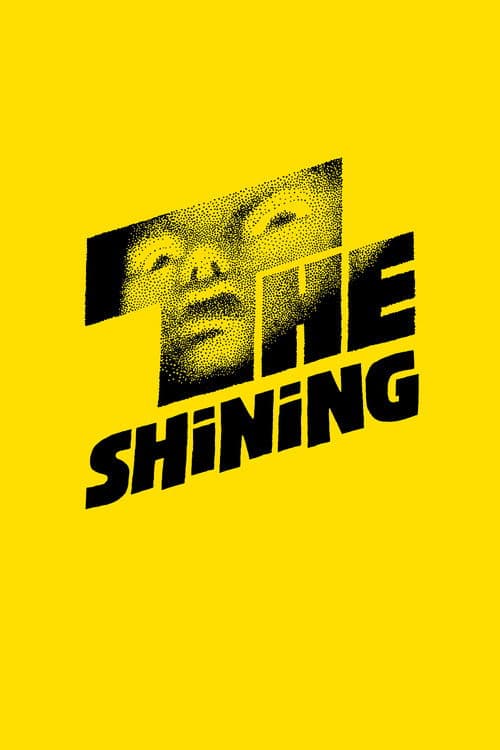
The Shining (1980) centers almost everything. Hotel corridors run straight to a point in the middle of the frame, and the hedge maze gets an overhead shot. The symmetry makes the Overlook look beautiful and wrong at once. Kubrick also used a Steadicam to glide right behind Danny at child height while he rides his tricycle, and that smooth movement feels like something hunting him.
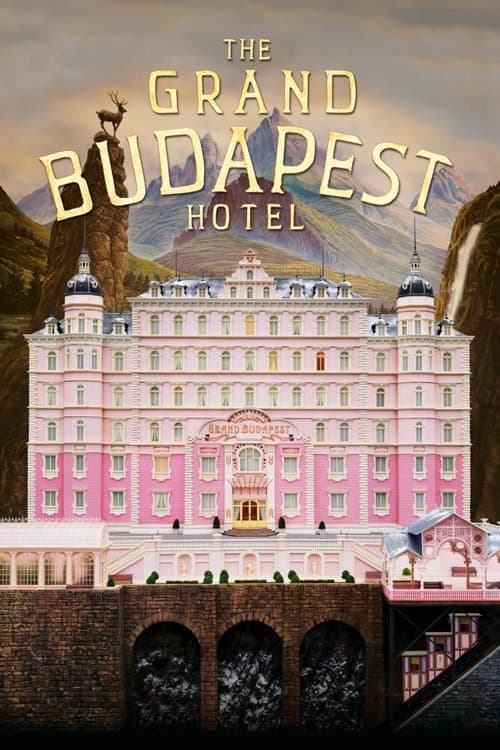
The Grand Budapest Hotel (2014) uses the same centered framing, so every room turns into a little stage. It also changes the shape of the frame for each time period. The 1930s story is in the boxy 1.37:1 ratio, the 1960s are in 2.35:1 widescreen and the later sections are 1.85:1, each matching a cinema format from its era.
What lenses do to a room
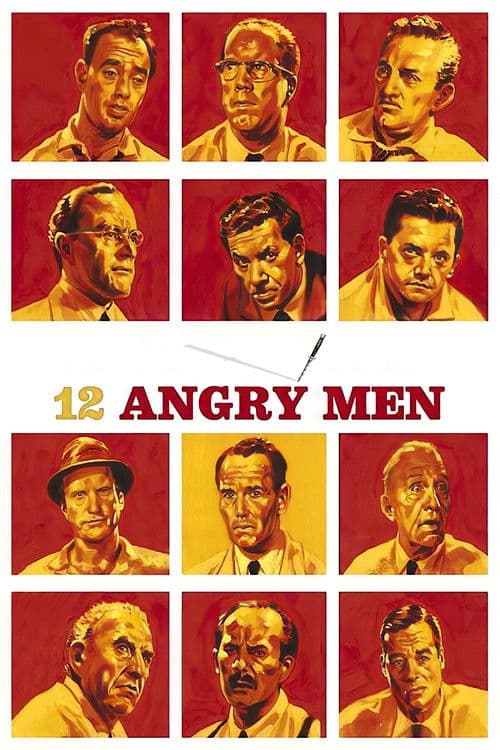
12 Angry Men (1957) takes place almost entirely in one jury room, so the lenses do a lot of the storytelling. Lumet starts with wide-angle lenses that make the room feel open and neutral. As the argument heats up, he moves step by step to longer lenses that flatten the space and isolate faces. By the late close-ups between Fonda and Lee J. Cobb, the room feels smaller than it did at the start.
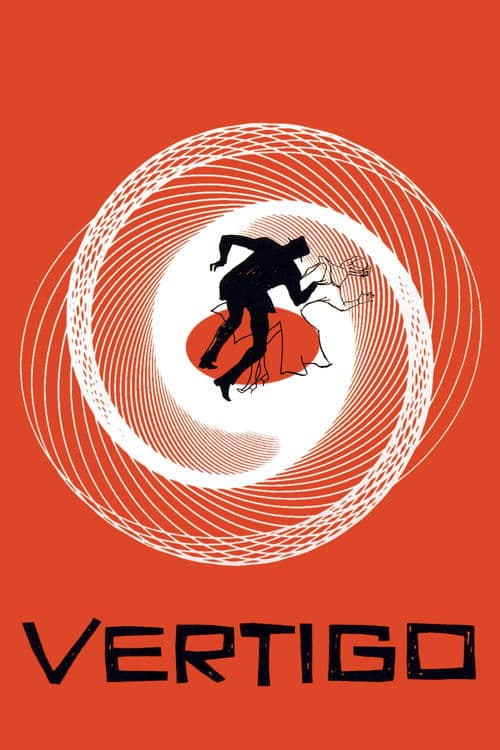
Vertigo (1958) is where the dolly zoom was devised. The camera moves one way while the lens zooms the other, so the background seems to stretch while the subject holds still. When Scottie looks down the bell tower stairwell, you feel his vertigo in your own stomach.
Scale and landscape
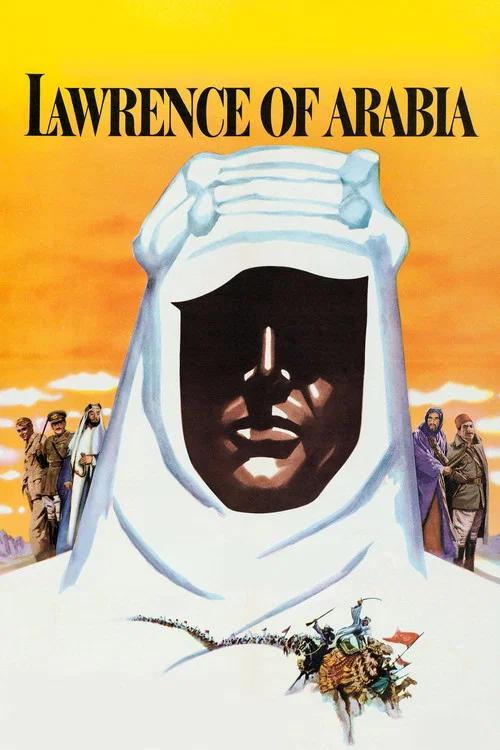
Lawrence of Arabia (1962) keeps putting Lawrence in frames where the desert takes up 90 percent of the image. It was shot in Super Panavision 70mm, a very wide format, and the format was chosen for exactly this. In the mirage sequence, a figure approaches through the heat shimmer, and the desert holds the screen for a long time before the person gets close. You come away feeling the landscape is the real subject.
Shutter and movement
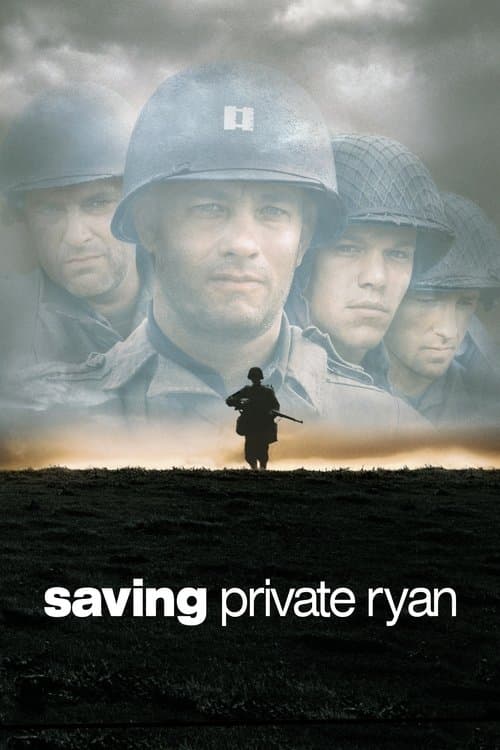
Saving Private Ryan (1998) is the easiest place to see what the shutter angle does. The standard setting is 180 degrees. For the Omaha Beach landing, the camera used 45 and sometimes 90 degrees, which cuts down the motion blur in each frame. Men running and falling get a sharp, stuttering look, like old combat footage that can barely keep up.
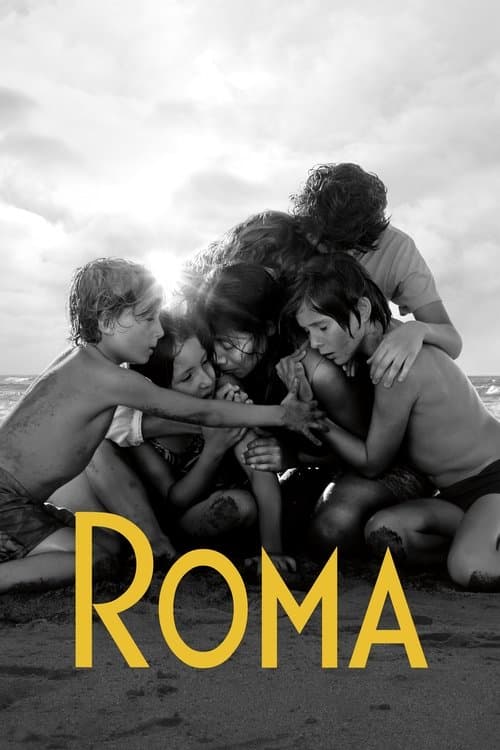
Roma (2018) moves slowly and wide. The camera sweeps across rooms and streets in long arcs, often without cutting, and the wide lens keeps Cleo and the family at the same distance in the same shot. At the New Year's Eve party, one pan crosses every social level in the room.
Color as a map
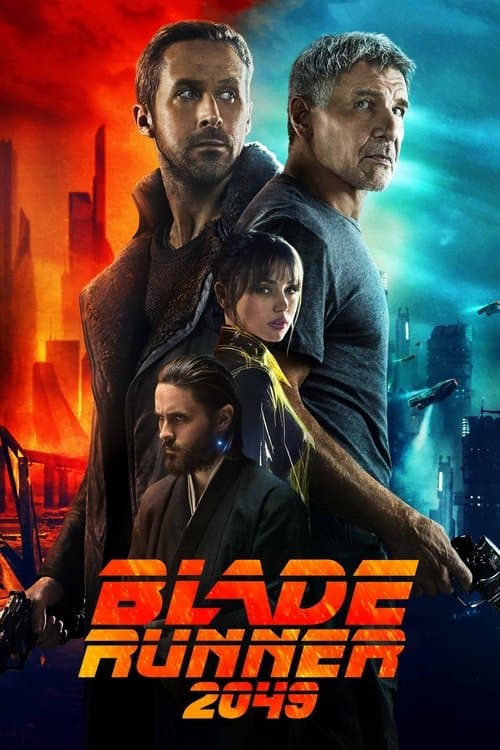
Blade Runner 2049 (2017) gives each place its own color. The protein farms are a bleak orange and police headquarters is cold blue. The ruins of Las Vegas glow in pink neon and amber haze, and Wallace's compound is an empty white. You always know where you are. When K arrives in Las Vegas, the jump from rainy grey Los Angeles to orange wasteland tells you the tone has changed before anything happens.
How to use this when you watch
Pick one of these and watch a single scene 3 times. First look at the light, then at the lens and framing, and last at how the camera moves. You'll catch more on the third pass than on the first, and it gets you used to seeing the frame as a set of choices someone made.
More guides
- Film Noir Lighting Explained: 8 Films That Nail It
- How Directors Build Suspense: 8 Films That Show You How
- Unreliable Narrator Movies Explained: 9 Films That Fool You
- Non-Linear Movies Explained: 8 Films Told Out of Order
- Long Takes and Oners Explained: 9 Famous One-Shot Scenes
- How Color Tells the Story: 9 Films With Meaningful Palettes