Comparison · 3 shared techniques

A Streetcar Named Desire vs The Father

A Streetcar Named Desire (1951) and The Father (2020) share 3 techniques. Here is how each film uses them.

Shared

Same technique, two films

Unreliable Narrator

Telling the story through a character you can't trust, because they are lying, mentally unwell or fooling themselves. At some point, you have to rethink what you were told.

A Streetcar Named Desire

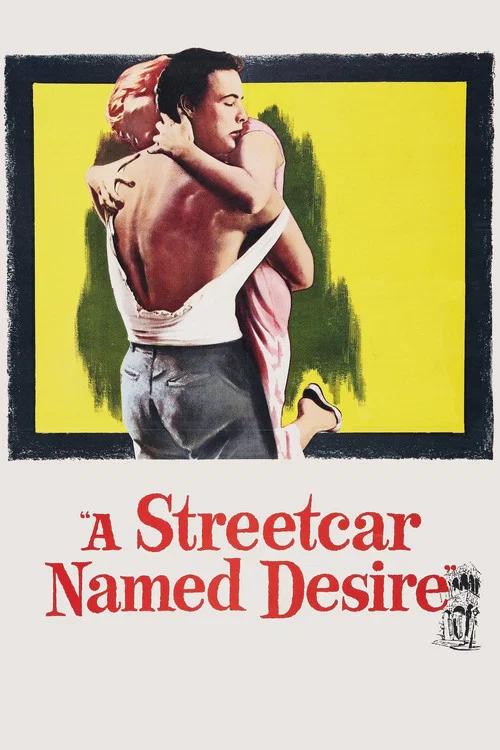
Blanche DuBois tells her own story in the film, and she is also its least reliable witness. She presents herself as a refined Southern lady fallen on hard times. She has built that version of herself and lives in it so completely that you have to work to separate what she says from what really happened. Kazan and Vivien Leigh give you a woman whose self-deception is her tragedy and also the only way she survives.

The Father

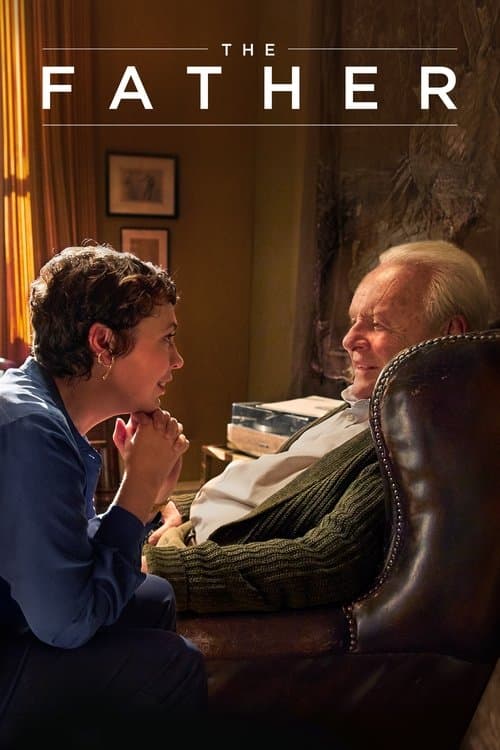
The whole film is filtered through Anthony's broken perception. Faces change between shots and conversations repeat with different people in them. You experience dementia from the inside and lose the outside view you would normally watch it from.

Spatial Contraction

Shrinking the space the characters have as the film goes on, from open places down to cramped hiding spots. The smaller their world gets, the more pressure you feel.

A Streetcar Named Desire

Harry Stradling shot the film in black and white, and the Kowalski apartment set was designed to look gradually smaller as the story went on. As Blanche's situation gets worse, the space feels more oppressive, with the walls seeming to close in. Through the way it is built and shot, the space itself turns into the trap Blanche can't escape.

The Father

The apartment gets less recognizable bit by bit. Paintings disappear, furniture changes position and rooms that existed are gone. That is, Anthony's world is shrinking as dementia strips the familiar out of it.

Deliberate Close-Up Performance

Holding a close-up on an actor's face long enough to catch tiny changes in expression. You read what the character is thinking from details a wider shot would miss.

A Streetcar Named Desire

Vivien Leigh pitches her performance for how close the camera gets. You see the slight tremor in her hands, the eyes that act calm and show terror at the same time, the smile that costs her more than it gets her. Kazan uses close-ups at the moments of greatest psychological stress. He trusts Leigh's face to do what dialogue and staging can't.

The Father

Anthony Hopkins's face is pretty much the whole film. Zeller stays on it through the confusion, the clear moments and the sudden childlike terror. Each tiny change of expression lets you see into a mind that is dissolving.

Different

Where they split

Only in A Streetcar Named Desire