Cinematography technique · used in 34 films

Deliberate Close-Up Performance

Holding a close-up on an actor's face long enough to catch tiny changes in expression. You read what the character is thinking from details a wider shot would miss.

Examples

34 films that use it

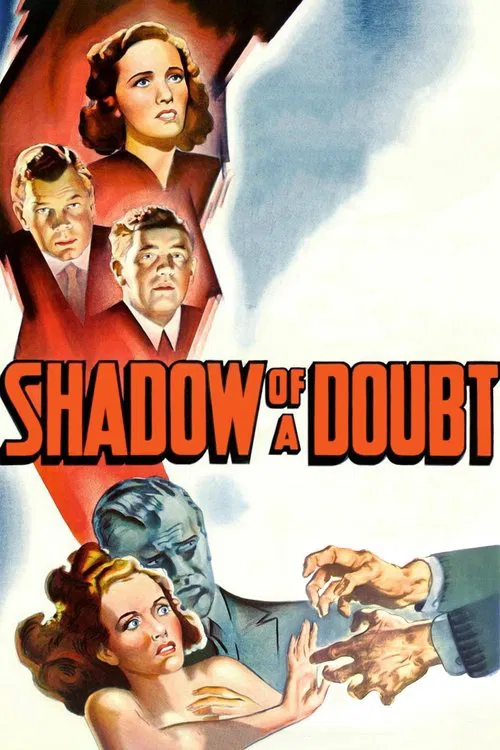
  1. Shadow of a Doubt (1943) poster

    Shadow of a Doubt

    Alfred Hitchcock · 1943

    Uncle Charlie gives a cold speech about rich widows at the family dinner table. The camera holds him in profile and creeps closer as he talks. When he turns to face it, you see the charm drop off his face completely.

    Where to see it: The dinner speech. Charlie objects that the widows are human beings. He turns into an extreme close-up and asks, "Are they, Charlie?"
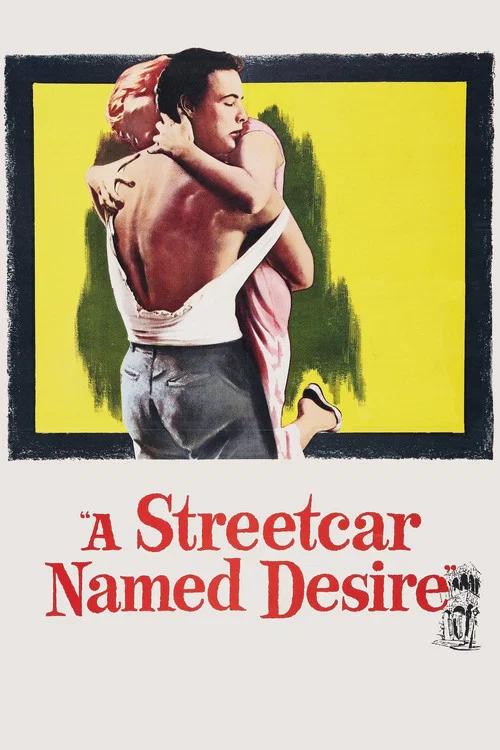
  2. A Streetcar Named Desire (1951) poster

    A Streetcar Named Desire

    Elia Kazan · 1951

    Vivien Leigh pitches her performance for how close the camera gets. You see the slight tremor in her hands, the eyes that act calm and show terror at the same time, the smile that costs her more than it gets her. Kazan uses close-ups at the moments of greatest psychological stress. He trusts Leigh's face to do what dialogue and staging can't.

    Where to see it: Blanche's final breakdown. The close-ups catch the collapse of the act she has been keeping up. Her face shows what the character can't admit.

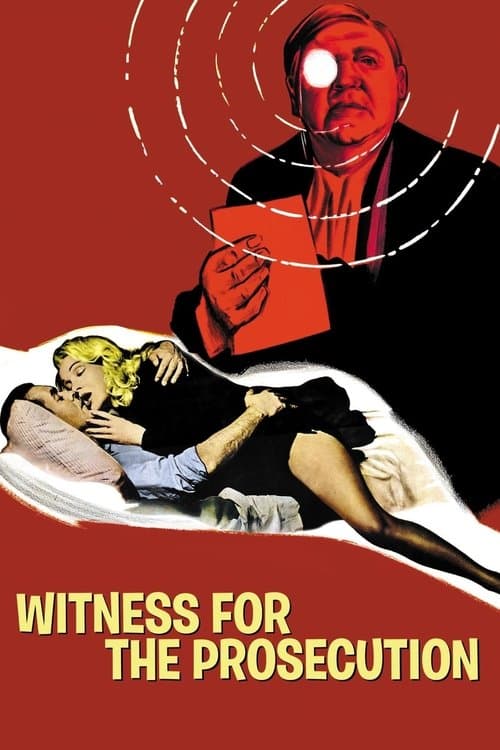
  3. Witness for the Prosecution (1957) poster

    Witness for the Prosecution

    Billy Wilder · 1957

    During the cross-examination, the camera holds on Marlene Dietrich's face in long close-ups. You can see her calculating, showing contempt and putting on an act all at once. The close-up makes you keep asking what Christine is really thinking, and that becomes the main puzzle you look at in the film.

    Where to see it: Christine on the witness stand. Her face is in close-up during Sir Wilfrid's most aggressive questioning. If you watch her eyes, you can see an act inside the act.

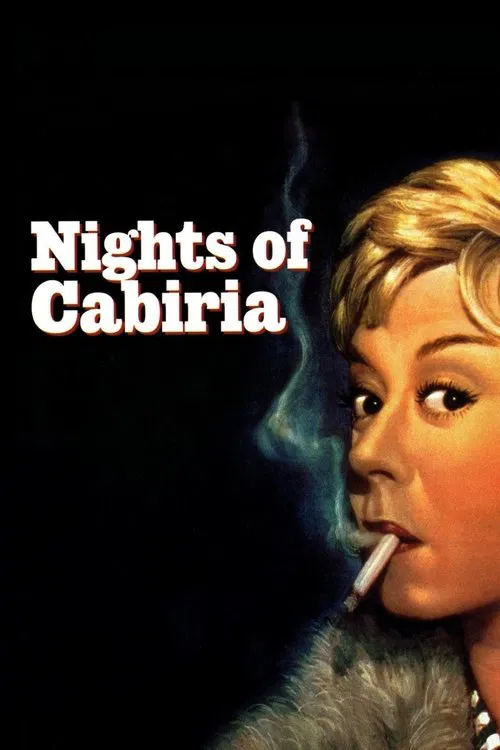
  4. Nights of Cabiria (1957) poster

    Nights of Cabiria

    Federico Fellini · 1957

    Fellini holds on Giulietta Masina's face as Cabiria's smile returns through tears. You read hurt and hope in the same expression.

    Where to see it: The ending: young people on scooters dance around Cabiria as she walks home, and she starts to smile while a tear falls.

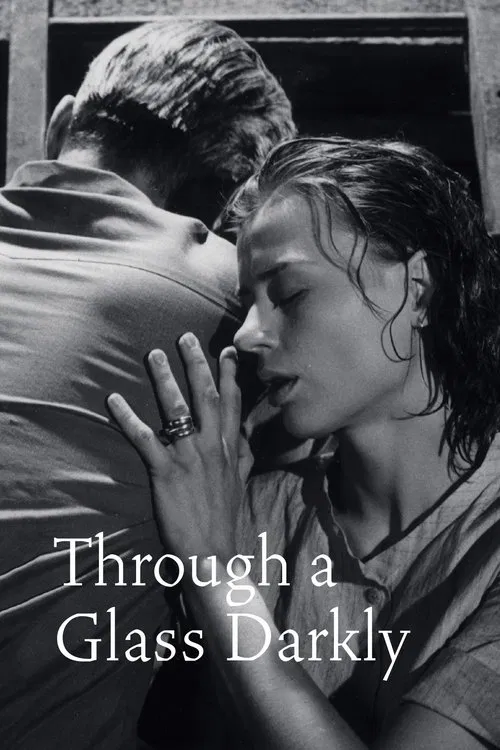
  5. Through a Glass Darkly (1961) poster

    Through a Glass Darkly

    Ingmar Bergman · 1961

    Bergman holds close-ups on Harriet Andersson's face as Karin's mind wavers between calm and fear. You read her illness from small shifts around her eyes and mouth. Her face becomes the film's main special effect.

    Where to see it: Karin's confession: she says she cannot live in 2 realities and asks to go back to hospital. She describes God as an evil-faced spider.

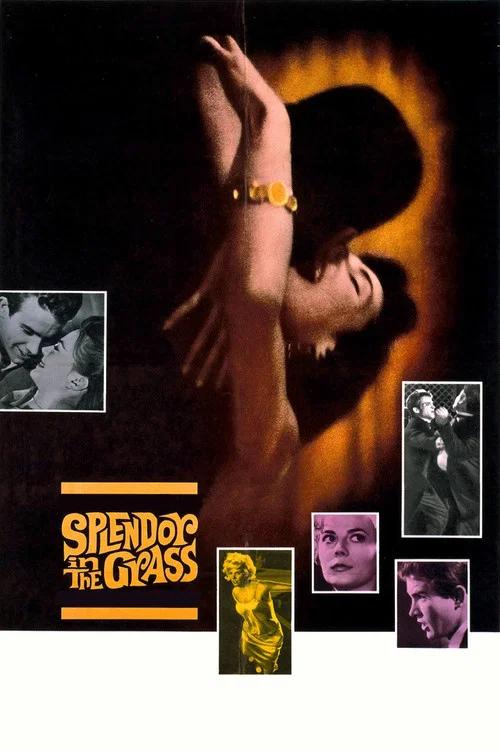
  6. Splendor in the Grass (1961) poster

    Splendor in the Grass

    Elia Kazan · 1961

    Natalie Wood carries the film with her face, which moves from hope to shame to near madness. The camera stays close enough to catch small shifts in her expression. You see her unravel before anyone says so.

    Where to see it: Pond scene: after almost being raped by Toots, Deanie tries to end her life by jumping into the pond. She is rescued just before reaching the waterfalls.

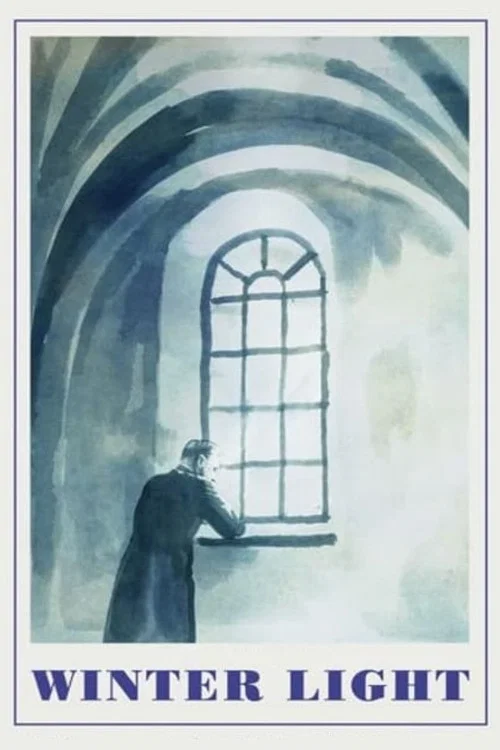
  7. Winter Light (1963) poster

    Winter Light

    Ingmar Bergman · 1963

    Bergman keeps the camera close on Gunnar Björnstrand's tired face. Tomas has nothing to say to Jonas, and you can see it in his eyes. Small changes in his expression tell you more than a speech would.

    Where to see it: Jonas's visit: the fisherman Jonas tells Tomas he fears a Chinese atomic bomb, and Tomas admits he has no faith.

  8. Autumn Sonata (1978) poster

    Autumn Sonata

    Ingmar Bergman · 1978

    Bergman stays on Ingrid Bergman's face while she listens to her daughter play. You see pride, jealousy and discomfort in tiny shifts. The scene needs no dialogue.

    Where to see it: The piano scene: Eva plays Chopin's Prelude No. 2, and the camera stays on Charlotte as she listens.

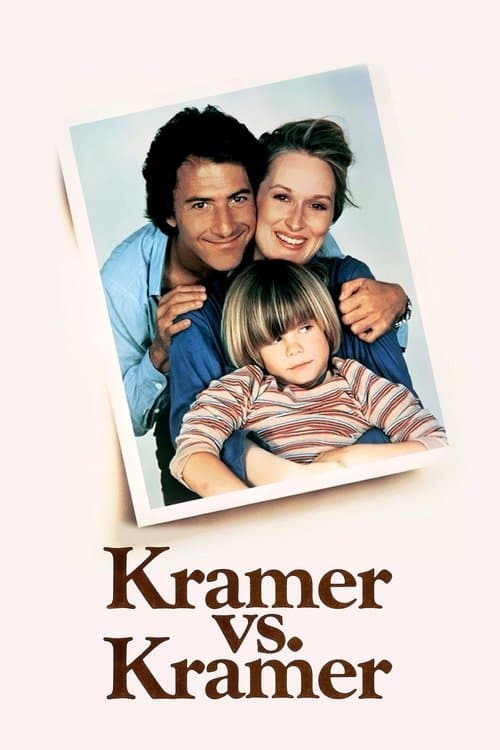
  9. Kramer vs. Kramer (1979) poster

    Kramer vs. Kramer

    Robert Benton · 1979

    Benton frames Dustin Hoffman and Meryl Streep in intimate close-ups. They catch the exact moment when composure fails. The acting is in the tiniest movements of the face.

    Where to see it: Joanna's courtroom testimony. The camera holds on Streep's face as she explains why she left her child.

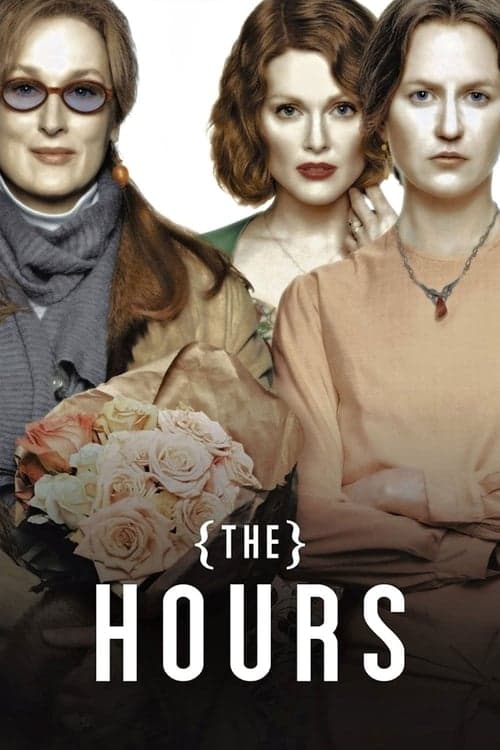
  10. The Hours (2002) poster

    The Hours

    Stephen Daldry · 2002

    Daldry's camera frames all 3 lead actresses (Kidman, Moore and Streep) in intimate close-up at the moments of their characters' private crisis. You can read what is going on inside them without any dialogue.

    Where to see it: Laura Brown in the hotel room with the pills. The camera holds on Julianne Moore's face as she decides whether to go home.

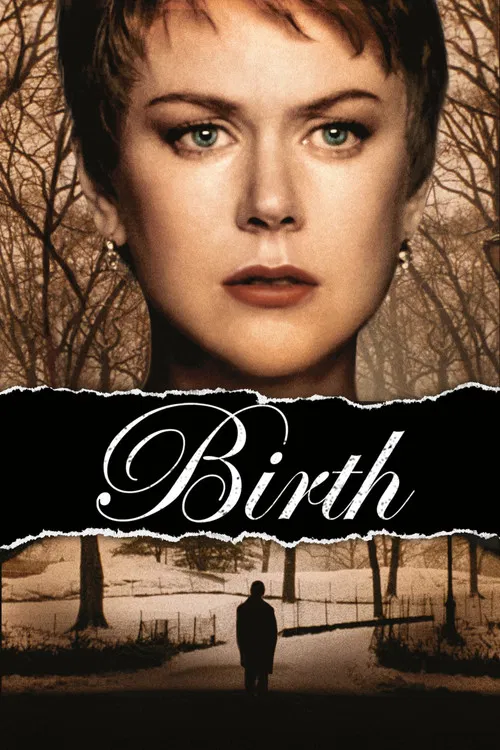
  11. Birth (2004) poster

    Birth

    Jonathan Glazer · 2004

    The camera stays on Nicole Kidman's face for a long time without cutting away. You read her doubt, hope and fear from tiny changes in her eyes and mouth, because there is almost no dialogue to help. It makes you feel what she feels before she says anything.

    Where to see it: Opera scene: Anna sits in the audience and the camera holds on a long, unbroken close-up of her face while the music plays.

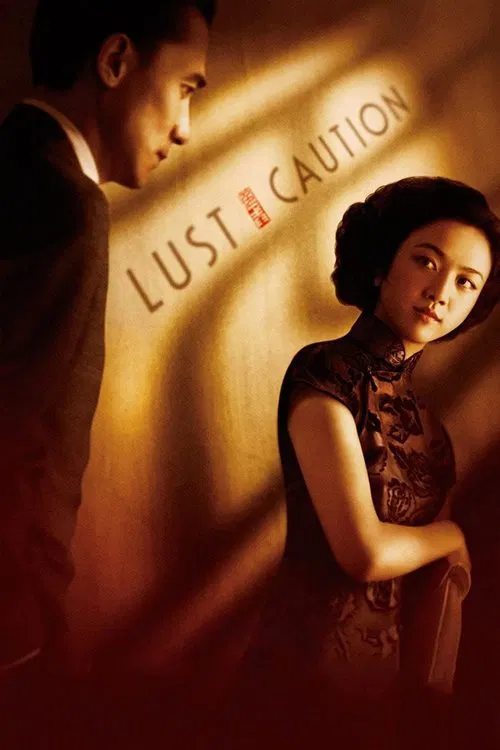
  12. Lust, Caution (2007) poster

    Lust, Caution

    Ang Lee · 2007

    Wong sees her comrades waiting outside the jewelry store and puts on the ring. Lee stays on her face and on Yee's as he reads that something is wrong. You can follow the whole decision from their faces without a line of explanation.

    Where to see it: Jewelry store: Wong notices the assassination team outside. Overcome by emotion as she puts on the ring, she quietly urges Yee to leave, and he understands and flees.

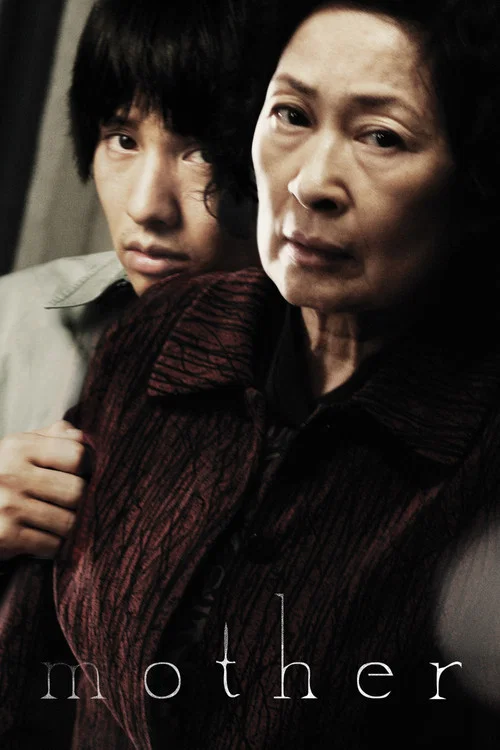
  13. Mother (2009) poster

    Mother

    Bong Joon-ho · 2009

    Bong holds the camera on Kim Hye-ja's face as the mother goes from fear to resolve. Small changes in her eyes tell you what she is planning before she does anything. You cannot look away from her.

    Where to see it: The mother's search for the truth. She goes door to door, and the camera stays on her face as she works out what she can do.

  14. Shame (2011) poster

    Shame

    Steve McQueen · 2011

    The camera stays on Brandon's face long enough to read small shifts in feeling. When Sissy sings, you watch what the song does to him.

    Where to see it: New York, New York: Brandon's face fills the frame as he listens to his sister sing.

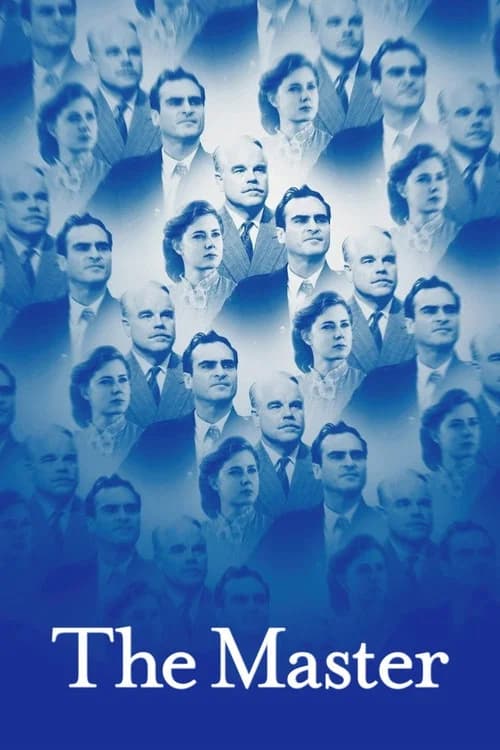
  15. The Master (2012) poster

    The Master

    Paul Thomas Anderson · 2012

    Anderson keeps returning to long close-ups of Phoenix and Hoffman. The screenplay holds a lot back, so the camera watches their faces do that work. In their tiny expressions, you read domination and submission, belief and doubt, affection and contempt. It all sits in the gap between what the face shows and whatever is underneath.

    Where to see it: Freddie's face during the processing. The close-up catches exactly what it looks like when a man is being invaded and held at once. I feel like it's a portrait of someone who needs to be known and fears what that will cost him.

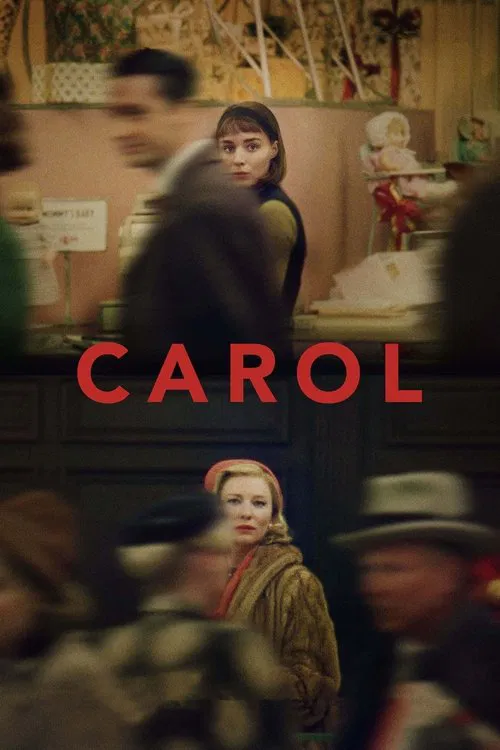
  16. Carol (2015) poster

    Carol

    Todd Haynes · 2015

    Haynes films Blanchett and Mara in long close-ups. They catch the tiny facial expressions of women acting socially normal while feeling something they cannot express. The acting happens in the gap between what the face shows and what is going on inside.

    Where to see it: The final scene in the Oak Room. Therese walks toward Carol, and Carol smiles. The close-ups catch the moment where composure and feeling split apart.

  17. Heaven Knows What (2015) poster

    Heaven Knows What

    Josh Safdie · 2015

    The camera holds on Arielle Holmes's face for long stretches, and you see her hope and fear change moment by moment. The Safdies use these close-ups to make you feel the need that drives her.

    Where to see it: The reunion with Ilya. Harley is called to revive him from an overdose, and they get back together.

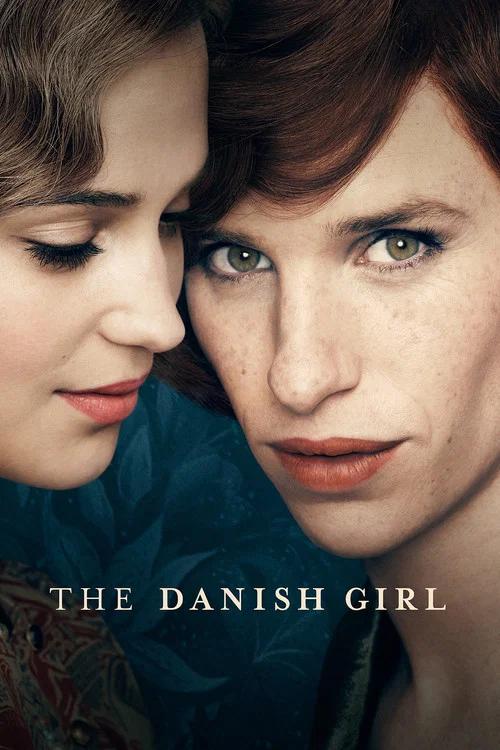
  18. The Danish Girl (2015) poster

    The Danish Girl

    Tom Hooper · 2015

    Much of Lili's inner life shows in her face. Small changes in an expression tell you what she is afraid to say. The film trusts a look to carry as much as dialogue.

    Where to see it: Dr. Hexler's office: Lili tells the doctor he hurt Lili. He decides she is insane and tries to have her committed.

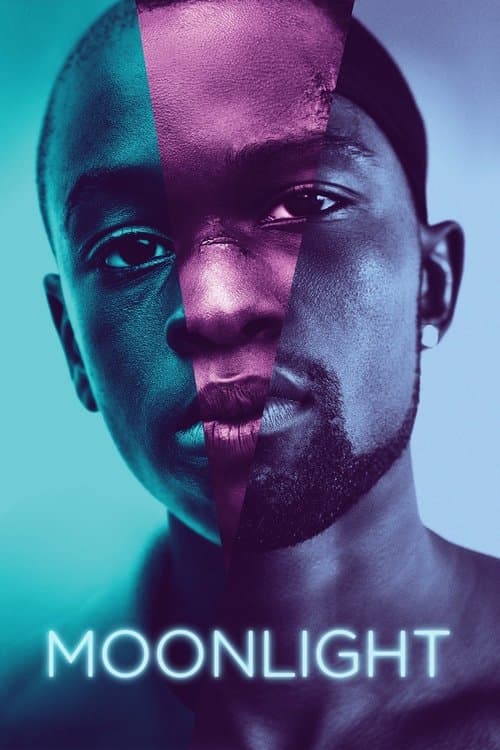
  19. Moonlight (2016) poster

    Moonlight

    Barry Jenkins · 2016

    The camera stays extremely close to Chiron's face throughout. He keeps it carefully blank, and that blankness becomes the main source of tension in the film.

    Where to see it: Chiron sitting across from Kevin in the diner. His face barely moves while everything under the surface shifts.

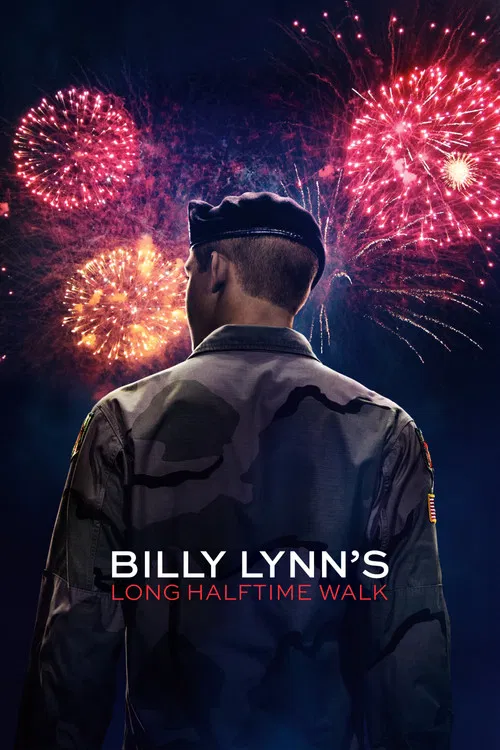
  20. Billy Lynn's Long Halftime Walk (2016) poster

    Billy Lynn's Long Halftime Walk

    Ang Lee · 2016

    Joe Alwyn was cast for his ability to show the war's contradictions through his face. The sharp 3D image holds on him while he sits inside an honor that feels like the worst day of his life.

    Where to see it: Press conference: Billy tells cheerleader Faison that it feels weird to be honored for the worst day of his life.

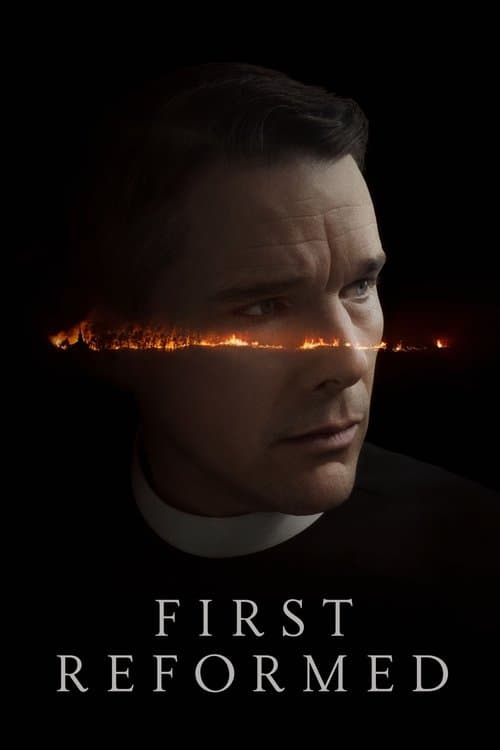
  21. First Reformed (2017) poster

    First Reformed

    Paul Schrader · 2017

    Alexander Dynan's camera stays close to Ethan Hawke's face throughout. It records the small steps by which a man becomes certain. The tiny expressions in the performance tell you more than the voiceover running alongside them.

    Where to see it: Toller's face after each encounter with Michael. In the minister's expressions, you can follow the young man's despair moving bit by bit into his own body and his view of the world.

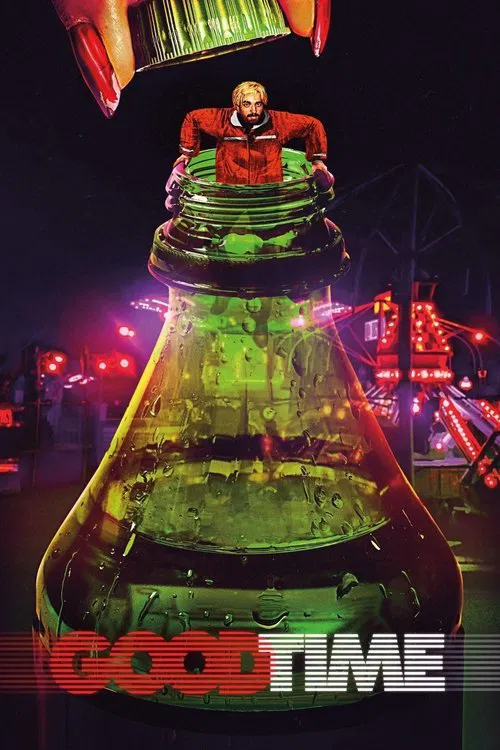
  22. Good Time (2017) poster

    Good Time

    Josh Safdie, Benny Safdie · 2017

    The film opens on Nick in a therapy session, with the camera tight on his face as a psychiatrist questions him. The Safdies keep that closeness for the rest of the film, so you read Connie's lies and panic from his face. You are always crowded in with him.

    Where to see it: The opening therapy session. Nick's psychiatrist probes how he thinks, until Connie bursts in and pulls him out.

  23. Thelma (2017) poster

    Thelma

    Joachim Trier · 2017

    The camera stays on Eili Harboe's face and lets you read every flicker. Thelma hides what she feels, and the long close-ups show it anyway.

    Where to see it: The library: Thelma has a seizure in the library while birds crash into the window outside. The camera stays on her stiff, scared face.

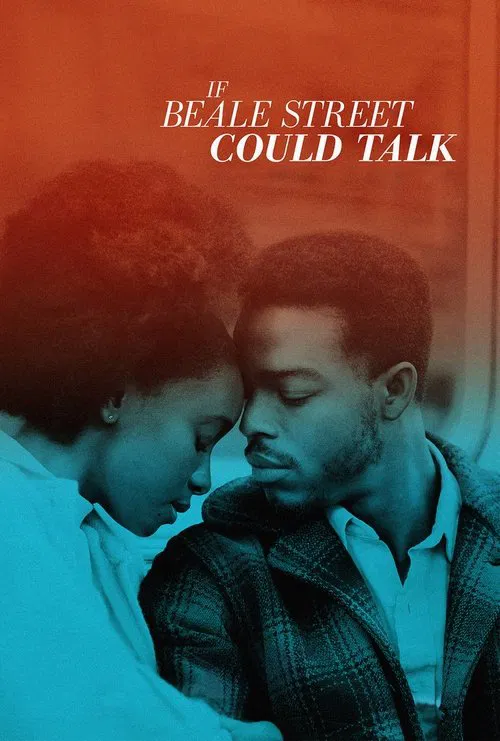
  24. If Beale Street Could Talk (2018) poster

    If Beale Street Could Talk

    Barry Jenkins · 2018

    Jenkins films his actors in slow close-up as they break the fourth wall, meaning they look straight into the camera. They do it with the calm of people who know they are being seen. The close-up becomes a statement of their dignity.

    Where to see it: Fonny looking directly into the camera in the prison. Because he is looking at you, his false imprisonment becomes a statement made to you as well as a plot event.

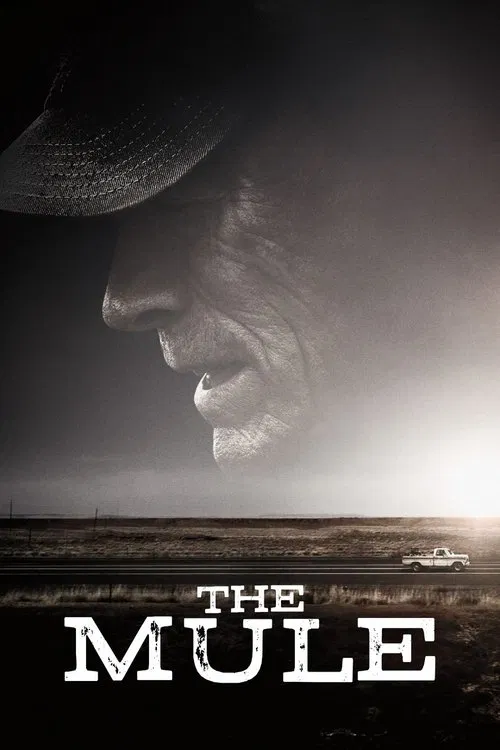
  25. The Mule (2018) poster

    The Mule

    Clint Eastwood · 2018

    The courtroom scene leans on Eastwood's weathered face. The lawyer pleads for mercy, but Earl cuts her off. You see guilt on his face before he says the words.

    Where to see it: Guilty plea: in court, Earl's lawyer asks for mercy because of his age and military service. A guilt-ridden Earl interrupts her to plead guilty to all charges.

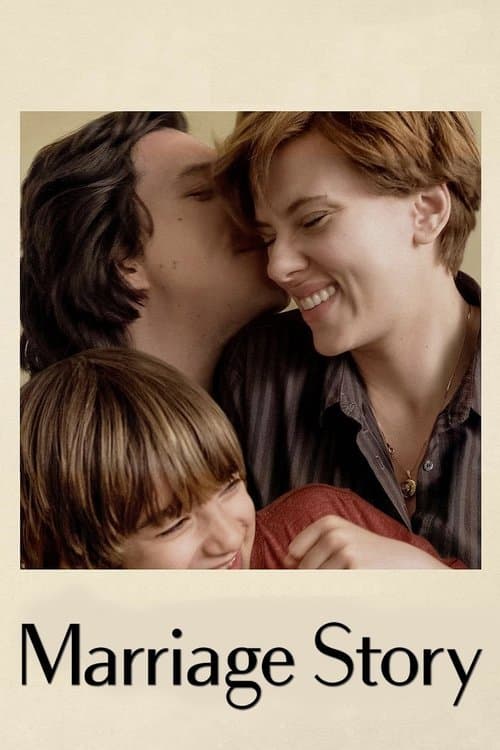
  26. Marriage Story (2019) poster

    Marriage Story

    Noah Baumbach · 2019

    Baumbach stays on Driver and Johansson in close-up through the most painful scenes of the film. He trusts the tiny changes in their faces to do what dialogue cannot, since the small betrayals only show up there.

    Where to see it: Nicole's tearful breakdown to her lawyer. It is shot in a long close-up that holds through her entire monologue without cutting.

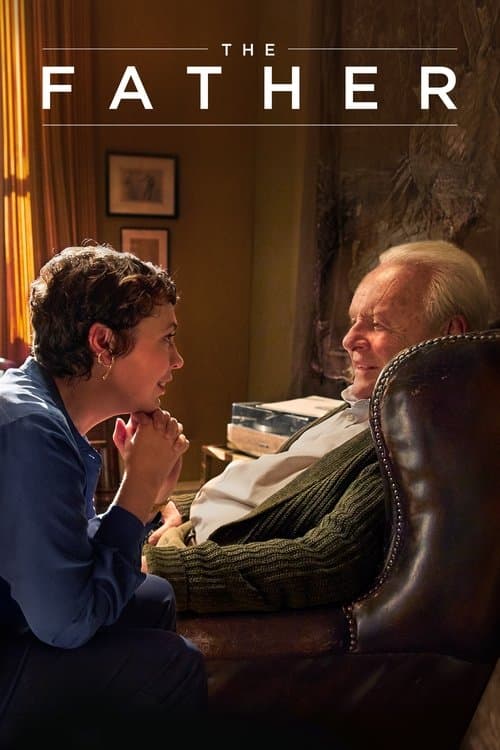
  27. The Father (2020) poster

    The Father

    Florian Zeller · 2020

    Anthony Hopkins's face is pretty much the whole film. Zeller stays on it through the confusion, the clear moments and the sudden childlike terror. Each tiny change of expression lets you see into a mind that is dissolving.

    Where to see it: The final scene, where Anthony cries for his mother. Hopkins is held in a long close-up, and the dignity of the performance makes the loss unbearable.

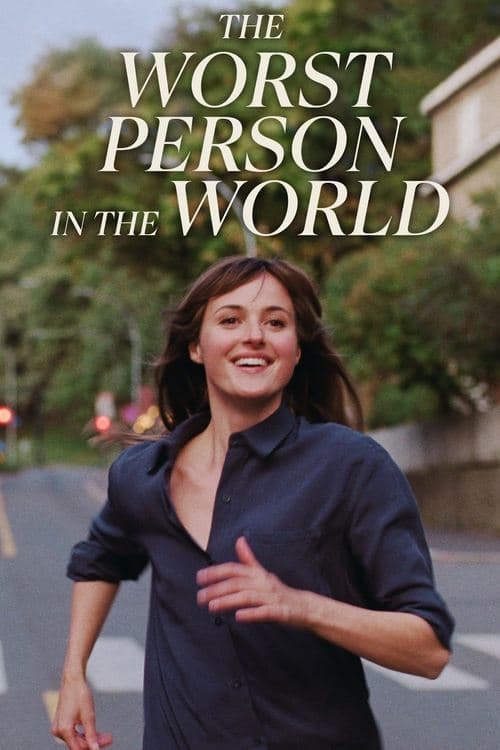
  28. The Worst Person in the World (2021) poster

    The Worst Person in the World

    Joachim Trier · 2021

    Kasper Tuxen's camera stays close to Renate Reinsve throughout. In the end, what the film has to say is in the precise movements of her face. It passes through feelings that the ironic chapter titles can't keep at a distance.

    Where to see it: Julie's final scene on a film set, where she works as a photographer. The close-up holds on Reinsve's face as she moves through something you can't name as either grief or resolution.

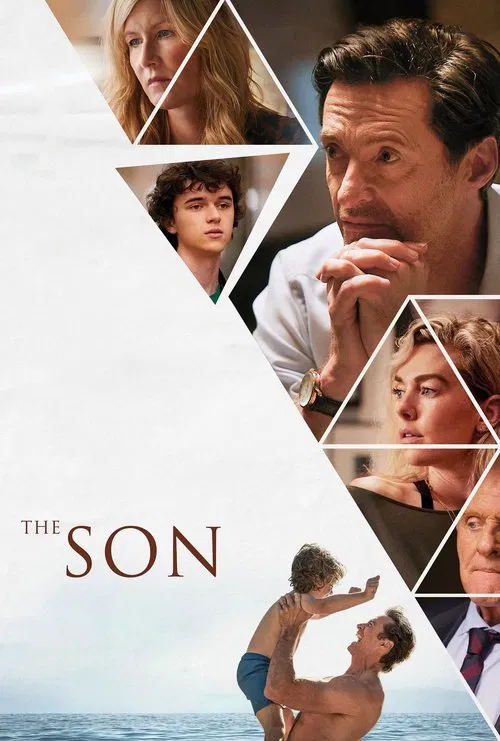
  29. The Son (2022) poster

    The Son

    Florian Zeller · 2022

    Much of the film is two people talking in a room. The camera stays with their faces, so you read what they will not say. A small flinch tells you more than a speech.

    Where to see it: Hospital: After an attempt, Nicholas is admitted to an inpatient facility. Only then does Peter begin to accept his role in Nicholas's pain.

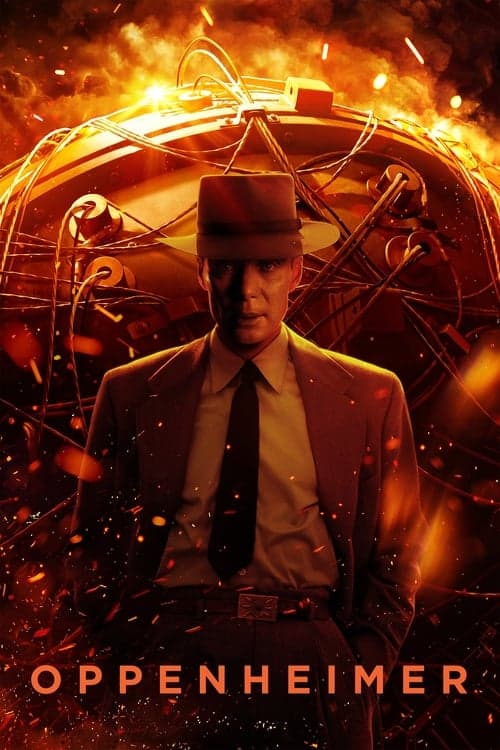
  30. Oppenheimer (2023) poster

    Oppenheimer

    Christopher Nolan · 2023

    Nolan stays on Cillian Murphy's face through long stretches where Oppenheimer says nothing. The calculation, horror, pride and doubt show only in tiny changes of expression. The IMAX frame blows them up without mercy.

    Where to see it: Oppenheimer's silent reaction to the news of Hiroshima. The shot stays on his face for an unusually long time, and no dialogue is needed.

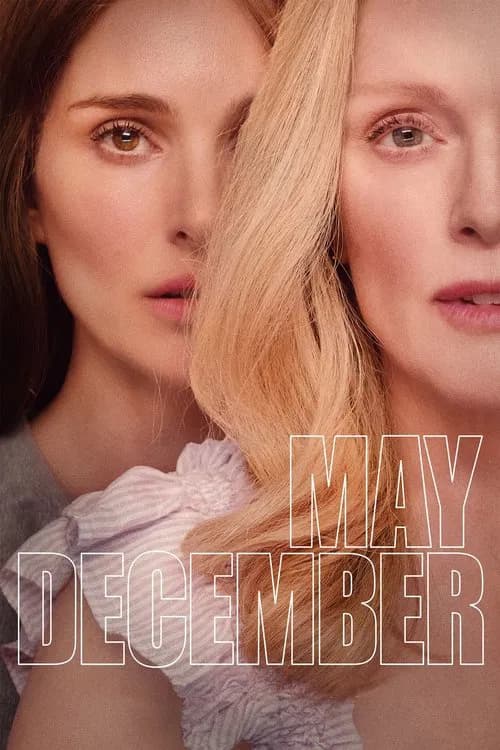
  31. May December (2023) poster

    May December

    Todd Haynes · 2023

    Haynes films Natalie Portman and Julianne Moore in long close-ups, which are shots that fill the screen with a face. The camera watches their faces watch each other. The drama is in the small changes of expression, as each woman performs while the other one studies her.

    Where to see it: Gracie and Elizabeth applying the same lipstick in a mirror. The close-up holds both women's faces, and by now you can't tell the performer from her subject.

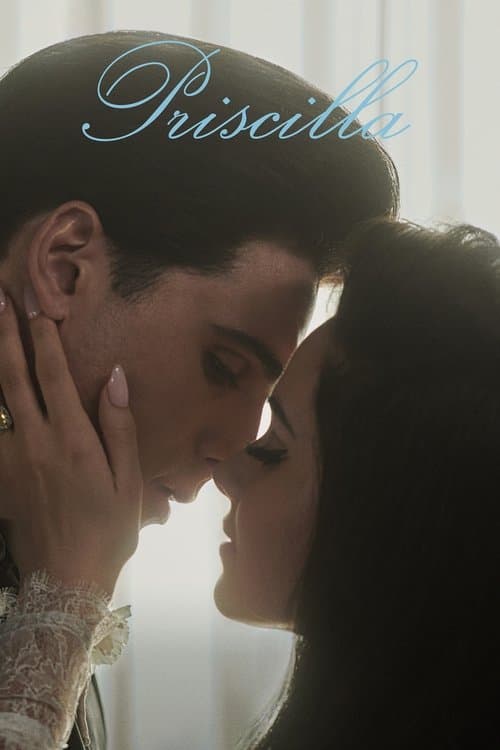
  32. Priscilla (2023) poster

    Priscilla

    Sofia Coppola · 2023

    Coppola films Cailee Spaeny's face in long close-ups. The camera watches Priscilla perform contentment, perform adoration and perform the person Elvis wants. The close-ups let you see that all of it is an act.

    Where to see it: Priscilla's face watching Elvis perform on television. The close-up catches the exact expression of a woman watching the public version of the person she knows in private. You can see the gap between the 2 Elvises in her eyes.

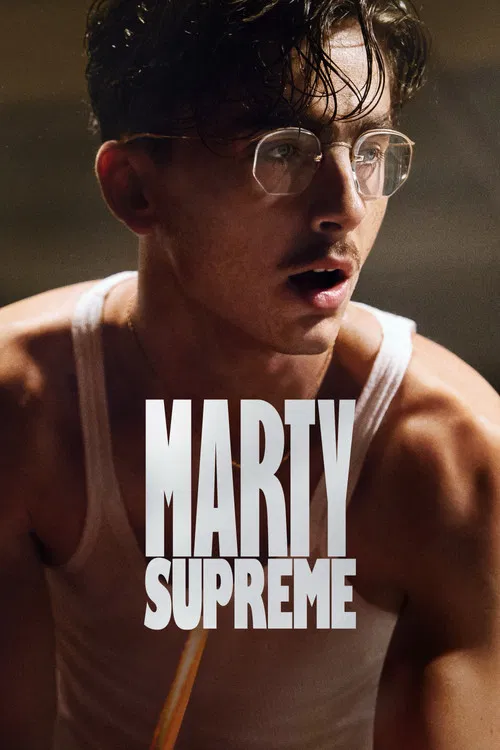
  33. Marty Supreme (2025) poster

    Marty Supreme

    Josh Safdie · 2025

    Cinematographer Darius Khondji shot mostly with long anamorphic lenses, which let the camera stand far back and still fill the frame with a face. He called the close-ups "obsessively tight". You are pressed up against Marty as he talks his way in and out of trouble, so you feel his panic and his charm at the same distance.

    Where to see it: Marty's matches against Koto Endo. Khondji lit the tournament scenes with mushroom lights hanging over the tables, so light falls on the players' faces and you can read every reaction between points.

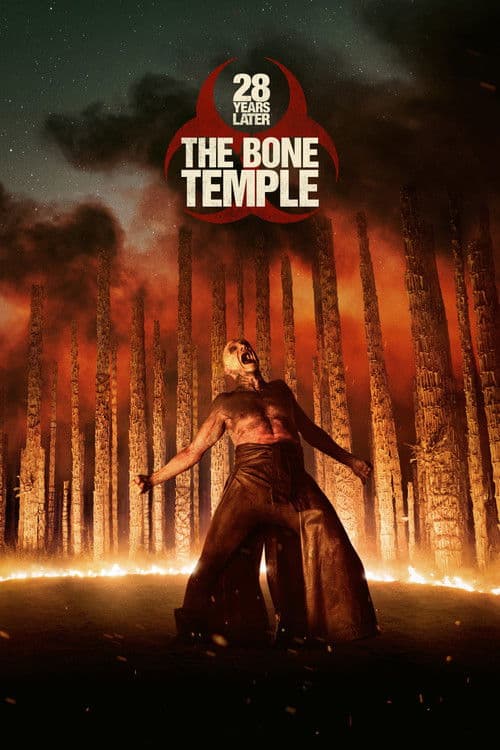
  34. 28 Years Later: The Bone Temple (2026) poster

    28 Years Later: The Bone Temple

    Nia DaCosta · 2026

    Danny Boyle directs by instinct and keeps everything moving. DaCosta slows the close-up down and gives Ralph Fiennes and Jack O'Connell time to sit in silence. The camera is there to study how they behave.

    Where to see it: Ian's long close-ups inside the Bone Temple. The camera reads his face as he takes in what he's built.

Questions

Quick answers

What is deliberate close-up performance in film?
Holding a close-up on an actor's face long enough to catch tiny changes in expression. You read what the character is thinking from details a wider shot would miss.
Which films use deliberate close-up performance?
Shadow of a Doubt (1943), A Streetcar Named Desire (1951), Witness for the Prosecution (1957), Nights of Cabiria (1957), Through a Glass Darkly (1961), Splendor in the Grass (1961) and 28 more films in the CineCode library.
What kind of technique is deliberate close-up performance?
It is a cinematography technique. Related cinematography techniques include Single-Location Cinematography.