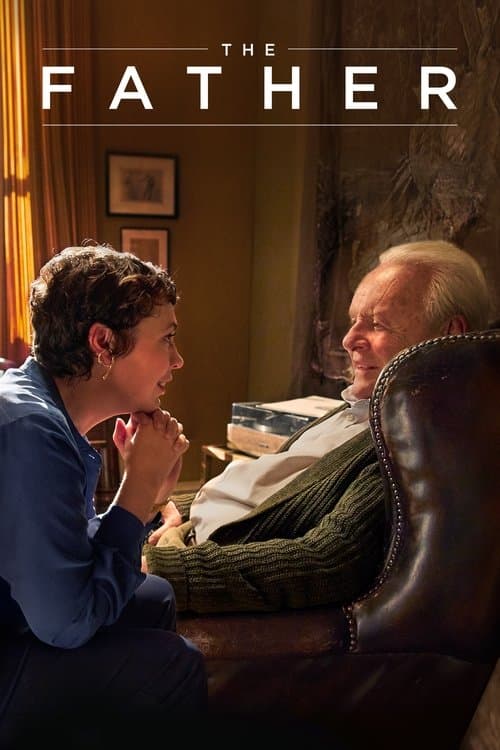
The Father
Florian Zeller · 2020
An 80-year-old man with advancing dementia experiences his world fracturing — familiar faces change, rooms rearrange, and the chronology of his own life becomes unreliable. Florian Zeller's film adapts his own stage play into a cinematic experience that places the audience entirely inside Anthony's disintegrating perception.
Techniques Used
5 techniques identified in this film
Single-Location Cinematography
CinematographyConfining most or all of the action to a single enclosed space, using production design and movement to create variety within constraint.
How this film uses it
The film takes place almost entirely within the apartment — but the apartment subtly changes between scenes: furniture moves, rooms reconfigure, the same space becomes multiple spaces depending on Anthony's state.
Unreliable Narrator
NarrativeA narrative voice or perspective whose account of events cannot be trusted, requiring the audience to read between the lines.
How this film uses it
The entire film is filtered through Anthony's fractured perception — faces change between shots, conversations repeat with different participants — making the viewer experience dementia from inside rather than observing it from outside.
Epistemic Collapse
PsychologyA narrative state in which the protagonist — and audience — can no longer distinguish truth from delusion, reality from performance.
How this film uses it
Zeller withholds any stable reality for the audience — there is no objective version of events to anchor against Anthony's confusion — making the epistemological crisis of dementia fully experiential.
Spatial Contraction
CinematographyUsing production design and cinematography to make a space feel progressively smaller, reflecting the protagonist's shrinking psychological world.
How this film uses it
The apartment becomes incrementally less recognizable — paintings disappear, furniture changes position, rooms that existed are gone — mirroring the contraction of Anthony's world as dementia strips it of the familiar.
Deliberate Close-Up Performance
CinematographyShooting actors in sustained close-up and allowing their faces to carry the film's emotional and intellectual weight.
How this film uses it
Anthony Hopkins's face is the film's entire landscape — Zeller holds on it through the confusion, the lucid moments, the sudden childlike terror — each micro-expression a window into a dissolving consciousness.
You Might Also Like
Films that share at least one technique with The Father
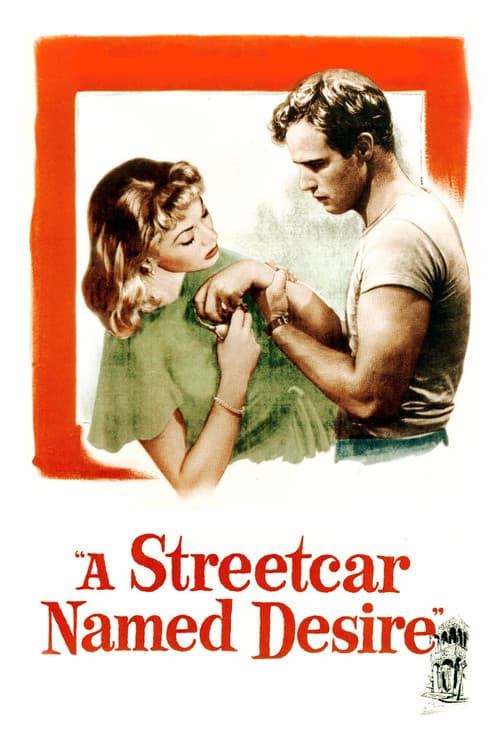
A faded Southern belle arrives at her sister's cramped New Orleans apartment, where the brutal truth of her situation — financial ruin, a history of desperate behavior, and the hostility of her brother-in-law — will systematically destroy the illusions she lives inside. The greatest American film about self-deception.
A Streetcar Named Desire
Elia Kazan · 1951
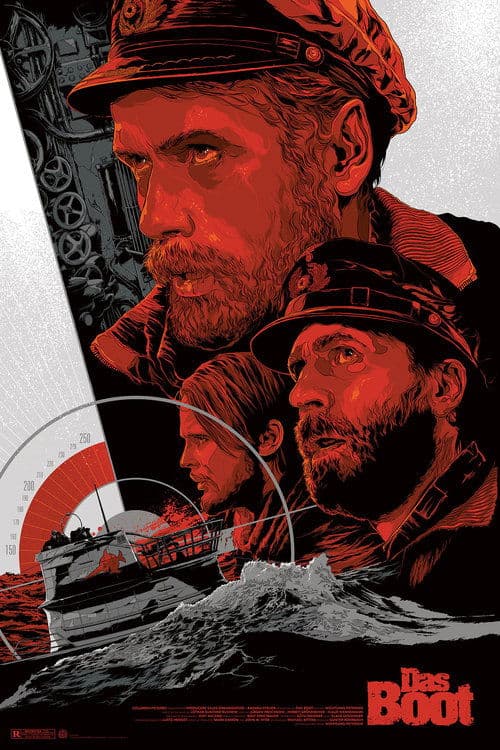
A German U-boat crew patrols the Atlantic in 1941, facing boredom, terror, mechanical failure, and depth charges in equal measure. The definitive submarine film, and one of the most physically claustrophobic experiences in cinema.
Das Boot
Wolfgang Petersen · 1981

Los Angeles private investigator J.J. Gittes is hired to tail a man's wife and finds himself entangled in a conspiracy of water, power, and incest that reaches the city's most powerful man. Roman Polanski's neo-noir masterpiece dismantles the detective genre's promise of resolution — the investigation succeeds, and everything is destroyed.
Chinatown
Roman Polanski · 1974