Narrative technique · used in 24 films

Unreliable Narrator

Telling the story through a character you can't trust, because they are lying, mentally unwell or fooling themselves. At some point, you have to rethink what you were told.

Examples

24 films that use it

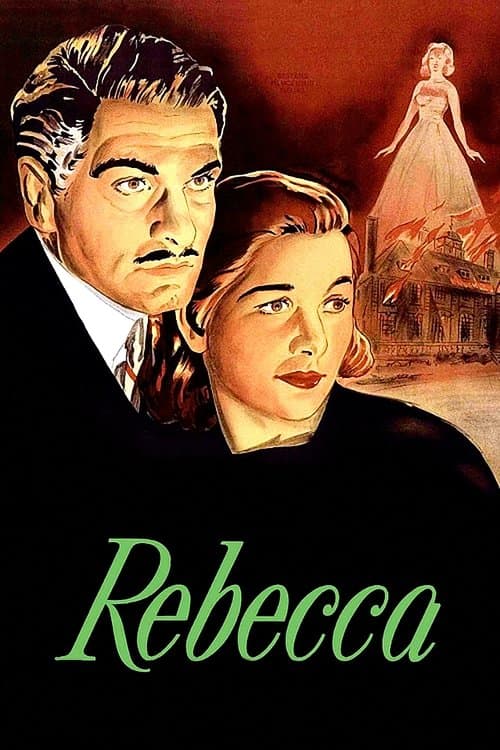
  1. Rebecca (1940) poster

    Rebecca

    Alfred Hitchcock · 1940

    The unnamed narrator misreads everything she comes across at Manderley. She sees Maxim's moods, Mrs. Danvers's hostility and the mood of the household through her own sense of not being good enough. Hitchcock builds the film so you share her misreadings. That is why the film's reveals make you rethink everything that came before them.

    Where to see it: The narrator's reading of every interaction with Mrs. Danvers. Her anxiety makes her misread things, and the film gives you no other account to go on.
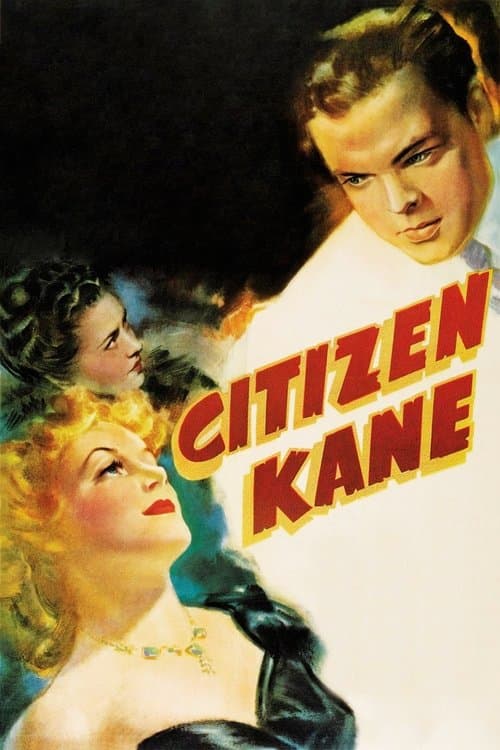
  2. Citizen Kane (1941) poster

    Citizen Kane

    Orson Welles · 1941

    Every narrator in Citizen Kane is unreliable in a different way. Thatcher dislikes Kane, Bernstein worships him, Leland resents him and Susan was damaged by him. No single account is enough. Welles sets the film up so you can never get the truth, because interviewing people who knew Kane was never going to reach it.

    Where to see it: Leland's account of Kane's political failure. Bitterness and decades of grievance color everything he says, so you learn as much about Leland as you do about Kane.

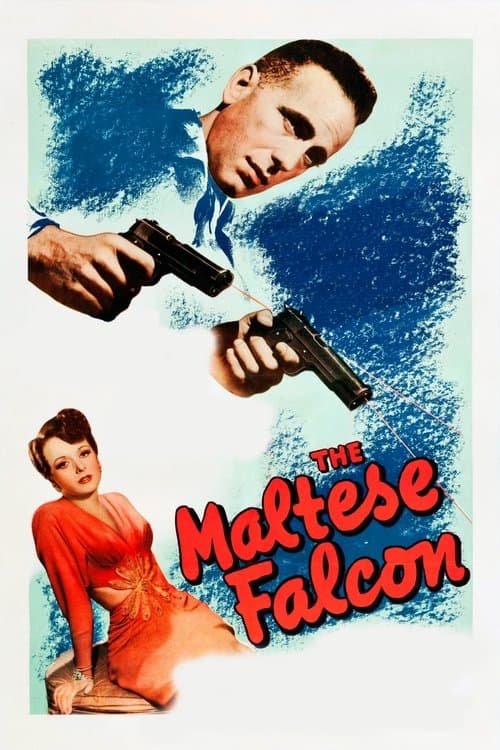
  3. The Maltese Falcon (1941) poster

    The Maltese Falcon

    John Huston · 1941

    Spade is your guide through the film, but he is playing his own game. He is loyal to his own code, and the film never fully spells that code out. Everyone in the film is guilty, so guilt isn't why he turns Brigid in. He does it because of the specific rule she broke. Huston keeps Spade's reasoning from you until the final scene. Until then, you are never sure whose side he is on.

    Where to see it: Spade's explanation to Brigid: 'When a man's partner is killed he's supposed to do something about it.' He finally reveals his code, and you finally get his point of view stated outright.

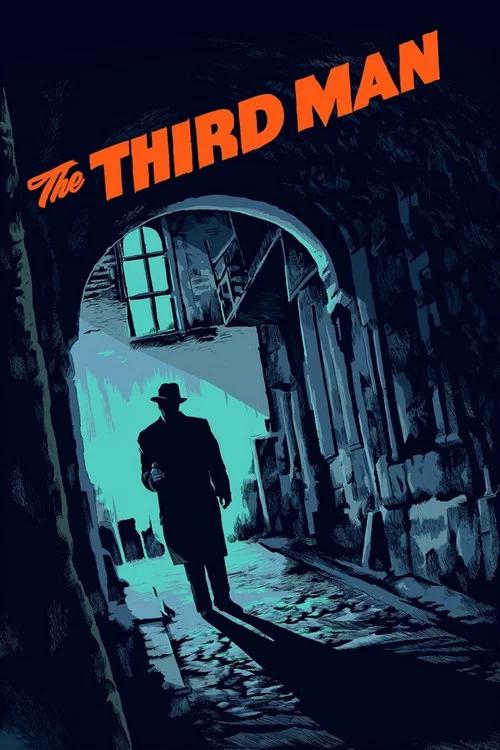
  4. The Third Man (1949) poster

    The Third Man

    Carol Reed · 1949

    Holly Martins is the worst possible investigator for this story. He loved Harry Lime and can't see him clearly. Whenever someone tells him about Harry's crimes, he dismisses it or explains it away. The film takes Holly apart step by step, and each scene strips off another layer of the story he told himself about his friend.

    Where to see it: Holly defending Harry to Major Calloway. He is so loyal that he argues against the evidence at the same moment it is being handed to him.

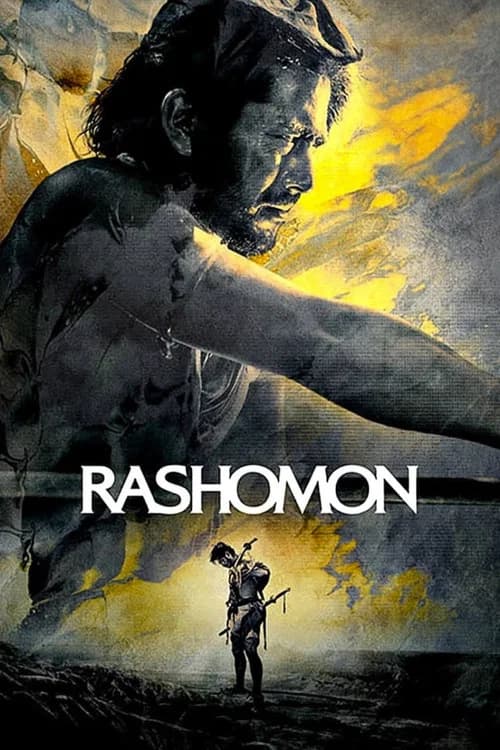
  5. Rashomon (1950) poster

    Rashomon

    Akira Kurosawa · 1950

    All 4 accounts in Rashomon come from witnesses who bend events to protect their own honor, guilt or self-image. Kurosawa never asks you to pick out the liar. He asks you to see that every testimony is told by someone you can't fully trust. The film implies that the same is true of all storytelling.

    Where to see it: The bandit Tajomaru's account of the ambush. It is the most dramatic version and the most self-flattering. The film treats it as no more and no less believable than the accounts that contradict it.

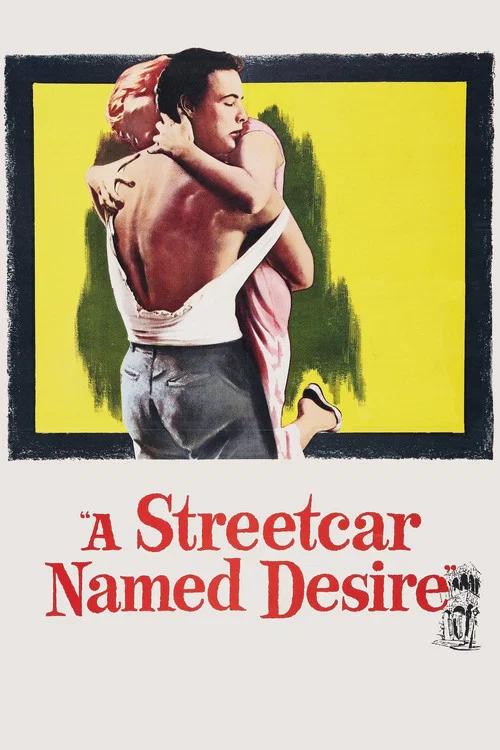
  6. A Streetcar Named Desire (1951) poster

    A Streetcar Named Desire

    Elia Kazan · 1951

    Blanche DuBois tells her own story in the film, and she is also its least reliable witness. She presents herself as a refined Southern lady fallen on hard times. She has built that version of herself and lives in it so completely that you have to work to separate what she says from what really happened. Kazan and Vivien Leigh give you a woman whose self-deception is her tragedy and also the only way she survives.

    Where to see it: Blanche's account of Belle Reve's loss. You can tell her story is unreliable from the gap between what she says and what Stanley has already found out.

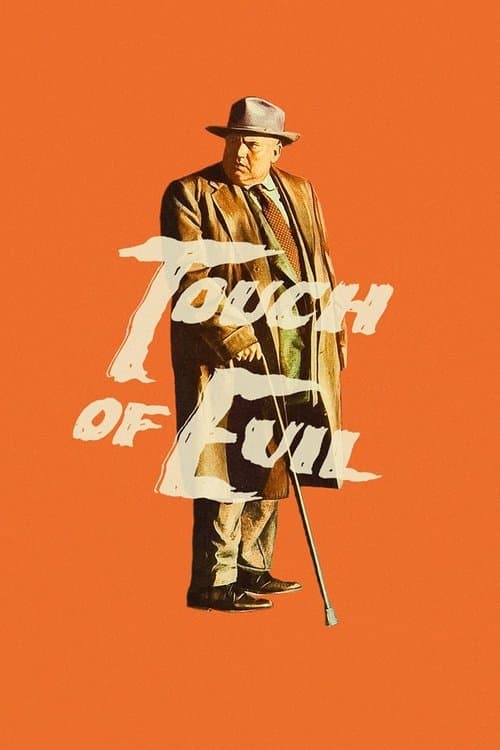
  7. Touch of Evil (1958) poster

    Touch of Evil

    Orson Welles · 1958

    Quinlan is introduced as an experienced lawman. Then you find out he plants evidence, commits murder and has been corrupting justice for decades. Early on, you see things his way (the confident detective reading crime scenes). The film builds that trust on purpose so it can take it apart. Looking back, you are no longer sure about anything Quinlan told you.

    Where to see it: The revelation of Quinlan's planted evidence. Your sense of who is right and wrong in the film flips. The detective turns out to be the criminal, and you did not see it coming.

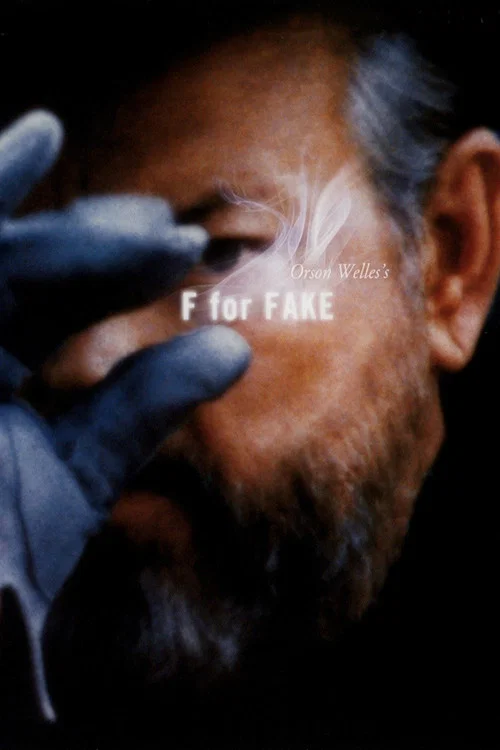
  8. F for Fake (1973) poster

    F for Fake

    Orson Welles · 1973

    Welles promised an hour of truth, then confesses afterward that he kept lying. The confession makes you go back and question the rest of the film.

    Where to see it: The admission: after his promised hour of facts, Welles says the Picasso story was made up.

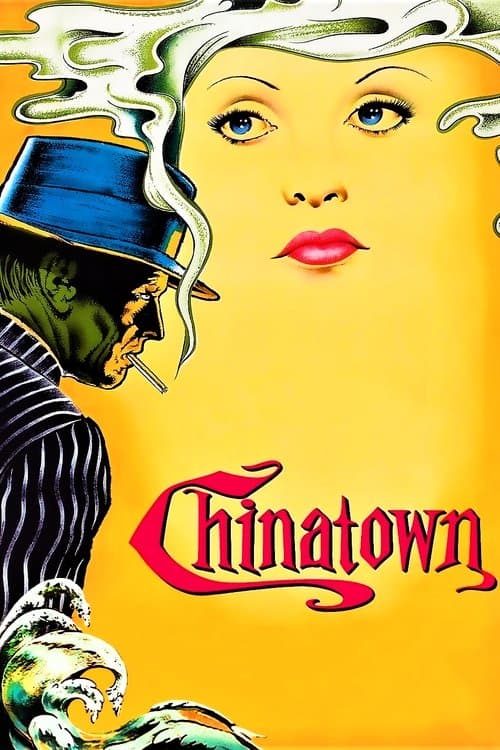
  9. Chinatown (1974) poster

    Chinatown

    Roman Polanski · 1974

    The whole film is told from Gittes' point of view. You know what he knows, you discover what he discovers and you are wrong alongside him. His masculine confidence and professional expertise get taken apart piece by piece. When the investigation fails, it's his way of seeing the world that fails.

    Where to see it: Gittes misreading the drowned man's role. This is the central error of the investigation, and the most costly mistake his unreliable view makes.

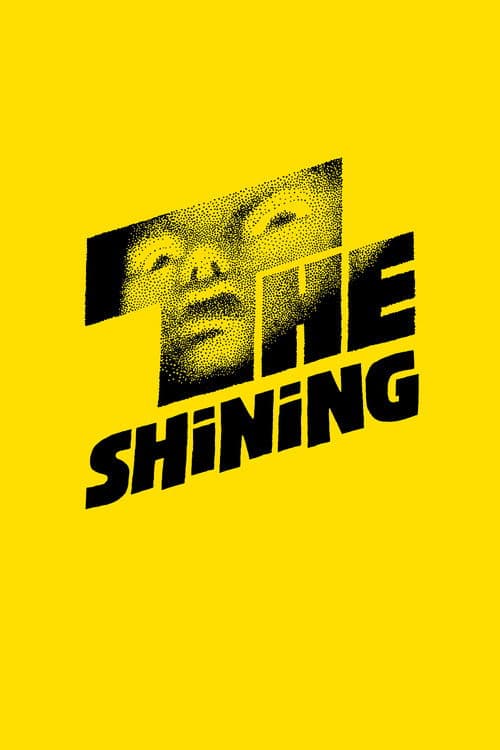
  10. The Shining (1980) poster

    The Shining

    Stanley Kubrick · 1980

    The film never fully settles if the hotel's ghosts are real or if Jack's alcoholic psychosis is making them up. You can read the story as psychological and as supernatural at the same time.

    Where to see it: The Gold Room bar scenes. You're left wondering if Lloyd always existed.

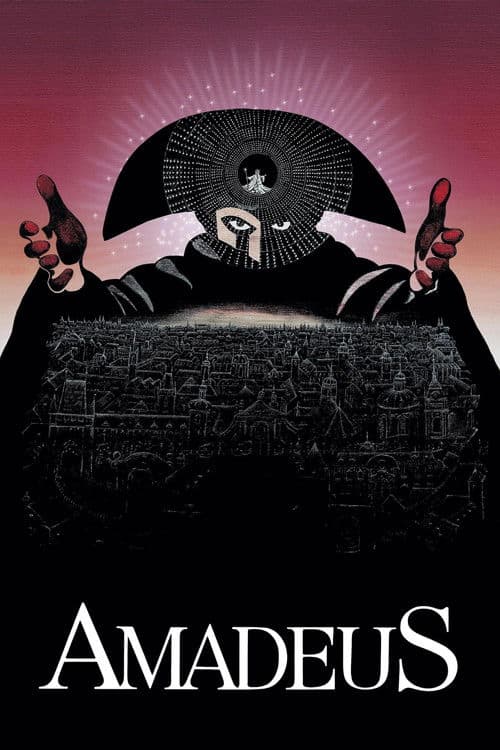
  11. Amadeus (1984) poster

    Amadeus

    Miloš Forman · 1984

    Salieri narrates from an asylum, decades after the events. He lived through them twisted by an envy that had become a sickness. His Mozart is brash, vulgar and always laughing, which is possibly accurate and certainly exaggerated. You have to read between the lines of Salieri's bitterness to glimpse the real genius he couldn't bear.

    Where to see it: Salieri's account of hearing Mozart's compositions for the first time. He describes divine music, and you hear it through the rage of a man who can recognize it and cannot create it.

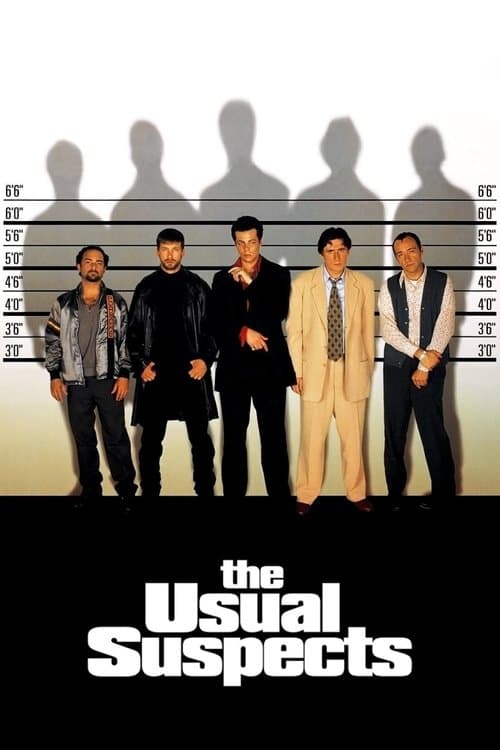
  12. The Usual Suspects (1995) poster

    The Usual Suspects

    Bryan Singer · 1995

    Verbal Kint tells the whole story of the film to a federal agent. Then the final minutes reveal that everything you watched was fiction. He made it up on the spot, using objects he could see in the interrogation room.

    Where to see it: The closing sequence. The customs agent scans his bulletin board and recognizes the names, faces and places Kint used to build his story as he went.

  13. Fight Club (1999) poster

    Fight Club

    David Fincher · 1999

    Tyler Durden is a hallucination produced by the Narrator's split mind. Once you know that, you see that Fincher hid it in plain sight the whole way through. Tyler shows up in single-frame flashes before the Narrator meets him.

    Where to see it: The Narrator's early scenes, before he meets Tyler on a flight. Tyler flashes by in single frames.

  14. The Virgin Suicides (2000) poster

    The Virgin Suicides

    Sofia Coppola · 2000

    The boys can only guess what the girls felt. They fill in the gaps with memory and longing. The film never lets you forget that this is their version, and the real story may be different.

    Where to see it: The homecoming dance. Trip takes Lux to the dance, and the story you see is the boys' account of what happened.

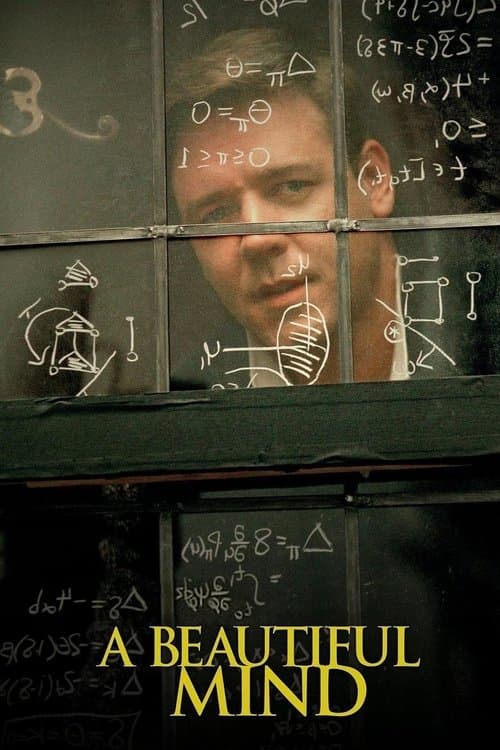
  15. A Beautiful Mind (2001) poster

    A Beautiful Mind

    Ron Howard · 2001

    Your only way into Nash's world is through what Nash perceives. During the first act, Howard never puts the camera outside Nash's point of view, so you have no objective eye to check against. You can't know what Nash doesn't know. What Nash doesn't know is that his own mind is building part of his reality.

    Where to see it: Nash working at the Department of Defense. It's presented as objective reality, and the camera never offers another angle that would expose the hallucination.

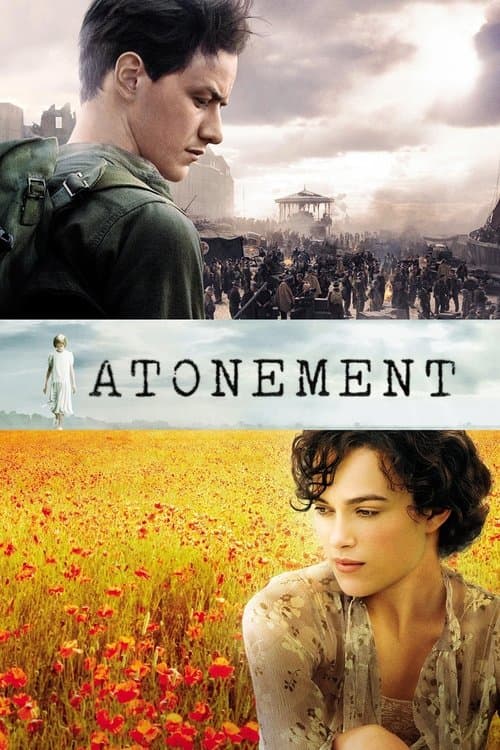
  16. Atonement (2007) poster

    Atonement

    Joe Wright · 2007

    The final act reveals that the entire story has been Briony's novel. It is her version of events, including a reconciliation she imagined. Every scene before it turns out to be a beautiful lie she wrote to forgive herself.

    Where to see it: Elderly Briony on television, admitting she never reunited the lovers in real life. With that admission, the romance you were watching turns into a story about her guilt.

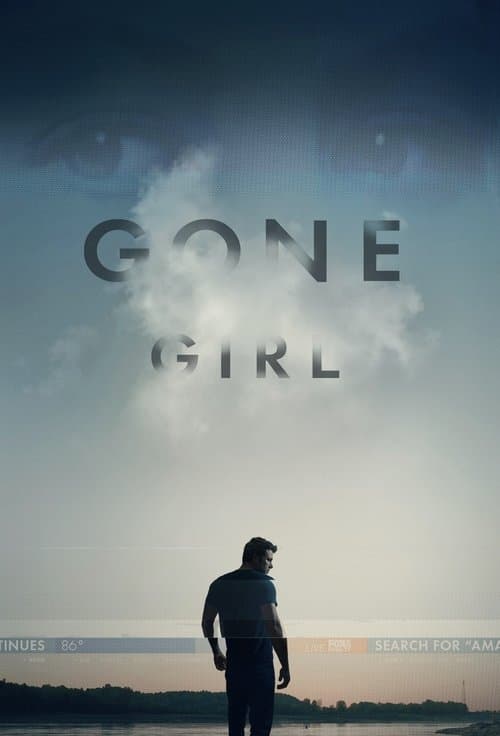
  17. Gone Girl (2014) poster

    Gone Girl

    David Fincher · 2014

    Amy's diary is the film's main first-person narration. It turns out to be a fake document she built to frame Nick. Every entry you took as a private confession was a performance aimed at the police who would later investigate. This narrator can't be trusted, and she is not fooling herself. She is deceiving you on purpose and with a plan.

    Where to see it: The reveal that Amy made up her diary. The warm, confessional voiceover turns into cold, methodical calculation. Every earlier entry is now a crime scene.

  18. The Handmaiden (2016) poster

    The Handmaiden

    Park Chan-wook · 2016

    The story is told from 2 viewpoints, Sookee's and then Hideko's. Each version leaves things out, and the second changes what the first seemed to show. The suspense comes from slowly rebuilding what really happened out of accounts that each leave things out.

    Where to see it: Sookee's confident narration of how the con is going. On the surface, her account sounds complete. It hides everything Hideko was doing at the same time.

  19. The Father (2020) poster

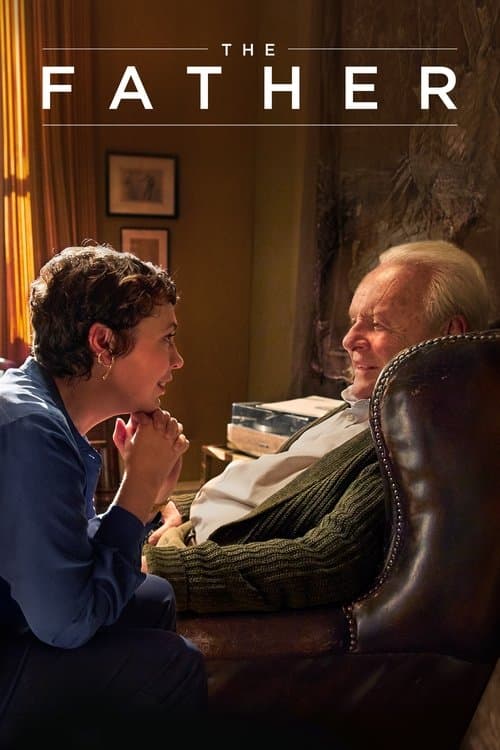
    The Father

    Florian Zeller · 2020

    The whole film is filtered through Anthony's broken perception. Faces change between shots and conversations repeat with different people in them. You experience dementia from the inside and lose the outside view you would normally watch it from.

    Where to see it: The repeated scene of Anne entering with a different face. Like Anthony, you can't be certain which version is real.

  20. The Power of the Dog (2021) poster

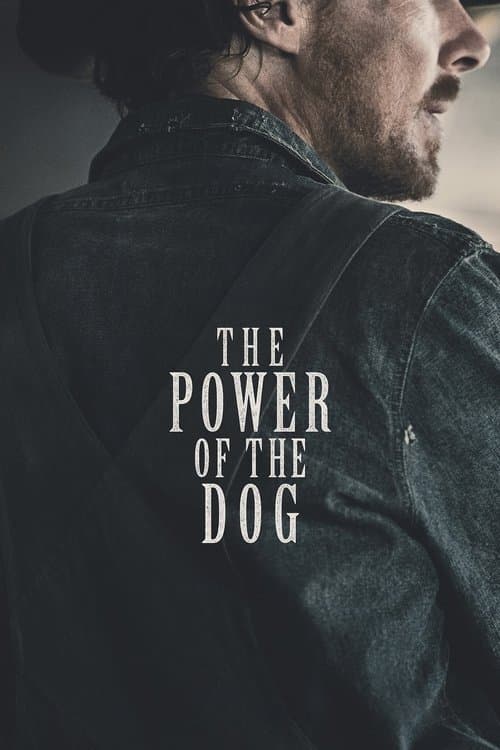
    The Power of the Dog

    Jane Campion · 2021

    You see most of the film through Phil's mind. He is the most intelligent person in every room and the most fully drawn character. He is also the only person who doesn't understand what is happening to him. He is sure he has read Peter correctly, and that confidence is his fatal blind spot. The film sets you up to see exactly what Phil's intelligence misses.

    Where to see it: Phil's growing affection for Peter. The rancher is certain he controls the relationship. The film lets you see what is really going on between them, which Phil is too sure of himself to read.

  21. The Last Duel (2021) poster

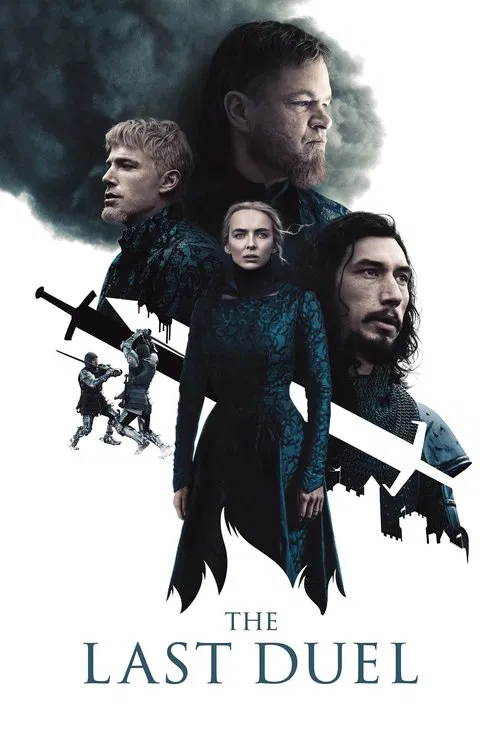
    The Last Duel

    Ridley Scott · 2021

    Each of the first two chapters follows a man who believes his own version. Both remember themselves as the wronged or sensible one. The third chapter, from Marguerite, is presented as the clear account, which makes you doubt everything that came before.

    Where to see it: The chapters: The film tells the story from Jean, then Le Gris, then Marguerite, and each version shows the other men and the same events in a different light.

  22. Tár (2022) poster

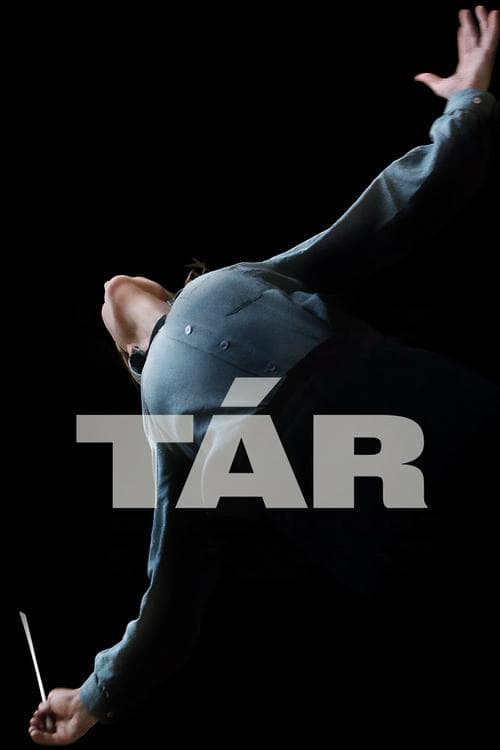
    Tár

    Todd Field · 2022

    Everything you know about Lydia Tár, you know through the way she presents herself (the New Yorker Festival interview, the Juilliard masterclass, the rehearsals). Field never gives you an outside view to correct it. You have to read the gaps, what she leaves unsaid and what other people's reactions mean. From those, you build an account that differs from hers.

    Where to see it: The Juilliard masterclass. Lydia performs her philosophy for an audience. The scene shows her as impressive, and it also reveals a lot about how her authority works.

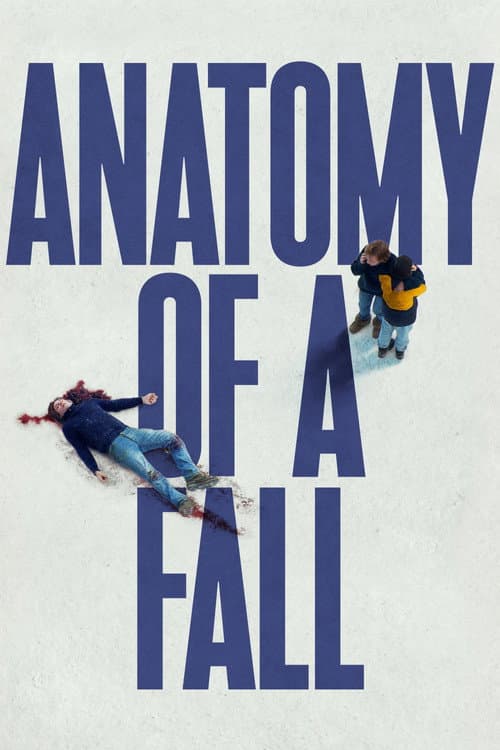
  23. Anatomy of a Fall (2023) poster

    Anatomy of a Fall

    Justine Triet · 2023

    Triet refuses to show the fall. The film's central event is rebuilt only through testimony, inference and the conflicting readings of people with a stake in the outcome. The question of what happened stays permanently open.

    Where to see it: The multiple reconstructions of Samuel's death offered by competing experts. Each one is plausible and each one supports a different verdict. None of them can be proven true.

  24. The Killer (2023) poster

    The Killer

    David Fincher · 2023

    In voiceover, the Killer lays out a calm routine and says he sticks to the plan. Then a dominatrix steps into the line of fire, he kills her by accident and the target survives. The voice keeps its cool while the plan falls apart.

    Where to see it: The Paris stakeout. The Killer waits in a hotel room, then a woman steps into the line of fire and he shoots her by accident.

Questions

Quick answers

What is unreliable narrator in film?
Telling the story through a character you can't trust, because they are lying, mentally unwell or fooling themselves. At some point, you have to rethink what you were told.
Which films use unreliable narrator?
Rebecca (1940), Citizen Kane (1941), The Maltese Falcon (1941), The Third Man (1949), Rashomon (1950), A Streetcar Named Desire (1951) and 18 more films in the CineCode library.
What kind of technique is unreliable narrator?
It is a narrative technique. Related narrative techniques include Frame Narrative as Trap, Retrospective Voiceover, The Long Reveal.