Psychology technique · used in 15 films

Epistemic Collapse

Taking away, piece by piece, any way of telling truth from delusion. A character's whole understanding of events falls apart, and you end up just as lost.

Examples

15 films that use it

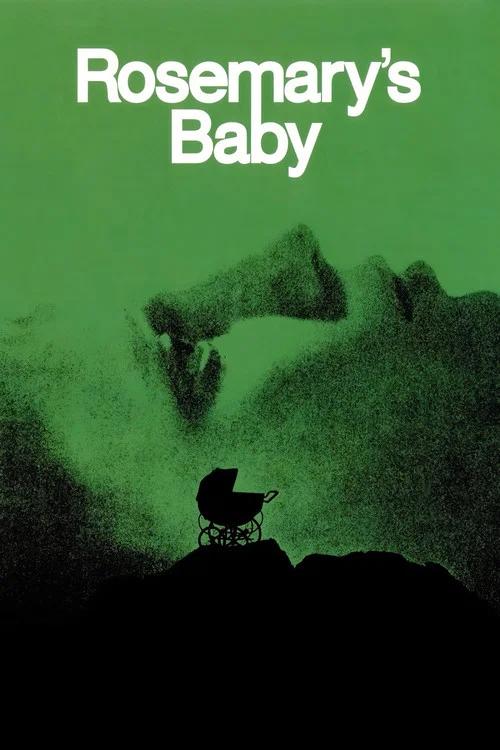
  1. Rosemary's Baby (1968) poster

    Rosemary's Baby

    Roman Polanski · 1968

    Every clue Rosemary finds can be read 2 ways. The neighbors could be a coven, or she could be a frightened, sick pregnant woman. The film keeps both readings open for a long time, so you start to doubt her and yourself.

    Where to see it: The Scrabble scene. After her friend Hutch's warning that "the name is an anagram," Rosemary shuffles Scrabble tiles and works out that Roman Castevet spells Steven Marcato, a reputed Satanist.
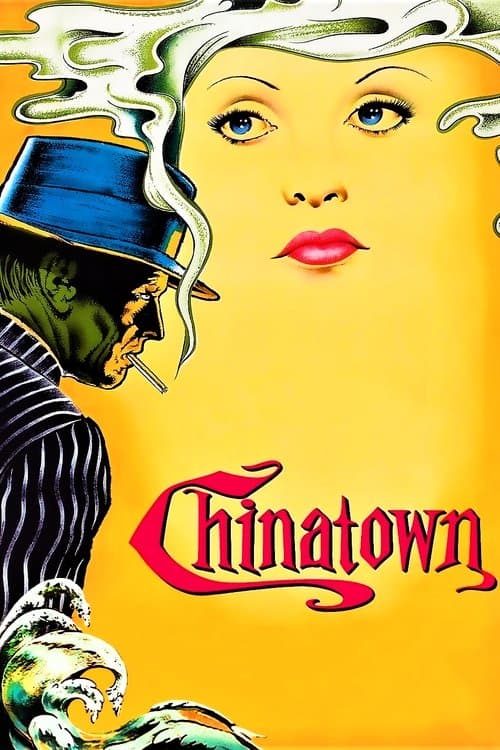
  2. Chinatown (1974) poster

    Chinatown

    Roman Polanski · 1974

    Each answer Gittes finds opens a deeper question. The water mystery hides a land conspiracy. The land conspiracy hides Noah Cross's power. That power hides an incest that makes the whole investigation tragic when you look back. The final collapse (Evelyn's death, the secret revealed) leaves Gittes and the audience with a truth that can't be used.

    Where to see it: The final scene in Chinatown. Evelyn is shot dead by the police, Cross takes Katherine and every idea Gittes used to make sense of the case falls apart.

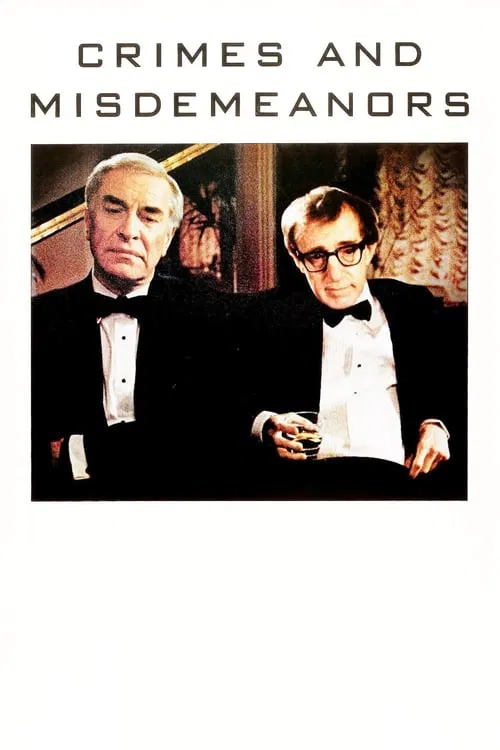
  3. Crimes and Misdemeanors (1989) poster

    Crimes and Misdemeanors

    Woody Allen · 1989

    Judah discovers that the universe doesn't punish murder. His crime goes undetected, his life continues and God's eyes aren't watching. Knowing that he is free destroys his old sense of right and wrong more completely than punishment could have.

    Where to see it: Judah at the wedding reception, telling Clifford his 'story'. The murderer asks the filmmaker to imagine a crime with no divine consequence. The made-up scenario is a barely hidden confession.

  4. Perfect Blue (1997) poster

    Perfect Blue

    Satoshi Kon · 1997

    By the third act, Mima has completely lost track of what she has actually done, seen or imagined. Kon holds back the answer just long enough for you to doubt your own reading too.

    Where to see it: The sequence where Mima discovers blood on her hands. She can't remember how it got there, and neither can we.

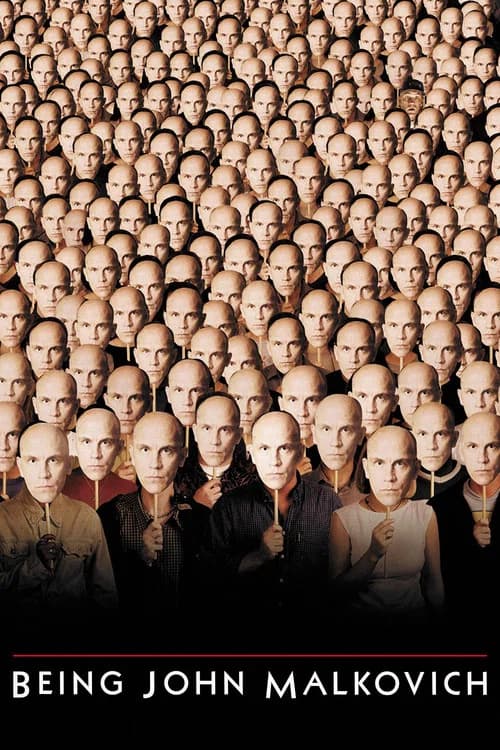
  5. Being John Malkovich (1999) poster

    Being John Malkovich

    Spike Jonze · 1999

    More and more people enter Malkovich, and eventually Malkovich enters himself. Step by step, the film takes away any firm sense of who anyone is. You stop being able to say whose mind is whose at any given moment.

    Where to see it: The sequence where Malkovich enters the portal. He finds that everyone inside his mind is also Malkovich. It is a hall of mirrors with no original.

  6. Memories of Murder (2003) poster

    Memories of Murder

    Bong Joon-ho · 2003

    The DNA result arrives from America and it's negative for the prime suspect. The case is officially unsolved. The film ends in 2003 on Detective Park's face, back at the original crime scene. By then, the collapse of everything they thought they knew is complete and permanent. No approach ever worked.

    Where to see it: The final scene. Park is at the original crime site in 2003 and looks into the camera. The loss of any certainty comes across as a permanent condition, and no reveal comes with it.

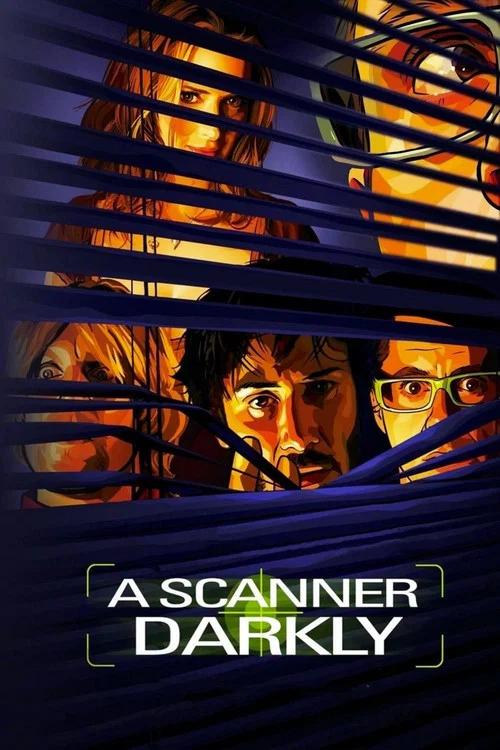
  7. A Scanner Darkly (2006) poster

    A Scanner Darkly

    Richard Linklater · 2006

    Each scene takes away another way for Arctor to tell what is real. When his boss reveals that he has long known who Fred is, Arctor sounds disoriented as he repeats his own name. By the time he reaches the clinic, he can barely understand what has happened to him.

    Where to see it: The reveal from Hank: Hank tells Fred he is Arctor, explains how brain-damaged he has become, and sends him to the New-Path clinic.

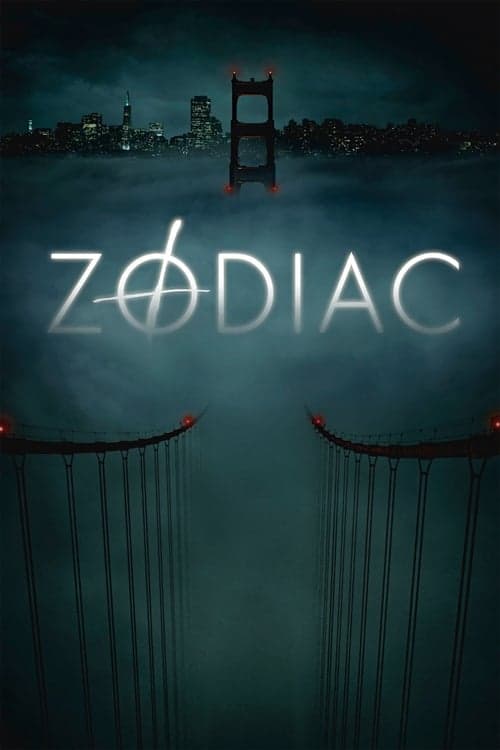
  8. Zodiac (2007) poster

    Zodiac

    David Fincher · 2007

    In the final act, knowledge itself falls apart in slow motion. Graysmith is sure who the killer is, but that certainty can't be confirmed in law or by evidence. Nobody is hiding the truth. It simply can't be reached. Fincher's film is about what it costs to chase certainty in a world that won't give it to you.

    Where to see it: Graysmith's face-to-face meeting with Arthur Leigh Allen at the hardware store. It looks like a moment of certainty, and the film qualifies it straight away. The collapse comes when the film refuses to give you a reveal.

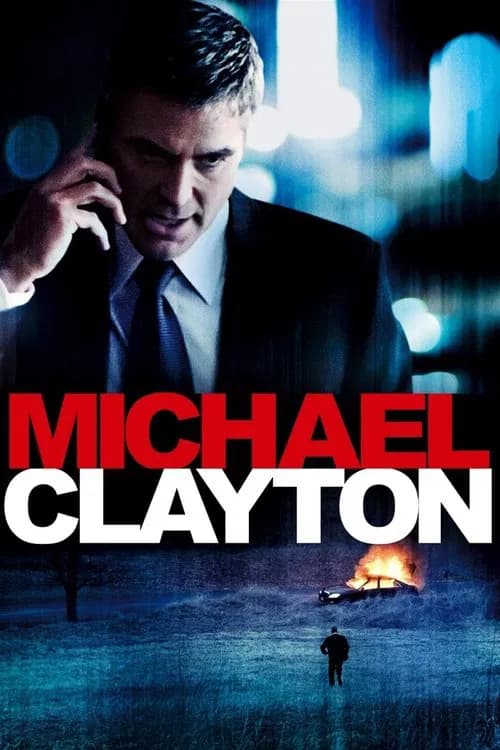
  9. Michael Clayton (2007) poster

    Michael Clayton

    Tony Gilroy · 2007

    Michael discovers what Arthur knew and why the corporation needs him silenced. His role requires him to stay morally neutral, and once he knows this, he can't keep that up. The fixer can't fix the thing he has learned.

    Where to see it: Michael finding Arthur's copy of Realm & Conquest with a copy shop receipt inside, then learning Arthur ordered 3,000 copies of the memo showing what the company knew about its weedkiller. After this information, he can't keep doing the job he has always done.

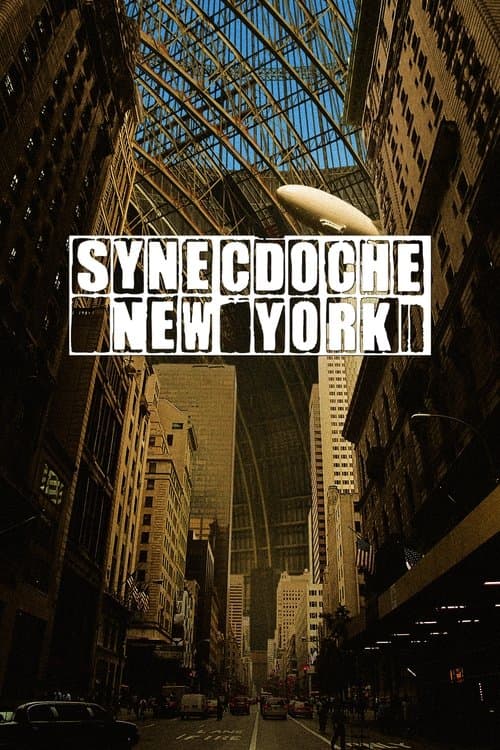
  10. Synecdoche, New York (2008) poster

    Synecdoche, New York

    Charlie Kaufman · 2008

    In the final act, everything Caden thought he knew falls apart in one long stretch. He gives up directing to play Ellen, the housekeeper, while an earpiece tells him what to do. That gives him a view of his own life that he has spent the film refusing. Every way he used to organize experience breaks down at the same time. The collapse arrives as a terrible kind of clarity.

    Where to see it: The move into the role of Ellen. The actress playing Ellen takes over as director, and Caden lives out his days following instructions through an earpiece. The collapse reveals what was always true.

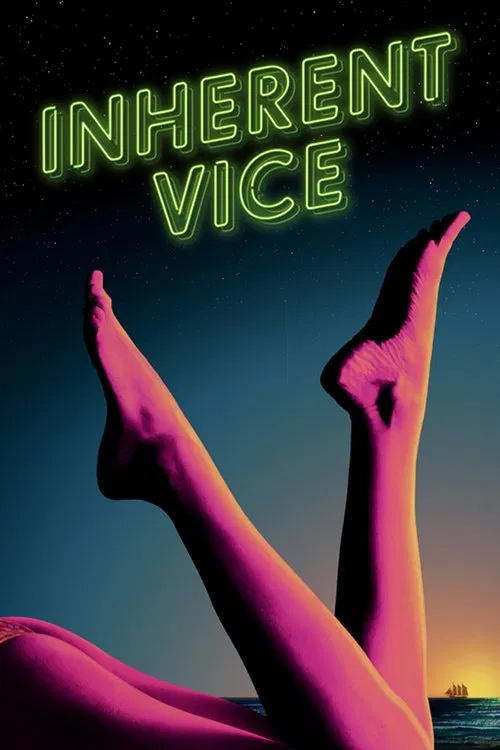
  11. Inherent Vice (2014) poster

    Inherent Vice

    Paul Thomas Anderson · 2014

    The cases overlap so much that you lose track of who is who. Doc can't tell what is real, and neither can you. By the end, the pieces never line up neatly, and that feels honest to the story.

    Where to see it: Doc waking beside a corpse. He is knocked out at a massage parlor and comes round next to Glen Charlock's body.

  12. Burning (2018) poster

    Burning

    Lee Chang-dong · 2018

    Jong-su can never confirm whether Ben is a killer, whether Hae-mi is dead or whether his rage is justified. The film ends on an act of violence carried out without certainty. You'd expect that much doubt to freeze him, and it leads to action. That is perhaps the most disturbing ending possible. Jong-su acts on what he can't know.

    Where to see it: Jong-su's final confrontation with Ben. The violence is carried out with no confirmed evidence. All that doubt ends in action where you'd expect him to freeze.

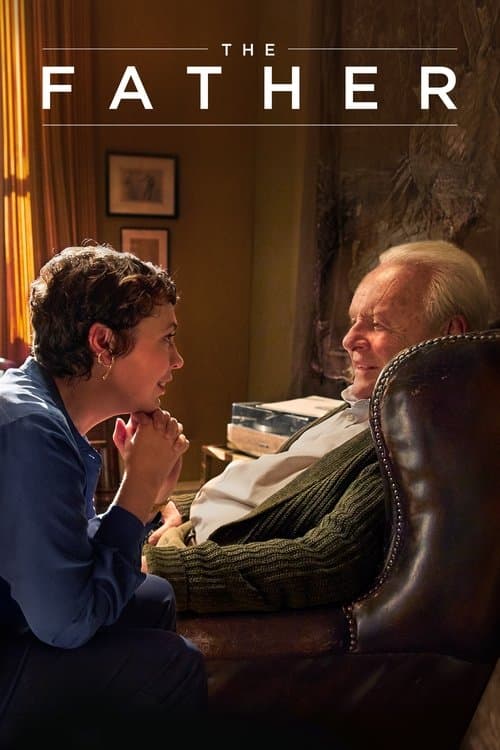
  13. The Father (2020) poster

    The Father

    Florian Zeller · 2020

    Zeller never gives the audience a stable reality. There is no objective version of events to check Anthony's confusion against. You go through the same crisis dementia causes, where you no longer know what is true.

    Where to see it: The final sequence in the care home. You can't tell Anthony's confusion about his mother apart from his grief, and you can't work out the order the real events happened in.

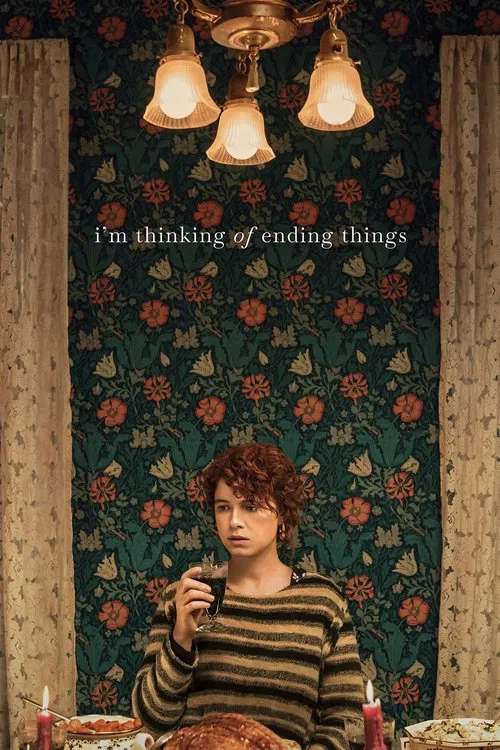
  14. I'm Thinking of Ending Things (2020) poster

    I'm Thinking of Ending Things

    Charlie Kaufman · 2020

    Any detail you grab turns out to be false. The woman's name changes, the stories she tells change, and her own thoughts seem to belong to Jake. By the end you cannot trust a single thing.

    Where to see it: The shifting name: the woman is called different names by different people, and her job changes too, with no explanation.

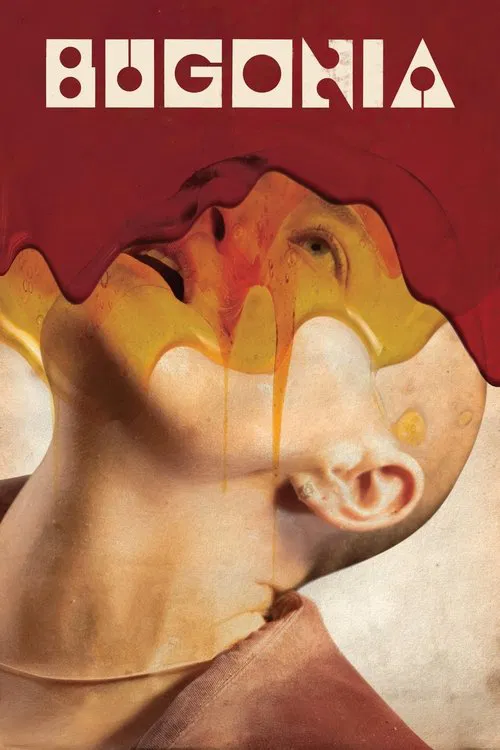
  15. Bugonia (2025) poster

    Bugonia

    Yorgos Lanthimos · 2025

    The film keeps taking away any solid sign of what's real. Is Michelle actually an alien? Does Teddy's worldview show something true? For most of the runtime, neither you nor the characters can get to the truth, and that uncertainty is what the film is after until the ending settles it.

    Where to see it: The film's long middle stretch. Events pile up that fit both Teddy's conspiracy theory and an ordinary explanation.

Questions

Quick answers

What is epistemic collapse in film?
Taking away, piece by piece, any way of telling truth from delusion. A character's whole understanding of events falls apart, and you end up just as lost.
Which films use epistemic collapse?
Rosemary's Baby (1968), Chinatown (1974), Crimes and Misdemeanors (1989), Perfect Blue (1997), Being John Malkovich (1999), Memories of Murder (2003) and 9 more films in the CineCode library.
What kind of technique is epistemic collapse?
It is a psychology technique. Related psychology techniques include Psychological Doubling, Unreliable Reality.