Comparison · 3 shared techniques

Lost in Translation vs Barbie

Lost in Translation (2003) and Barbie (2023) share 3 techniques. Here is how each film uses them.

Shared

Same technique, two films

Color Palette as Worldbuilding

Limiting the film to a tightly chosen set of colors, or giving each place or state its own set. The colors tell you about the world and its mood without dialogue.

Lost in Translation

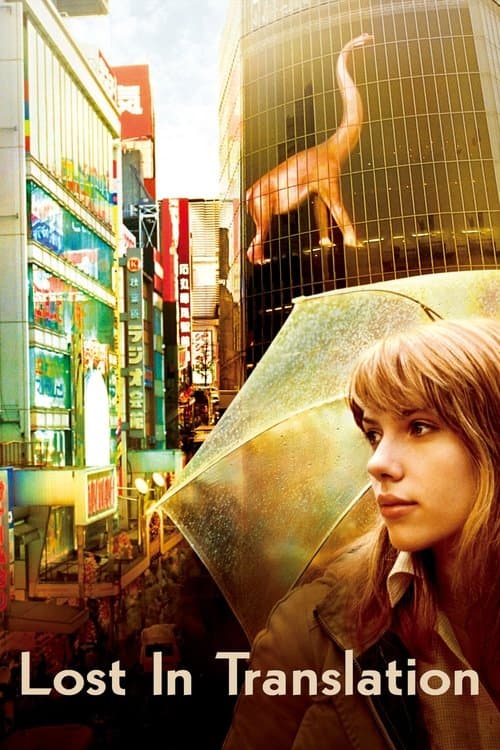
Coppola and cinematographer Lance Acord film Tokyo in neon, fluorescent tubes and late-night artificial light. Those colors make the city beautiful and deeply disorienting at the same time. They don't make Tokyo look hostile or exotic. They show a world that makes sense on its own terms but feels foreign, like the feelings the film is about.

Barbie

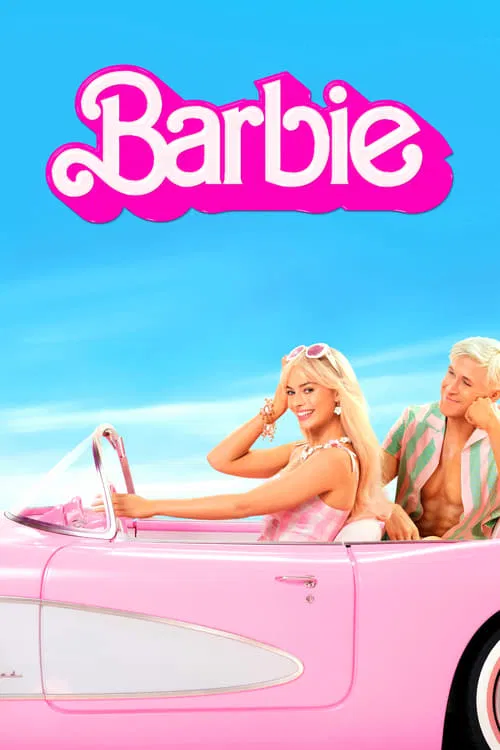
Barbieland is built in bright toy pink, from the houses to the cars. The sets needed the paint supplier's whole remaining stock of one shade of pink. When Barbie and Ken reach Los Angeles, the pink is gone, and the real world looks plain next to them.

Fish-Out-of-Water Comedy

Dropping a character into a world whose social rules they don't understand. The comedy, and some insight too, comes from the constant mismatch between them and everyone around them.

Lost in Translation

Bob Harris can't find his way around Tokyo. You see it at the Japanese whisky commercial shoot and at parties where he can't follow the conversation. The film plays this as gentle comedy and never talks down to anyone. The confusion is Bob's problem and never Japan's. It mirrors the bigger trouble he has connecting with his own life.

Barbie

Barbie and Ken arrive in Los Angeles sure that everyone will love them. People stare and laugh at them. The jokes come from how confident they are that Barbieland rules still apply. The same trip shows Ken a world run by men, which sets up the second half.

Strategic Silence

Removing music, background sound or dialogue from a moment where most films would fill it. The quiet forces you to sit with what is on screen.

Lost in Translation

The film ends on the most deliberate silence in Coppola's work. Bob whispers something to Charlotte, and the audience can't hear it. Holding those words back is the film's last and most complete gesture. I feel like what he said matters less than the fact that he said it. Sharing it with the audience would make it smaller.

Barbie

Barbie's dance party plays like a music video, with every Barbie and Ken moving in sync. Then she asks the room if they ever think about dying, and the music stops dead. Everyone freezes and stares at her. The sudden quiet makes 1 dark thought land like a crash.