Sound technique · used in 29 films

Strategic Silence

Removing music, background sound or dialogue from a moment where most films would fill it. The quiet forces you to sit with what is on screen.

Examples

29 films that use it

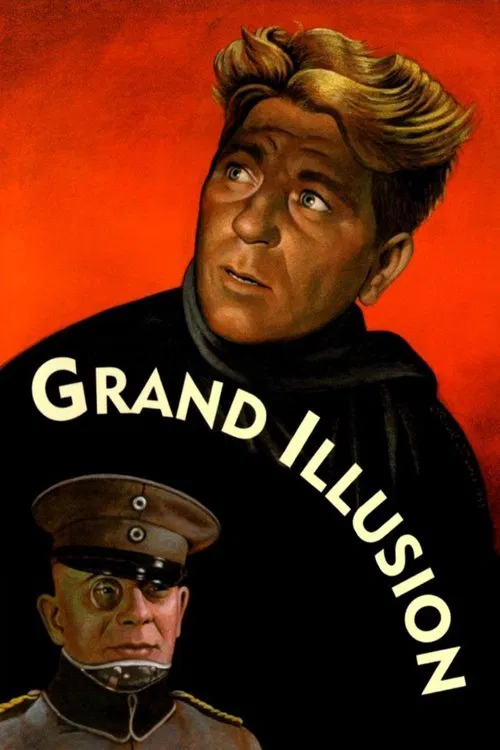
  1. Grand Illusion (1937) poster

    Grand Illusion

    Jean Renoir · 1937

    The most emotional moments between Boeldieu and von Rauffenstein play out in silence or close to it. The 2 aristocrats can't say out loud that their world is dying, so the quiet says it for them.

    Where to see it: Von Rauffenstein alone with Boeldieu's body. He cuts a geranium, and it is the quietest and most devastating moment in the film.
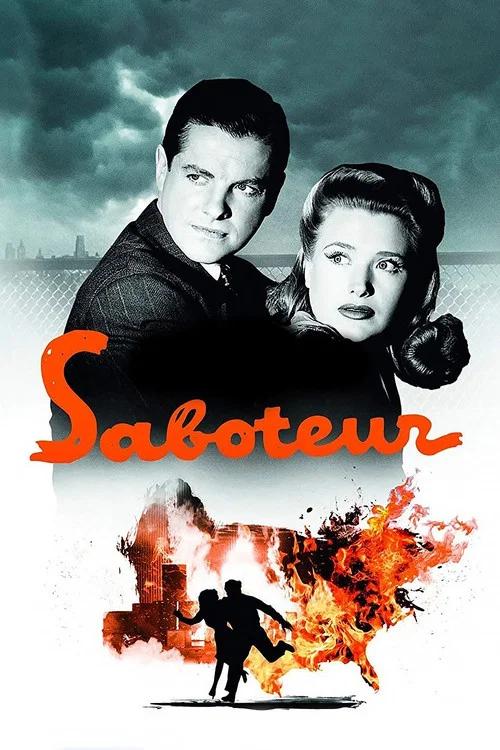
  2. Saboteur (1942) poster

    Saboteur

    Alfred Hitchcock · 1942

    Hitchcock scored no music for the Statue of Liberty climax or the Radio City sequence. Without a score telling you how to feel, you hear only what is happening in the scene. The scenes feel more exposed.

    Where to see it: The Statue of Liberty chase. Barry chases Fry to the torch of the Statue of Liberty, and Hitchcock leaves the score out.

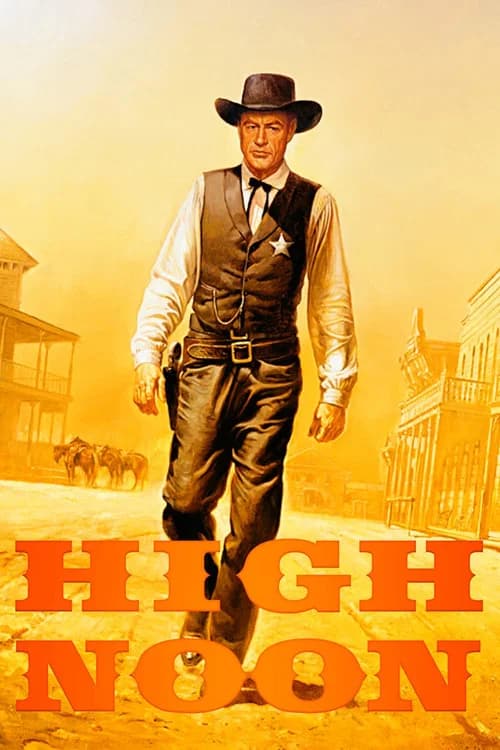
  3. High Noon (1952) poster

    High Noon

    Fred Zinnemann · 1952

    Dimitri Tiomkin's 'Do Not Forsake Me' ballad plays over the credits and comes back as a recurring motif. Between those moments Zinnemann lets the town fall silent as it deserts Kane. You feel the horror of what the town is doing in the silence.

    Where to see it: Kane looking across the empty street as no one will stand with him. The camera rises to show him alone in a deserted town. The silence of the town deserting him is louder than any score.

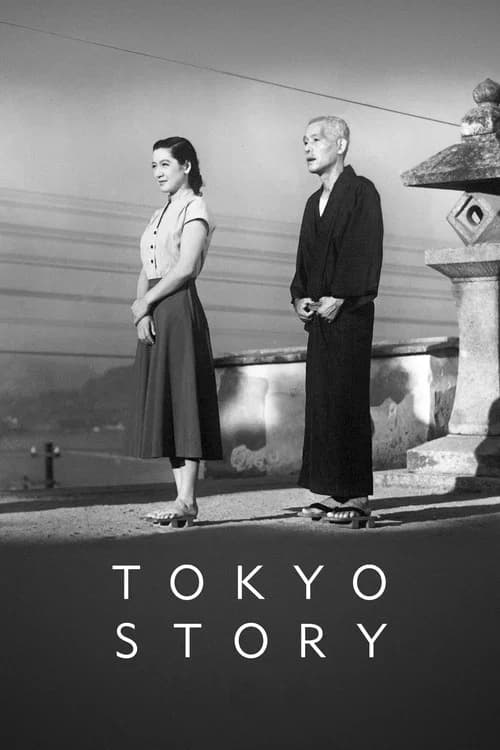
  4. Tokyo Story (1953) poster

    Tokyo Story

    Yasujiro Ozu · 1953

    During the most painful moments of the film, Ozu uses no music at all and leaves only background sound. You can pretty much hear the distance between people.

    Where to see it: Tomi's death scene. You watch it through nearby rooms and hallways, with only the sound of breathing.

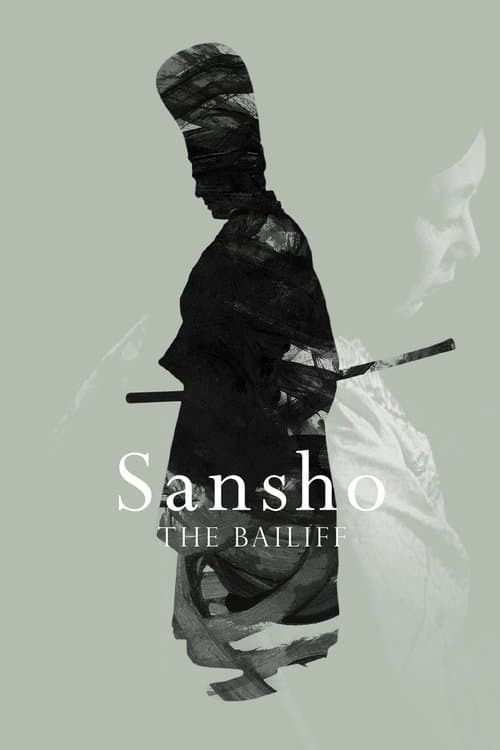
  5. Sansho the Bailiff (1954) poster

    Sansho the Bailiff

    Kenji Mizoguchi · 1954

    Mizoguchi holds back music and spoken comment during the most harrowing scenes (the separation of the family, the mutilations). Only background sound is left while the characters and you take in something too terrible to process.

    Where to see it: The initial separation on the beach. The family is torn apart in near-silence. The sound adds no emphasis to what the images already make unbearable.

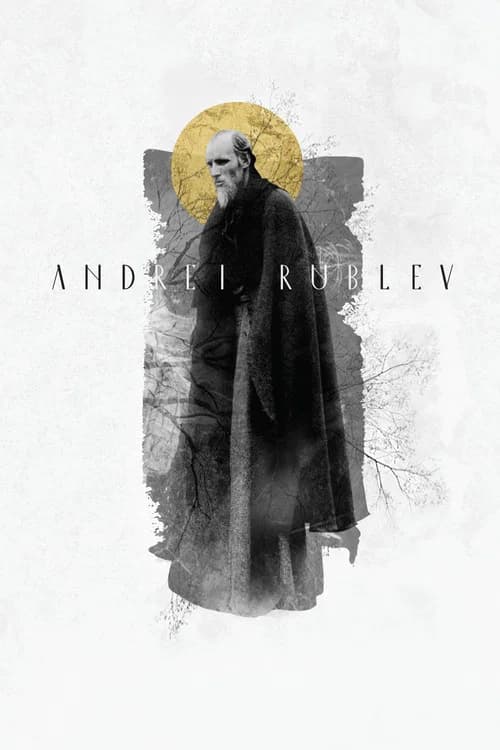
  6. Andrei Rublev (1966) poster

    Andrei Rublev

    Andrei Tarkovsky · 1966

    Rublev takes a vow of silence after witnessing the Tatar sack of Vladimir, and the film respects it in its form. There are long sequences with no dialogue. The background sounds of medieval Russia carry the weight of the story that speech has left behind. The silence is the pressure of a response he never speaks to overwhelming historical violence.

    Where to see it: Rublev's years of silence after the Tatar attack. The film keeps his silence too. The story carries on around a man who has chosen to stop speaking.

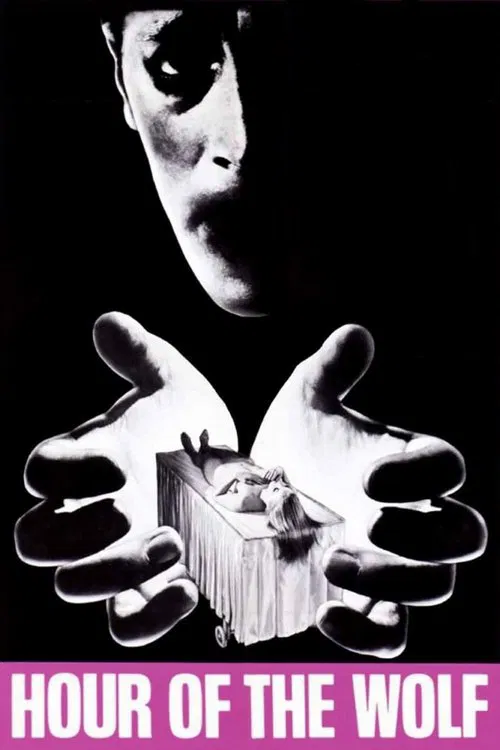
  7. Hour of the Wolf (1968) poster

    Hour of the Wolf

    Ingmar Bergman · 1968

    The score only appears in the second half. It first plays over the memory of the killing of a boy, an overexposed flashback cut together quickly with the boy's screams as the only other sound. After so much quiet, the music is a shock.

    Where to see it: Johan's story of the boy: he tells Alma how he killed a boy while fishing, and the flashback plays with music and screams.

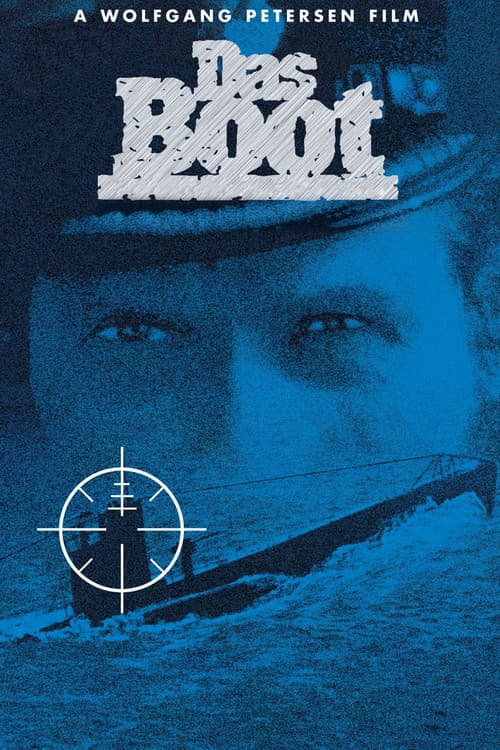
  8. Das Boot (1981) poster

    Das Boot

    Wolfgang Petersen · 1981

    In the silent-running sequences, the crew must stay completely still to avoid being detected. Petersen removes all sound except breathing. There is nothing peaceful about the silence. It is the concentrated dread of men who know any noise will kill them. The absence of sound becomes the most threatening thing in the film.
    Where to see it: The silent-running sequences after depth-charge attacks. The crew is frozen and the submarine drifts. Silence is how they measure survival.

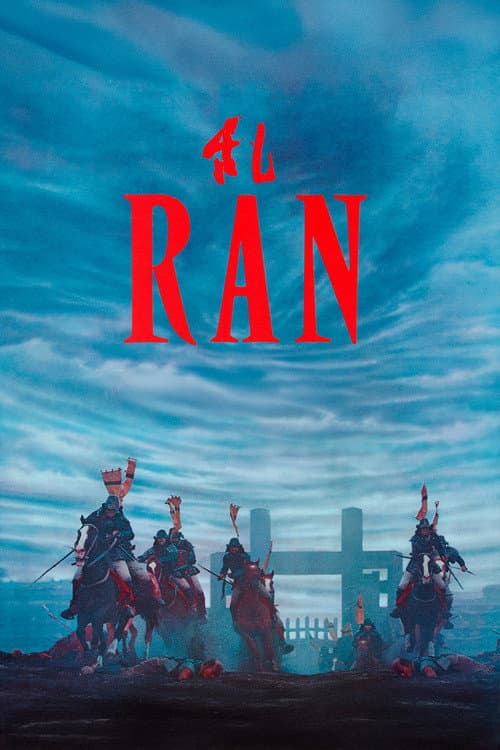
  9. Ran (1985) poster

    Ran

    Akira Kurosawa · 1985

    The Third Castle massacre plays almost entirely without diegetic sound, meaning the sounds that belong to the scene itself. Kurosawa takes out the gunshots and the screaming and replaces them with Tōru Takemitsu's mournful score. The silence makes the slaughter feel like myth and takes away some of its gut-level shock. You watch a tragedy from a great, sorrowful distance.

    Where to see it: The castle massacre sequence. The gunfire and the deaths make no sound, and the score plays over images of total destruction.

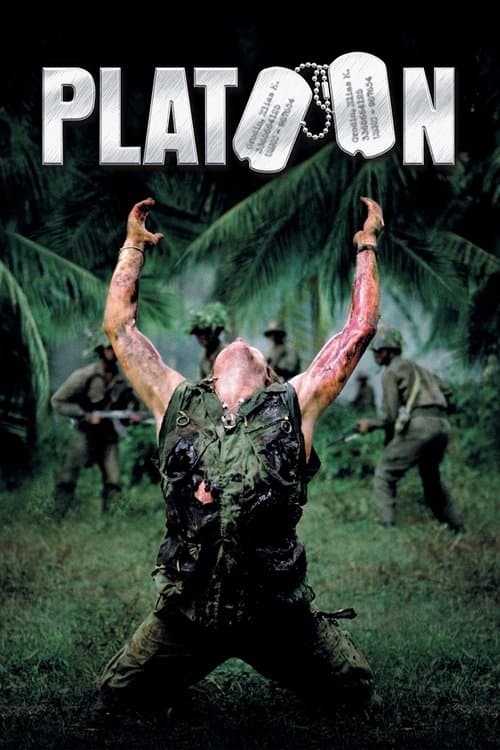
  10. Platoon (1986) poster

    Platoon

    Oliver Stone · 1986

    Stone takes the music out of the most violent sequences and leaves only the sounds of the jungle and combat. When Barber's Adagio for Strings finally arrives, the contrast is devastating.

    Where to see it: Elias running through the jungle with enemy troops chasing him, seen from the departing helicopter. Barber's Adagio plays over the shots that bring him down.

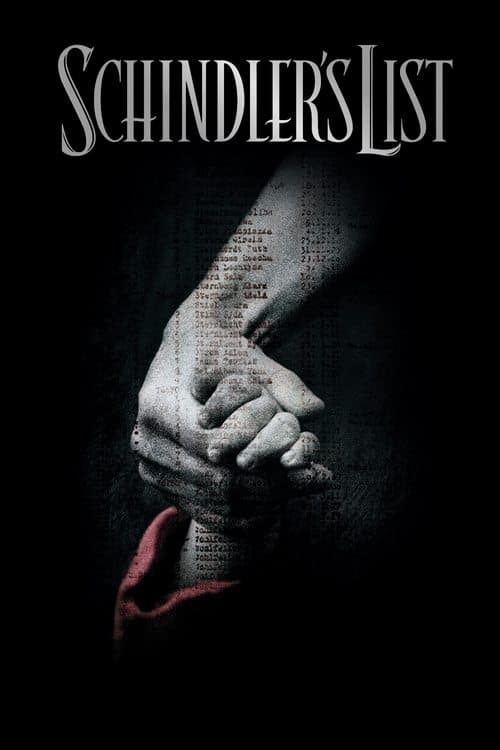
  11. Schindler's List (1993) poster

    Schindler's List

    Steven Spielberg · 1993

    John Williams's score runs through the film, but it drops out completely during the Płaszów liquidation sequences. The silence doesn't feel peaceful. You have to listen to the sounds of the event itself, with no music telling you how to feel.

    Where to see it: The mass shooting sequences in the Płaszów labor camp. They play without music.

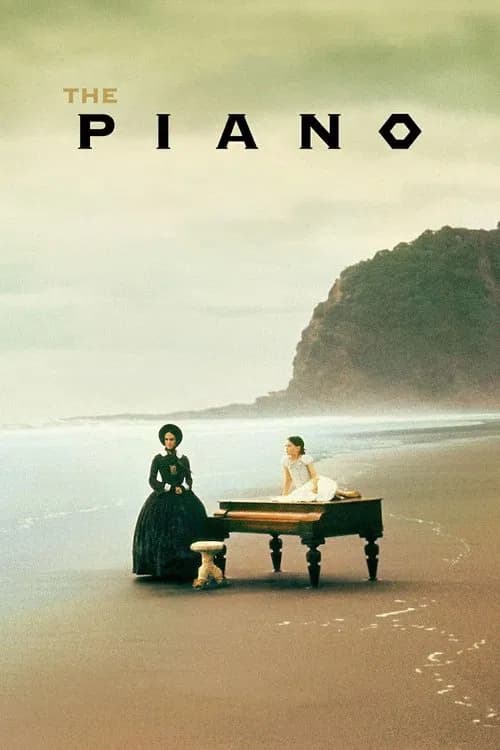
  12. The Piano (1993) poster

    The Piano

    Jane Campion · 1993

    Ada chooses not to speak, and that changes how the whole film sounds. You feel her silence as a presence. It forces the other characters and you to find meaning in gesture, expression and piano.

    Where to see it: Ada and Flora signing to each other. They communicate through sign language while the men around them talk past each other.

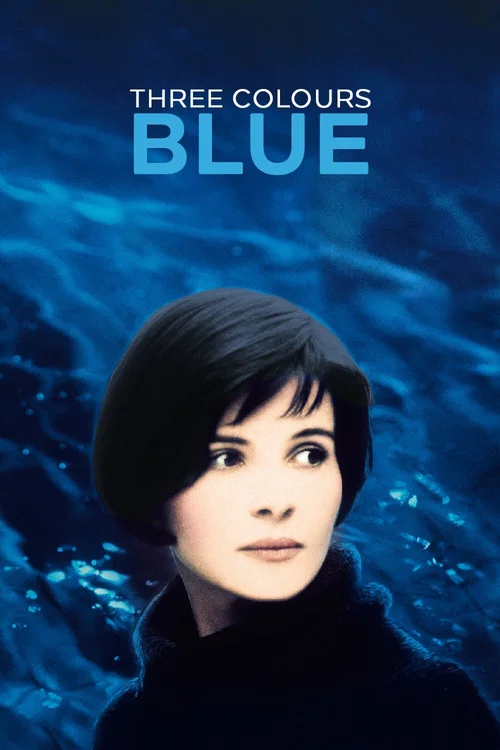
  13. Three Colors: Blue (1993) poster

    Three Colors: Blue

    Krzysztof Kieślowski · 1993

    Kieślowski uses sudden, total silence to show Julie disconnecting from the world. The film goes completely quiet in the middle of a scene. The world cuts out the way emotion cuts out when grief gets too big to take in.

    Where to see it: The repeated moments when the screen goes black and silent, during which a fragment of the symphony plays. The black image and the music are what Julie is experiencing inside. The silence before and after is the emptiness around the memory.

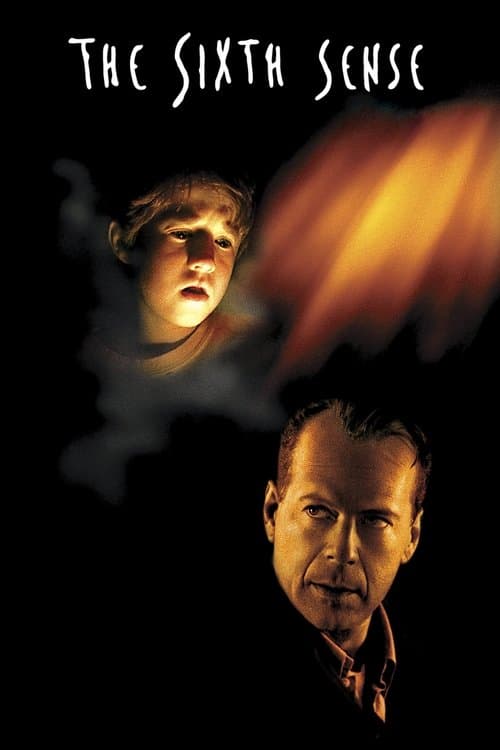
  14. The Sixth Sense (1999) poster

    The Sixth Sense

    M. Night Shyamalan · 1999

    Shyamalan cuts the music completely before the film's key reveals. When Cole tells Malcolm his secret, the background sound fades away. The silence works like a frame around the moment and tells you to give it your full attention. Over the film, you learn to treat silence as a signal.

    Where to see it: Cole's whispered confession from his hospital bed. The silence before and after it leaves the words on their own, with no background sound to soften them.

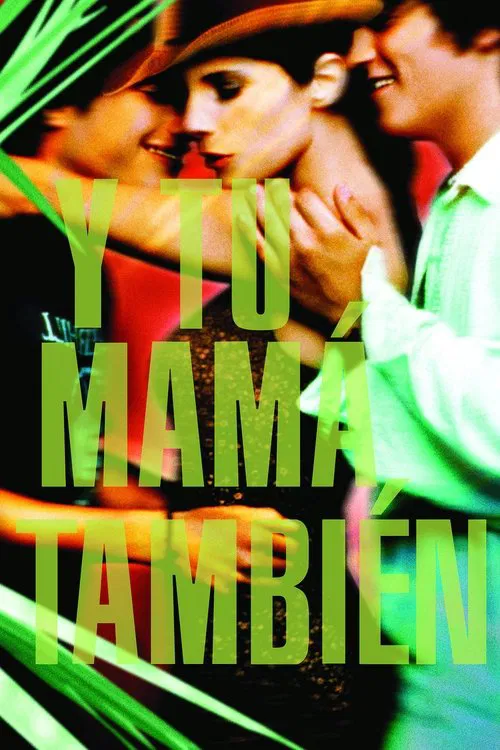
  15. Y Tu Mamá También (2001) poster

    Y Tu Mamá También

    Alfonso Cuarón · 2001

    Every so often, all the sound in the scene cuts out and a calm narrator takes over. In that sudden quiet, he tells you things the characters don't know, about the people and places they pass. The silence makes you lean in.

    Where to see it: The fishing family at Boca del Cielo. The sound drops away while the narrator explains that the fisherman Chuy and his family will later lose their land to a hotel.

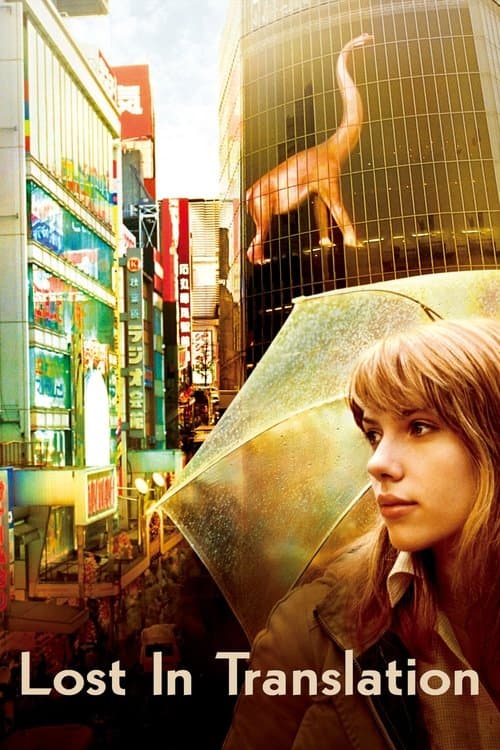
  16. Lost in Translation (2003) poster

    Lost in Translation

    Sofia Coppola · 2003

    The film ends on the most deliberate silence in Coppola's work. Bob whispers something to Charlotte, and the audience can't hear it. Holding those words back is the film's last and most complete gesture. I feel like what he said matters less than the fact that he said it. Sharing it with the audience would make it smaller.

    Where to see it: The final street farewell. You can't hear Bob's whisper to Charlotte. Because the film won't let you hear it, the moment feels more private.

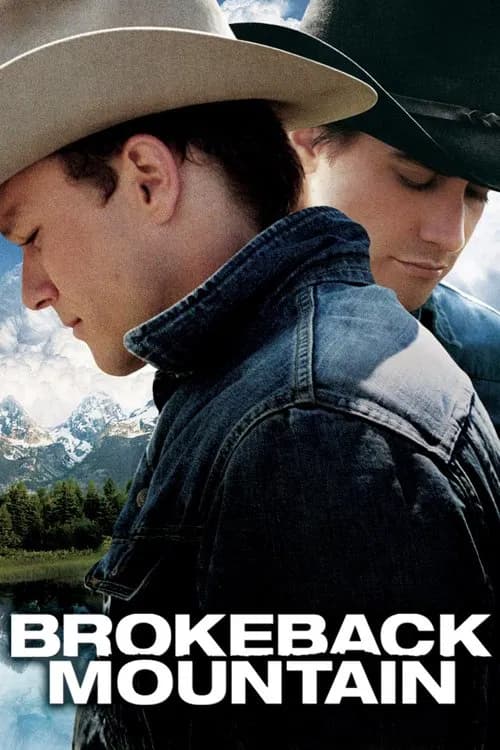
  17. Brokeback Mountain (2005) poster

    Brokeback Mountain

    Ang Lee · 2005

    Ang Lee and composer Gustavo Santaolalla hold the music back. The sparse guitar score goes silent at the moments of greatest emotional weight. You have to sit with the characters in the silence of what they cannot say.

    Where to see it: Ennis collapsing against the wall after Jack drives away the first time. The music and the dialogue both drop out. His body shows what he has no words for.

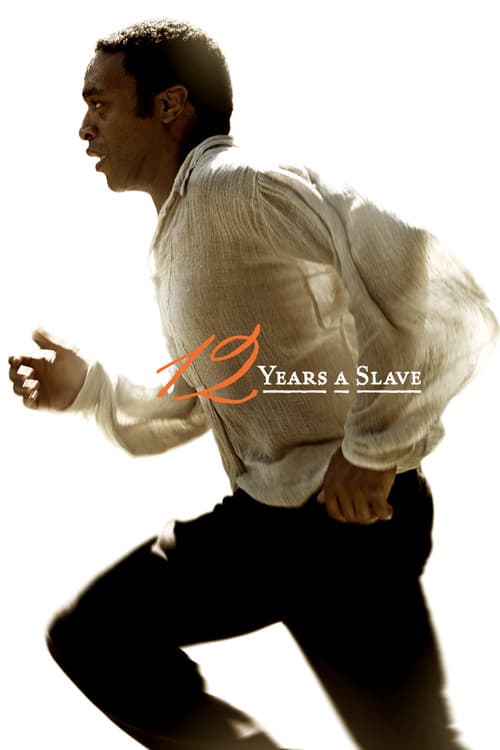
  18. 12 Years a Slave (2013) poster

    12 Years a Slave

    Steve McQueen · 2013

    A conventional historical drama would use music to guide how you feel. In those sequences, McQueen takes Hans Zimmer's score out. You have to sit with the suffering with no soundtrack standing between you and it. The silence puts you in the scene and takes away the protection that movie convention usually gives you.

    Where to see it: The hanging sequence. The camera holds on Solomon surviving on his tiptoes with no score. The silence makes the length of it unbearable, exactly as McQueen intends.

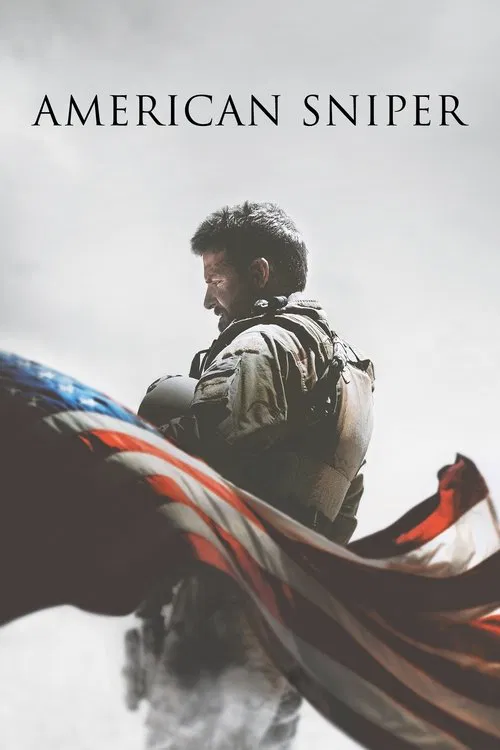
  19. American Sniper (2014) poster

    American Sniper

    Clint Eastwood · 2014

    After the funeral footage, the end credits are a long stretch without music. There is no swelling song telling you how to feel. You sit with what you have just seen.

    Where to see it: End credits: the film ends on real funeral and memorial footage, and the later part of the credits plays without music.

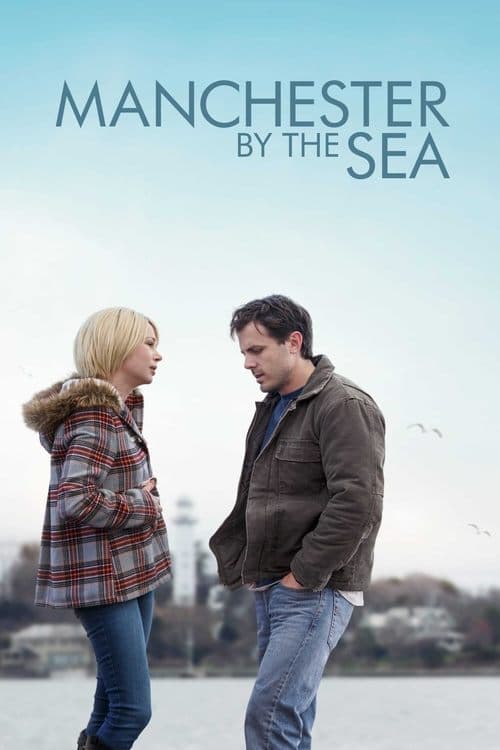
  20. Manchester by the Sea (2016) poster

    Manchester by the Sea

    Kenneth Lonergan · 2016

    The film drops its score at key emotional peaks. You are left in silence with Lee, who can't process what has happened.

    Where to see it: Lee's first meeting with his ex-wife Randi after years apart. The soundtrack disappears completely as she speaks to him on the sidewalk.

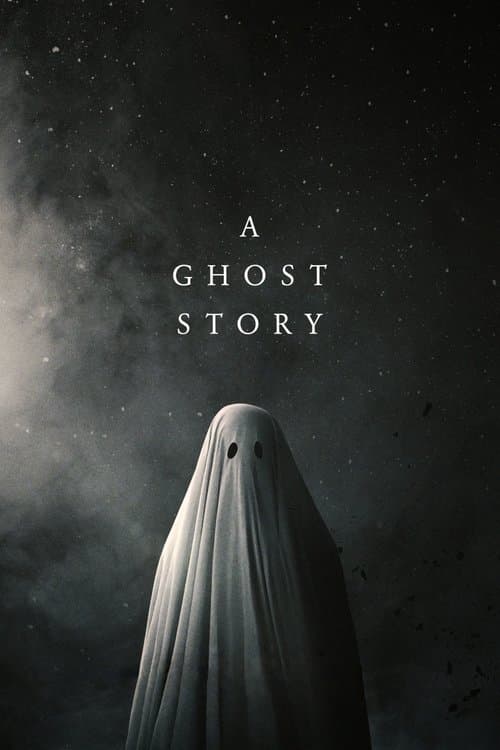
  21. A Ghost Story (2017) poster

    A Ghost Story

    David Lowery · 2017

    Lowery takes out music and dialogue for long stretches. The ghost just watches and the house just stands there. The silence becomes a weight, and it presses you into the same waiting the ghost has to endure.

    Where to see it: The pie-eating sequence. It is an unbroken take of about 4 and a half minutes in silence, and it manages to be comic and painful at once. It is fairly extraordinary to sit through.

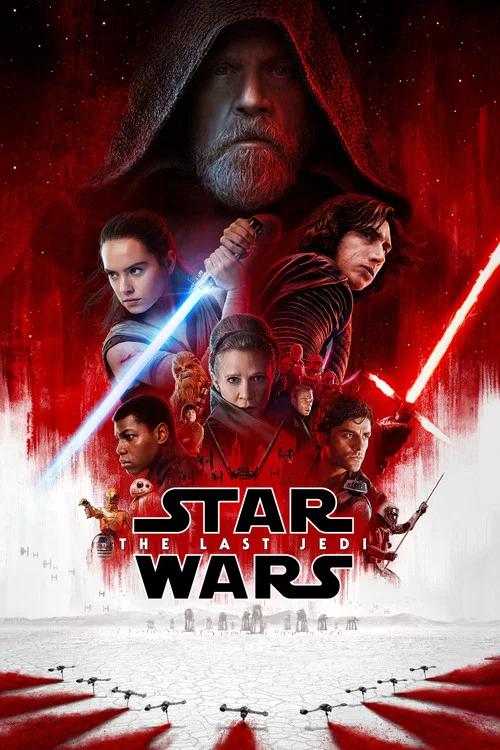
  22. Star Wars: The Last Jedi (2017) poster

    Star Wars: The Last Jedi

    Rian Johnson · 2017

    At the most violent moment of the space battle, the sound drops away almost completely. A film with this much noise suddenly goes quiet, so the sacrifice hits harder than any explosion would.

    Where to see it: The hyperspace ram. Admiral Holdo turns her ship around and sends it through the First Order flagship at lightspeed.

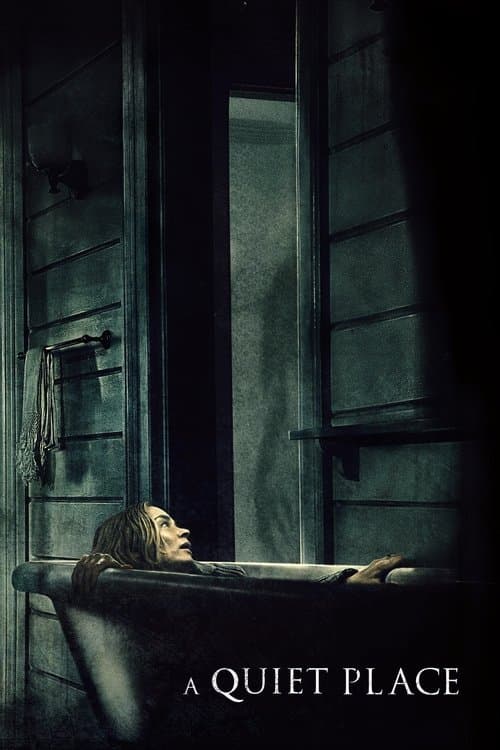
  23. A Quiet Place (2018) poster

    A Quiet Place

    John Krasinski · 2018

    Marco Beltrami's score is used very sparingly, which leaves most of the film in near-silence. The quiet itself is a constant threat. You hold your breath alongside the characters.

    Where to see it: The birth sequence. The mother is in the bathtub and the creature is in the house, so every splash and gasp could get her killed. I feel like the silence between the sounds is more terrifying than any score.

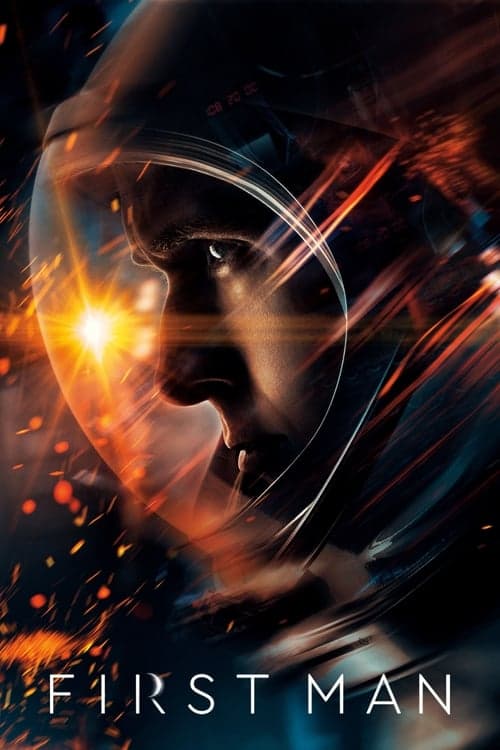
  24. First Man (2018) poster

    First Man

    Damien Chazelle · 2018

    Justin Hurwitz's score is present throughout the film and drops out entirely for the lunar surface sequences. The vacuum of space is played as true silence. The most dramatic moments of the mission have no music to tell you how to feel.

    Where to see it: Armstrong's walk to the crater where he drops his daughter's bracelet. The film goes completely silent, with no score and no background sound. In the silence of the lunar vacuum, his grief has finally found its resting place.

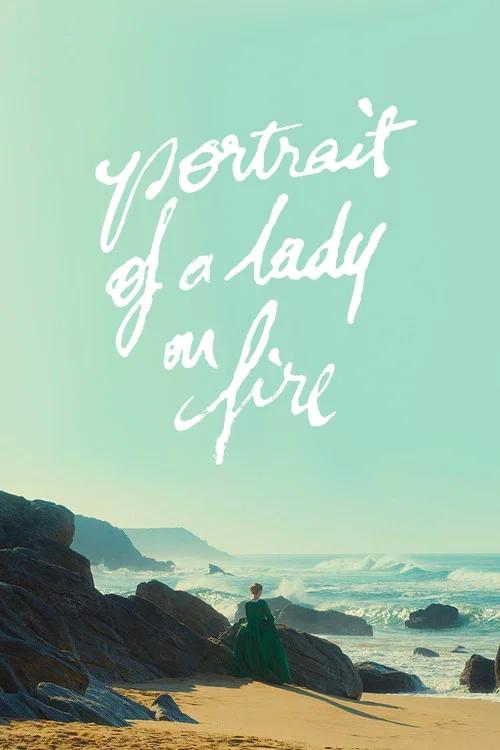
  25. Portrait of a Lady on Fire (2019) poster

    Portrait of a Lady on Fire

    Céline Sciamma · 2019

    The film has no conventional score, which is remarkable restraint for a period romance. Music appears only at a few deliberate moments. Two of the biggest are the beach fire scene and the final concert. Because of all the silence, every sound the film does make hits you very hard.

    Where to see it: The beach fire scene. Music appears for the first time as the women sing together. After so much silence, its arrival is physically staggering.

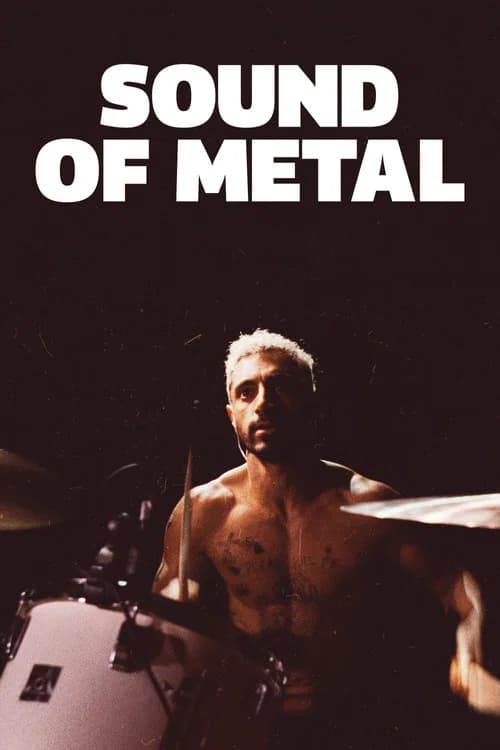
  26. Sound of Metal (2019) poster

    Sound of Metal

    Darius Marder · 2019

    Marder's most powerful sound design choice is real silence, held for a long time with no cue to warn you. Over 2 hours, he trains you to hear silence as a presence. Then the final scene delivers it as a kind of peace.

    Where to see it: Ruben on a bench in a Paris square, taking off his implant processors as church bells ring. The film goes fully silent, and you share the quiet Ruben finally chooses to live in.

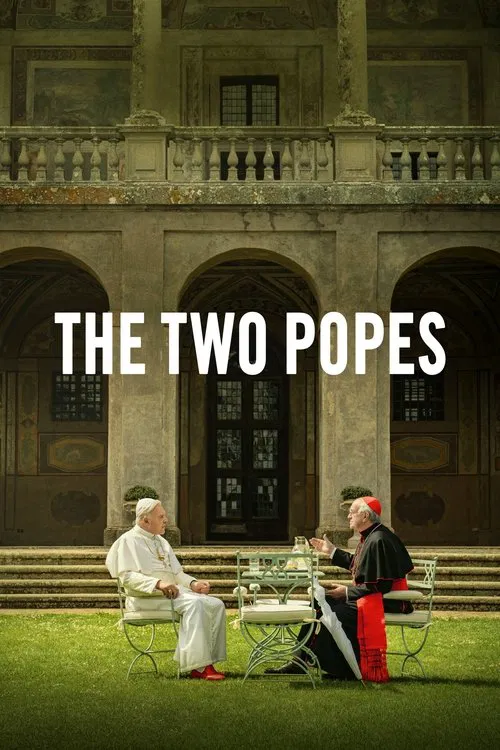
  27. The Two Popes (2019) poster

    The Two Popes

    Fernando Meirelles · 2019

    When Benedict confesses, the sound fades out before you hear all of it. The film makes you sit with the fact of what he did, not the details. Leaving out the words says more than any speech would.

    Where to see it: Benedict's confession. The audio fades as he tells Bergoglio what he knew about Maciel.

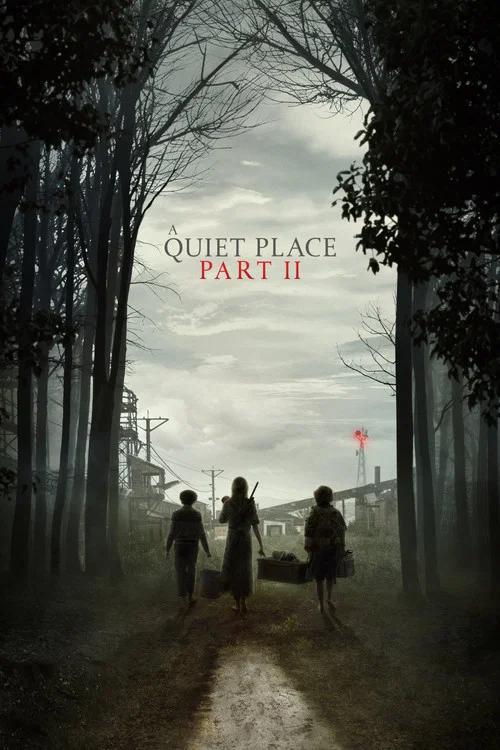
  28. A Quiet Place Part II (2021) poster

    A Quiet Place Part II

    John Krasinski · 2021

    Quiet is the main danger in this world, so every ordinary sound can be a risk. The film uses silence to make a small noise feel huge.

    Where to see it: The bear trap: Marcus steps in a bear trap and screams, drawing an alien to the family.

  29. Barbie (2023) poster

    Barbie

    Greta Gerwig · 2023

    Barbie's dance party plays like a music video, with every Barbie and Ken moving in sync. Then she asks the room if they ever think about dying, and the music stops dead. Everyone freezes and stares at her. The sudden quiet makes 1 dark thought land like a crash.

    Where to see it: The Dreamhouse dance party. The music cuts out the second Barbie asks her question, and she covers by joking that she's dying to dance.

Questions

Quick answers

What is strategic silence in film?
Removing music, background sound or dialogue from a moment where most films would fill it. The quiet forces you to sit with what is on screen.
Which films use strategic silence?
Grand Illusion (1937), Saboteur (1942), High Noon (1952), Tokyo Story (1953), Sansho the Bailiff (1954), Andrei Rublev (1966) and 23 more films in the CineCode library.
What kind of technique is strategic silence?
It is a sound technique. Related sound techniques include Diegetic Sound Design.