Sound technique · used in 28 films

Diegetic Sound Design

Using sounds the characters themselves can hear, like footsteps, radios or traffic, to build tension or show how someone feels. The sound does more than make the scene realistic.

Examples

28 films that use it

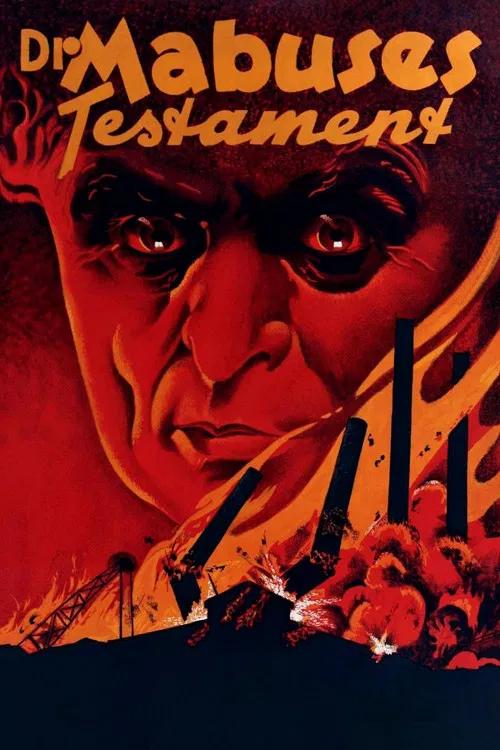
  1. The Testament of Dr. Mabuse (1933) poster

    The Testament of Dr. Mabuse

    Fritz Lang · 1933

    Lang mixes silence, music and real noise, much as he did in M. The roar of machines can drown out a warning, and sudden quiet can make you jump.

    Where to see it: The print shop: Hofmeister flees into a noisy print shop and phones Inspector Lohmann before shots ring out.
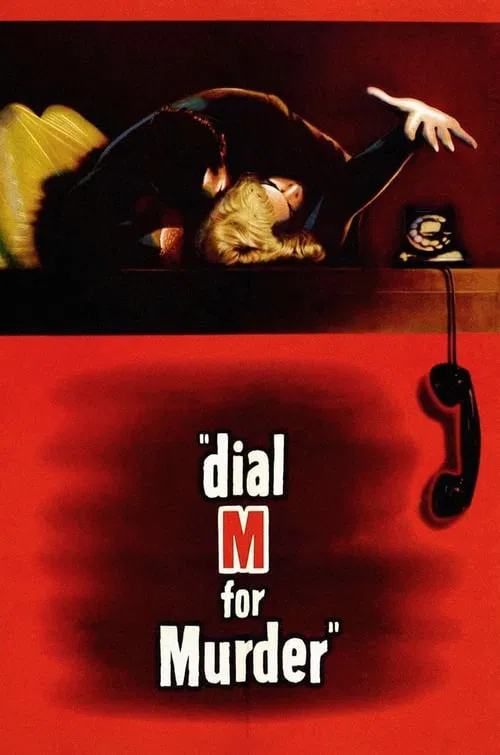
  2. Dial M for Murder (1954) poster

    Dial M for Murder

    Alfred Hitchcock · 1954

    The murder plot depends on a phone call. Swann waits in the flat for it to ring, and Tony hears the struggle through the receiver when it happens. You get the horror from the sound alone.

    Where to see it: The phone call. Tony rings from the party and Margot answers, then Swann attacks her. Tony listens to her pleading for help.

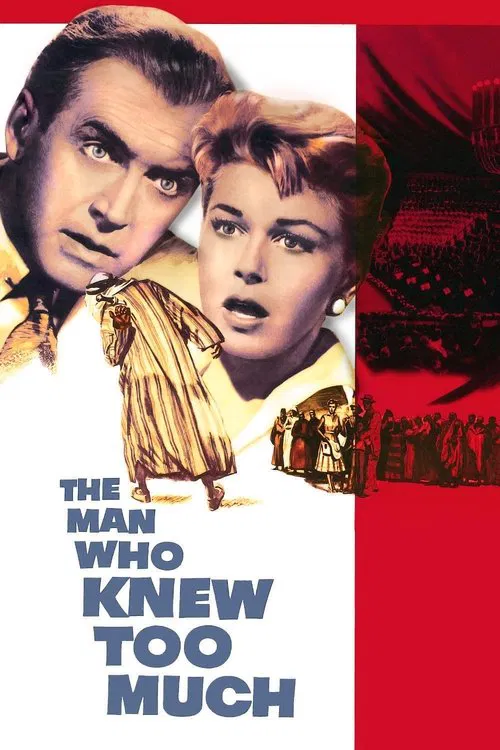
  3. The Man Who Knew Too Much (1956) poster

    The Man Who Knew Too Much

    Alfred Hitchcock · 1956

    Jo's singing is the weapon in the last scene. She performs 'Que Sera, Sera' loudly at the embassy so her son will hear her. The sound is part of the world, and the characters use it as a signal.

    Where to see it: The embassy song. Jo sings for the prime minister, and Hank, held upstairs, hears her and whistles along.

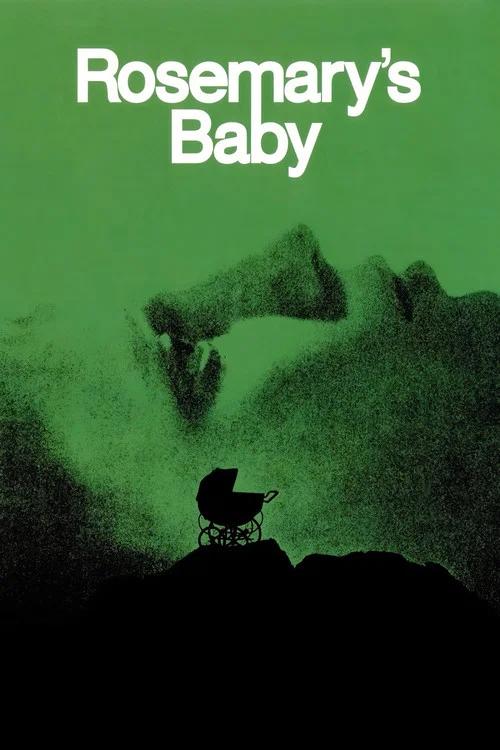
  4. Rosemary's Baby (1968) poster

    Rosemary's Baby

    Roman Polanski · 1968

    A neighbor in the building keeps practicing Für Elise on the piano. You hear it through the walls, a little better each time. It quietly tells you months are passing while Rosemary is stuck inside the apartment.

    Where to see it: Rosemary at home during her pregnancy. She sits in the apartment, pale and thin, while the same piano piece drifts in from somewhere in the building.

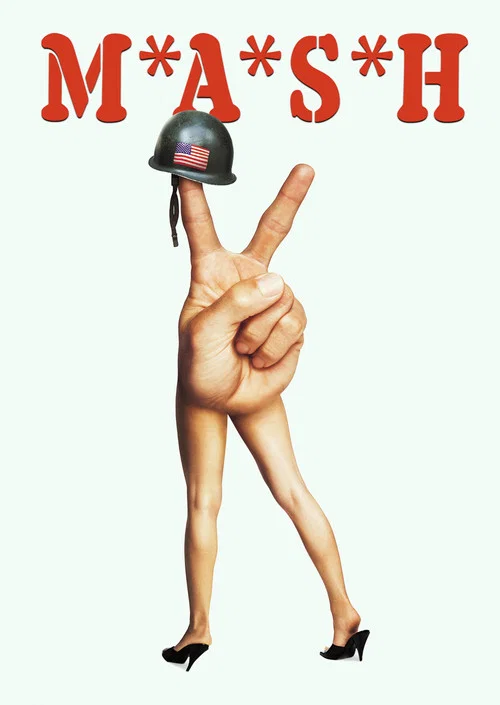
  5. M*A*S*H (1970) poster

    M*A*S*H

    Robert Altman · 1970

    The camp's public address system is part of the world and part of the joke. Voices come over loudspeakers into scenes, so the camp itself seems to be listening. It also gives the pranksters a weapon, since a microphone can embarrass someone in front of everyone.

    Where to see it: The Hot Lips broadcast: Radar and the surgeons sneak a microphone into Margaret Houlihan's tent. The whole camp hears her encounter with Frank Burns over the public address system.

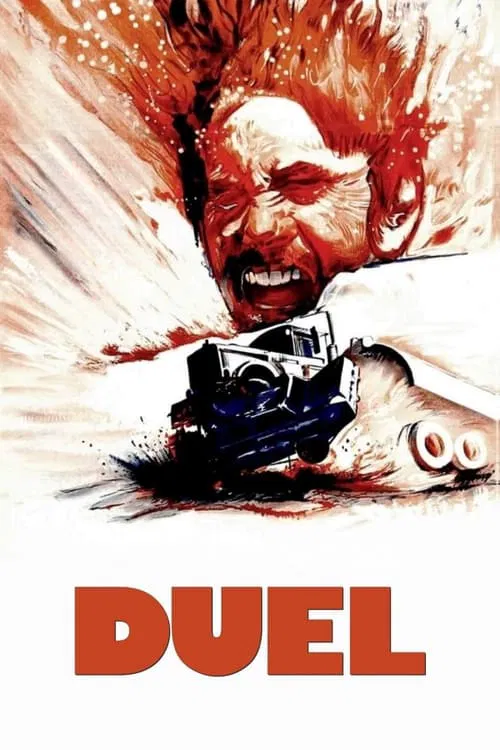
  6. Duel (1971) poster

    Duel

    Steven Spielberg · 1971

    Dialogue is sparse, so the vehicles' noises carry the film. Engines, horns and tires build the tension. Spielberg uses silence and sound to tease you.

    Where to see it: The school bus scene. Mann stops to help a stranded bus, their bumpers lock together, and the roar of engines fills the road.

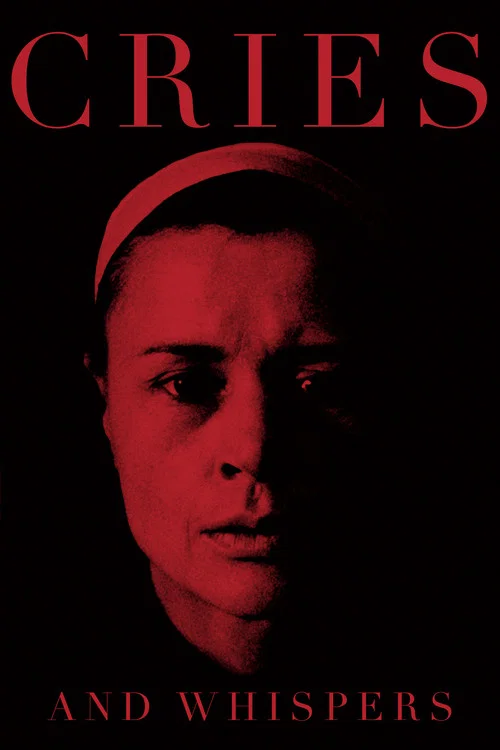
  7. Cries and Whispers (1972) poster

    Cries and Whispers

    Ingmar Bergman · 1972

    Clocks tick, bells ring and Agnes breathes with difficulty. These sounds are the film's score for long stretches. You hear time running out the same way the sisters do.

    Where to see it: Agnes's death: her last breaths are drawn out and emphasized.

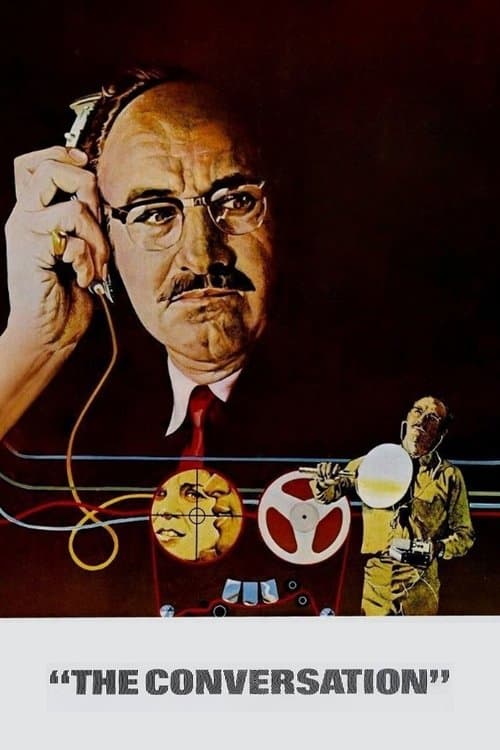
  8. The Conversation (1974) poster

    The Conversation

    Francis Ford Coppola · 1974

    Walter Murch's sound design turns a single recorded conversation into a puzzle Harry can't leave alone. The tape is played back again and again. Each time, the focus lands on different words and you hear a new meaning.

    Where to see it: Harry replaying the phrase 'He'd kill us if he got the chance'. The stress moves between words over several listens.

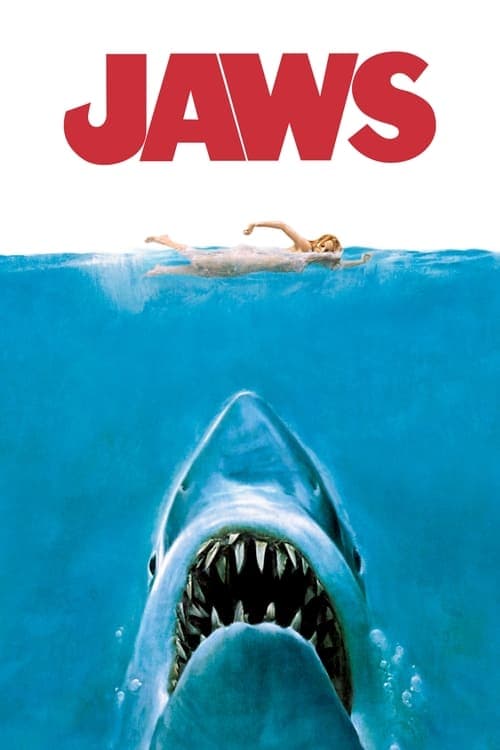
  9. Jaws (1975) poster

    Jaws

    Steven Spielberg · 1975

    John Williams' 2-note theme is score, music only you can hear, so it sits outside the world of the film. The diegetic sound is what the characters hear: the waves, the creaking boat and the reel line running out. Spielberg also uses silence, the absence of the theme, as a weapon of its own. He trains you to relax when the music stops and then strikes without warning.

    Where to see it: The Orca scenes. With no theme playing, you relax, and then the shark surfaces unexpectedly. The quiet on the boat works as false safety.

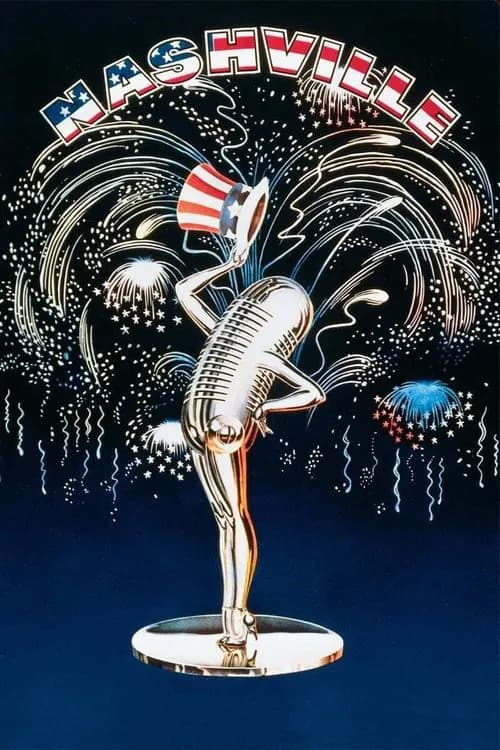
  10. Nashville (1975) poster

    Nashville

    Robert Altman · 1975

    Altman recorded all the country music performances live. The songs were written for the film and performed by the actors. That makes the soundtrack a character in its own right, and the lyrics tell parts of the story the dialogue can't.

    Where to see it: Barbara Jean's breakdown during her performance. The live recording catches the moment when the act and the real person collapse into each other. The music is diegetic, meaning it is played inside the scene, and here it works like a medical test.

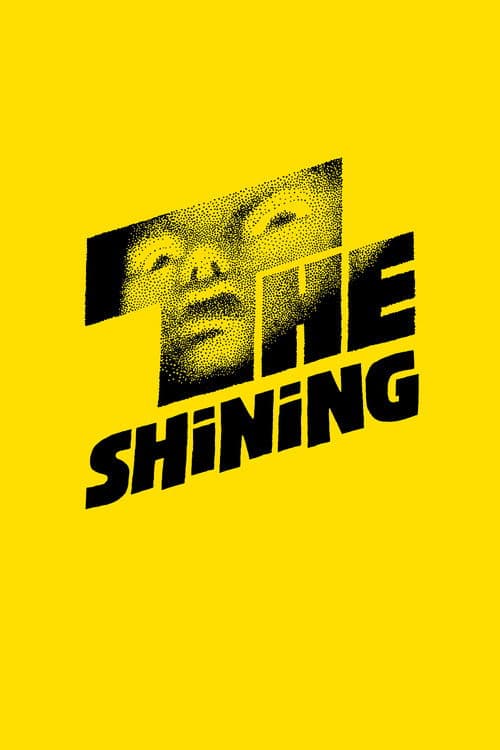
  11. The Shining (1980) poster

    The Shining

    Stanley Kubrick · 1980

    Kubrick builds dread out of sounds that come from inside the hotel. Danny's Big Wheel rumbles over the wooden floors and goes quiet each time it crosses a rug. In the Gold Room, old dance band music plays for a party that shouldn't be there. Familiar sounds come out alien and threatening.

    Where to see it: Danny's Big Wheel rides through the hallways. The wheels are loud on the wooden floors and go silent on the carpet.

  12. Jurassic Park (1993) poster

    Jurassic Park

    Steven Spielberg · 1993

    Before you see the T. rex, you hear its footsteps. A deep thud repeats, and the water in a cup on the dashboard ripples with each one. The effects team made the ripples by plucking a guitar string under the dashboard. It's pretty much the perfect warning, because it tells you how big the animal is before it shows up.

    Where to see it: The water cups. Tim notices rings forming in the cups on the dashboard, and the thuds get louder as the T. rex nears the fence.

  13. Contact (1997) poster

    Contact

    Robert Zemeckis · 1997

    The story depends on what the characters hear. The signal arrives as sound in headphones and speakers at the radio array. The mix puts you right with Ellie as she listens.

    Where to see it: The signal from Vega: At the Very Large Array in New Mexico, Ellie's team detects a sequence of prime numbers coming from Vega.

  14. Amélie (2001) poster

    Amélie

    Jean-Pierre Jeunet · 2001

    The film is built from diegetic sounds, meaning sounds that come from inside the scene, turned up louder than life. You hear the crack of crème brûlée, a hand plunging into grain and the click of dominoes. Jeunet and sound designer Guillaume Leriche turn these into events you can almost feel. The ordinary world ends up full of the pleasure of touch, which matches how Amélie herself relates to sensation.

    Where to see it: Amélie cracking the crème brûlée. The sound makes a simple action as satisfying as a deep physical experience.

  15. Lost in Translation (2003) poster

    Lost in Translation

    Sofia Coppola · 2003

    The film's emotional texture comes from Tokyo's background noise. You hear the pachinko parlors, the street noise and a hotel corridor at 4 a.m. These sounds are diegetic, meaning they come from inside the story's world. Coppola uses them to make the characters' insomnia and displacement audible. You hear the particular loneliness of being awake in an unfamiliar place.

    Where to see it: The sleepless hotel sequences. The background sound of Tokyo turns the characters' wakefulness into something they share with the city. You are never just inside their thoughts.

  16. War of the Worlds (2005) poster

    War of the Worlds

    Steven Spielberg · 2005

    The tripods announce themselves with a deep, brassy blare that every character can hear. The sound is the same one you remember when the machines appear later. It turns noise into a warning for the audience and the family.

    Where to see it: The tripod's call: The sound of the machines rises over a ruined neighborhood, and Ray and the others freeze before running.

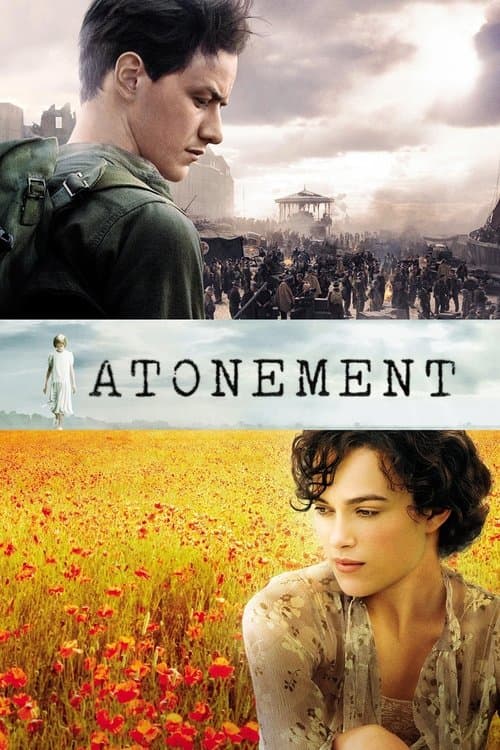
  17. Atonement (2007) poster

    Atonement

    Joe Wright · 2007

    Dario Marianelli weaves the sound of Briony's typewriter into the score. The clacking keys become a musical theme. When you hear it, you are reminded that Briony is the author and controls the story you are watching.

    Where to see it: The typewriter rhythm under the opening party scenes. You can hear the story being written underneath the events it describes.

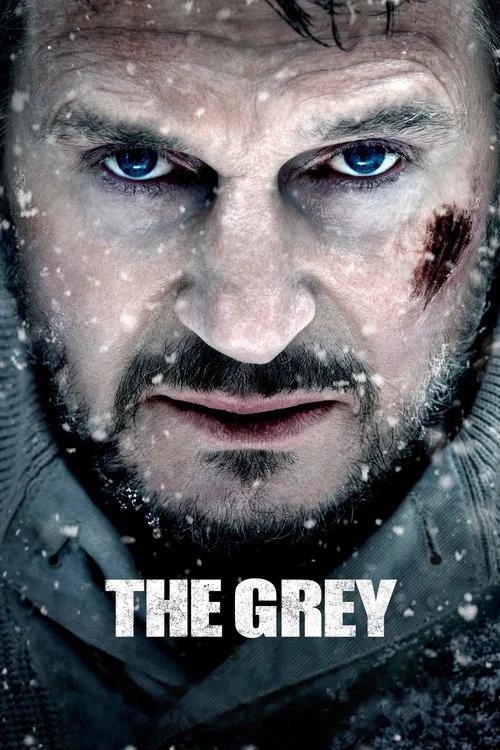
  18. The Grey (2011) poster

    The Grey

    Joe Carnahan · 2011

    Out in the dark, what you hear is the wind, the crackle of the fires and the wolves moving just past the light. The men hear the same things, so their fear and yours stay in step. The sound tells you the wolves are close before you see one.

    Where to see it: Night of the campfires: The men light fires to keep the wolves away. A lone wolf charges Diaz and the group kills it.

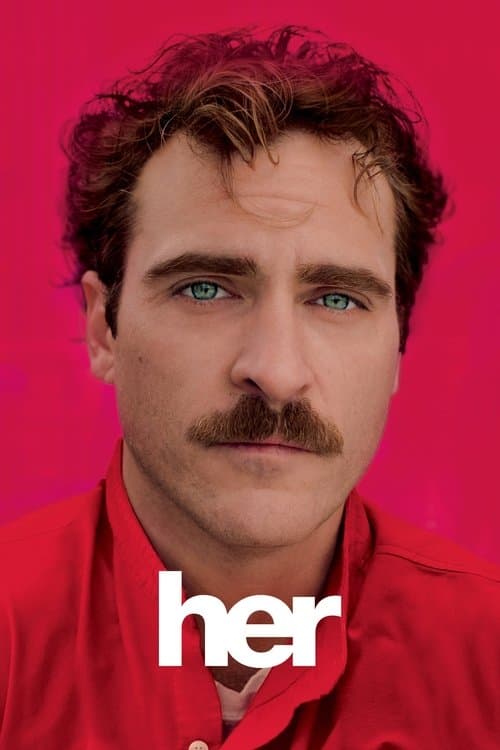
  19. Her (2013) poster

    Her

    Spike Jonze · 2013

    'The Moon Song' is performed inside the scene. Theodore plays the ukulele and he and Samantha sing it together. The song is intimate, lo-fi and vulnerable, and it belongs to the world of the film. It backs up Theodore's inner tenderness.

    Where to see it: The 'The Moon Song' scene. It plays out between Theodore and Samantha.

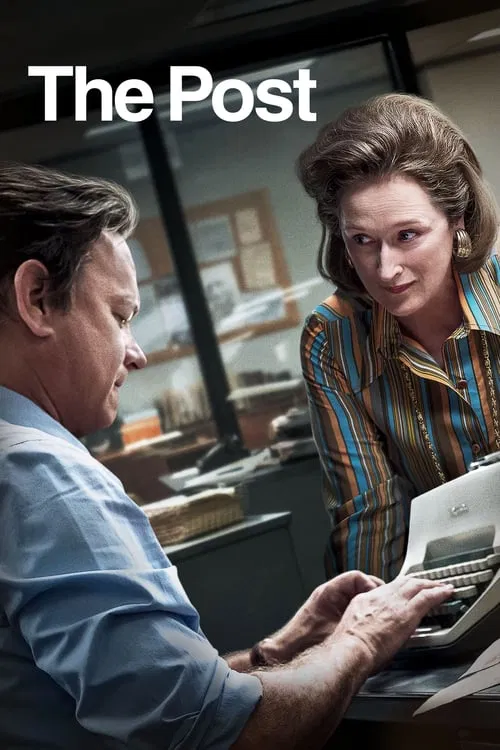
  20. The Post (2017) poster

    The Post

    Steven Spielberg · 2017

    Typewriters, phones and the rumble of the printing press fill the film. The noise of work is the score of the newsroom. When the presses roll, the sound says the decision has become real.

    Where to see it: The press run: Machines start up in the printing room and the first copies are made.

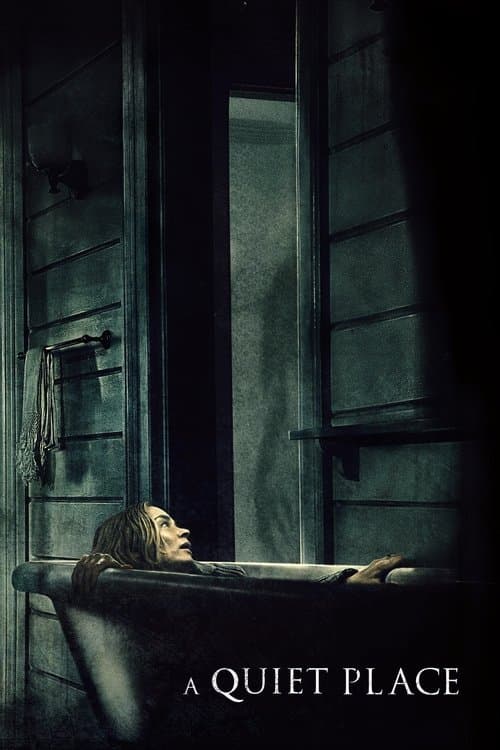
  21. A Quiet Place (2018) poster

    A Quiet Place

    John Krasinski · 2018

    Every sound in the film matters to the plot: a corn kernel dropping, a nail on a stair, breathing too loud. Krasinski makes sound the main way the film tells its story. You end up as alert to noise as the family is.

    Where to see it: The opening pharmacy sequence. The family communicates in sign language and plans every footstep. The first accidental noise arrives as a catastrophe.

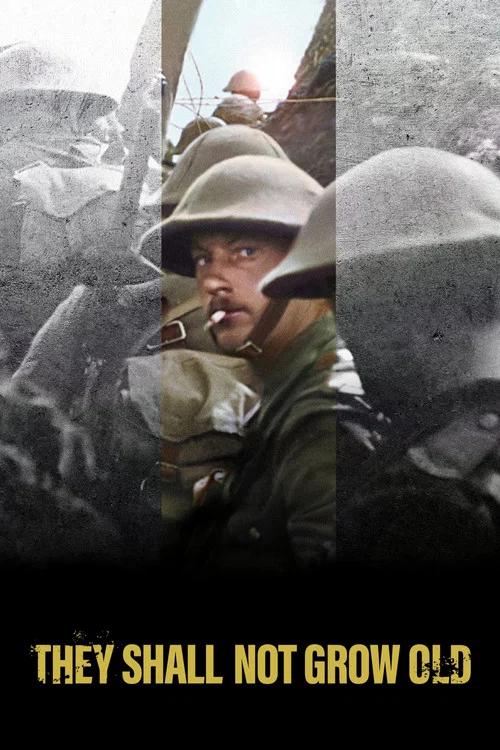
  22. They Shall Not Grow Old (2018) poster

    They Shall Not Grow Old

    Peter Jackson · 2018

    The original footage was silent. The film adds sound effects and voice acting, partly built from lip reading and oral history archives. Historians have questioned how well lip reading can capture accents. The sound makes the men seem to speak to you, which also means you should remember that part is a reconstruction.

    Where to see it: Trench life: Silent footage of soldiers at the front is given sound effects and voices, so the men seem to talk and laugh.

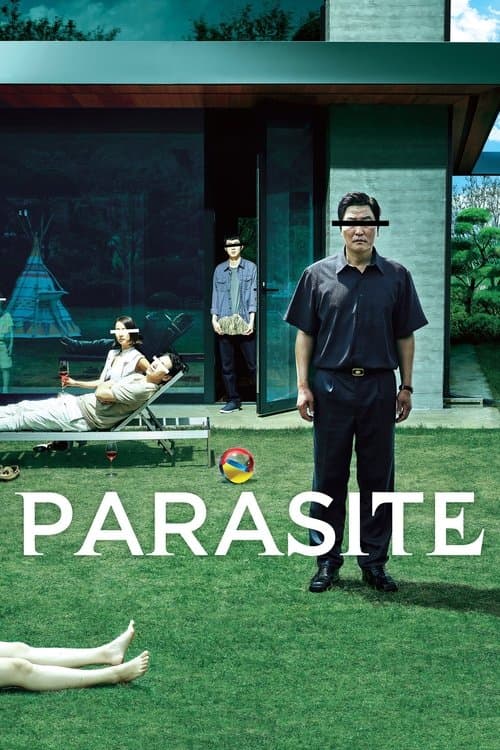
  23. Parasite (2019) poster

    Parasite

    Bong Joon-ho · 2019

    You hear rain pretty much everywhere in this film. At first, it's just background. Later, it warns you that disaster is coming, which ties the weather to what happens to the Kim family.

    Where to see it: The overnight rainstorm sequence. The Kims' basement apartment gets destroyed.

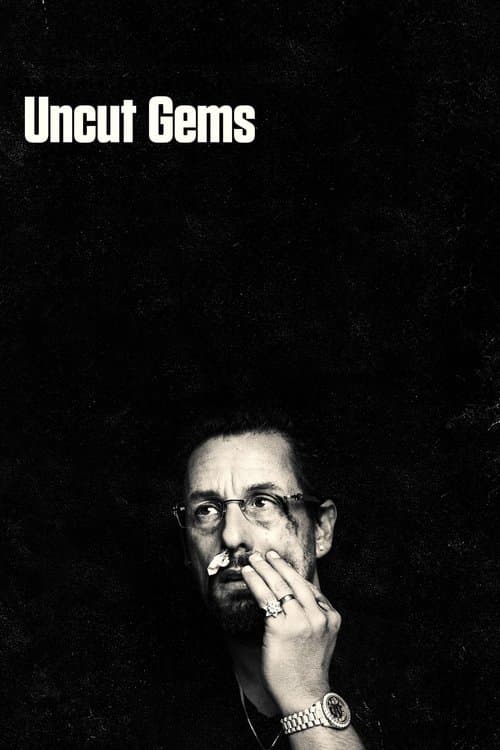
  24. Uncut Gems (2019) poster

    Uncut Gems

    Josh Safdie, Benny Safdie · 2019

    The film's sound mix fills its world with overlapping voices, music from several sources and background noise that never settles. Several conversations happen at once. The television, the phone and the person in the room all speak at the same time. All of it is diegetic, meaning it comes from inside the scene, and that pile of sound is the film's anxiety made audible. Howard lives in a world where he can never hear 1 thing at a time.

    Where to see it: The gem store sequences. You get overlapping voices, the jewelry store's own music, the phone calls and the television. So much sound at once makes the room feel impossibly tense.

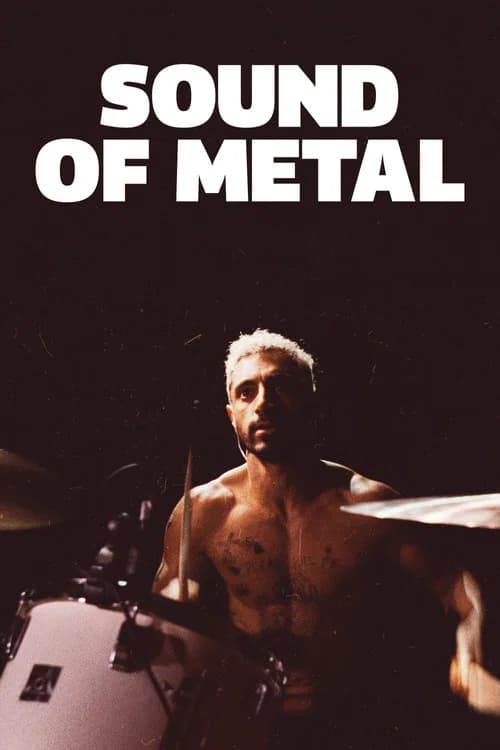
  25. Sound of Metal (2019) poster

    Sound of Metal

    Darius Marder · 2019

    Nicolas Becker's sound design puts you inside Ruben's hearing loss. The sound switches between the muffled, distorted audio of his damaged hearing and the occasional brutal clarity of high-pitched frequencies. That is, you experience the disability with your own senses.

    Where to see it: Early in the film, the sound suddenly muffles as Ruben's hearing drops. The sound marks the exact moment his life splits in 2.

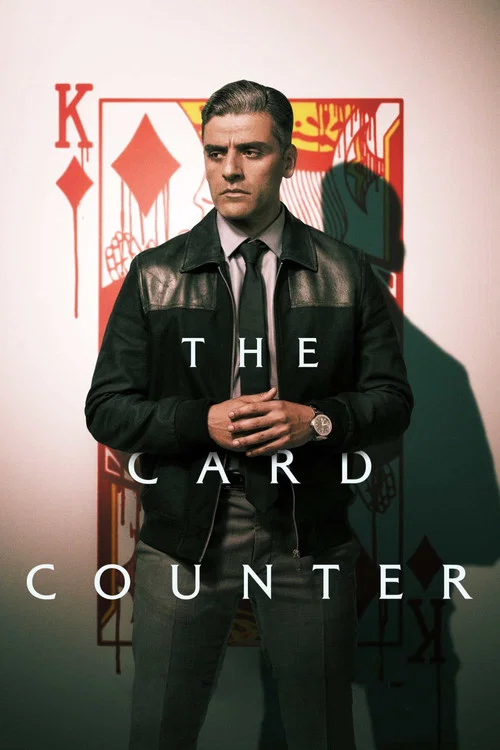
  26. The Card Counter (2021) poster

    The Card Counter

    Paul Schrader · 2021

    The flashbacks have the harsh noise of black metal blaring over speakers, which the interrogators in the story use. The characters hear it and so do you. Pairing it with the fisheye image makes the scenes hard to sit through.

    Where to see it: Abu Ghraib flashback sound: Interrogators blast black metal over speakers in Tell's memories of the prison.

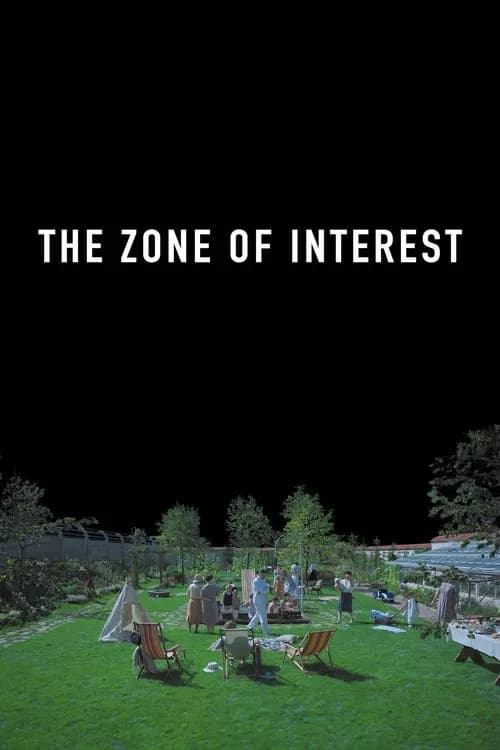
  27. The Zone of Interest (2023) poster

    The Zone of Interest

    Jonathan Glazer · 2023

    Johnnie Burn's sound design does most of the film's work. Mica Levi wrote the sparse score. The camp's sounds are mixed so you can hear them without being overwhelmed. They are present and never pushed to the front. This is diegetic sound, meaning sound that comes from inside the world of the story. It is the film's Holocaust. The characters have gotten used to it, and the film won't let you get used to it. The level is set just right, so you can't escape it.

    Where to see it: The breakfast sequence. The family's morning routine plays out over the constant background sound of the camp. With that sound there, you can't accept the routine as normal.

  28. Emilia Pérez (2024) poster

    Emilia Pérez

    Jacques Audiard · 2024

    The musical numbers are staged as events that really happen inside the film's world, which is fairly unusual for a musical. This is called diegetic music. Characters sing because no other way of communicating is enough for their situation, so the songs come across as desperation.

    Where to see it: Emilia singing to her children about her absence. The number is a kind of confession she couldn't deliver in dialogue. Only a song is big enough to hold the guilt.

Questions

Quick answers

What is diegetic sound design in film?
Using sounds the characters themselves can hear, like footsteps, radios or traffic, to build tension or show how someone feels. The sound does more than make the scene realistic.
Which films use diegetic sound design?
The Testament of Dr. Mabuse (1933), Dial M for Murder (1954), The Man Who Knew Too Much (1956), Rosemary's Baby (1968), M*A*S*H (1970), Duel (1971) and 22 more films in the CineCode library.
What kind of technique is diegetic sound design?
It is a sound technique. Related sound techniques include Strategic Silence.