Psychology technique · used in 15 films

Dream Imagery as Inner Life

Staging dreams, fantasies and imagination as literal scenes. The inner mind becomes visible, whether as wish, fear or creative power.

Examples

15 films that use it

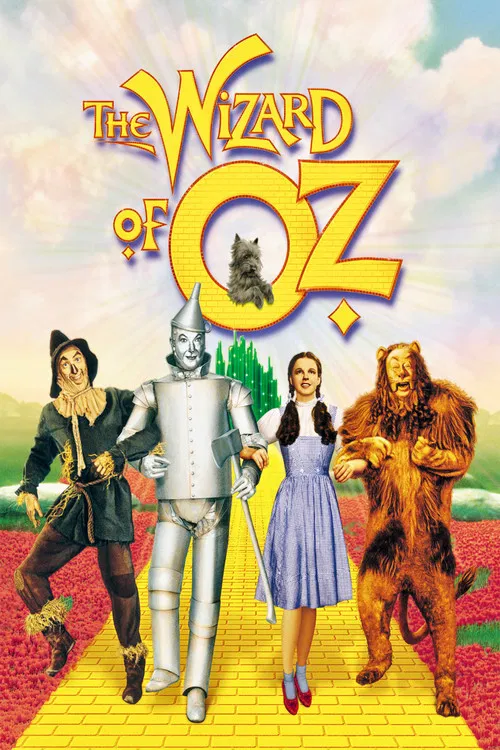
  1. The Wizard of Oz (1939) poster

    The Wizard of Oz

    Victor Fleming · 1939

    Oz is built from Dorothy's own world, so you can read it as her mind's way of coping. When she wakes in Kansas, her family and neighbors say it was only a dream. The film asks you to decide what Oz meant for her.

    Where to see it: The ending. Dorothy wakes in her bed in Kansas and says there is no place like home.
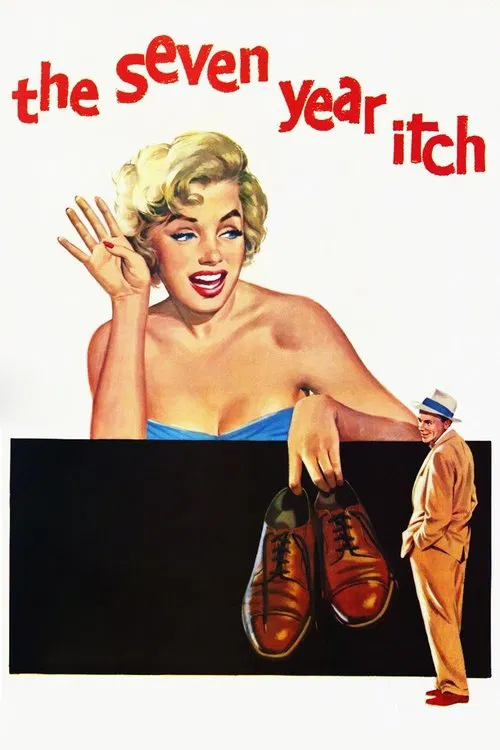
  2. The Seven Year Itch (1955) poster

    The Seven Year Itch

    Billy Wilder · 1955

    Richard pictures himself as irresistible to his secretary, a nurse and his wife's bridesmaid. The film cuts into these scenes and then snaps back to a nervous man in a chair, and the gap is where the jokes live.

    Where to see it: Rachmaninoff fantasy: Waiting for the woman upstairs, Richard imagines her overcome by his playing of Rachmaninoff's Second Piano Concerto, then swings back to guilt about his wife.

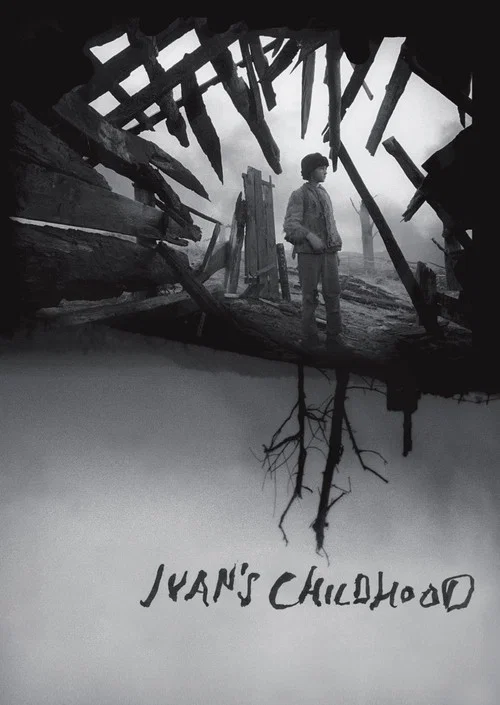
  3. Ivan's Childhood (1962) poster

    Ivan's Childhood

    Andrei Tarkovsky · 1962

    The film opens with a dream sequence that introduces the boy. His dreams show the childhood he lost, and they cut against the war around him. They are the only place he is safe.

    Where to see it: The opening dream. A brief dream introduces Ivan before the war scenes begin.

  4. Juliet of the Spirits (1965) poster

    Juliet of the Spirits

    Federico Fellini · 1965

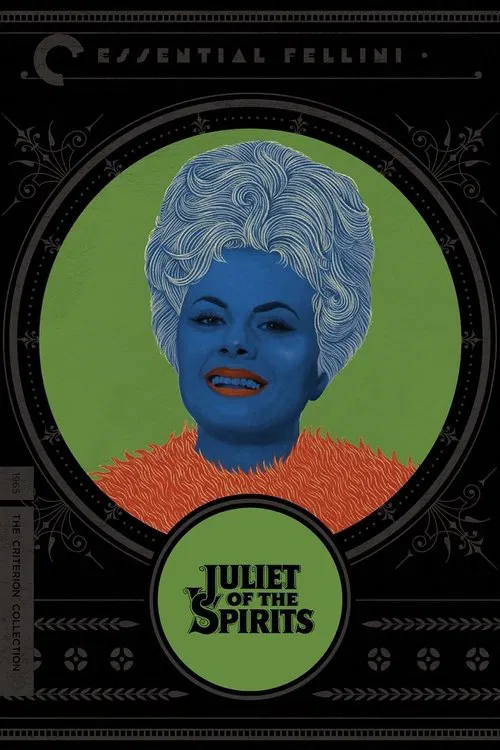
    Giulietta's visions appear as literal scenes. You see her fears and wishes as if they were part of the real world.

    Where to see it: Her visions: Giulietta retreats into dreams and fantasies as she copes with Giorgio.

  5. Day for Night (1973) poster

    Day for Night

    François Truffaut · 1973

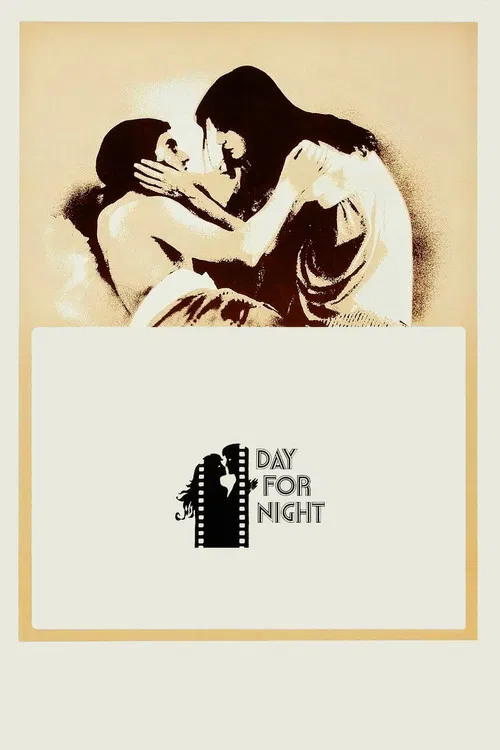
    The director Ferrand has a recurring dream of a boy stealing film stills. The dream shows what the director loves about movies. It also shows how much of his work comes from childhood.

    Where to see it: Ferrand's dream. At night, a boy steals stills of Citizen Kane from the display outside a cinema.

  6. Mirror (1975) poster

    Mirror

    Andrei Tarkovsky · 1975

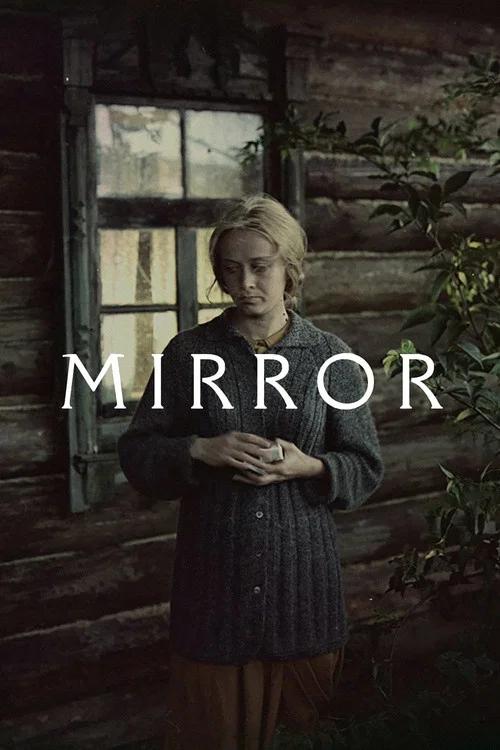
    Dreams appear as full scenes in black and white. In one, the mother levitates above her bed as a vision of her husband comforts her. The dream shows what she wants and cannot say.

    Where to see it: The levitation. Maria floats above her bed in a dream sequence.

  7. Nostalgia (1983) poster

    Nostalgia

    Andrei Tarkovsky · 1983

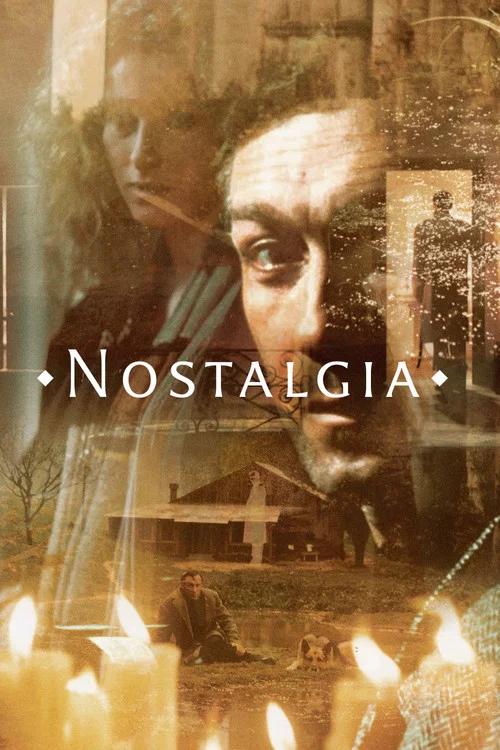
    In a dream, Andrei sees his wife and the Virgin Mary as one figure. The dream shows how he mixes memory, love and faith. You see his longing as an image.

    Where to see it: The dream sequence. The wife and the Virgin appear as one woman.

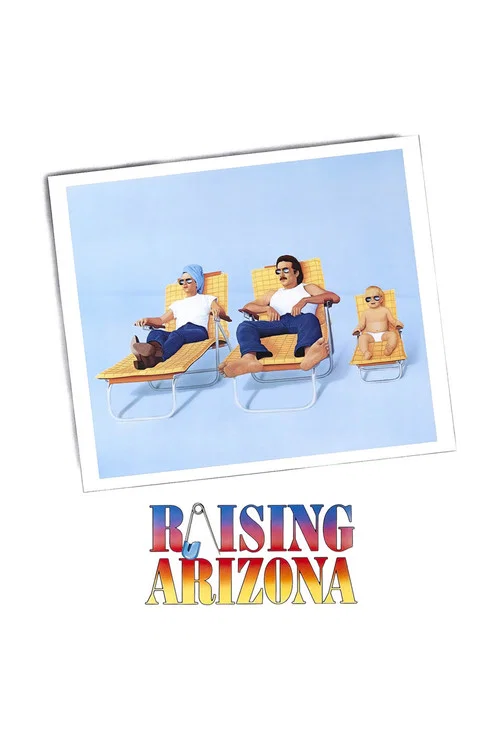
  8. Raising Arizona (1987) poster

    Raising Arizona

    Joel Coen, Ethan Coen · 1987

    Hi first meets the monstrous biker Leonard Smalls in a nightmare after he agrees to shelter his old cellmates. Soon after, Smalls turns up for real, offering to bring the baby back. The Coens have said they built him as an evil figure Hi himself would imagine, so the villain feels like Hi's own bad conscience.

    Where to see it: Hi's nightmare. The night after Gale and Evelle visit, Hi dreams of Smalls, and soon after Smalls approaches Nathan Arizona about the missing baby.

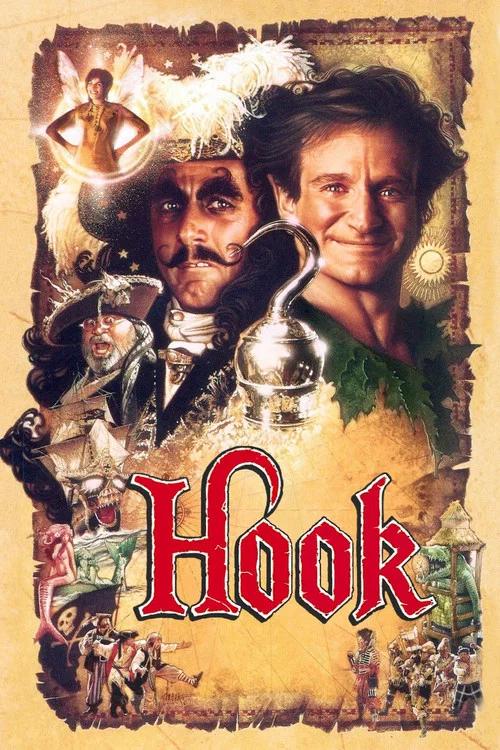
  9. Hook (1991) poster

    Hook

    Steven Spielberg · 1991

    Peter has forgotten how to fly, and the Lost Boys train him to reconnect with his imagination. His power comes back when he believes again. The idea that belief makes you strong is part of the film's logic.

    Where to see it: The Lost Boys' training. Rufio and the boys help Peter rediscover his imagination.

  10. Sexy Beast (2001) poster

    Sexy Beast

    Jonathan Glazer · 2001

    Gal's fear of the past gets its own image in a nightmare, where a figure with rabbit ears and a gun menaces him. After Don is gone, Gal still hears his voice in his head. The film lets you see how guilt and dread live inside him.

    Where to see it: Nightmare and ending: Gal is haunted by a rabbit-eared figure in his dreams. At the end he hears Don's voice in his head and answers that Don is dead and can shut up.

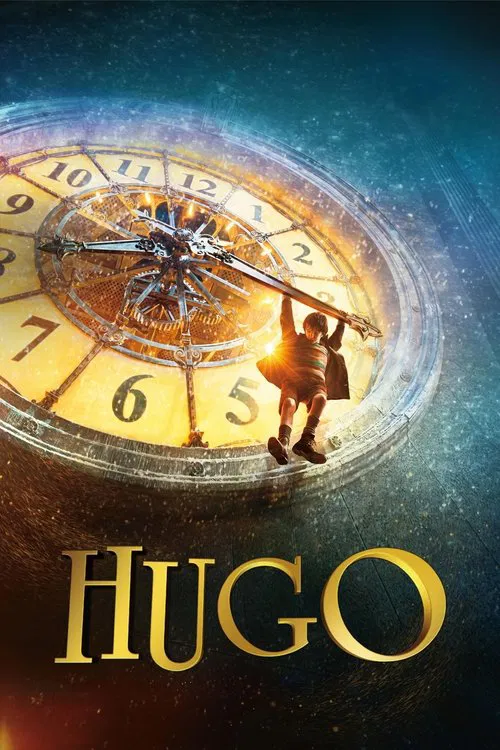
  11. Hugo (2011) poster

    Hugo

    Martin Scorsese · 2011

    Hugo dreams that a runaway train smashes through the station, and then that he is turning into the automaton he is trying to fix. The dream shows what the boy fears most, that he is only a machine with nobody to wind him up. You wake when he wakes.

    Where to see it: The train crash dream. Hugo chases the key onto the tracks and a train comes through the station. He then hears ticking from his own body.

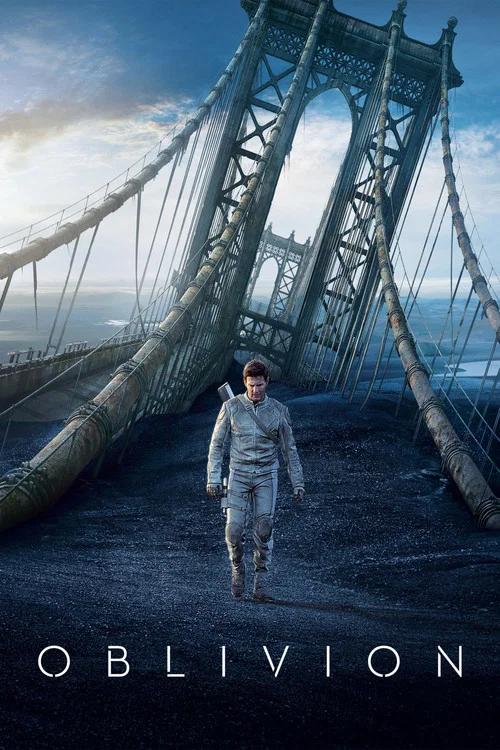
  12. Oblivion (2013) poster

    Oblivion

    Joseph Kosinski · 2013

    Jack keeps dreaming of a woman on an observation deck above New York. He does not know who she is. When Julia steps out of a crashed pod, the dream turns out to be a real memory.

    Where to see it: The pod crash: Jack rescues Julia from stasis and recognizes the woman from his dreams.

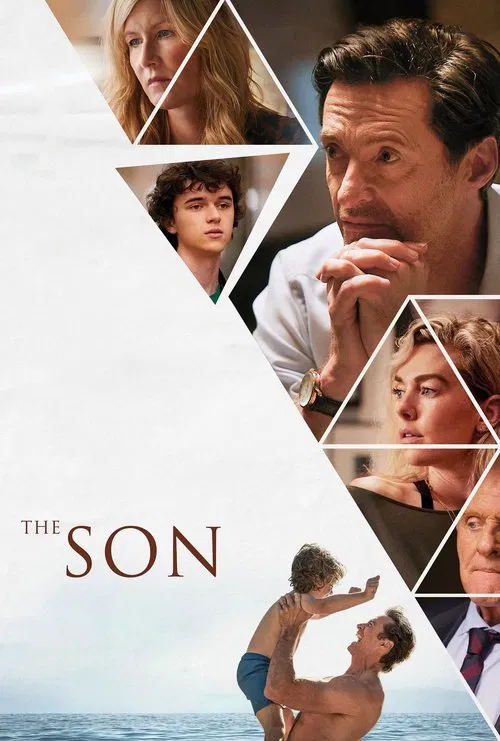
  13. The Son (2022) poster

    The Son

    Florian Zeller · 2022

    In the end, Peter pictures what Nicholas's life might have been. The scenes are guilt turned into images. They show what Peter wishes had happened.

    Where to see it: Three years later: Peter imagines what Nicholas's life might have been, then breaks down while Beth comforts him.

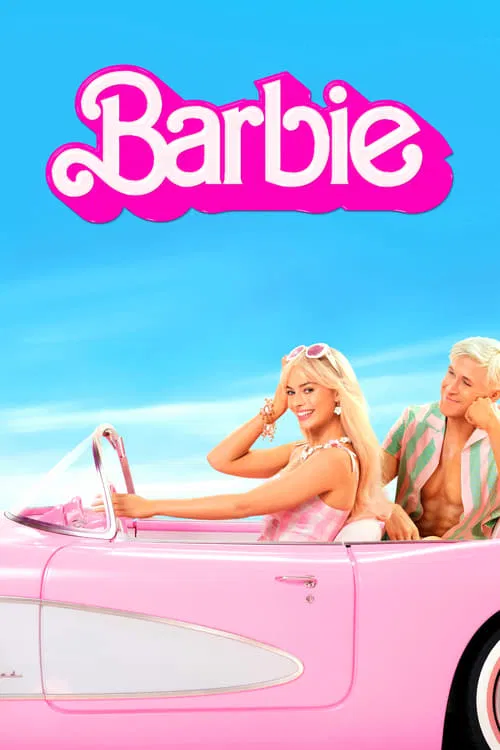
  14. Barbie (2023) poster

    Barbie

    Greta Gerwig · 2023

    During the Kens' beach battle, Ken sings 'I'm Just Ken' and the fight turns into a big musical number. Gerwig said the idea came from her love of dream ballets in 1950s musicals like Singin' in the Rain. Ken admits how small he feels next to Barbie, and the huge musical staging makes that sad and funny at once.

    Where to see it: 'I'm Just Ken'. The beach battle between the Kens turns into a choreographed dance-off on a stylized set.

  15. Queer (2024) poster

    Queer

    Luca Guadagnino · 2024

    The ending is a dream. Allerton plays William Tell with a glass on his head and Lee shoots him. Lee holds the body until it disappears and wakes as an old man, imagining a young Allerton comforting him.

    Where to see it: The final dream. Lee shoots Allerton in a William Tell game and later awakens as an elderly man.

Questions

Quick answers

What is dream imagery as inner life in film?
Staging dreams, fantasies and imagination as literal scenes. The inner mind becomes visible, whether as wish, fear or creative power.
Which films use dream imagery as inner life?
The Wizard of Oz (1939), The Seven Year Itch (1955), Ivan's Childhood (1962), Juliet of the Spirits (1965), Day for Night (1973), Mirror (1975) and 9 more films in the CineCode library.
What kind of technique is dream imagery as inner life?
It is a psychology technique. Related psychology techniques include others listed on the CineCode techniques page.