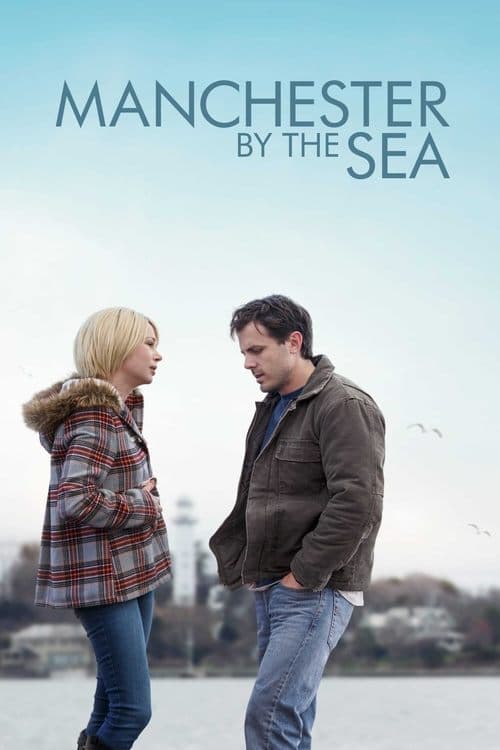

Comparison · 3 shared techniques

Manchester by the Sea vs Aftersun

Manchester by the Sea (2016) and Aftersun (2022) share 3 techniques. Here is how each film uses them.

Shared

Same technique, two films

Fractured Memory Editing

Cutting between the present and scattered, out-of-order flashbacks, the way a painful memory comes back in pieces. You put the backstory together as the character remembers it.

Manchester by the Sea

Lonergan cuts without warning from Lee's ordinary present to memories of his family life before the tragedy. That is, grief works as an interruption here, something that breaks into his day.

Aftersun

Wells cuts between the holiday footage Sophie is watching, the adult Sophie as she watches it and fragments that could be memory or imagination. The editing never puts together a full account of what happened to Calum, and that is the point. Memory piles up fragments and never joins them into a whole. The most important parts of the film are in the gaps.

Observational Restraint

Watching events from a measured distance with no swelling music, tear-jerking close-ups or showy camera moves. The film trusts what happens to carry the weight on its own.

Manchester by the Sea

The film gives you no catharsis, meaning no emotional release. Lee is not healed, and Lonergan never comments on his inability to recover. You are left to sit with the discomfort of grief that stays unresolved.

Aftersun

Wells's camera watches Calum the way a child would. It is present and paying attention, but it doesn't fully understand what it is seeing. A conventional film would explain his psychology or add dramatic emphasis at certain moments. At exactly those moments, this film holds back. That matches how little Sophie herself can see of her father's inner life.

Handheld Cinema Vérité

Shooting with a handheld camera so the frame shakes and moves with the action. This documentary-style look, called cinema vérité, puts you uncomfortably close to the character.

Manchester by the Sea

Jody Lee Lipes shoots the film with an understated, naturalistic camera that stays close to characters in cramped spaces. It feels fairly close to eavesdropping on real lives.

Aftersun

Gregory Oke shoots 2 kinds of footage: the camcorder footage and the 35mm scenes that simply observe. The camcorder footage is handheld, so it feels like something being recorded as it happens. The film looks the way memory feels: slightly unsure, slightly moving, close to things but unable to get all the way inside them.

Different

Where they split

Only in Manchester by the Sea

Only in Aftersun