Narrative technique · used in 57 films

Observational Restraint

Watching events from a measured distance with no swelling music, tear-jerking close-ups or showy camera moves. The film trusts what happens to carry the weight on its own.

Examples

57 films that use it

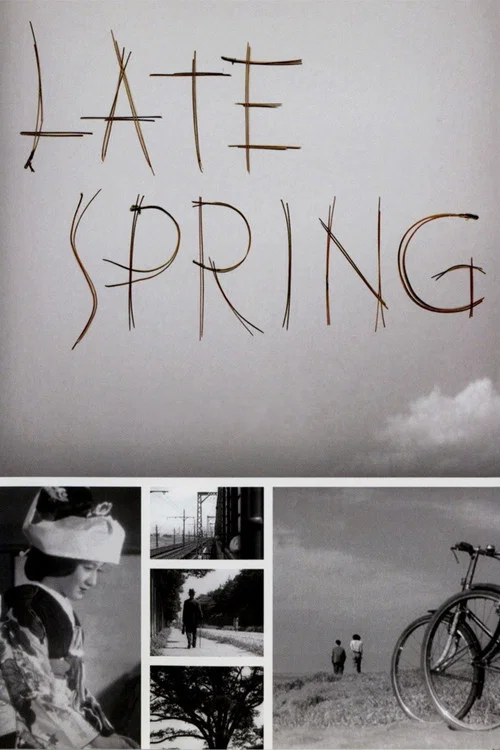
  1. Late Spring (1949) poster

    Late Spring

    Yasujiro Ozu · 1949

    Ozu keeps the camera low and still, and uses only cuts with no fades or dissolves. There are no swelling cues, so you read feelings from small actions. The restraint lets a tiny moment feel enormous.

    Where to see it: The ending. The father sits alone after the wedding and peels an apple in one long ribbon.
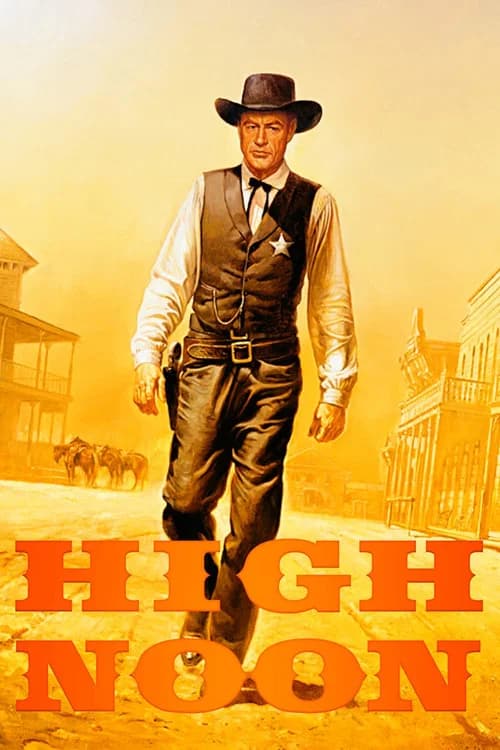
  2. High Noon (1952) poster

    High Noon

    Fred Zinnemann · 1952

    Zinnemann never comments on McCarthyism or cowardice directly. The second meaning comes entirely through the logic of the Western situation. He trusts the drama to make the political point.
    Where to see it: Kane's face after yet another refusal. The camera does not need him to say what he feels. The rejections pile up and make you feel it without any commentary.

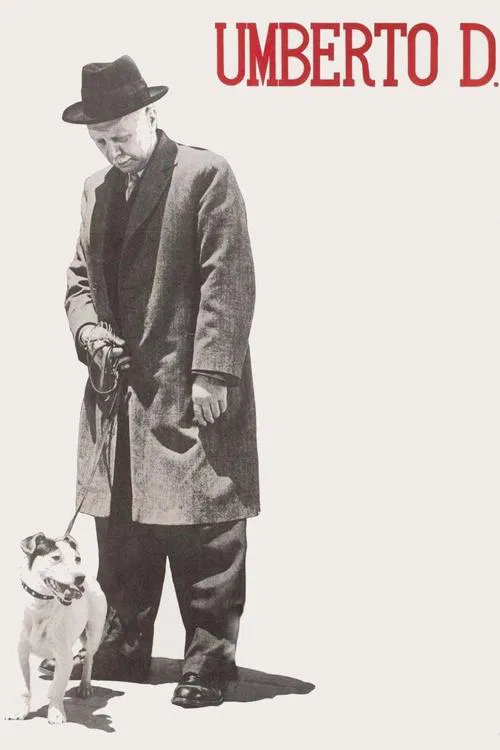
  3. Umberto D. (1952) poster

    Umberto D.

    Vittorio De Sica · 1952

    The camera watches from a calm distance and lets sad things happen with little music or comment. The film trusts each scene to do the work. You notice small details, such as how Umberto keeps looking for Flike.

    Where to see it: Park farewell: Umberto leaves Flike playing with children and slips away, but Flike finds him under a footbridge.

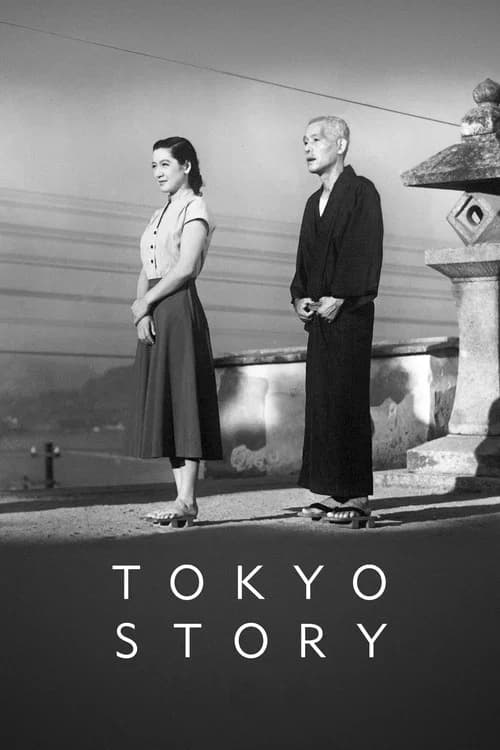
  4. Tokyo Story (1953) poster

    Tokyo Story

    Yasujiro Ozu · 1953

    Ozu's camera almost never moves or reacts, and it never judges. It simply watches the family fail each other, which leaves all the moral judging to you.

    Where to see it: The scene where the children send their parents off to a hot spring resort at Atami so they don't have to spend time with them. It is filmed in still medium shots.

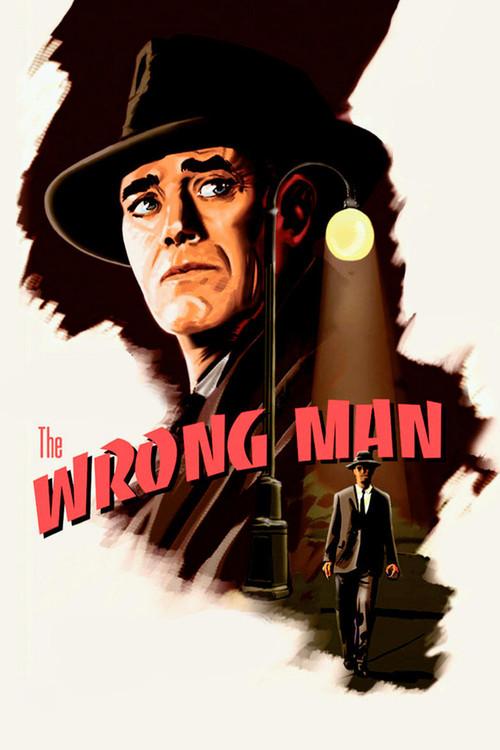
  5. The Wrong Man (1956) poster

    The Wrong Man

    Alfred Hitchcock · 1956

    Hitchcock holds back his usual flourishes. Bernard Herrmann wrote one of his most subdued scores for the film. The camera watches Manny get processed by a system, and the plain approach makes the injustice feel real.

    Where to see it: The arrest and lineup. Manny is picked out of a police lineup by a witness and arrested for armed robbery.

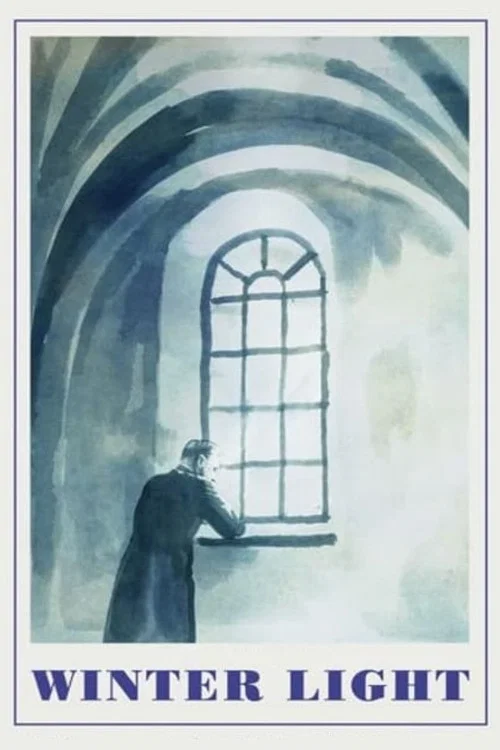
  6. Winter Light (1963) poster

    Winter Light

    Ingmar Bergman · 1963

    The camera stays still and the film gives you no swelling music at its worst moments. Tomas rejects Märta coldly, and nothing tells you how to feel. You have to decide for yourself how guilty he is.

    Where to see it: Tomas rejects Märta: after Jonas kills himself, Tomas turns Märta away cruelly.

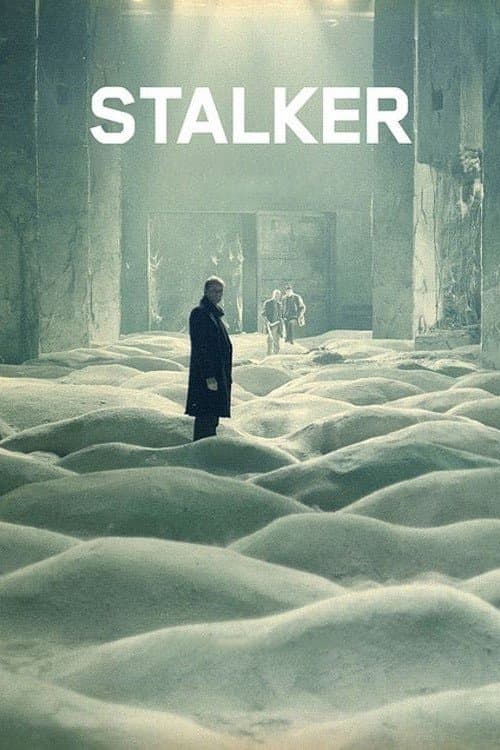
  7. Stalker (1979) poster

    Stalker

    Andrei Tarkovsky · 1979

    Tarkovsky's camera moves slowly, often sideways. It refuses to cut to reactions or to underline the moments you'd normally call dramatic. It watches the Zone with the patience of someone who has all the time in the world, or no time at all. Because the film holds back, you have to bring your own feelings to images it declines to comment on.
    Where to see it: The long tracking shots through flooded rooms. The camera moves without hurry through beautiful and desolate spaces, and it observes without comment.

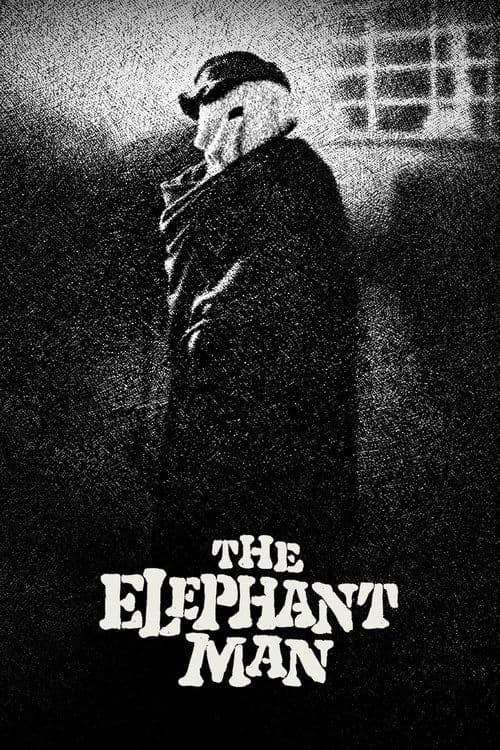
  8. The Elephant Man (1980) poster

    The Elephant Man

    David Lynch · 1980

    Lynch waits a long time before he fully shows you what Merrick looks like. When he does, he refuses to frame it as a spectacle. The camera watches Treves react before it shows Merrick's face. It often stays on other people's responses and holds back the 'shocking' image itself. By holding back, the camera stays with Treves as his understanding grows, and it keeps away from the crowd's leering curiosity.

    Where to see it: Treves's first examination of Merrick. The camera stays on Treves's face and holds back what he sees, so you have to wait.

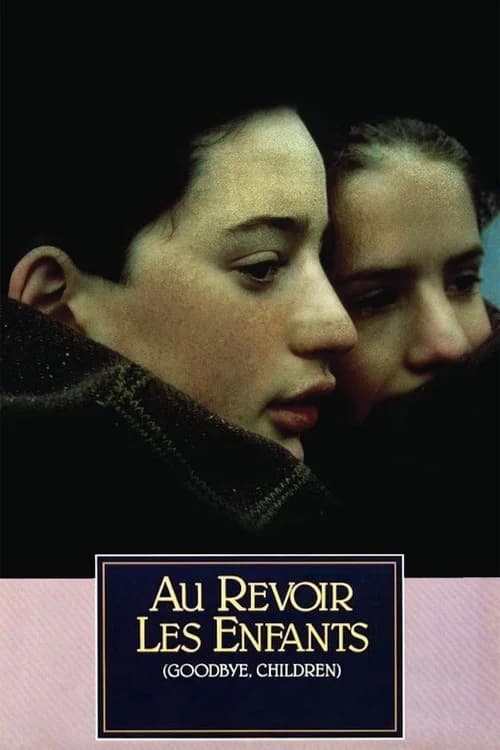
  9. Au Revoir les Enfants (1987) poster

    Au Revoir les Enfants

    Louis Malle · 1987

    Malle films the friendship between Julien and Jean with the patience of someone recovering a memory. The boys' bond is built from small shared moments, and nobody declares a feeling. The camera is there as a witness.

    Where to see it: Julien waking at night and finding Jean wearing a kippah and praying in Hebrew. Nobody explains it. One gesture shows you Jean's religion and the danger he is in.

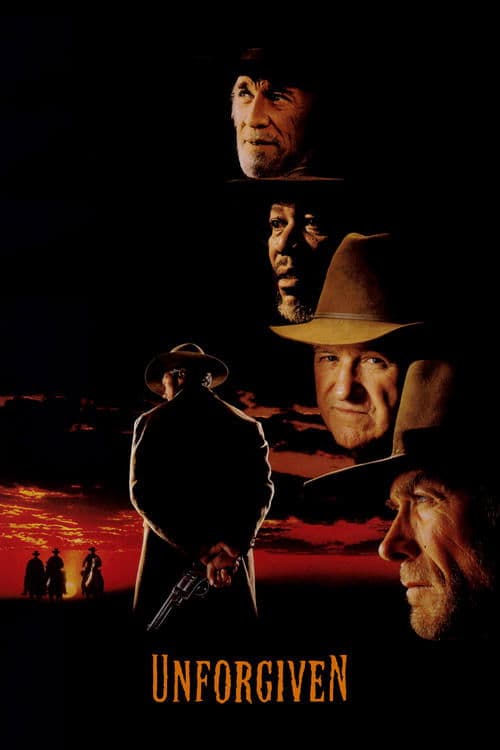
  10. Unforgiven (1992) poster

    Unforgiven

    Clint Eastwood · 1992

    Eastwood won't put heroic music over the killings or justify them morally. The camera watches the results of violence with the same flat attention it gives to pigs and mud.

    Where to see it: The death of Davey the cowboy. It is slow, painful and without dignity. You don't get the clean death that Westerns usually provide.

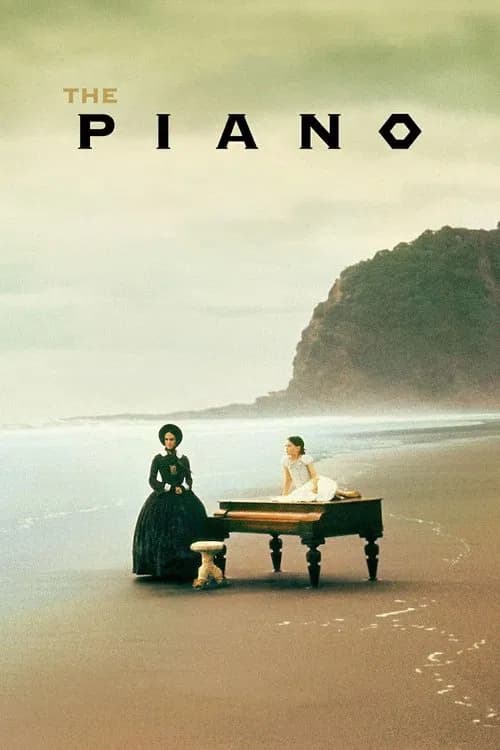
  11. The Piano (1993) poster

    The Piano

    Jane Campion · 1993

    Campion never explains Ada's silence or her past. The film trusts her actions and the Nyman score to show you enough of her inner life. A backstory would only make her smaller.

    Where to see it: The key-bargaining scenes with Baines. The erotic negotiation plays out through glances, piano keys and the positions of their hands.

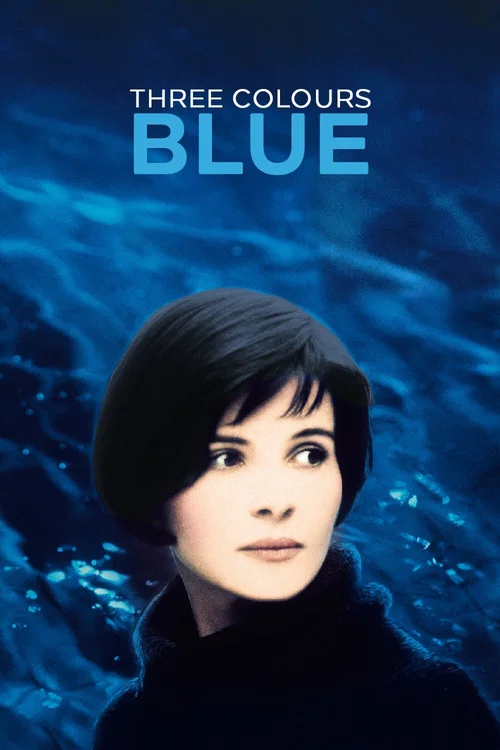
  12. Three Colors: Blue (1993) poster

    Three Colors: Blue

    Krzysztof Kieślowski · 1993

    Kieślowski lets Juliette Binoche's face carry the film's emotion, and the camera watches without explaining. You read her decision to live or to pull back from life in small physical choices. There is no dialogue where she confesses what she feels.

    Where to see it: Julie in the pool. A long underwater shot watches her face as she decides whether to continue her new life or give in to grief.

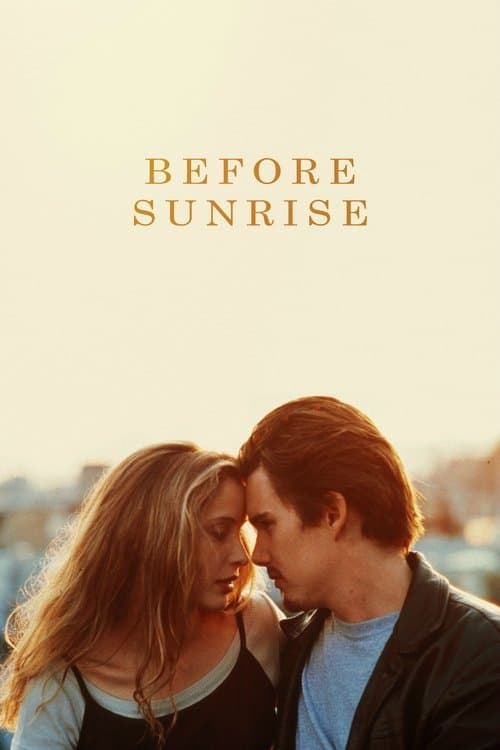
  13. Before Sunrise (1995) poster

    Before Sunrise

    Richard Linklater · 1995

    Linklater's camera walks alongside Jesse and Céline and never leads them. It looks at Vienna plainly, without trying to make the city pretty. The couple come across as 2 people in a place first and as the leads of a romance second.

    Where to see it: The long walk through the Prater park. The camera watches casually from a distance, which makes Vienna feel like a city people actually live in.

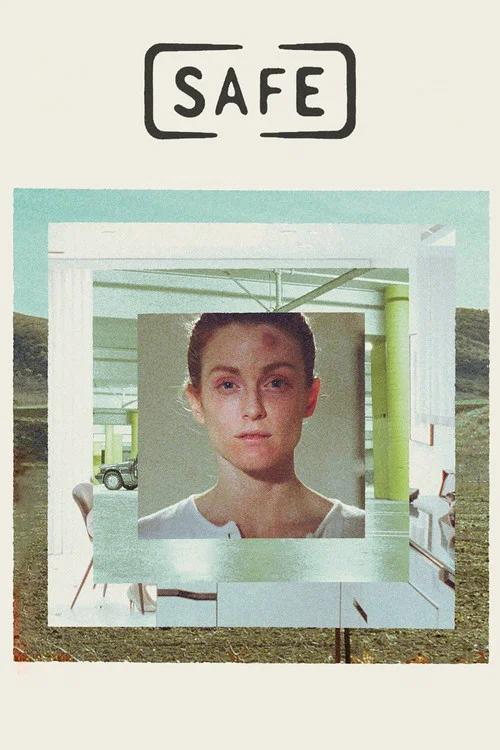
  14. Safe (1995) poster

    Safe

    Todd Haynes · 1995

    Cinematographer Alex Nepomniaschy and Haynes decided never to bring the camera very close to the characters. The distance keeps you from feeling easily sorry for Carol. You watch like someone outside her glass.

    Where to see it: The suburban house. Carol's decline at Wrenwood. She develops facial lesions and relies on an oxygen tank, and the camera keeps its distance.

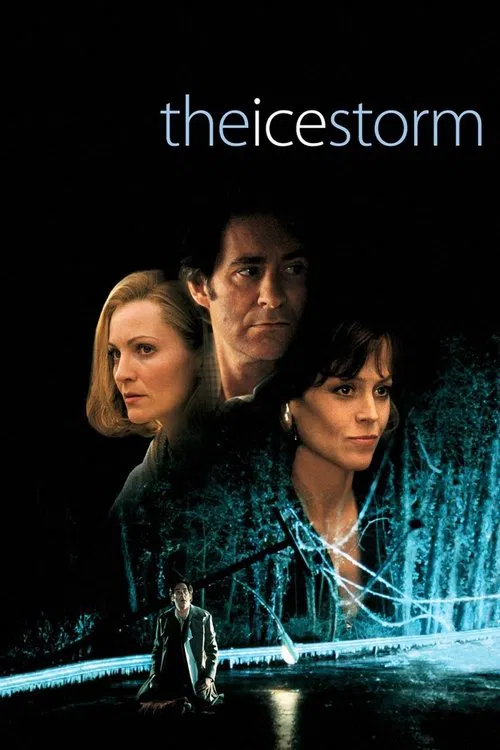
  15. The Ice Storm (1997) poster

    The Ice Storm

    Ang Lee · 1997

    Lee keeps the camera at a polite distance from the affairs, the drinking and the shame. Nobody delivers a speech that explains their feelings, so you read them from small moments. That distance makes the quiet breakdowns sting more.

    Where to see it: The key party: Married couples swap partners by drawing car keys from a bowl. A drunken Ben is upset when Janey picks another man's keys, then retreats to the bathroom and stays there for the rest of the night.

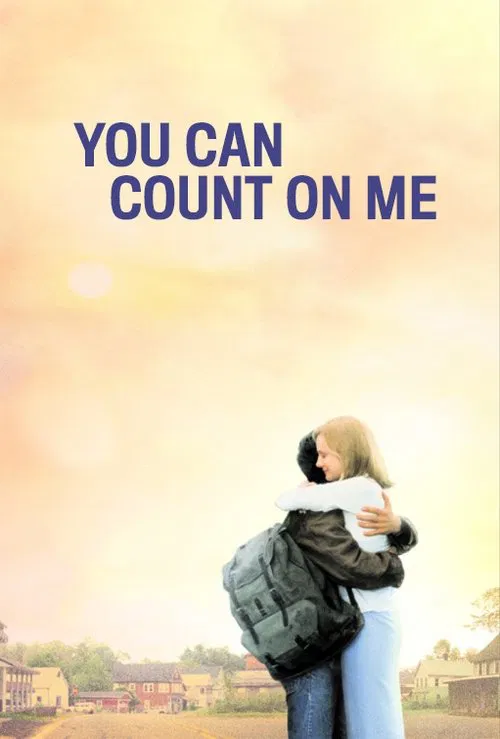
  16. You Can Count on Me (2000) poster

    You Can Count on Me

    Kenneth Lonergan · 2000

    Lonergan watches the siblings from a measured distance and lets awkward, loving scenes play out without big music. The film trusts you to see what each person is not saying.

    Where to see it: Reconciliation: Sammy asks Terry to move out and get his life together, and the siblings reconcile before he leaves for Alaska.

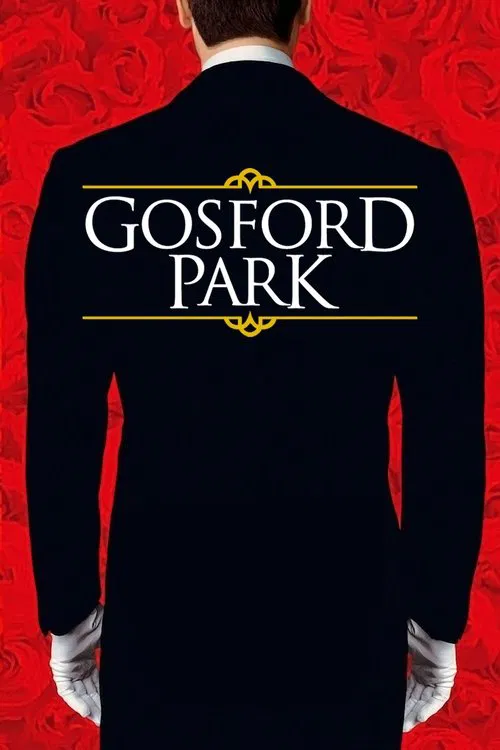
  17. Gosford Park (2001) poster

    Gosford Park

    Robert Altman · 2001

    Altman films the house party with the patience of an anthropologist watching a social system from outside it. The camera catches conversations at odd angles and hears only parts of exchanges. Watching this way shows how fascinated the film is by a world it refuses to fully enter.

    Where to see it: The overlapping conversations during dinner. The camera moves between tables and catches fragments. No single exchange is fully heard, and the pieces still add up to a complete portrait of this social world.

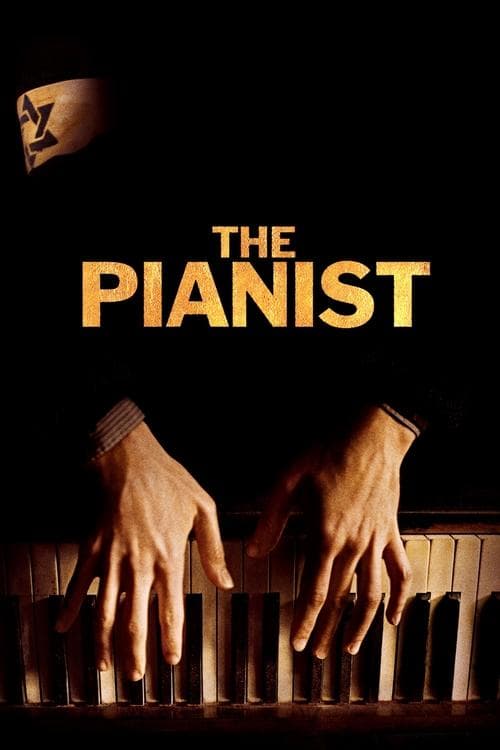
  18. The Pianist (2002) poster

    The Pianist

    Roman Polanski · 2002

    Cinematographer Pawel Edelman and Polanski film atrocity the way a still, quiet witness would see it. There is none of a journalist's urgency. When people are shot or deported, the camera watches from a distance. This holding back is a moral choice as much as a visual one, because the film will not make the Holocaust look beautiful.

    Where to see it: The Ghetto deportation sequence. The camera stays far back and refuses to move in close for emotion.

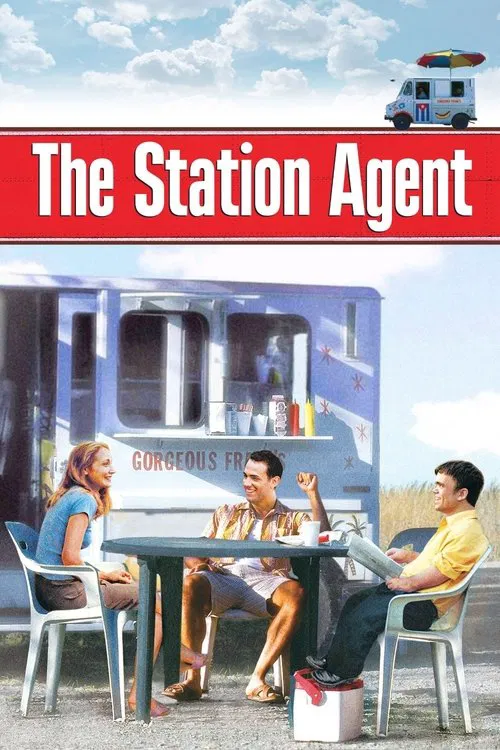
  19. The Station Agent (2003) poster

    The Station Agent

    Tom McCarthy · 2003

    McCarthy keeps the camera at a calm distance and lets quiet stretches sit. Nobody gives a speech about loneliness or friendship. You work out how these people feel from what they do.

    Where to see it: The track walks. Fin and Joe take their daily walks along the railway line, and the film simply watches their friendship settle in.

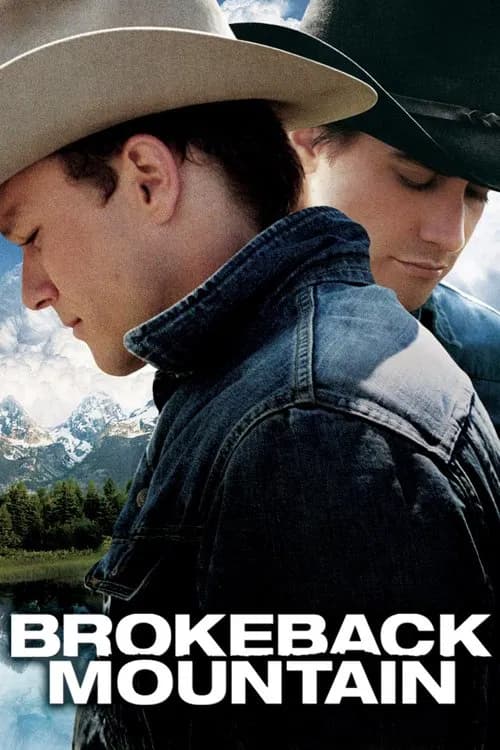
  20. Brokeback Mountain (2005) poster

    Brokeback Mountain

    Ang Lee · 2005

    Lee never explains the homophobia Ennis has turned on himself, and he never fully shows you Ennis's inner life. The film puts a lot of trust in Ledger's physical performance and in the landscape. Dialogue would only make those moments smaller.

    Where to see it: Ennis in Jack's old bedroom at his parents' house. The camera holds on Ledger's face as he weeps holding Jack's shirt. The scene is complete without a word.

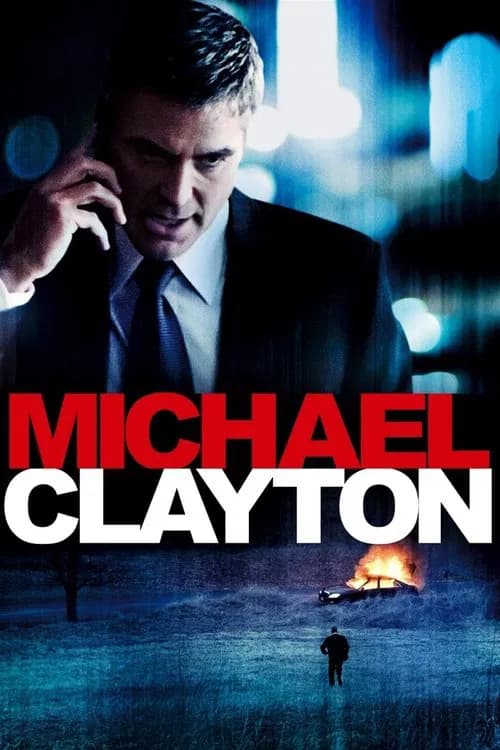
  21. Michael Clayton (2007) poster

    Michael Clayton

    Tony Gilroy · 2007

    Gilroy films Michael's skill at work and his failures at home from the same watchful distance (the midnight calls, the gambling debt, the son he barely sees). He trusts the details to pile up into a portrait. It's a portrait of a man whose moral choices have added up to a life he can't quite recognize.

    Where to see it: Michael on the phone at 3 a.m., efficiently managing crises. You see how good he is at his job and what his personal life looks like at the same time. The film doesn't comment on the gap between them.

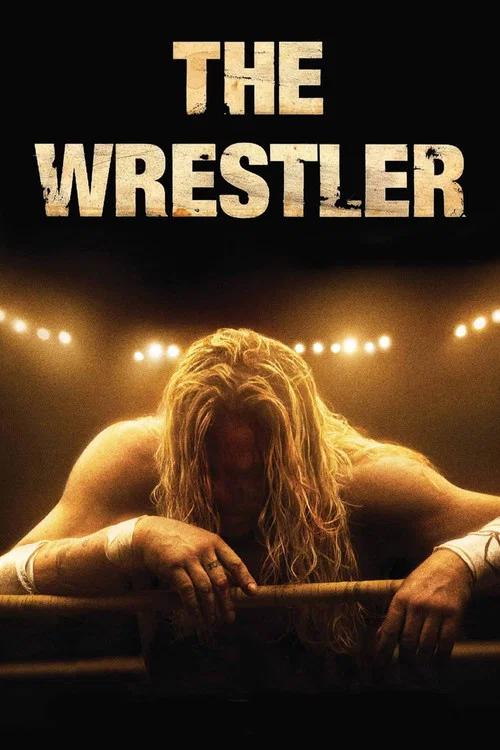
  22. The Wrestler (2008) poster

    The Wrestler

    Darren Aronofsky · 2008

    Aronofsky keeps the music and the camera calm. The scene where Randy misses his daughter's dinner is plain and quiet. Because the film stays calm, the sadness lands harder.

    Where to see it: Stephanie rejects him. After he misses dinner with his daughter, she tells him she is done.

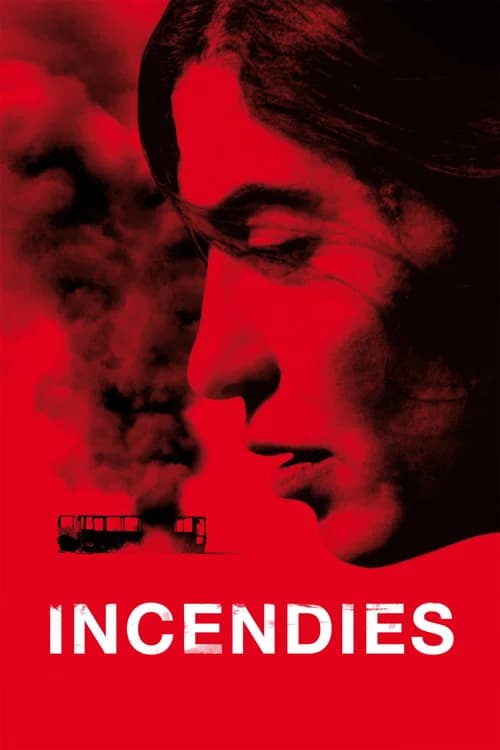
  23. Incendies (2010) poster

    Incendies

    Denis Villeneuve · 2010

    Nawal's story covers decades, and Villeneuve films it with restraint because he understands that the horror speaks for itself. Nothing in the filmmaking comments on what you see. The camera is there to witness and it doesn't judge.

    Where to see it: Nawal singing in her prison cell while other prisoners scream nearby. She sings despite everything and the camera watches without explanation. Singing in those conditions is the film's most concentrated image of human endurance.

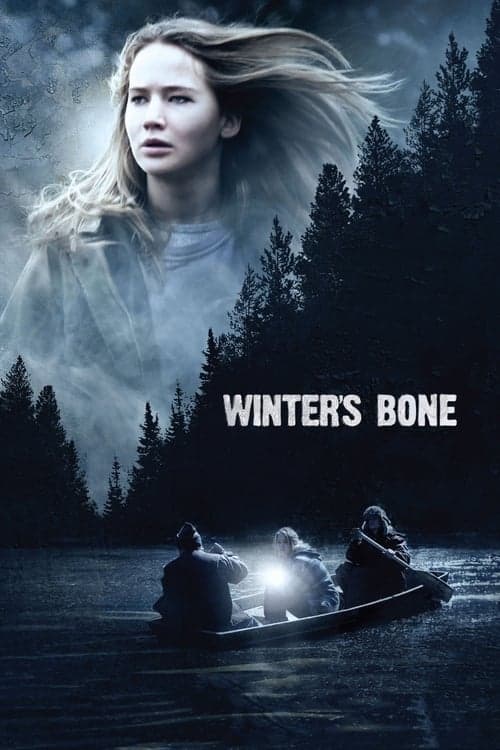
  24. Winter's Bone (2010) poster

    Winter's Bone

    Debra Granik · 2010

    Granik films the community's code of silence without explaining it (the refusals, the warnings, the doors that close). She trusts you to understand that people stay silent to survive, because in this community, talking can get you killed.

    Where to see it: Every door closed in Ree's face. The refusals pile up, and the film never explains the network of obligation and threat behind them. The silence tells you more than a confession would.

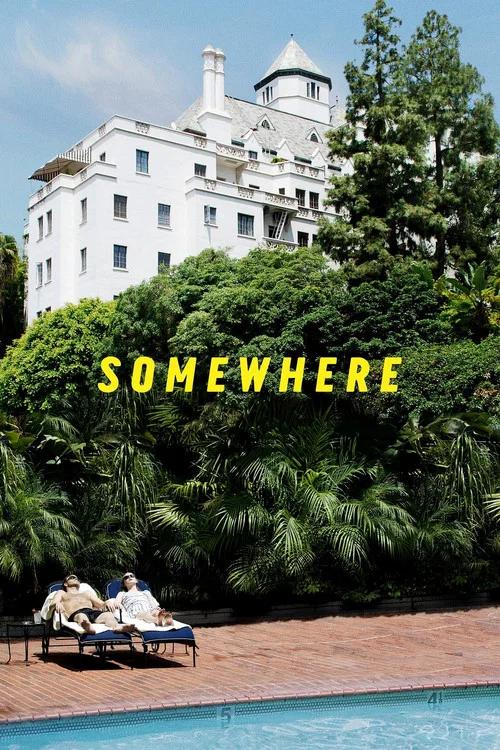
  25. Somewhere (2010) poster

    Somewhere

    Sofia Coppola · 2010

    Coppola watches Johnny at a distance without explaining him. Many scenes are quiet and uneventful, like him watching twin pole dancers perform in his room. You decide what the emptiness means.

    Where to see it: The pole dancers. Two women perform in Johnny's room while he watches.

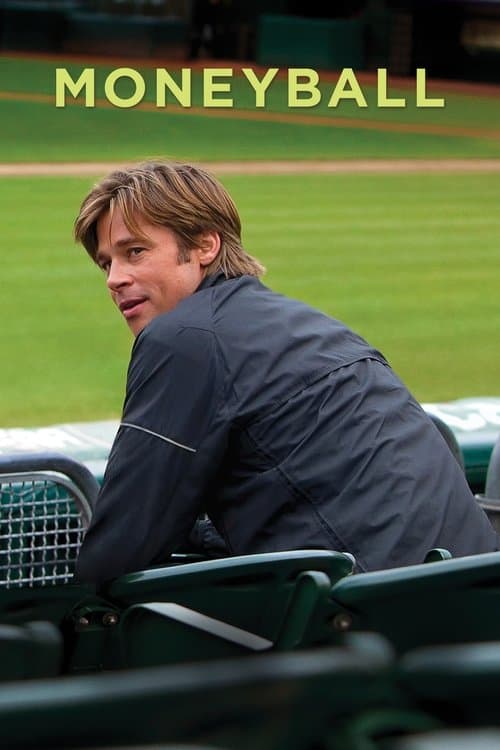
  26. Moneyball (2011) poster

    Moneyball

    Bennett Miller · 2011

    Beane rarely goes to games. He paces, drives and exercises anywhere but the stadium, and Miller films it without explaining the superstition. He trusts the behavior to tell you about the anxiety of a former prospect who knows what it feels like when the game turns against you.

    Where to see it: Beane driving around Oakland while his team plays, listening to the game on the radio. What he does tells you everything about his state of mind without a word of explanation.

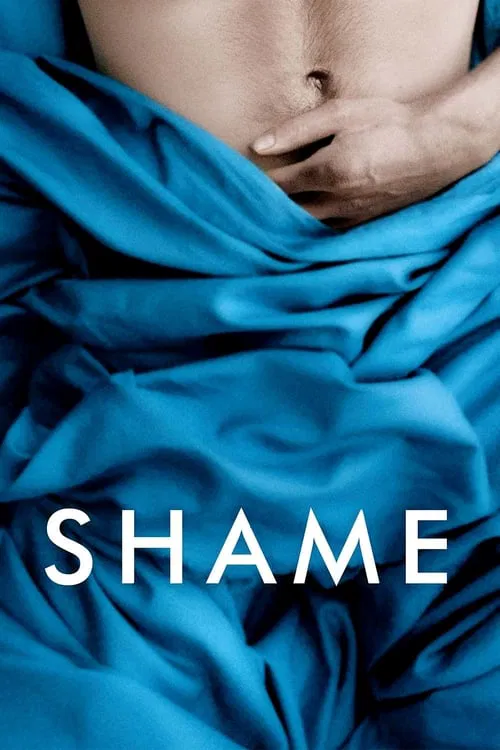
  27. Shame (2011) poster

    Shame

    Steve McQueen · 2011

    McQueen watches Brandon from a measured distance, without commentary or pushy music. His sex life and work life are shown as routine. You are left to feel the emptiness yourself.

    Where to see it: The commute: Brandon goes through his day in the city, and nothing in the style tells you what to feel.

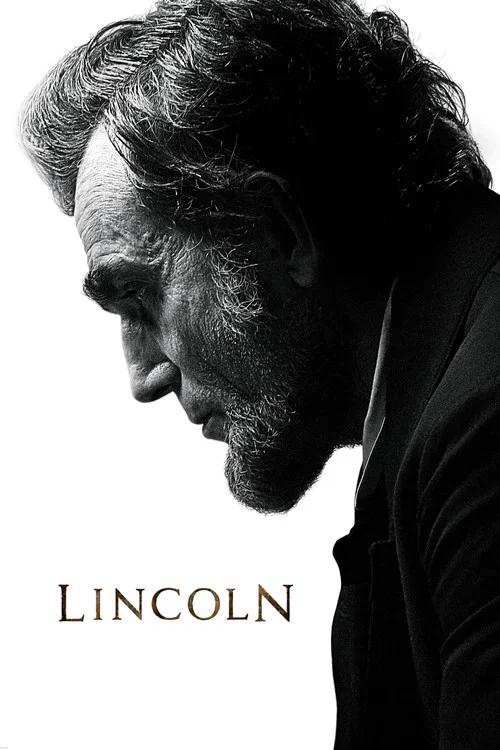
  28. Lincoln (2012) poster

    Lincoln

    Steven Spielberg · 2012

    The film keeps back from big emotional music at the biggest moments. Lincoln's death is delivered through a small scene at a theater. The quiet delivery makes the loss feel real.

    Where to see it: The news of his death: At a theater, Lincoln's youngest son is told the president has been shot.

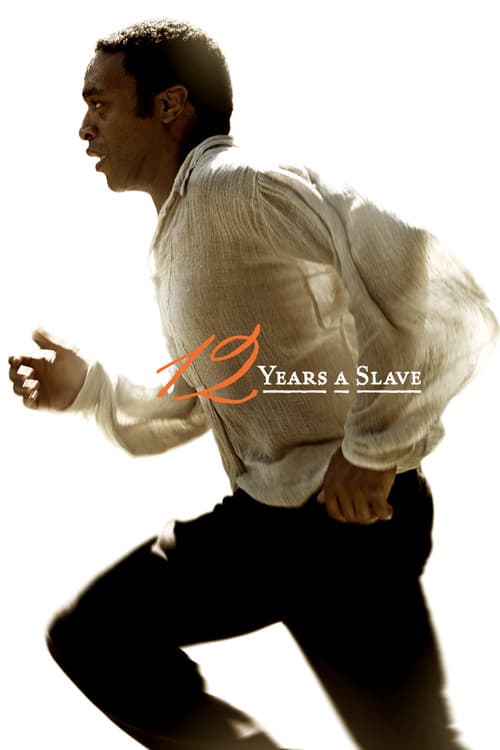
  29. 12 Years a Slave (2013) poster

    12 Years a Slave

    Steve McQueen · 2013

    McQueen's camera does not look away during the film's harshest sequences. It holds, without cutting, on suffering that Hollywood convention would usually cut short. Refusing to cut is a deliberate stance. Editing would be a kind of mercy, and the film withholds it on purpose.

    Where to see it: The prolonged whipping sequence. McQueen's camera holds without a cut on an act of brutality. Any conventional editing would have broken it up.

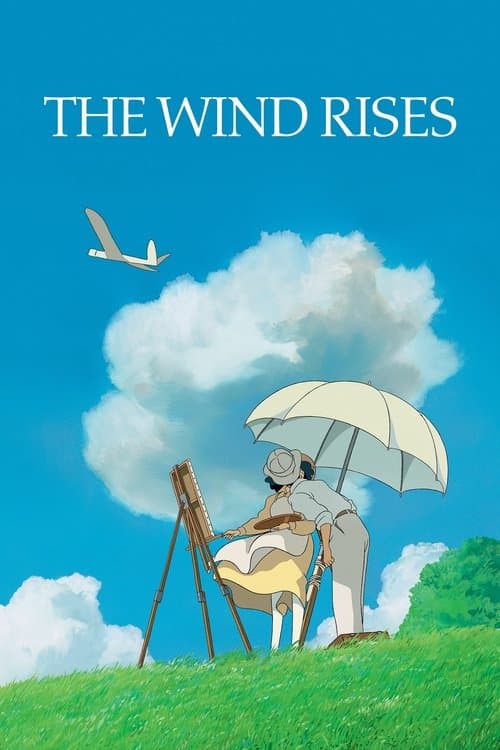
  30. The Wind Rises (2013) poster

    The Wind Rises

    Hayao Miyazaki · 2013

    Miyazaki films Jiro's love for Naoko and his love for aircraft with the same quiet attention. He never points out the parallel. He trusts you to feel that the woman and the plane both receive the same devotion and meet the same tragedy.

    Where to see it: Jiro working late at night with one hand holding Naoko's as she lies beside him. The scene is restrained. It holds everything the film has refused to say directly about beauty, loss and what creation costs.

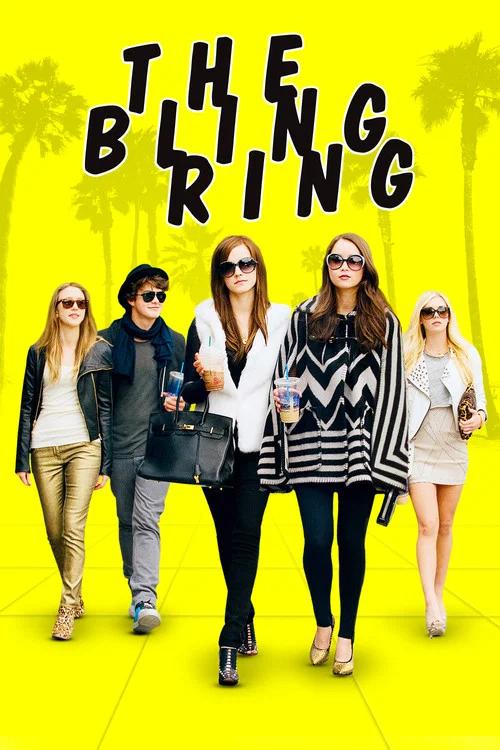
  31. The Bling Ring (2013) poster

    The Bling Ring

    Sofia Coppola · 2013

    Coppola stays at a measured distance and does not add a moral soundtrack or speeches. The teens' shopping sprees and thefts happen without comment. You judge them yourself, and that makes it more uncomfortable.

    Where to see it: The shopping spree. Marc and Rebecca spend the first stolen money on luxury items.

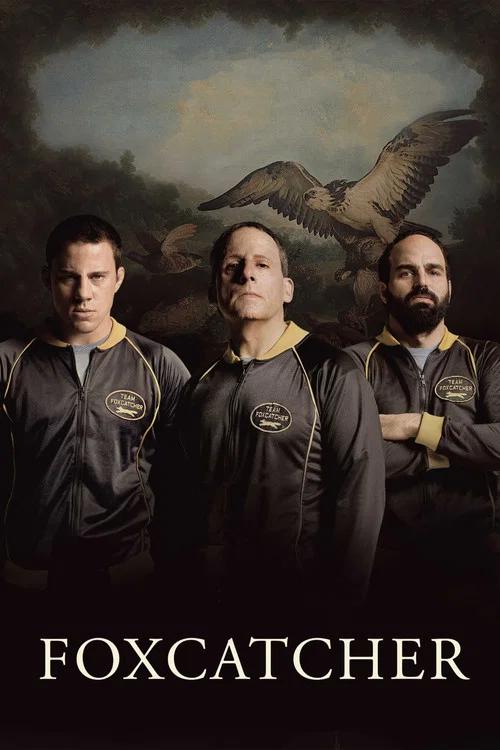
  32. Foxcatcher (2014) poster

    Foxcatcher

    Bennett Miller · 2014

    The film keeps a measured distance and trusts what happens on screen. Even the killing at the end is shown plainly, and you are left to take it in on your own.

    Where to see it: The shooting: After watching a documentary about the team, du Pont drives to Dave's home and shoots him.

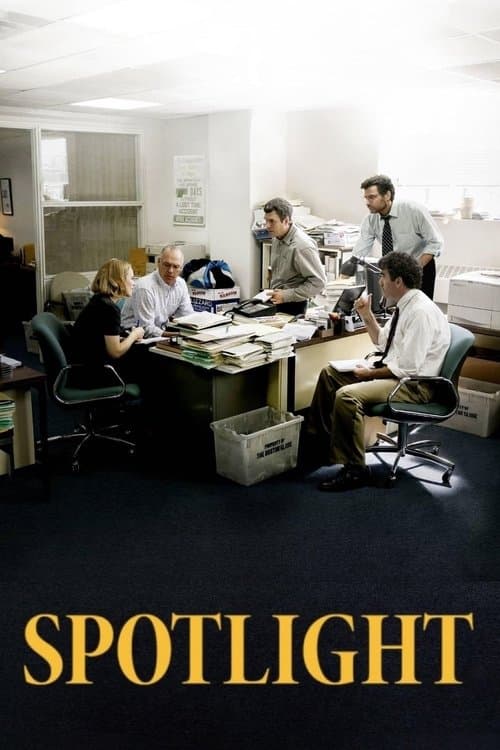
  33. Spotlight (2015) poster

    Spotlight

    Tom McCarthy · 2015

    McCarthy uses no dramatic music in the survivor interview scenes. The camera simply watches as men describe abuse in plain language. The horror comes through with nothing added to heighten it.

    Where to see it: Phil Saviano recounting his own abuse to the Spotlight team. There is no music and there are no dramatic close-ups, only testimony received in silence.

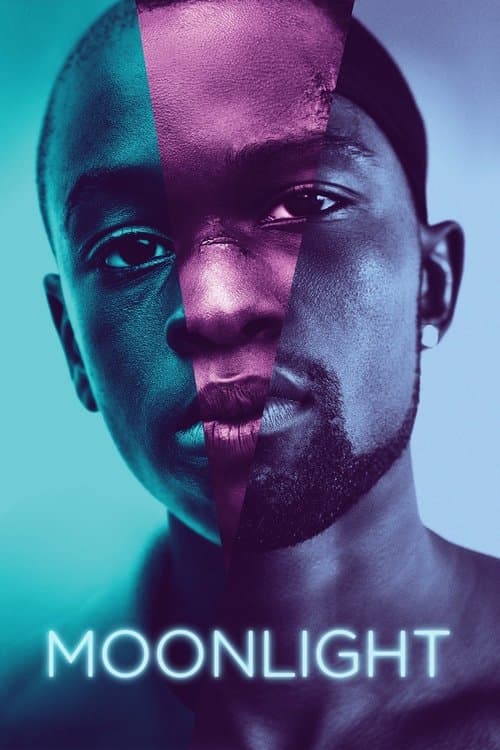
  34. Moonlight (2016) poster

    Moonlight

    Barry Jenkins · 2016

    Jenkins refuses to over-explain what Chiron is feeling inside. Silence, glances and the way he holds his body carry scenes that lesser films would spell out.

    Where to see it: The diner reunion between Chiron and Kevin in the final chapter. Small gestures get about a decade of feeling across.

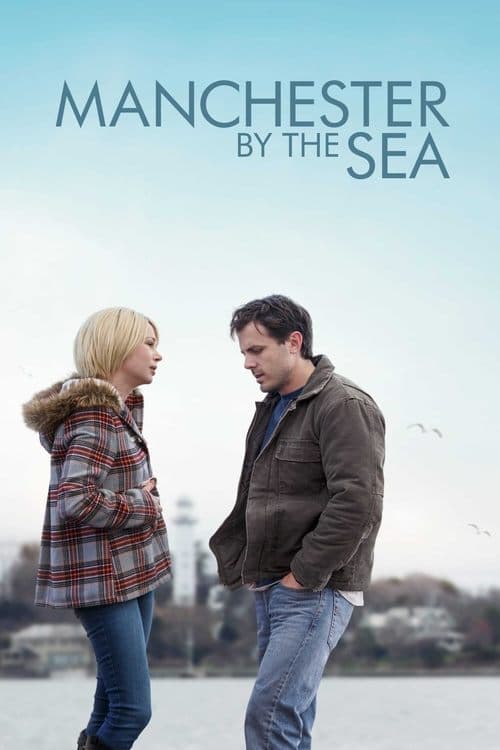
  35. Manchester by the Sea (2016) poster

    Manchester by the Sea

    Kenneth Lonergan · 2016

    The film gives you no catharsis, meaning no emotional release. Lee is not healed, and Lonergan never comments on his inability to recover. You are left to sit with the discomfort of grief that stays unresolved.

    Where to see it: The final scene. Lee and Patrick fish on Joe's boat after Lee has arranged for Patrick to stay in Manchester with George's family. Lee says he will look for a Boston home with an extra room so he can visit. There is no dramatic score and no redemption for him.

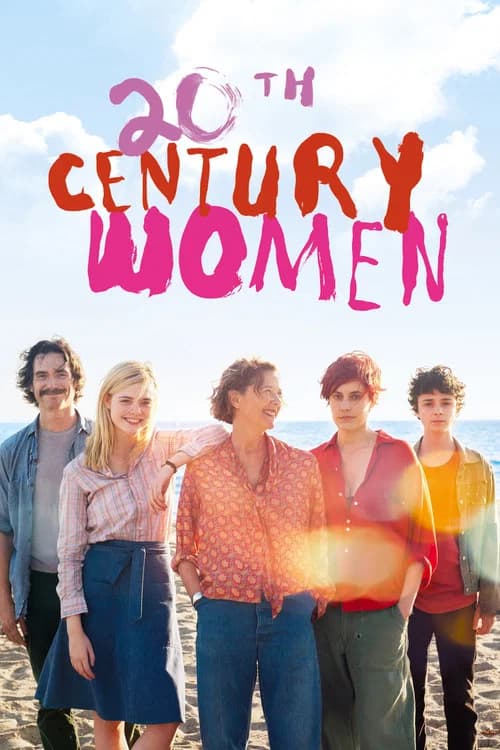
  36. 20th Century Women (2016) poster

    20th Century Women

    Mike Mills · 2016

    Mills films the women's relationships with Jamie and with each other without summing up what they mean. The film's emotional intelligence is spread across the performances, the visual choices and the narration looking back. No single scene is there to explain it.

    Where to see it: Dorothea dancing alone in the kitchen. The film watches without comment. The image tells you more about her than any description of her character would.

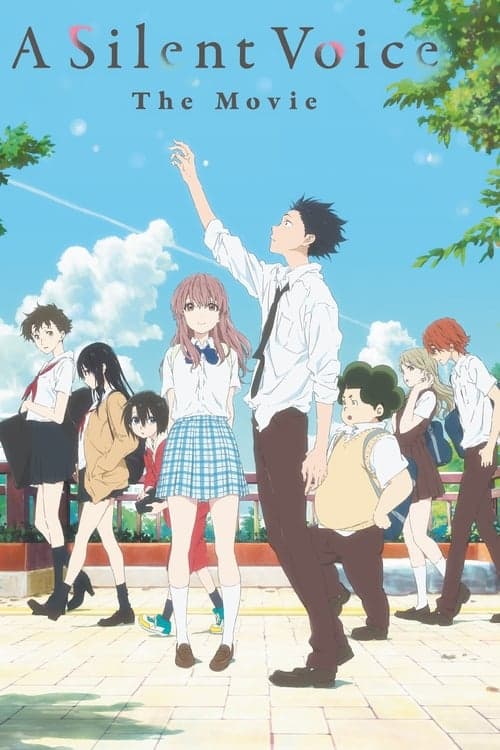
  37. A Silent Voice (2016) poster

    A Silent Voice

    Naoko Yamada · 2016

    Yamada films the growing relationship between Shoya and Shoko patiently, and she trusts small gestures. They talk in sign language, share notebooks and simply sit near each other. Those moments say what spoken words couldn't.

    Where to see it: Shoya learning sign language to communicate with Shoko. The film watches him learn without commenting on it. The effort he puts in is what convinces you he is sincere.

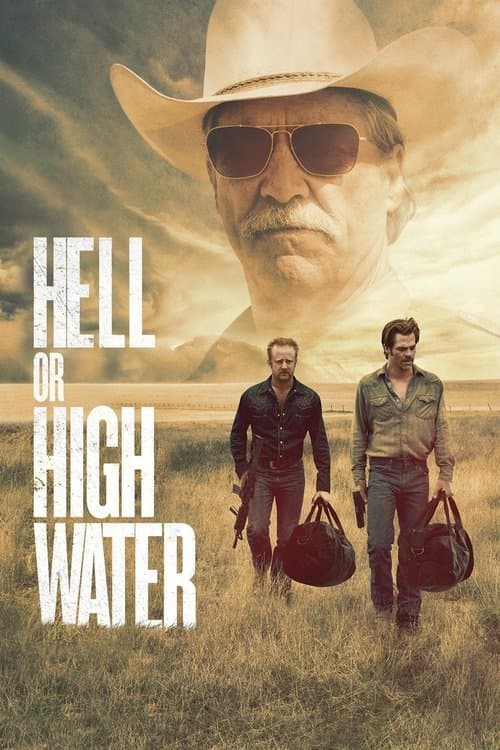
  38. Hell or High Water (2016) poster

    Hell or High Water

    David Mackenzie · 2016

    Mackenzie films the brothers' relationship with no backstory. You see how they are with each other in how they argue, how they protect each other and how they share silence. Their love comes through in behavior, and no scene of open emotion ever spells it out.

    Where to see it: Toby and Tanner at the campfire between robberies. The film watches them share the same space and doesn't make them explain their situation or their feelings. That restraint makes the bond easier to read.

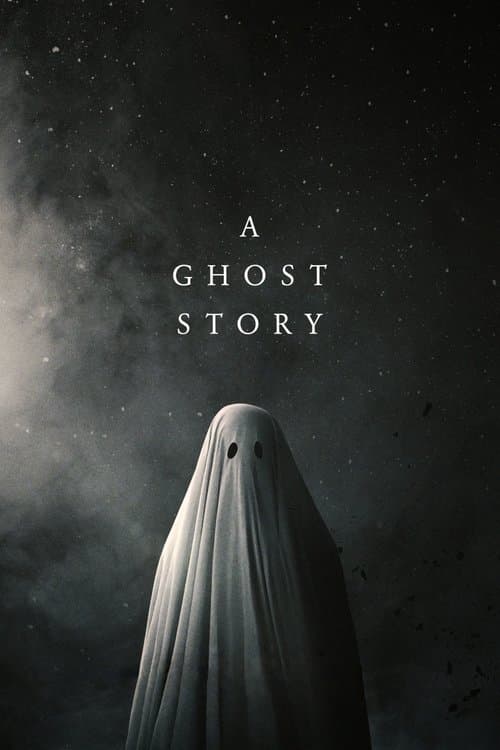
  39. A Ghost Story (2017) poster

    A Ghost Story

    David Lowery · 2017

    The camera watches M grieve, date, move out and disappear with the same detached patience the ghost has. It never cuts to underline a moment and never brings in music to tell you what to feel.

    Where to see it: The montage of the house's historical inhabitants. Each one is watched and then gone, and time passes as neutrally as a geological record.

  40. Lady Bird (2017) poster

    Lady Bird

    Greta Gerwig · 2017

    Gerwig never tells you what to think about Lady Bird's worry over class, her mother's love or what Sacramento means. She watches them clearly and with respect, like someone who has lived all of this. She trusts you to feel it.

    Where to see it: The closing voicemail, where shots of Lady Bird driving through Sacramento are followed by shots of her mother driving. There is no big speech. You hear a voice on a phone and see a city she has finally learned to love.

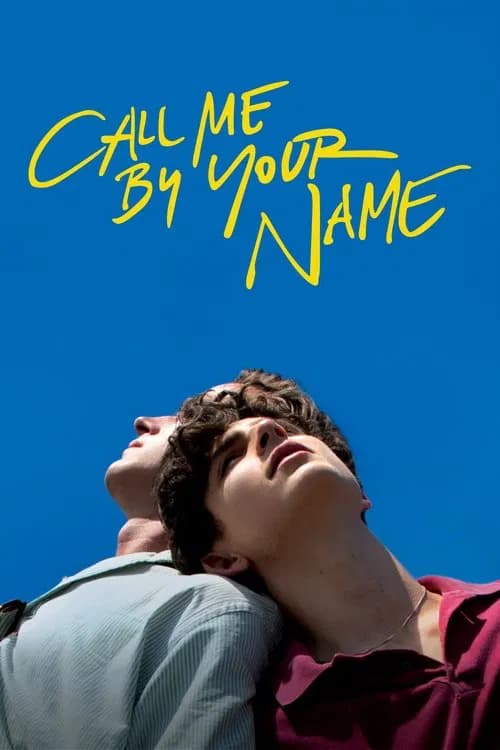
  41. Call Me by Your Name (2017) poster

    Call Me by Your Name

    Luca Guadagnino · 2017

    Guadagnino films the summer patiently, and he trusts sunlight and long stretches of time. He doesn't put music over every moment. He lets the camera watch the boys share the same space across weeks.

    Where to see it: The long takes of Elio reading, swimming and watching Oliver at volleyball. The film is recording the kind of attention that comes before anyone admits to desire.

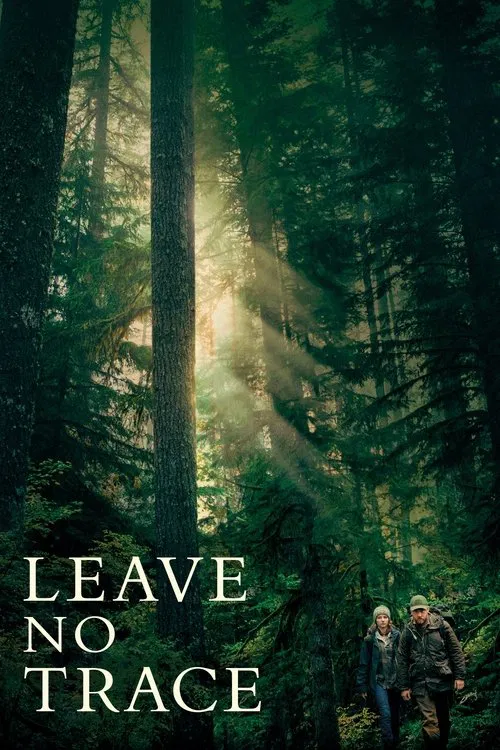
  42. Leave No Trace (2018) poster

    Leave No Trace

    Debra Granik · 2018

    Granik keeps the film at a respectful distance. There are no big speeches about Will's trauma and no pushy music. You learn what he cannot say from his survival habits and from the moments he decides to leave.

    Where to see it: The detention. Park rangers find Tom and Will in the woods, and the two are taken in by social services.

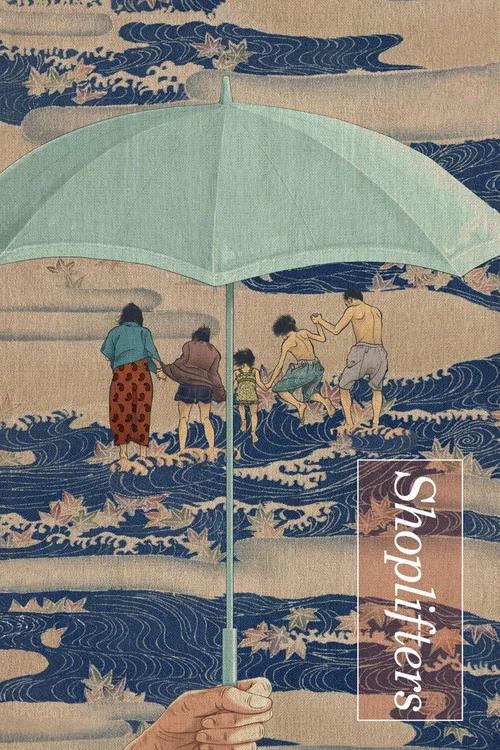
  43. Shoplifters (2018) poster

    Shoplifters

    Hirokazu Kore-eda · 2018

    Kore-eda keeps the camera at a respectful distance and rarely pushes in for emotion. The family steals, eats, laughs and cries in the same small house. He leaves it to you to judge them.

    Where to see it: The shoplifting lesson. Osamu and Shota steal from stores using hand signals, and Osamu tells Shota that unsold goods belong to no one.

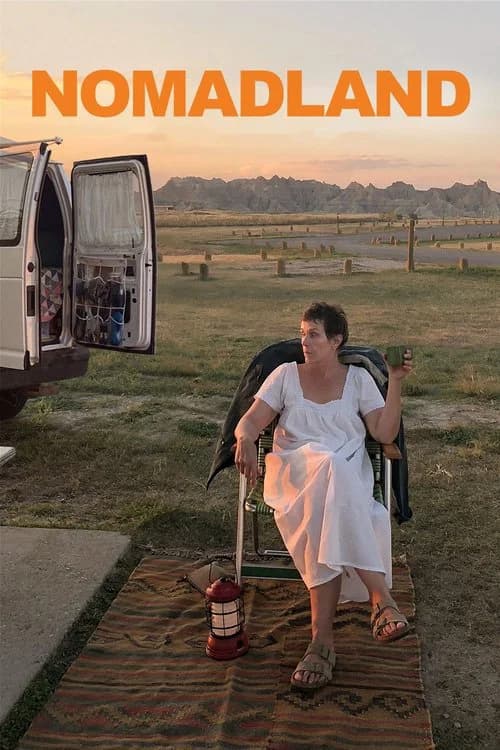
  44. Nomadland (2020) poster

    Nomadland

    Chloé Zhao · 2020

    Zhao's camera watches Fern, and the film never tells you how to feel about her choices. When she turns down the offer of a conventional home, the film just watches. It doesn't approve of the decision and it doesn't question it. That restraint is the point. This is a life, these are her choices and the film's job is to witness them.

    Where to see it: Fern declining Dave's offer. The camera watches her leave. The score and the editing don't tell you whether this is freedom or loss.

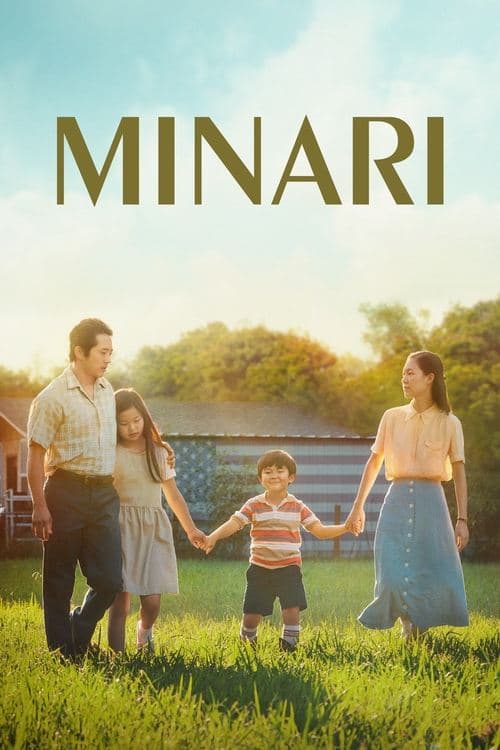
  45. Minari (2020) poster

    Minari

    Lee Isaac Chung · 2020

    Chung never comments on the parents' choices or the strains in the marriage. The film just watches. It trusts you to read the silences between Jacob and Monica as a complicated negotiation between 2 people trying to survive the same dream in different ways.

    Where to see it: Jacob and Monica eating in silence after another setback with the farm. The film simply watches, and it never adds music to tell you what the scene feels like.

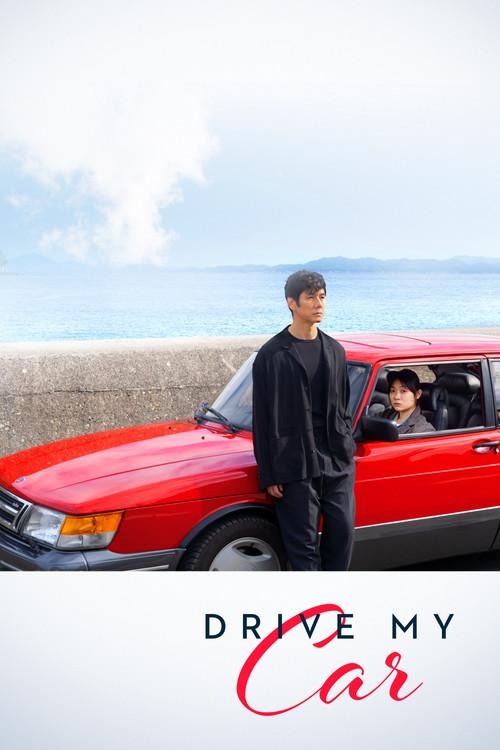
  46. Drive My Car (2021) poster

    Drive My Car

    Ryusuke Hamaguchi · 2021

    Hamaguchi shows you Kafuku watching his wife's infidelity without confronting her. He shows him staging rehearsals where he works out his grief, and riding in silence. The portrait is put together from what goes unsaid.

    Where to see it: Kafuku in the backseat as Misaki drives through the Hiroshima night. You can see both faces in the rearview mirror. Nothing is said between them, and everything is still there.

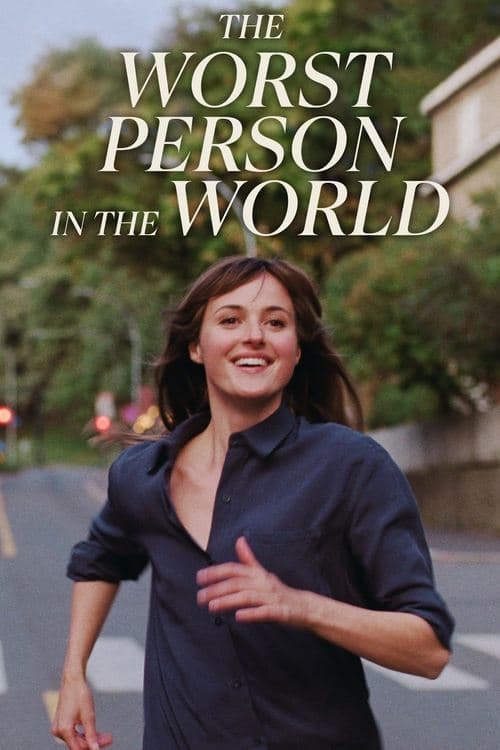
  47. The Worst Person in the World (2021) poster

    The Worst Person in the World

    Joachim Trier · 2021

    Trier watches Julie's choices without judging them. That covers her indecision, her self-sabotage and her genuine attempts to be honest. The film trusts you to understand that the 'worst person in the world' is simply someone trying to figure out who she is.

    Where to see it: The party where Julie meets Eivind. The film watches clearly as she crosses from one man's world into another's, and she can't yet name what she is doing.

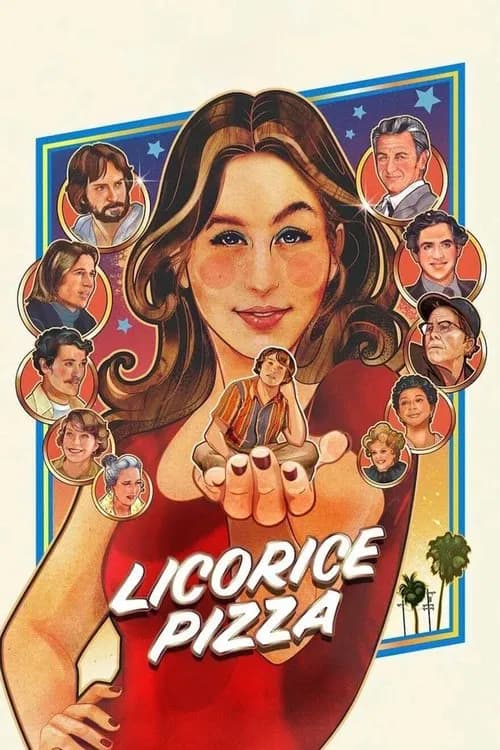
  48. Licorice Pizza (2021) poster

    Licorice Pizza

    Paul Thomas Anderson · 2021

    Anderson refuses to define what Alana and Gary are to each other until the very end. Almost everything the film says about their feelings comes through how they behave, how close they stand and the time they spend together.

    Where to see it: The final stretch of Alana and Gary running toward each other. They collide outside a movie theater and fall over in a hug. You can read the feeling in the movement before anyone says a word.

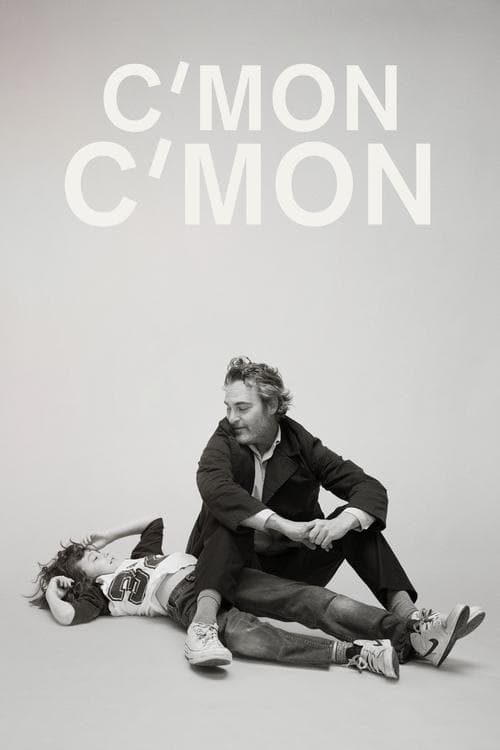
  49. C'mon C'mon (2021) poster

    C'mon C'mon

    Mike Mills · 2021

    Mills films the relationship between Johnny and Jesse as it grows through ordinary time (hotel rooms, city walks, arguments about bedtime). No single scene announces that they care about each other. You see the affection build up over many small moments.

    Where to see it: Jesse falling asleep against Johnny on the plane. The film just watches the moment and doesn't comment. The physical closeness carries all the emotion, and any spoken declaration would only weaken it.

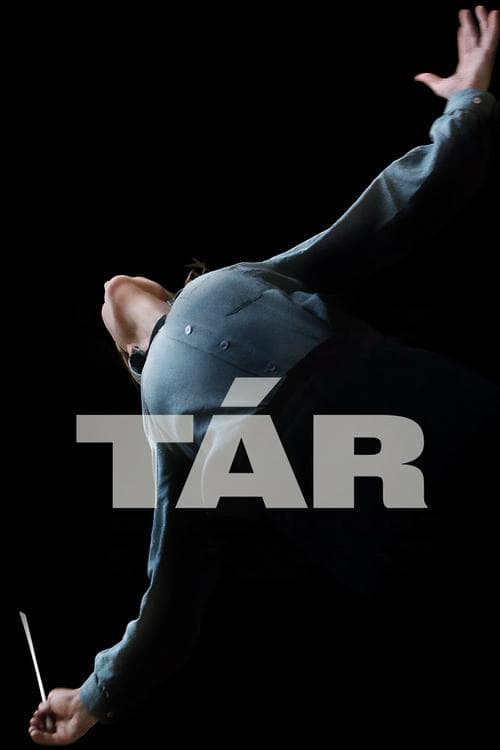
  50. Tár (2022) poster

    Tár

    Todd Field · 2022

    Field and cinematographer Florian Hoffmeister shoot in long takes with very little camera movement. They watch Lydia and never tell you how to feel about what you see. That restraint is the point. You have to do the interpreting that a conventional film would do for you, and the film's moral position comes out of that work.

    Where to see it: The long takes of Lydia's rehearsals. The camera watches her use her authority without commenting, and the judgment is left entirely to you.

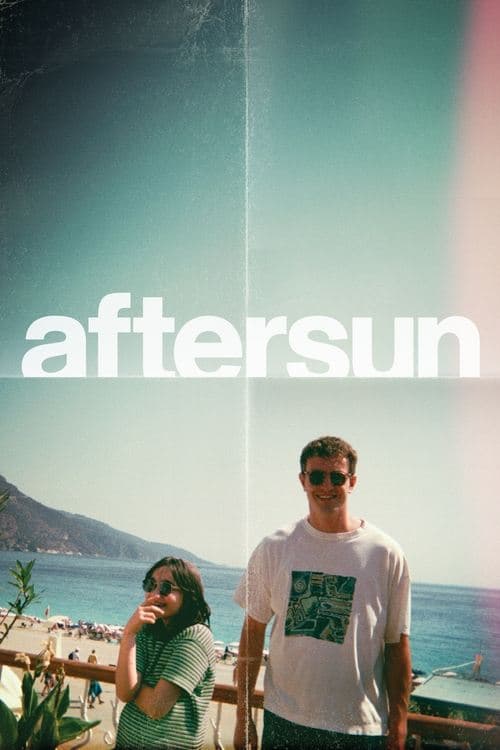
  51. Aftersun (2022) poster

    Aftersun

    Charlotte Wells · 2022

    Wells's camera watches Calum the way a child would. It is present and paying attention, but it doesn't fully understand what it is seeing. A conventional film would explain his psychology or add dramatic emphasis at certain moments. At exactly those moments, this film holds back. That matches how little Sophie herself can see of her father's inner life.

    Where to see it: Calum alone on the balcony at night. The camera watches him from a distance and never moves closer. It keeps a child's view of a parent's private suffering, respectful and incomplete.

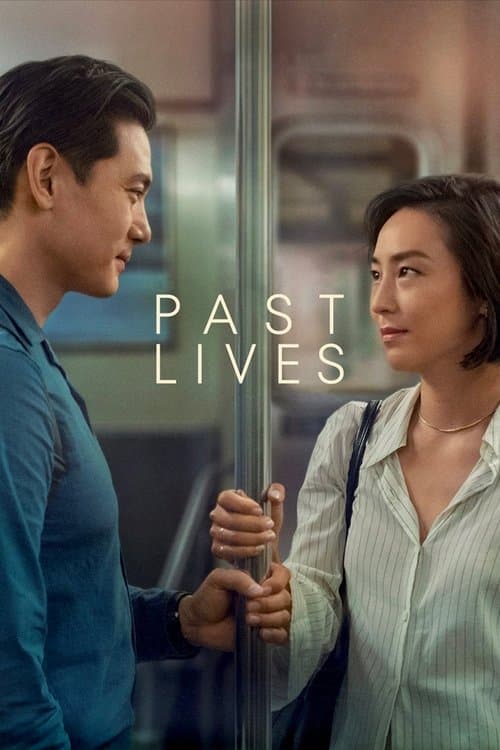
  52. Past Lives (2023) poster

    Past Lives

    Celine Song · 2023

    Shabier Kirchner's camera stays on faces without using close-ups to underline emotion. It watches conversations without cutting back and forth for emphasis, and it follows the characters through New York at a distance that feels respectful. That restraint gives the film its emotional weight, because you have to feel what the camera declines to point out.

    Where to see it: The bar scene where Nora, Hae Sung and Arthur sit together. It is 3 people sitting together while the camera watches and never tells you what to feel. That restraint makes the scene almost unbearable.

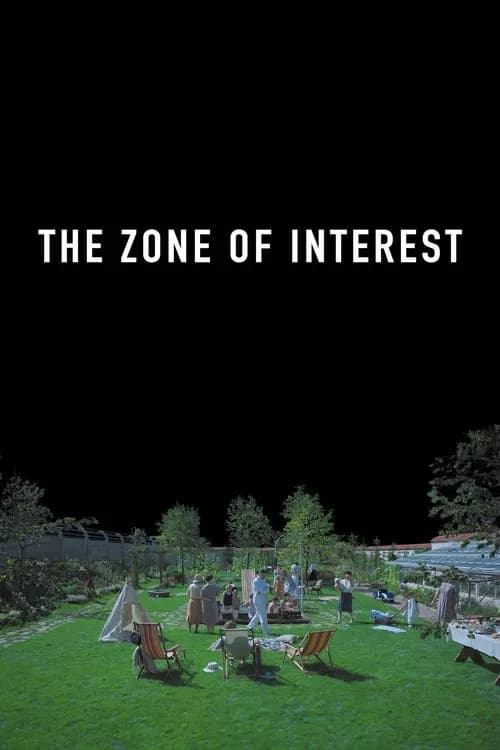
  53. The Zone of Interest (2023) poster

    The Zone of Interest

    Jonathan Glazer · 2023

    Glazer uses fixed cameras, placed like surveillance equipment. They watch the Höss household with no dramatic framing and no hint about what to think. The camera doesn't react to what it sees. That restraint is the point, because this is what normal life looked like. Since the film won't comment, you also lose the comfortable distance that a conventional horror drama gives you.

    Where to see it: The scenes at the Höss house, shot by fixed cameras placed around it. The camera watches family life from a fixed position. The ordinary life and the horror you can hear get equal weight on screen.

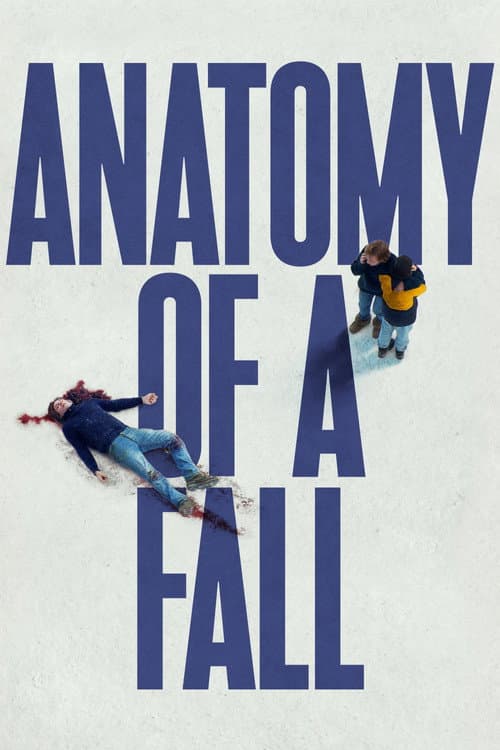
  54. Anatomy of a Fall (2023) poster

    Anatomy of a Fall

    Justine Triet · 2023

    Triet films Sandra with the same uncertainty the court has about her. The film neither condemns her nor clears her. It watches her react to testimony about her own marriage with a face that could mean anything.

    Where to see it: Sandra listening to her husband's voice on the audio recording. The camera is close on her face, and her unreadable expression holds the film's whole unanswerable question.

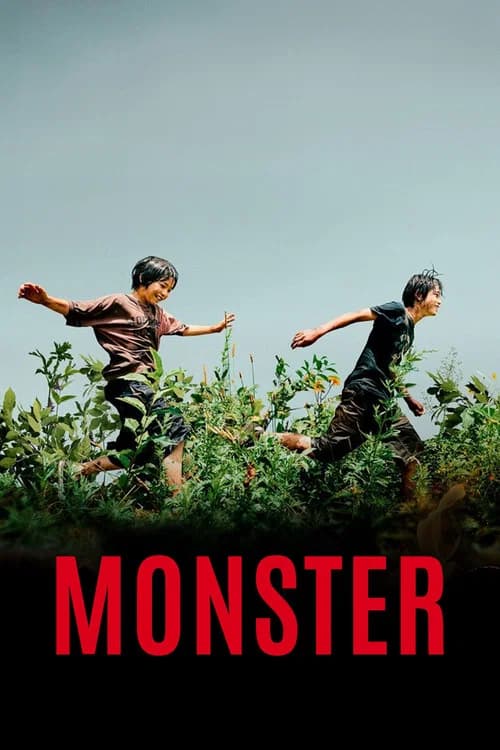
  55. Monster (2023) poster

    Monster

    Hirokazu Kore-eda · 2023

    Kore-eda films the children's relationship with his usual restraint. The boys' friendship shows in small gestures and shared spaces, and it is never explained. The camera is content to watch a tenderness that neither boy has words for.

    Where to see it: Yori and Minato playing in the abandoned train car. The film watches them in a space that is entirely theirs. For a while, the outside world doesn't matter.

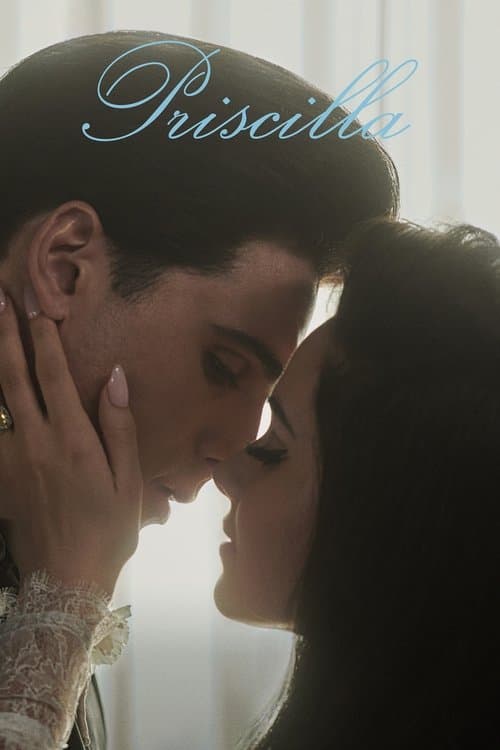
  56. Priscilla (2023) poster

    Priscilla

    Sofia Coppola · 2023

    Coppola shows Elvis's control over Priscilla through small gestures and skips the dramatic confrontations. You see what she is asked to wear, when she is allowed to leave and what she is permitted to learn. The small limits add up to something more disturbing than any single incident.

    Where to see it: Elvis choosing Priscilla's hair color and style. It's a scene of intimacy and a scene of control at the same time. Coppola films the gesture without commentary.

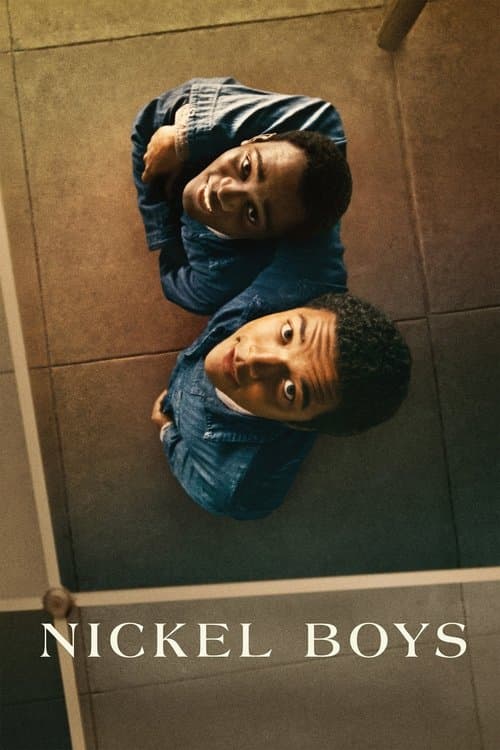
  57. Nickel Boys (2024) poster

    Nickel Boys

    RaMell Ross · 2024

    Ross films the friendship between Elwood and Turner with the visual patience he is known for. The bond builds through shared glances, physical closeness and the small give and take of living in a confined space. There is very little dialogue explaining it.

    Where to see it: Elwood and Turner in their dormitory bunk. The camera watches from Elwood's point of view as Turner speaks. The angle is so close that you feel the tenderness of the friendship.

Questions

Quick answers

What is observational restraint in film?
Watching events from a measured distance with no swelling music, tear-jerking close-ups or showy camera moves. The film trusts what happens to carry the weight on its own.
Which films use observational restraint?
Late Spring (1949), High Noon (1952), Umberto D. (1952), Tokyo Story (1953), The Wrong Man (1956), Winter Light (1963) and 51 more films in the CineCode library.
What kind of technique is observational restraint?
It is a narrative technique. Related narrative techniques include Autobiographical Distance, Circular Structure, Earned Catharsis.