Cinematography technique · used in 49 films

Handheld Cinema Vérité

Shooting with a handheld camera so the frame shakes and moves with the action. This documentary-style look, called cinema vérité, puts you uncomfortably close to the character.

Examples

49 films that use it

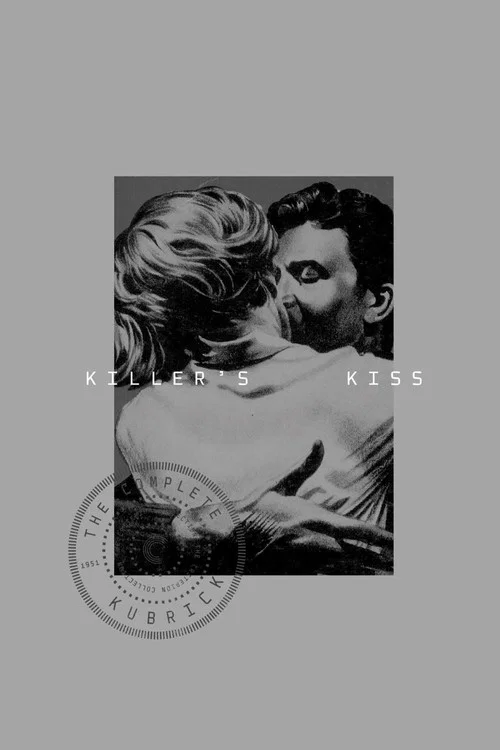
  1. Killer's Kiss (1955) poster

    Killer's Kiss

    Stanley Kubrick · 1955

    Kubrick had no filming permit for some street scenes, so he shot them with a handheld camera from the back of a moving pickup truck. The shaky, rough frames put you in the street with Davey as he runs.

    Where to see it: The street scenes. The camera moves with the action in a way the polished studio scenes do not.
  2. The 400 Blows (1959) poster

    The 400 Blows

    François Truffaut · 1959

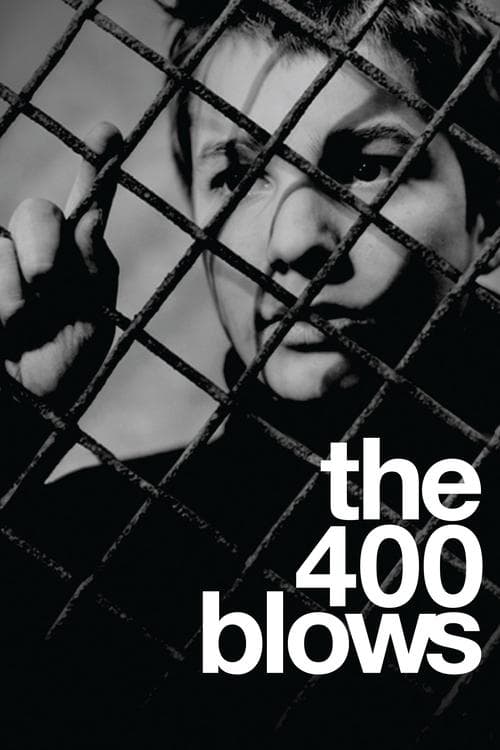
    Truffaut and Henri Decaë shot on the streets of Paris with handheld cameras. It was how the Nouvelle Vague, the French New Wave, declared its independence from studio filmmaking. The handheld style roots Antoine's story in the real, physical Paris of the 1950s. The camera moves freely, which matches the boy's restlessness and his lack of any fixed ground.

    Where to see it: The street sequences. Antoine moves through Paris and the camera keeps pace with him. The handheld, documentary-style shooting makes the city feel close and real.

  3. The Battle of Algiers (1966) poster

    The Battle of Algiers

    Gillo Pontecorvo · 1966

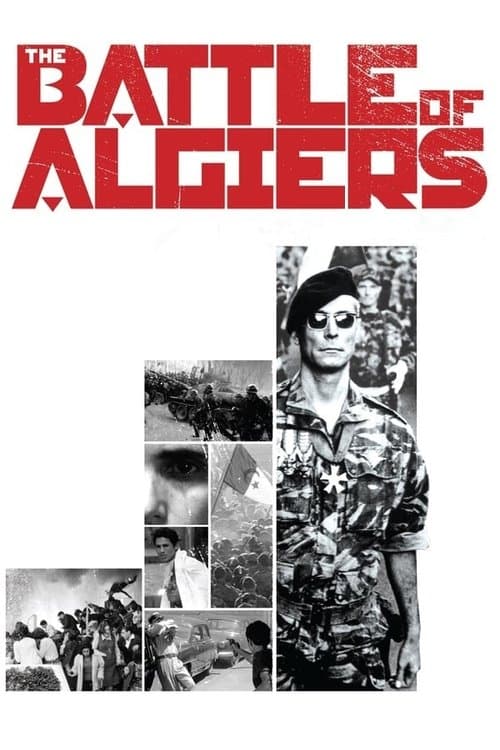
    Pontecorvo and cinematographer Marcello Gatti shot with handheld cameras on high-contrast black-and-white film, the kind you usually see in newsreels. The result looked so much like a documentary that distributors had to add a title card saying no archive footage had been used.

    Where to see it: The bomb-planting sequences. The camera moves through the Casbah like a documentary crew travelling with the FLN. You can't tell the staged scenes from newsreel.

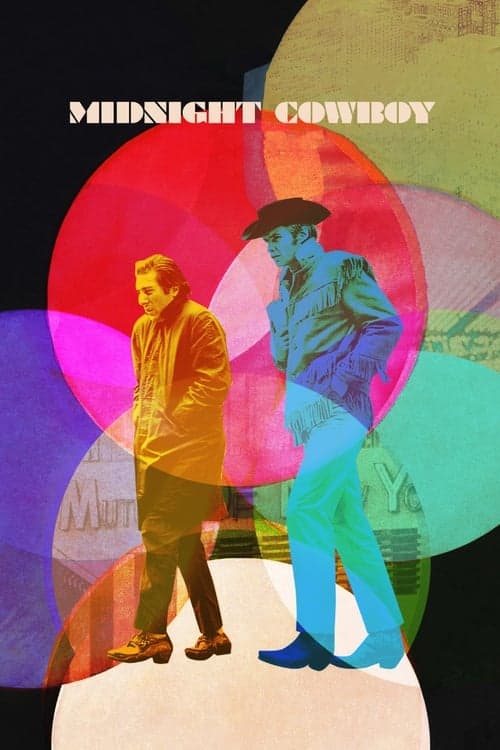
  4. Midnight Cowboy (1969) poster

    Midnight Cowboy

    John Schlesinger · 1969

    Adam Holender's handheld photography puts the camera at street level in actual New York locations. You get the grime, the indifferent crowds and the neon. The film ends up feeling like documentary evidence of how easily the city abandons people.

    Where to see it: Joe Buck walking down 42nd Street. The handheld camera is in the crowd with him, and the real New Yorkers around him don't care. The cowboy suit looks absurd in a way only a real location could produce.

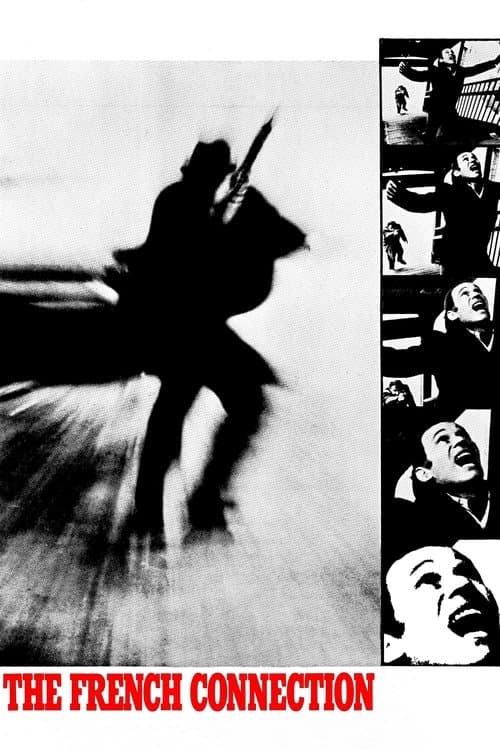
  5. The French Connection (1971) poster

    The French Connection

    William Friedkin · 1971

    Owen Roizman shoots the New York streets with a handheld camera, the way a documentary crew would. The camera is unsteady, the light is unglamorous and so is the city. As a result, the investigation feels like journalism done in real time inside a real case.

    Where to see it: The stakeout sequences. The camera watches Doyle watching the smugglers, so the detective and the film are both doing surveillance. The handheld style has the discipline of patient watching.

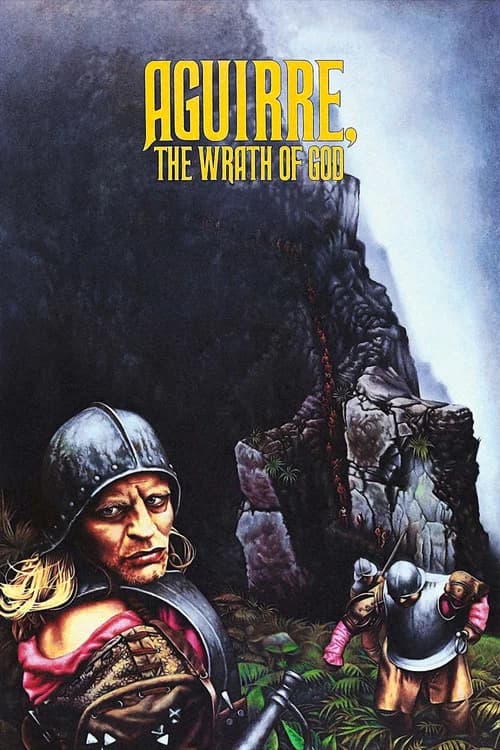
  6. Aguirre, the Wrath of God (1972) poster

    Aguirre, the Wrath of God

    Werner Herzog · 1972

    Herzog shot in the actual Amazon with a tiny crew. The handheld style came out of necessity and ended up defining the film. The unsteady camera makes the jungle real. In every pan through the undergrowth and every shot from the edge of the raft, a camera operator is in physical contact with the place you're looking at.

    Where to see it: The raft navigation sequences. The handheld camera tips with the movement of the raft. You feel the physical reality of the jungle in how unsteady the image is.

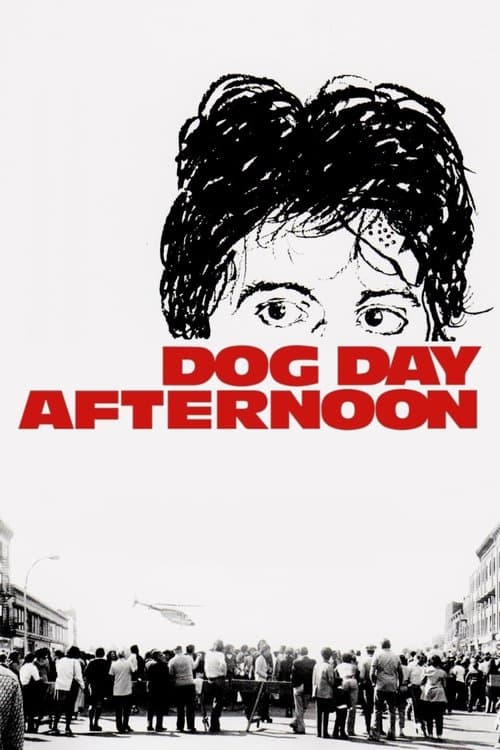
  7. Dog Day Afternoon (1975) poster

    Dog Day Afternoon

    Sidney Lumet · 1975

    Victor Kemper's camera moves with Sonny through the bank and out onto the street, as jumpy as a news cameraman. It closes the distance between you watching the film and the actual crowd watching the spectacle.

    Where to see it: Sonny coming out of the bank to work the crowd on the street. The camera gets jostled in the mass of onlookers as if it were just another bystander.

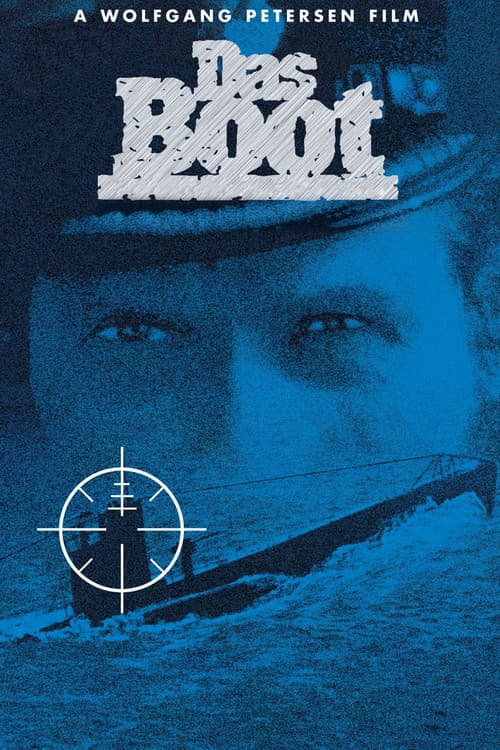
  8. Das Boot (1981) poster

    Das Boot

    Wolfgang Petersen · 1981

    During the torpedo attacks and depth-charge sequences, Petersen's handheld camera behaves like another body inside the submarine. It lurches with each impact, squeezes through narrow hatches and chases frantic movement down cramped passages. The rough, documentary-like style lets you feel the crew's panic physically.

    Where to see it: The attack on the British convoy. The handheld camera moves through the control room as orders are shouted and the submarine maneuvers.

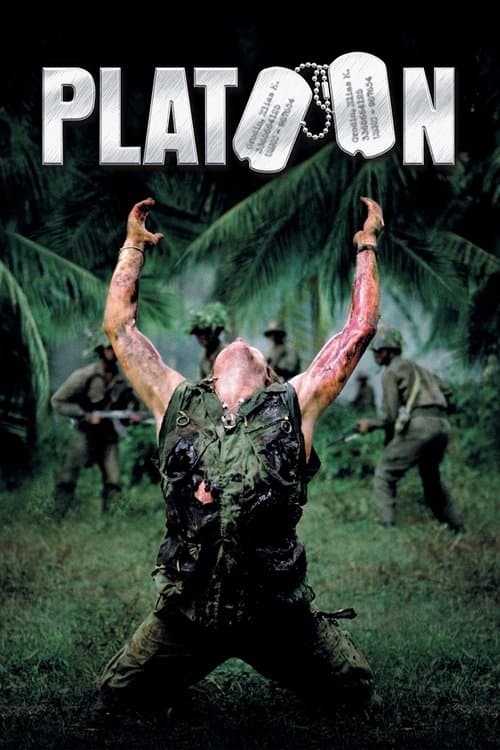
  9. Platoon (1986) poster

    Platoon

    Oliver Stone · 1986

    Robert Richardson's photography gives the jungle sequences a sweaty, disoriented look, like a camera trying to keep up with real events. It is a deliberate step away from the clean compositions of classic war films.

    Where to see it: The night ambush sequence. The camera lurches through the darkness while figures appear and disappear in the confusion.

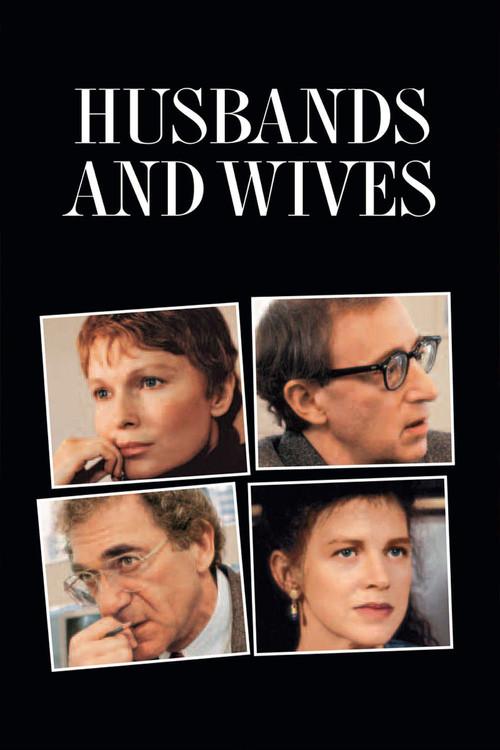
  10. Husbands and Wives (1992) poster

    Husbands and Wives

    Woody Allen · 1992

    Carlo Di Palma shot the film with a handheld camera. The frame moves and reframes while the characters talk. Nobody is composed or lit like a movie star. You feel like a guest who has stumbled into a bad evening.

    Where to see it: The opening. Jack and Sally tell Gabe and Judy about the separation, and the camera moves restlessly around the room.

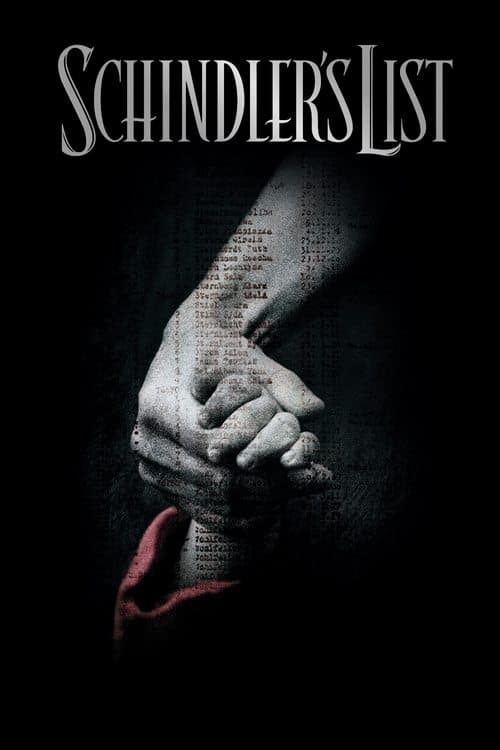
  11. Schindler's List (1993) poster

    Schindler's List

    Steven Spielberg · 1993

    Kamiński shot much of the film with a handheld camera, often using available light or a single light source. He refused the polished compositions of conventional cinematography. The camera feels like it is trying to keep up with events.

    Where to see it: The Auschwitz shower sequence. The unsteady camera gives you the terror of not knowing.

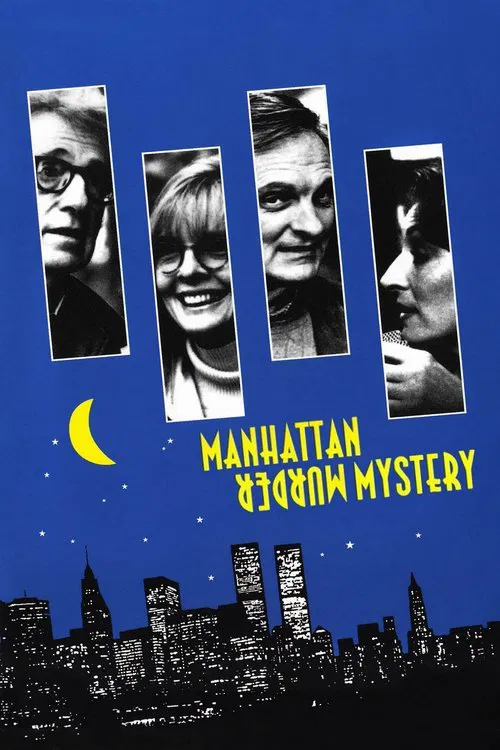
  12. Manhattan Murder Mystery (1993) poster

    Manhattan Murder Mystery

    Woody Allen · 1993

    Carlo Di Palma used handheld cameras. The movement keeps the apartment scenes loose and makes the chase feel unplanned. You feel like you are right there with the couple.

    Where to see it: The apartment arguments. Larry and Carol argue at home while the camera drifts with them.

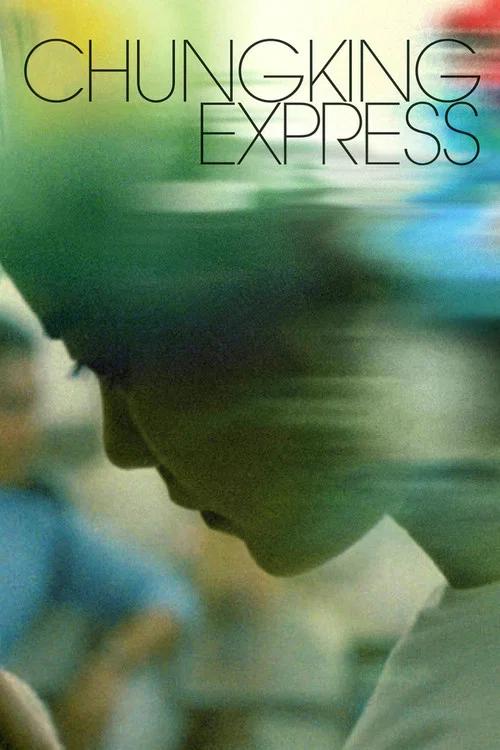
  13. Chungking Express (1994) poster

    Chungking Express

    Wong Kar-wai · 1994

    Cinematographer Christopher Doyle used a handheld camera with natural light and step-printing, a trick that repeats frames to make movement blur and stutter. The characters seem to rush through the city. You feel like you are running right beside them.

    Where to see it: The opening chase. Cop 223 runs after a suspect through the crowded alleys and the camera blurs and stutters with him.

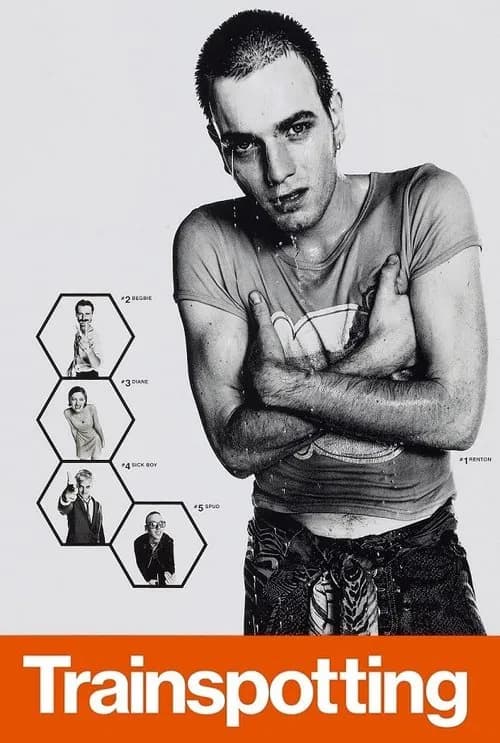
  14. Trainspotting (1996) poster

    Trainspotting

    Danny Boyle · 1996

    Brian Tufano shoots Edinburgh's housing estates and shooting galleries (where addicts inject) with a handheld camera. It's close, unstable and present, so you feel like you're in the room. You watch the poverty and addiction as a witness, which gives it moral weight and keeps it from turning into spectacle.

    Where to see it: The group in Mother Superior's flat scoring and using. The handheld camera moves through the cramped room with no distance at all. You can't separate the physical space from the people in it.

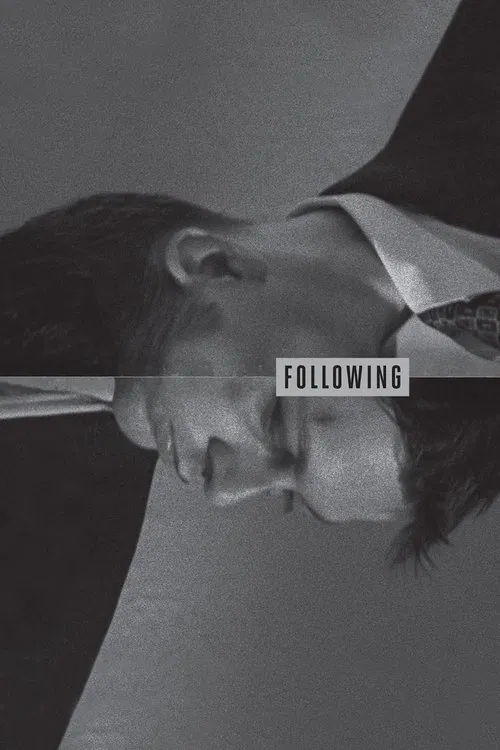
  15. Following (1998) poster

    Following

    Christopher Nolan · 1998

    Nolan shot on black-and-white 16mm film with a handheld camera and whatever light came through the windows. The cast and crew had day jobs, so they filmed on weekends over about a year. The rough look makes the break-ins feel like you're sneaking in with them.

    Where to see it: The first break-in with Cobb. The camera follows them through a stranger's flat as Cobb goes through the owner's private things.

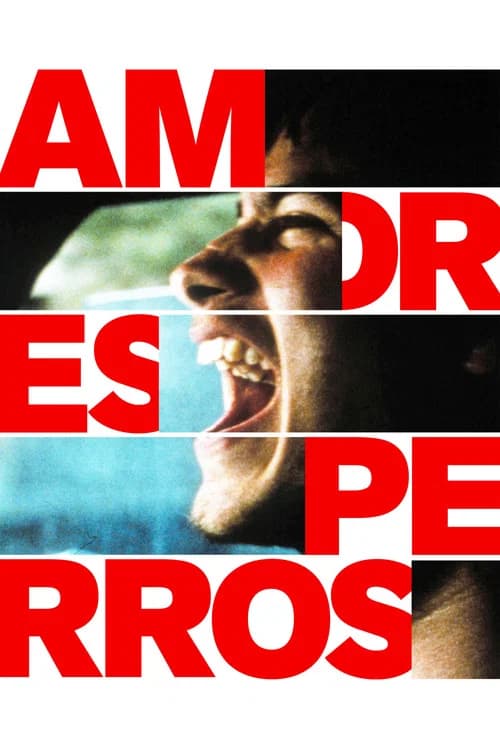
  16. Amores Perros (2000) poster

    Amores Perros

    Alejandro González Iñárritu · 2000

    Rodrigo Prieto shoots Mexico City's streets with a shaky, documentary-style handheld camera. It puts you in the traffic, the tenements and the dog fights. You can't separate the real texture of the city from the fictional characters moving through it.

    Where to see it: The dog fight sequences. The handheld camera is in the pit with the animals. The violence is raw and nothing softens it, and from that close, it's pretty much impossible to make the cruelty look good.

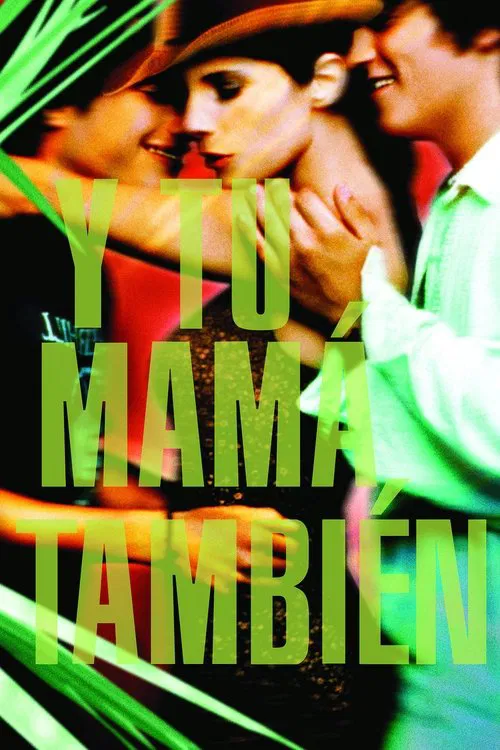
  17. Y Tu Mamá También (2001) poster

    Y Tu Mamá También

    Alfonso Cuarón · 2001

    Cuarón dropped the dollies and polished close-ups of his Hollywood films and shot the whole thing handheld. The actors improvised a lot of their scenes. It feels like you're riding in the back seat with them.

    Where to see it: The drive through rural Mexico. Julio, Tenoch and Luisa talk and joke in the car, boasting about sex while Luisa asks them questions.

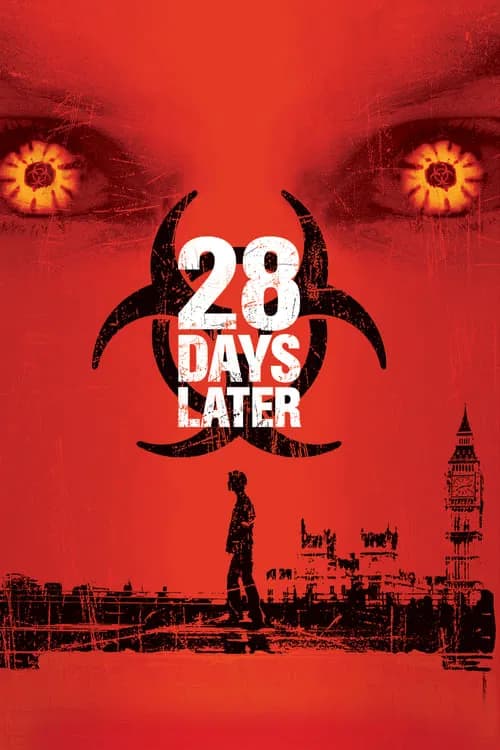
  18. 28 Days Later (2002) poster

    28 Days Later

    Danny Boyle · 2002

    Anthony Dod Mantle shot on digital video, which was a radical choice for a film made for cinemas back then. It makes pandemic London look like a documentary. The empty locations feel like they were really recorded, and the digital grain makes the film look like evidence of something real.

    Where to see it: The infected attack sequences. Consumer digital video handles darkness poorly, so many night scenes were shot day for night. The rough image still makes the attacks feel chaotic and dangerous.

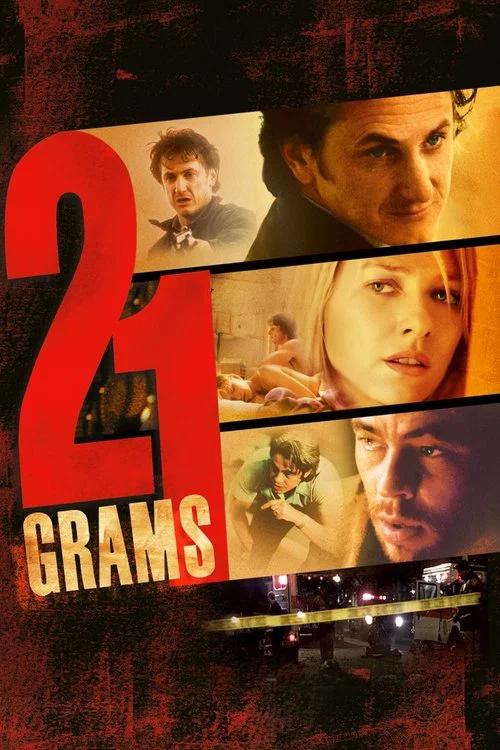
  19. 21 Grams (2003) poster

    21 Grams

    Alejandro González Iñárritu · 2003

    Gritty, hand-held shots keep the camera close to the characters. The picture shakes a little and the bleach bypass process drains the image. It feels like you are right there with them in their worst moments.

    Where to see it: Hospital and motel scenes: the film's hand-held style puts you next to the characters when Paul shoots himself in the chest and is rushed to the hospital.

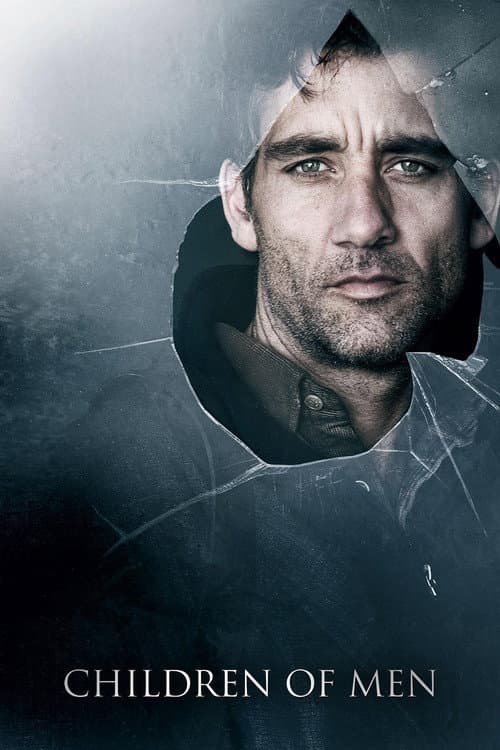
  20. Children of Men (2006) poster

    Children of Men

    Alfonso Cuarón · 2006

    Emmanuel Lubezki shoots handheld, and that gives the film its key quality: it feels like a witness. The camera moves through the Bexhill battle like a war reporter. It takes whatever angles it can get, and none of them feel planned. I feel like you can still follow the chaotic combat scenes because the camera acts like someone trying to survive while recording.

    Where to see it: The Bexhill battle sequences. The handheld camera pushes through rubble and gunfire, and you experience the battle from inside it.

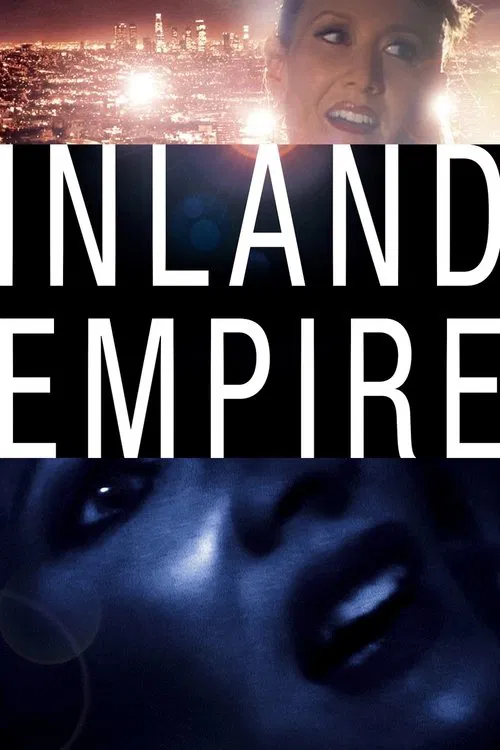
  21. Inland Empire (2006) poster

    Inland Empire

    David Lynch · 2006

    Lynch shot the film himself on a handheld Sony camcorder in standard definition. The picture is grainy, close and unsteady, a long way from polished Hollywood. The nightmare feels like footage you were never meant to see.

    Where to see it: The Polish segments. They were shot in Łódź, and the low-grade video puts you right next to the characters.

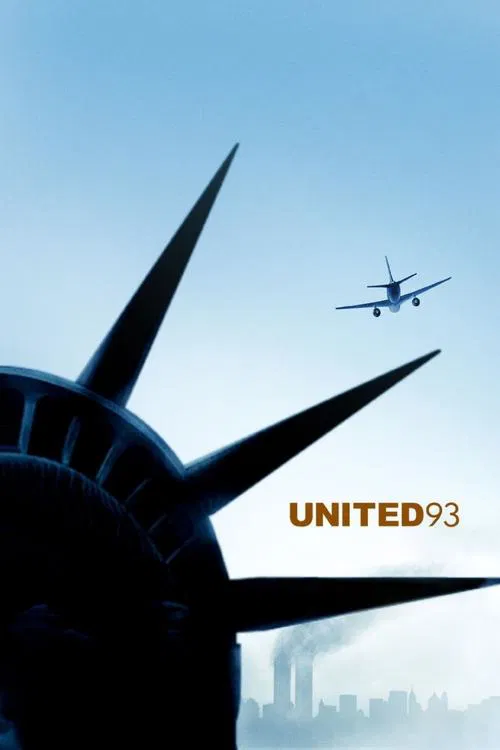
  22. United 93 (2006) poster

    United 93

    Paul Greengrass · 2006

    Greengrass shot with handheld cameras inside a cramped set that was built to move like the real flight. The frame jolts and searches for the action, so you are packed in the aisle with the passengers. There are no calm, composed shots to step back into.

    Where to see it: The cabin takeover. One hijacker claims to have a bomb, the others rise from their seats, and the camera pushes through the aisle with the panicking passengers.

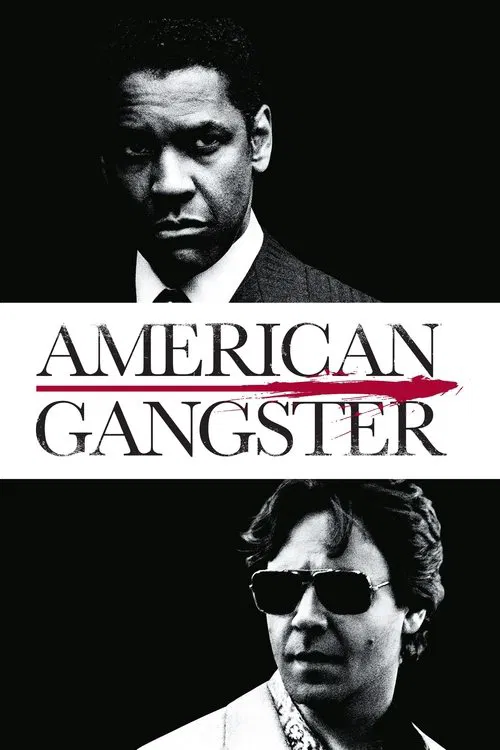
  23. American Gangster (2007) poster

    American Gangster

    Ridley Scott · 2007

    Hand-held cameras were used a lot to give the film a raw, 1970s-style realism. The picture shakes and moves with the people on screen, which puts you inside the streets with them instead of looking at them from a safe distance.

    Where to see it: The raid on Frank's heroin facility: Roberts' detectives raid the processing site, and Frank's nephew Stevie is killed and his brother Huey is arrested.

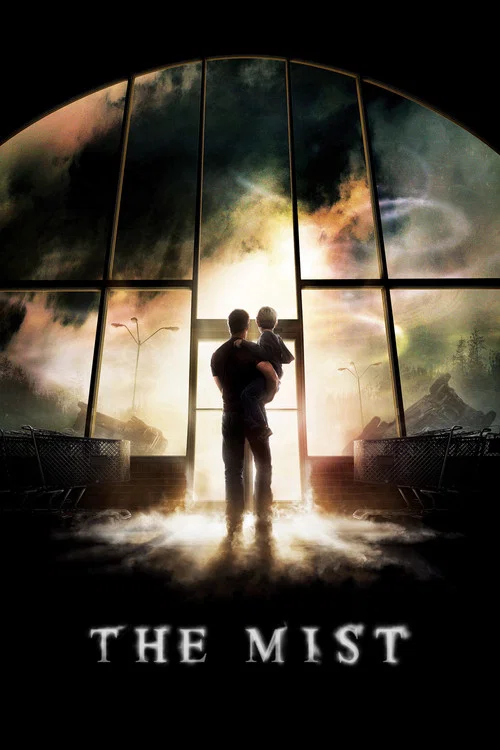
  24. The Mist (2007) poster

    The Mist

    Frank Darabont · 2007

    Darabont wanted a ragged, documentary look and shot on 400 ASA Fujifilm for a grainy texture. The camera moves with the characters instead of posing them. It makes the attacks feel like real footage.

    Where to see it: The first attack. Norm goes outside to fix the generator and is dragged off by a tentacled creature.

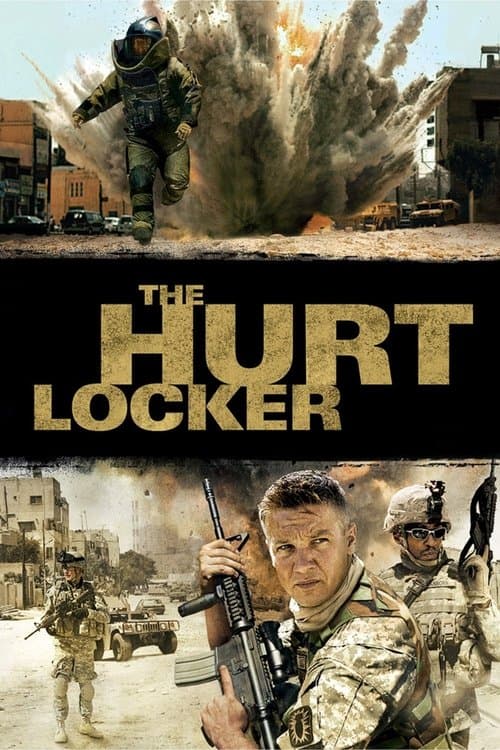
  25. The Hurt Locker (2008) poster

    The Hurt Locker

    Kathryn Bigelow · 2008

    Barry Ackroyd's handheld cameras (sometimes 4 at the same time) prowl around the bomb disposal sequences at ground level. You are kept uncomfortably close to the danger, without the safety of a neatly composed shot.

    Where to see it: The opening bomb disposal sequence with Sergeant Thompson. The handheld frame can barely keep up with the action.

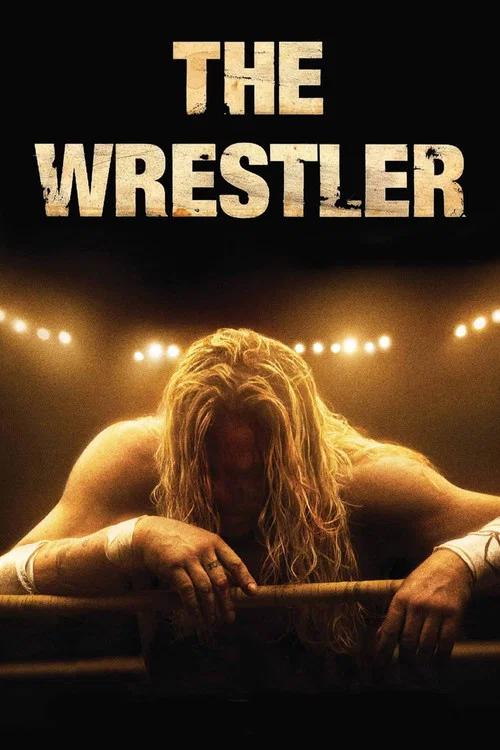
  26. The Wrestler (2008) poster

    The Wrestler

    Darren Aronofsky · 2008

    Cinematographer Maryse Alberti shot mostly handheld on 16mm, and the camera often trails Randy from behind. We follow him from the locker room to the deli counter as if he were walking out to the ring. It makes his daily life feel like a performance.

    Where to see it: The walk to the deli counter. The camera follows Randy from behind through the back of the store.

  27. Black Swan (2010) poster

    Black Swan

    Darren Aronofsky · 2010

    Aronofsky's camera (shot by Matthew Libatique) stays inches behind Nina's neck and shoulders. Being that close is claustrophobic, and it traps you inside her failing sense of what's real.

    Where to see it: Nina's daily rehearsal sequences and the backstage passages on opening night. The camera stays right behind her.

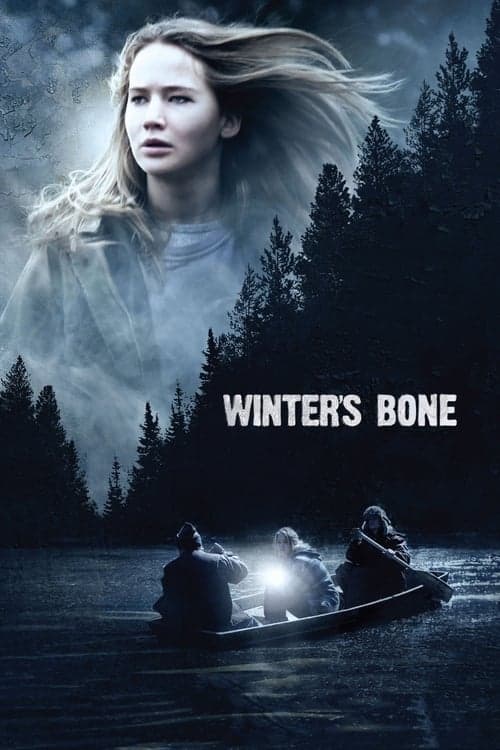
  28. Winter's Bone (2010) poster

    Winter's Bone

    Debra Granik · 2010

    Michael McDonough shoots Ree's investigation with a restrained handheld camera. It stays close to her body without getting shaky. The camera feels more like a companion than an observer, and the documentary look tells you how seriously the film takes her search.

    Where to see it: Ree going from door to door among her kin to ask about her father. The camera stays with her at eye level. The winter landscape makes the search feel as cold and difficult as it is.

  29. The Tree of Life (2011) poster

    The Tree of Life

    Terrence Malick · 2011

    Lubezki's handheld work in the Texas sequences captures the physical reality of childhood. The camera moves with the children through grass, water and summer air. Its unsteadiness has the raw, sensory feel of memory as it happens. That is fairly different from the tidy way memory looks when you think back on it. The handheld style makes remembering a physical act.

    Where to see it: The summer sequences in the backyard. The camera moves with the children through grass and light. The handheld movement gives you memory as a physical sensation more than a visual record.

  30. Detachment (2011) poster

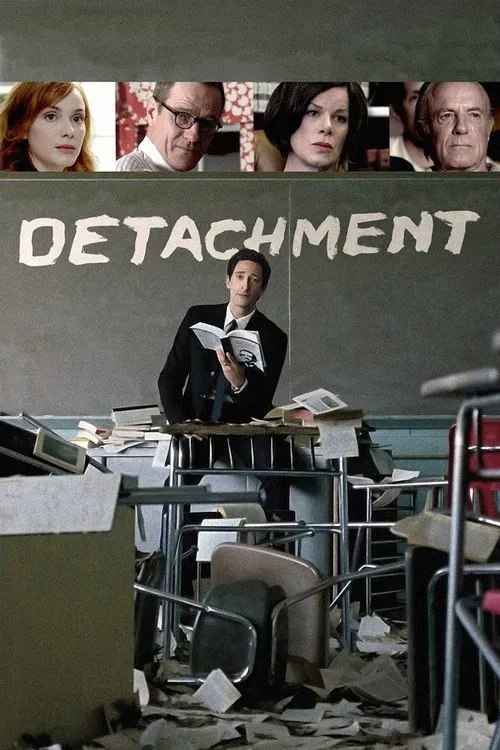
    Detachment

    Tony Kaye · 2011

    Kaye served as his own cinematographer, and the film has a documentary-like feel. The close frame keeps you uncomfortably near Henry.

    Where to see it: School days: Henry begins a one-month post at a struggling high school, where he meets a bullied student, Meredith.

  31. Zero Dark Thirty (2012) poster

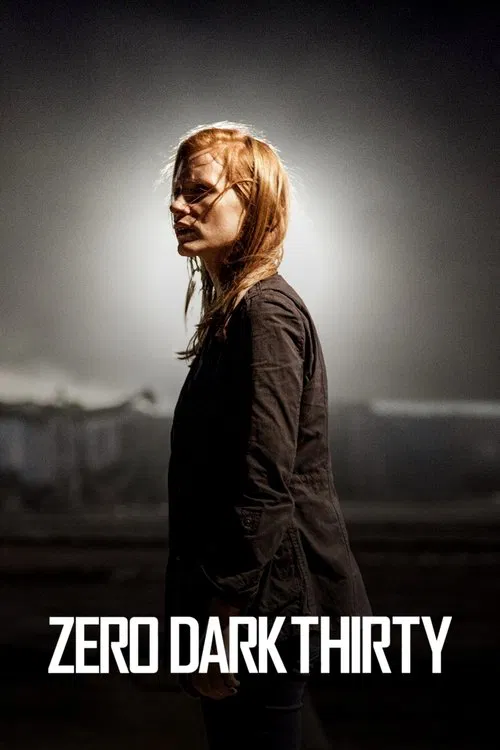
    Zero Dark Thirty

    Kathryn Bigelow · 2012

    Greig Fraser shoots the CIA black sites, the Islamabad streets and the Abbottabad raid with the restraint of a documentary. The camera is never in the perfect position. It always seems to be catching things as they happen.

    Where to see it: The Abbottabad compound raid sequence. It is night-vision green and confused handheld footage. The violence of the operation is filmed the way real special operations footage looks.

  32. 12 Years a Slave (2013) poster

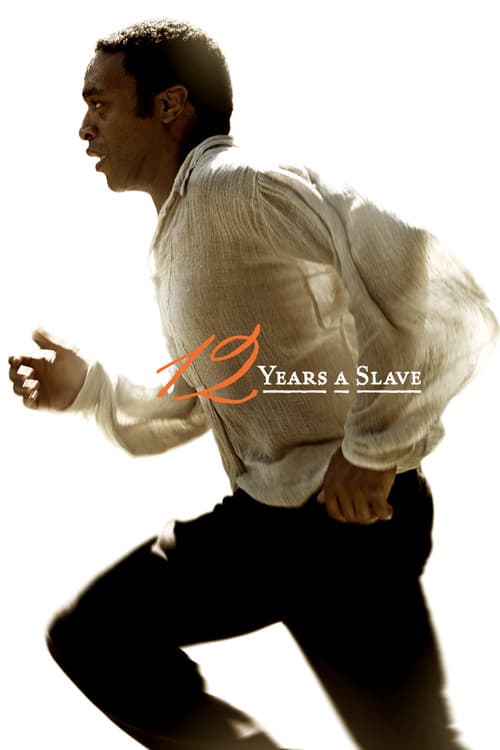
    12 Years a Slave

    Steve McQueen · 2013

    McQueen and cinematographer Sean Bobbitt shot on 35 mm film with widescreen anamorphic lenses and kept the camera very close to Solomon's body. A documentary would observe from a safe distance. This camera is close enough to pick up what he goes through physically. The closeness makes its own point. What this body goes through is fact and should not be filed away as history.

    Where to see it: Solomon's journey by ship to New Orleans. The camera stays tight on his face and body. You physically feel how confined and disoriented he is.

  33. Son of Saul (2015) poster

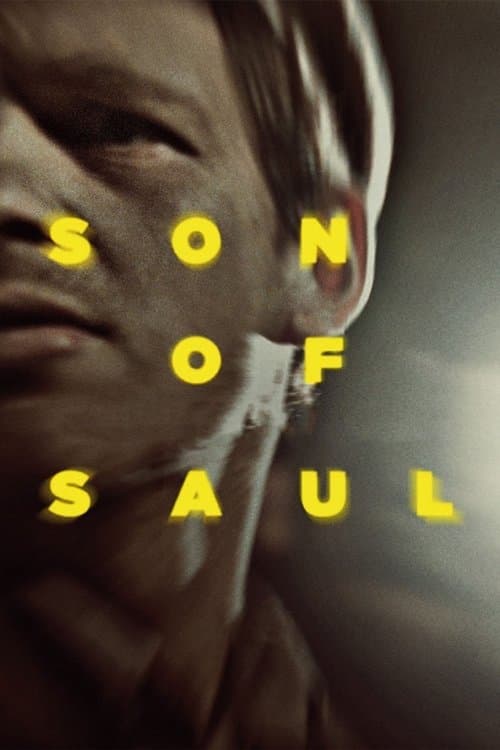
    Son of Saul

    László Nemes · 2015

    Mátyás Erdély's handheld camera stays physically close to Saul at all times, so when his body moves, the camera moves. The style puts you inside his bodily experience of a world designed to deny him one.

    Where to see it: Saul moving through the undressing room. The crowd jostles the camera, and it stays with him as he makes his way through the human machinery of extermination.

  34. Sicario (2015) poster

    Sicario

    Denis Villeneuve · 2015

    Deakins uses very little handheld camera, even in the action sequences (the convoy, the border crossing, the tunnel). The camera stays still and controlled, often on a dolly or a crane arm. That calm, steady look makes the violence feel clinical, like the bureaucracy that runs the war.

    Where to see it: The traffic jam border crossing. The camera is in the car with Kate and can't see what the threat assessment officers can see. The camera is as blind as she is, so the violence is a real shock when it arrives.

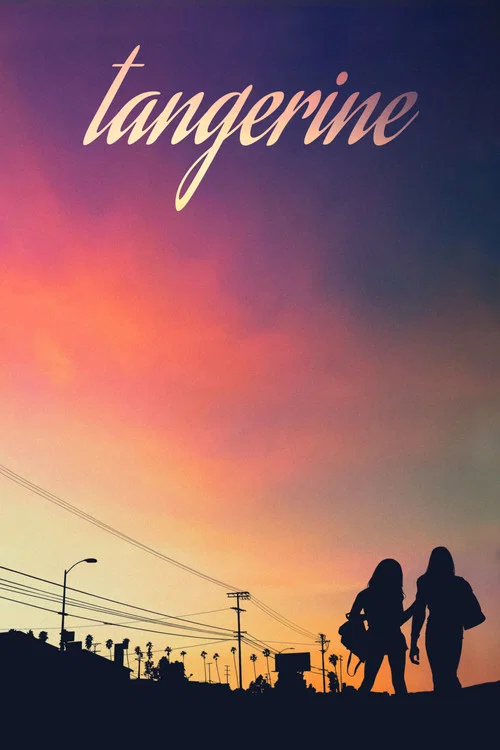
  35. Tangerine (2015) poster

    Tangerine

    Sean Baker · 2015

    The whole film was shot on three iPhone 5s phones, so the camera is small enough to run right alongside the characters. It stays at arm's length from Sin-Dee as she storms through the neighborhood, and you feel like you are walking next to her.

    Where to see it: Sin-Dee leaving the donut shop to hunt for Chester. The camera tracks her march down the street as she gets angrier with every block.

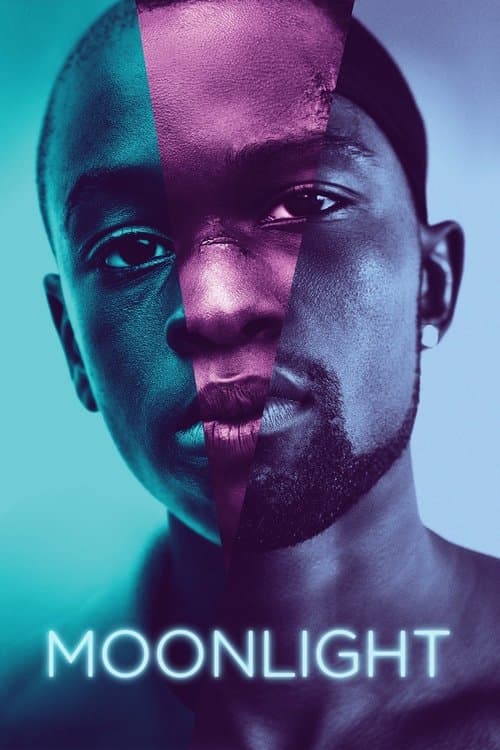
  36. Moonlight (2016) poster

    Moonlight

    Barry Jenkins · 2016

    Jenkins shoots the intimate scenes handheld. The camera moves with Chiron's body and finds angles that feel stumbled upon. The handheld look tells you someone is there watching this happen. It feels closest in the scenes where Chiron is most vulnerable. There, the camera being physically near him is a way of paying attention to him.

    Where to see it: Chiron and Kevin on the beach. The handheld camera stays close. The movement makes the scene feel private and found, like nobody staged it.

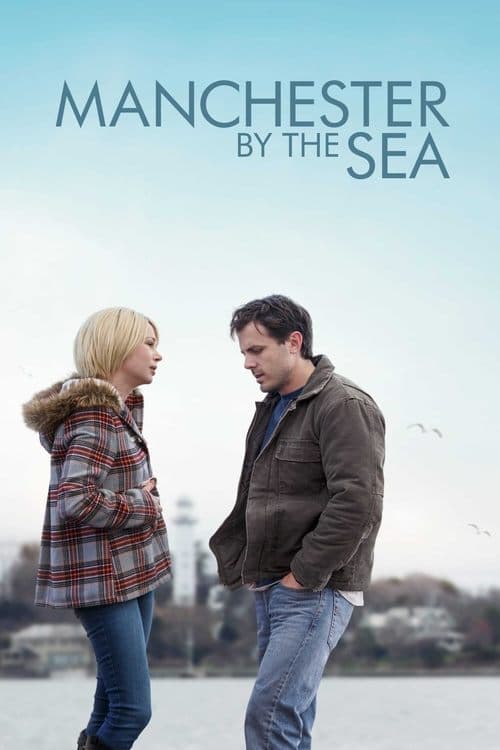
  37. Manchester by the Sea (2016) poster

    Manchester by the Sea

    Kenneth Lonergan · 2016

    Jody Lee Lipes shoots the film with an understated, naturalistic camera that stays close to characters in cramped spaces. It feels fairly close to eavesdropping on real lives.

    Where to see it: Lee and Randi's meeting on the sidewalk. The camera stays on the 2 of them without flourish as Randi apologizes and pleads with Lee not to just die.

  38. The Florida Project (2017) poster

    The Florida Project

    Sean Baker · 2017

    Alexis Zabe shoots at child height with a handheld camera that moves with Moonee and never tries to organize her. The way it is shot commits the film to the child's point of view. You never get an adult's overview from above.

    Where to see it: The children running through the abandoned condos. The camera runs with them at their speed and can't see around the next corner before they do. You get the same impulsive freedom they have.

  39. mother! (2017) poster

    mother!

    Darren Aronofsky · 2017

    Aronofsky and cinematographer Matthew Libatique shot on 16mm with a handheld camera that sticks close to Lawrence. They limited the film to three kinds of shots, including close-ups of her and shots over her shoulder. You feel her panic as things get worse.

    Where to see it: The party in the house. The camera follows the mother through the crowd and keeps close to her face.

  40. Detroit (2017) poster

    Detroit

    Kathryn Bigelow · 2017

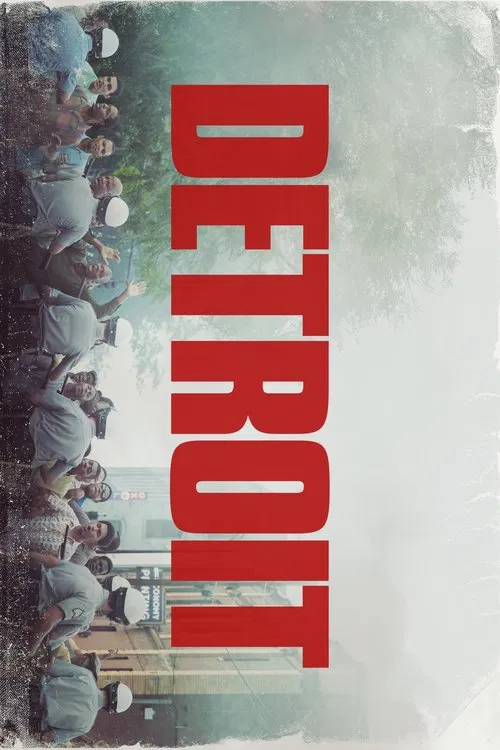
    Barry Ackroyd shot with Alexa Mini cameras, and added grain to blend with archival footage, in a handheld documentary style close to The Hurt Locker. The camera stays close to the actors and moves with them. You are inside the rooms, close enough that there is no safe distance.

    Where to see it: The Algiers annex interrogation: Krauss lines up everyone against the wall, and the handheld camera stays in the room as he beats and terrorizes them.

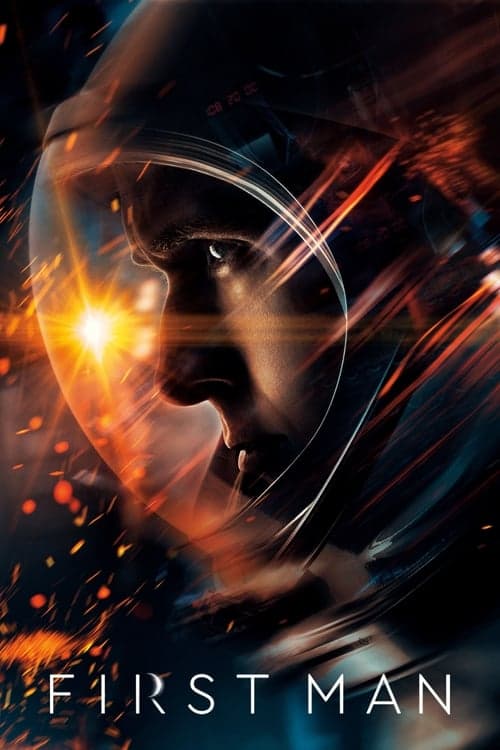
  41. First Man (2018) poster

    First Man

    Damien Chazelle · 2018

    Linus Sandgren shoots the test flights and early space sequences with a handheld camera, which matches the chaos and danger of experimental flying. The camera shakes, loses its subject and finds it again. The technological achievement feels like it could physically fall apart at any second.

    Where to see it: The Gemini 8 sequence. The camera is inside the capsule, handheld and shaking. When the malfunction hits, you get the dizzying feeling of being inside the spinning spacecraft.

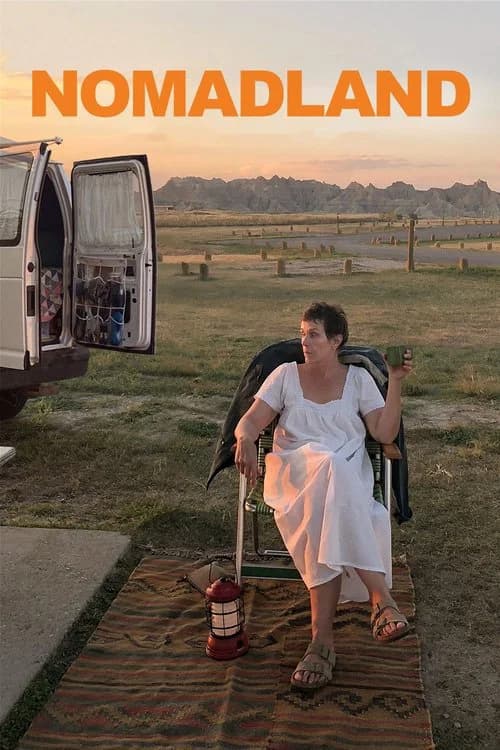
  42. Nomadland (2020) poster

    Nomadland

    Chloé Zhao · 2020

    Joshua James Richards shoots Nomadland with the sensitivity of a nature photographer. He uses available light, meaning whatever light is already there. His handheld camera follows the people where most cameras would lead them. He watches the American West with the patience of someone who has been let into a world. Because of that texture, Fern's world feels like something the film discovered.

    Where to see it: The landscapes of the American West. The camera gives Fern the same patience it gives the land around her. The way it's shot, both seem equally worth your attention.

  43. Licorice Pizza (2021) poster

    Licorice Pizza

    Paul Thomas Anderson · 2021

    Anderson shoots many sequences with a loose handheld camera that trails after the characters. The camera is there as a witness. It catches Alana and Gary in motion, as close as a bystander who happened to have a camera.

    Where to see it: The running sequences. Alana and Gary run toward each other at the film's climax, and the handheld camera struggles to keep up. You can physically feel the breathlessness in the image.

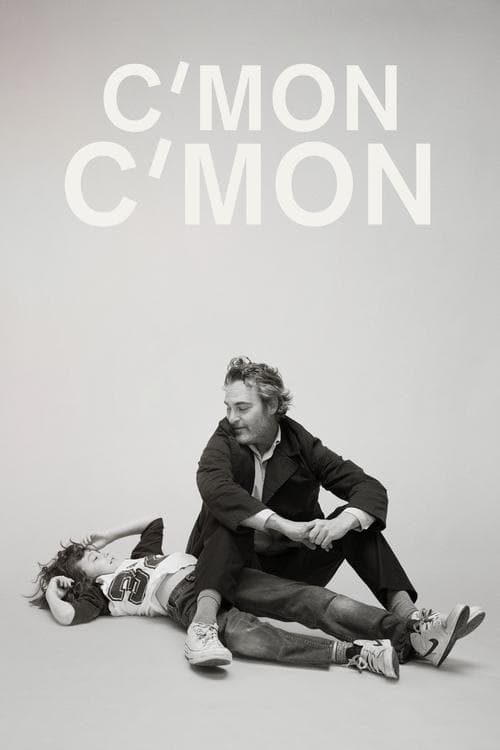
  44. C'mon C'mon (2021) poster

    C'mon C'mon

    Mike Mills · 2021

    Ryan shoots handheld, which makes the film feel like the radio documentaries Johnny is making. The camera catches things as they happen. The framing is imperfect, and that makes it feel like someone was really there.

    Where to see it: Johnny interviewing children on camera. Because there is a documentary inside the story, the handheld style has a reason to be there. The way the film looks matches what it's about.

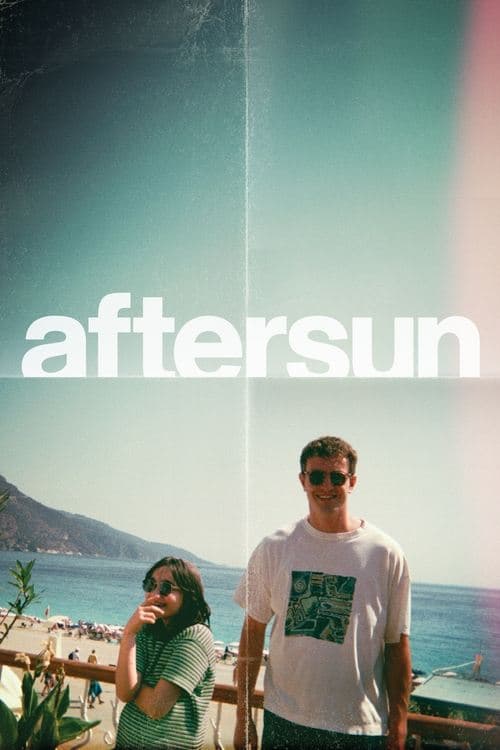
  45. Aftersun (2022) poster

    Aftersun

    Charlotte Wells · 2022

    Gregory Oke shoots 2 kinds of footage: the camcorder footage and the 35mm scenes that simply observe. The camcorder footage is handheld, so it feels like something being recorded as it happens. The film looks the way memory feels: slightly unsure, slightly moving, close to things but unable to get all the way inside them.

    Where to see it: The camcorder sequences. The holiday footage looks like real home video. The handheld camera makes the past feel like something recovered.

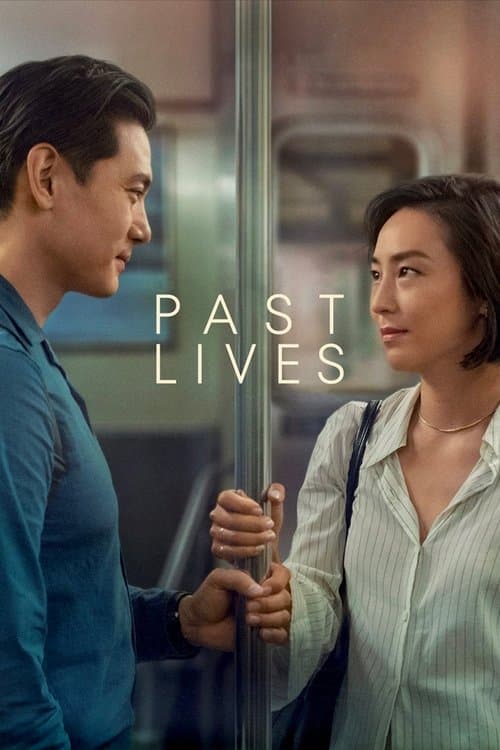
  46. Past Lives (2023) poster

    Past Lives

    Celine Song · 2023

    Kirchner goes handheld in the film's most intimate scenes (the video calls, the walk through New York), which makes them feel like something being watched as it happens. The handheld movement tells you this is happening right now, and that it matters the way real things matter.

    Where to see it: Hae Sung and Nora walking through New York. The handheld camera follows them at close range, and the movement makes the scene feel overheard.

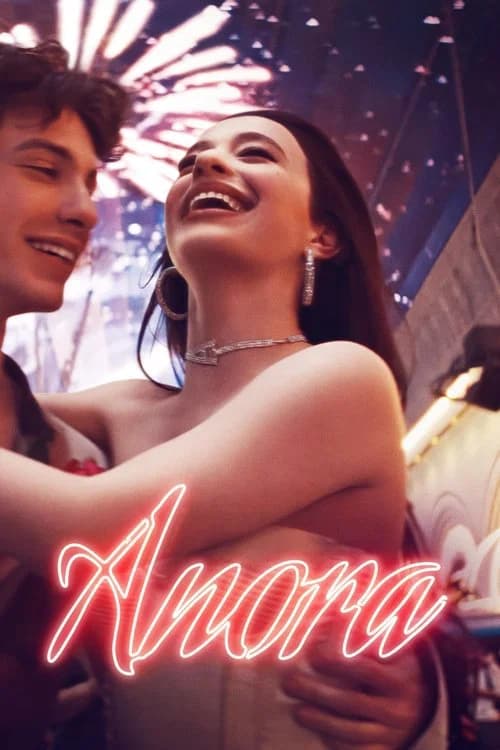
  47. Anora (2024) poster

    Anora

    Sean Baker · 2024

    Drew Daniels shoots the Brighton Beach and Coney Island sequences in a restless, naturalistic handheld style. It roots Anora in a specifically working-class part of the map before the oligarch world intrudes.

    Where to see it: The strip club opening sequences. The camera moves across the floor with Anora at the distance of a patron, and it observes without judging.

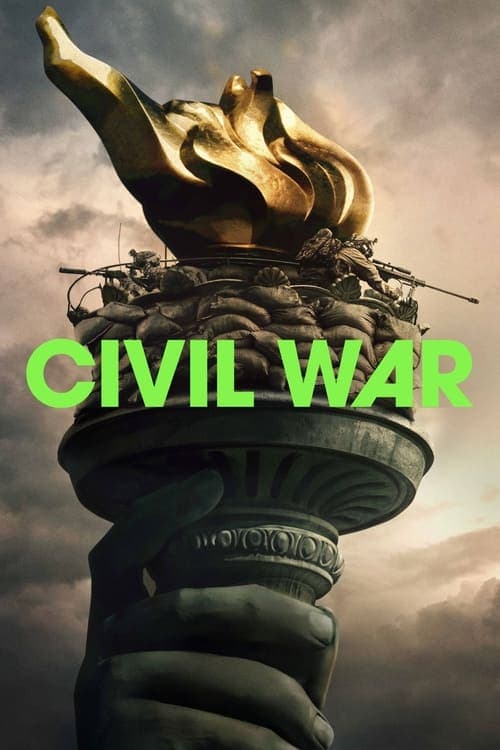
  48. Civil War (2024) poster

    Civil War

    Alex Garland · 2024

    Rob Hardy shoots the combat sequences the way a war photographer would. The camera catches what it can, loses the action and finds it again. That is fairly close to how it feels to be present at violence you can't control.

    Where to see it: The Western Forces' assault on the White House. The camera moves through the fight with the soldiers and journalists, and the film does little to prepare you before the shooting starts.

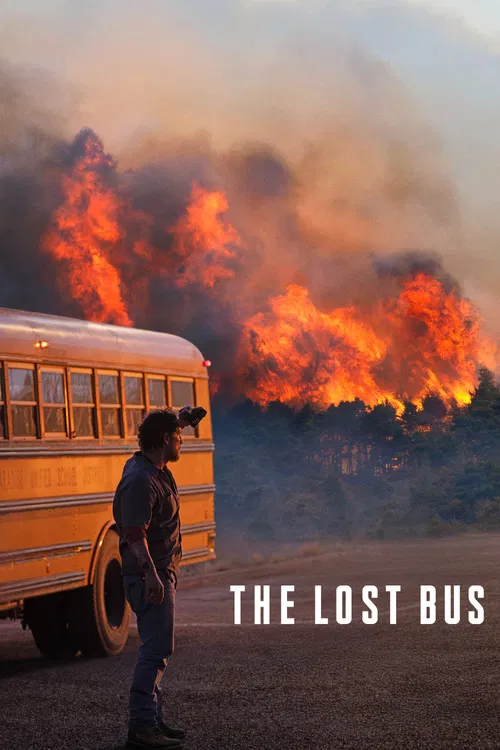
  49. The Lost Bus (2025) poster

    The Lost Bus

    Paul Greengrass · 2025

    Most of the film is handheld, with cinematographer Pål Ulvik Rokseth often operating a camera himself. Greengrass came from documentaries, and the shaky, zooming look puts you in the bus. One critic says it makes you feel trapped there, breathing smoke.

    Where to see it: The gridlock. Kevin has Mary drive while he directs traffic so the bus and a fire truck can get through.

Questions

Quick answers

What is handheld cinema vérité in film?
Shooting with a handheld camera so the frame shakes and moves with the action. This documentary-style look, called cinema vérité, puts you uncomfortably close to the character.
Which films use handheld cinema vérité?
Killer's Kiss (1955), The 400 Blows (1959), The Battle of Algiers (1966), Midnight Cowboy (1969), The French Connection (1971), Aguirre, the Wrath of God (1972) and 43 more films in the CineCode library.
What kind of technique is handheld cinema vérité?
It is a cinematography technique. Related cinematography techniques include others listed on the CineCode techniques page.