Narrative technique · used in 20 films

Proleptic Opening

Starting the film by showing or telling you how it ends, such as the main character's death or defeat. The rest of the story then explains how things got there.

Examples

20 films that use it

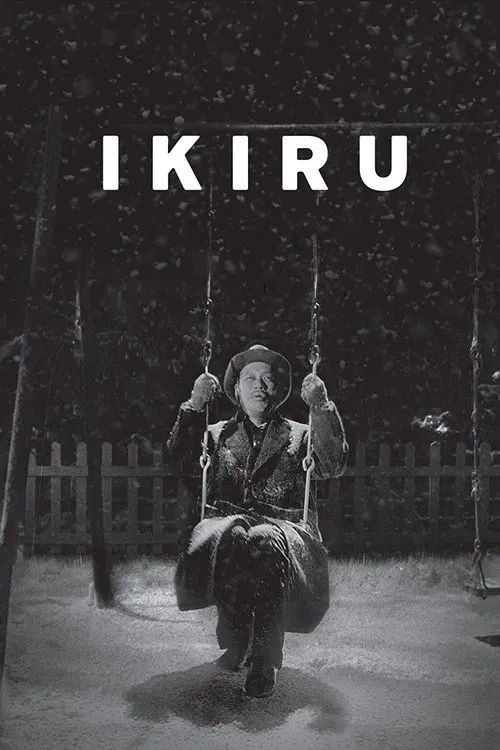
  1. Ikiru (1952) poster

    Ikiru

    Akira Kurosawa · 1952

    Kurosawa shows you Watanabe's death, then cuts to his wake. The whole second half of the film looks backward. The mourners argue about what Watanabe did in his final months, why he changed and what it meant. With the order flipped, you already know how it ends, and you have to discover what it means.

    Where to see it: The wake sequence. The flashbacks come as the mourners piece together Watanabe's final months from the little each of them knows.

  2. Lolita (1962) poster

    Lolita

    Stanley Kubrick · 1962

    Kubrick put the novel's ending at the start, with the author's consent. You watch Humbert confront Clare Quilty at gunpoint before you know why. The rest of the film explains how he got there.

    Where to see it: The opening scene at Quilty's mansion. Humbert aims a gun at a drunk Quilty, and then shoots him.

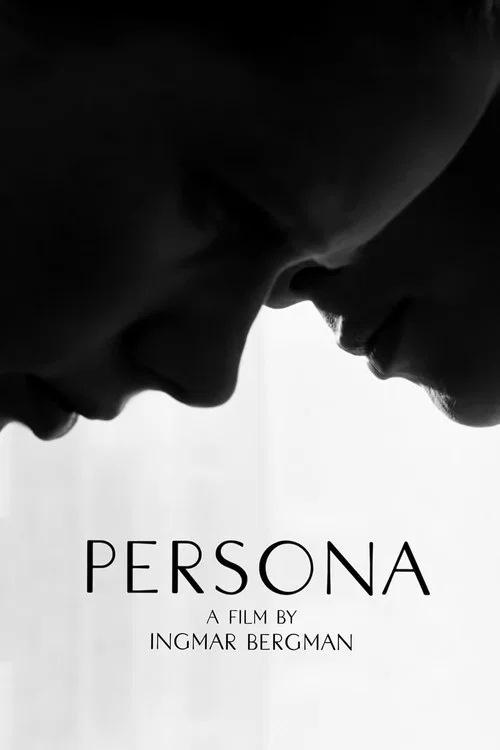
  3. Persona (1966) poster

    Persona

    Ingmar Bergman · 1966

    Persona opens with a projector lamp igniting. Then, before the story begins, you get a string of unconnected images. There is a spider, a nail through a hand, animated cartoons and a boy touching a blurred face on a screen. The opening tells you this is a film about film and about images. It is also about how fragile the identities cinema creates are.

    Where to see it: The film's abstract opening sequence. The projector, the broken-up images and the boy's hand on the screen announce what is coming. It is a film about its own existence as a film.

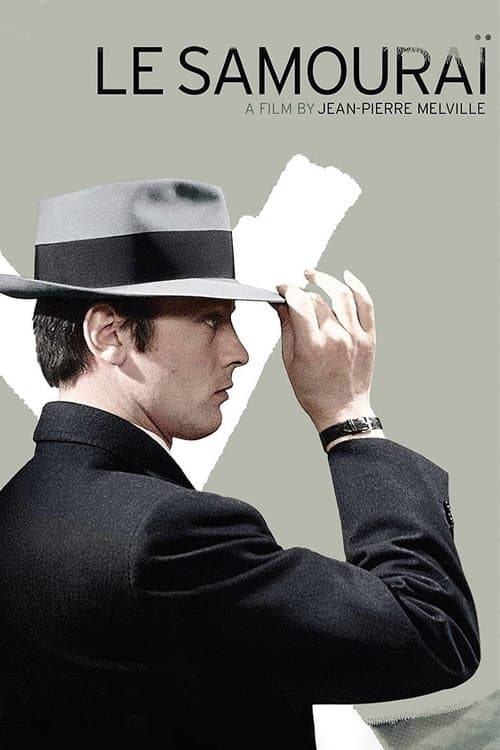
  4. Le Samourai (1967) poster

    Le Samourai

    Jean-Pierre Melville · 1967

    The film opens with a forged Bushido epigraph: 'There is no greater solitude than that of the samurai, unless it is that of the tiger in the jungle... Perhaps...' The quote states everything the film has to say before it begins. Jef's solitude, his code and his unavoidable end are all announced in the first image.

    Where to see it: The opening epigraph and Jef's grey apartment. The film states its theme and then shows it right away. You see the man in stillness, straight after the words that define him.

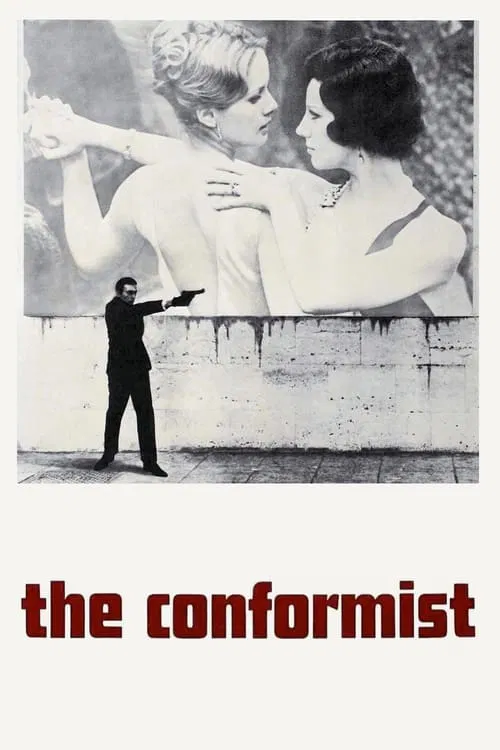
  5. The Conformist (1970) poster

    The Conformist

    Bernardo Bertolucci · 1970

    The film opens with Marcello in a Paris hotel room in 1938, as he prepares for the assassination. As he is driven to the killing, it goes back into the past to explain how he got there. The ending is the starting point.

    Where to see it: The opening hotel room scene. Marcello prepares for the killing while his wife waits, so the moral cost is already set in motion before the film explains it.

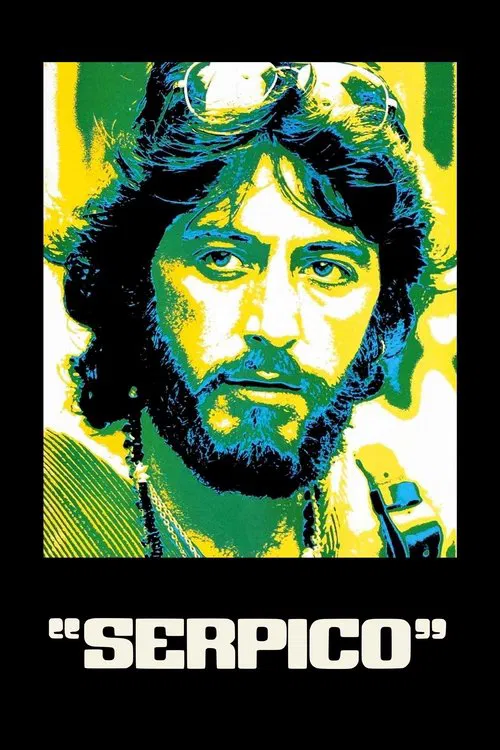
  6. Serpico (1973) poster

    Serpico

    Sidney Lumet · 1973

    The film opens with Serpico being rushed to the hospital after he has been shot in the face, then goes back to show how he got there. You know the cost before you see the choices.

    Where to see it: The hospital opening: On the evening of February 3, 1971, Serpico is rushed to the hospital after being shot, and the film flashes back to his police academy graduation.

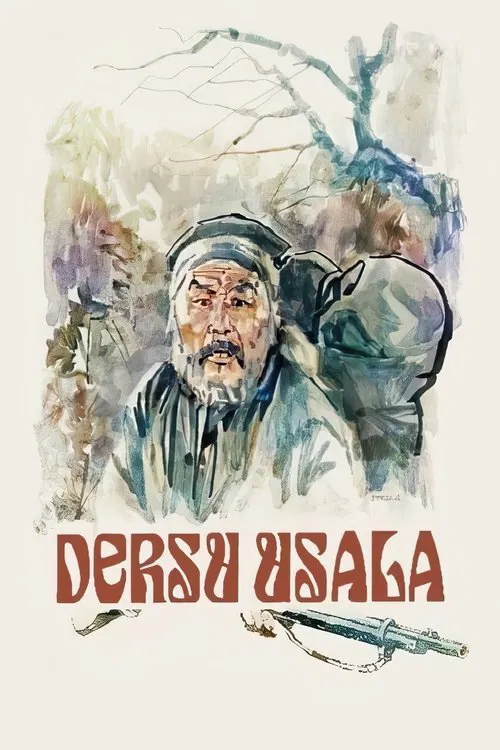
  7. Dersu Uzala (1975) poster

    Dersu Uzala

    Akira Kurosawa · 1975

    The film starts in 1910 with Captain Arsenyev looking for Dersu's grave. The trees around it have been cut down for new settlements, and he can't find it. So every adventure that follows comes with the knowledge that his friend is gone.

    Where to see it: The opening. Arsenyev searches a cleared stretch of land for the grave and finds only stumps and new houses.

  8. Grave of the Fireflies (1988) poster

    Grave of the Fireflies

    Isao Takahata · 1988

    'September 21, 1945. That was the night I died.' Seita's ghost tells his own story, starting from the end. You already know the children don't survive, so the film is about watching how it happens. Every small hope they have, you watch knowing it will not be enough.

    Where to see it: The film's opening line. The death is announced before you see a single image of the children alive.

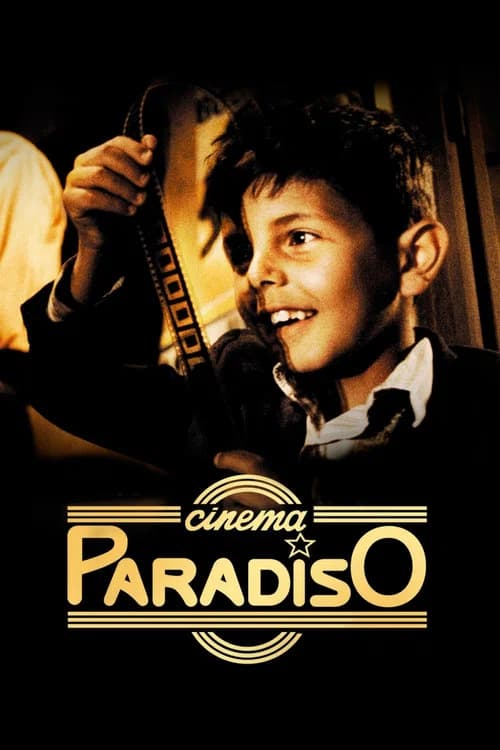
  9. Cinema Paradiso (1988) poster

    Cinema Paradiso

    Giuseppe Tornatore · 1988

    The film opens with Salvatore as a successful adult director in Rome, and Alfredo is already dead. The rest of the film answers the questions that opening raises. It tells you who this man was, what he meant and why his death causes so much grief in someone who never came back.

    Where to see it: The opening scene in Rome. The adult Salvatore hears that Alfredo has died, so you know where the film ends before you know where it begins.

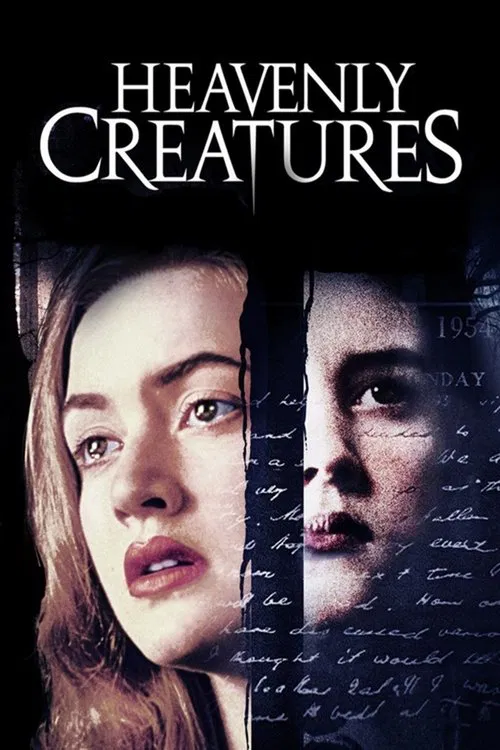
  10. Heavenly Creatures (1994) poster

    Heavenly Creatures

    Peter Jackson · 1994

    The film shows you the aftermath before it shows you the friendship. That means every sweet scene afterward carries dread. You watch the girls play, knowing where it leads.

    Where to see it: Opening montage: A cheerful travelogue-style look at Christchurch is cut short by the two girls running through a park, screaming and covered in blood.

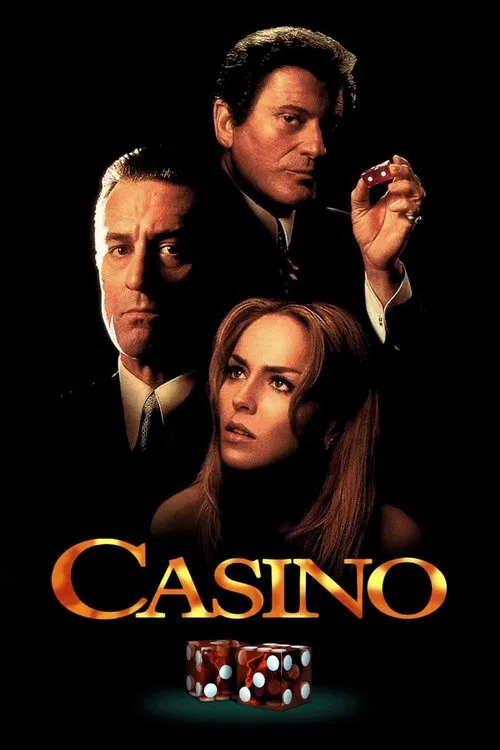
  11. Casino (1995) poster

    Casino

    Martin Scorsese · 1995

    The film starts with Ace getting into his car, and the car explodes. Then the story goes back to show how he got there. Every good moment in Vegas plays with that explosion hanging over it.

    Where to see it: The car bomb. Ace's narration starts as he turns the key, and the blast throws him into the air in slow motion.

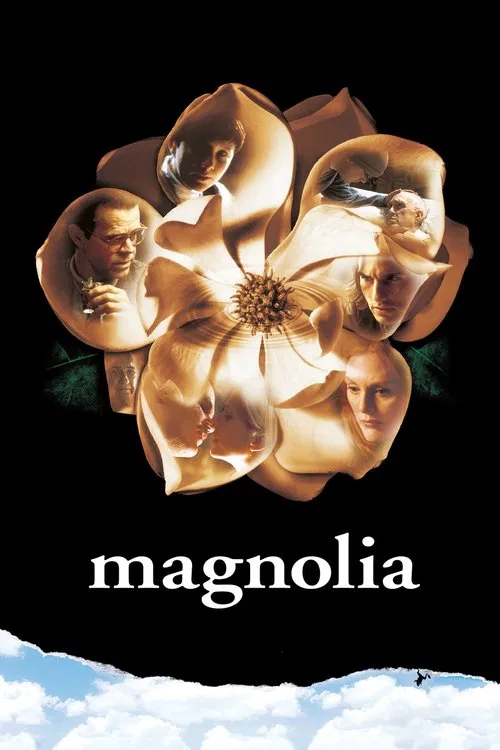
  12. Magnolia (1999) poster

    Magnolia

    Paul Thomas Anderson · 1999

    The film opens with a 3-part documentary-style prologue about impossible coincidences. It gets you ready to accept the frog rain, when it comes, as something the story was always heading toward.

    Where to see it: The 3 historical coincidence stories in the prologue. A narrator tells them directly, and they set out the film's argument before its characters appear.

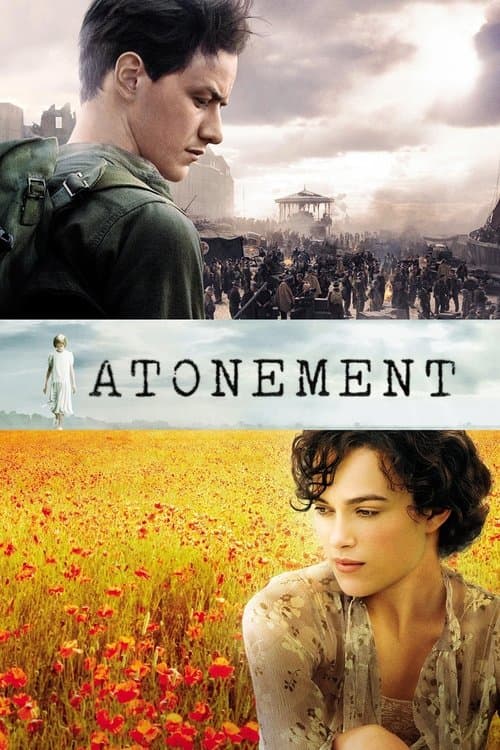
  13. Atonement (2007) poster

    Atonement

    Joe Wright · 2007

    Before the fateful evening, Wright shows you Briony's typewriter and her view of the fountain from the window. That sets up the whole film as the document she will one day write to undo what she did.

    Where to see it: The clacking typewriter sound running through the opening sequences. The typewriter is what Briony uses to accuse, and later what she uses to try to atone.

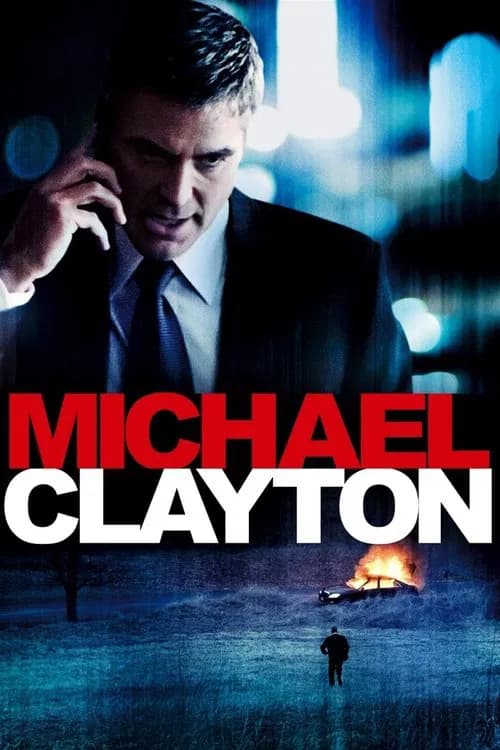
  14. Michael Clayton (2007) poster

    Michael Clayton

    Tony Gilroy · 2007

    Gilroy opens with Arthur's frantic voiceover, then jumps ahead to Michael's car exploding in a field. Michael has stepped out to look at some horses, so he survives. Then the film goes back 4 days. From there, the story works like an investigation in reverse, piecing together how Michael Clayton got to the moment we've already seen.

    Where to see it: The explosion in the field. It comes in the opening minutes and you have no idea what it means. Everything after it explains whose car it was and why someone wanted him dead.

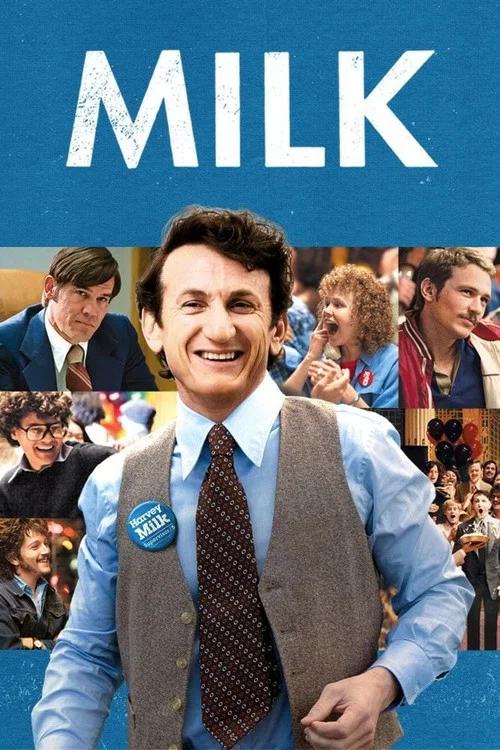
  15. Milk (2008) poster

    Milk

    Gus Van Sant · 2008

    The film starts with the news of Milk's killing by Dan White, before it shows his life. Because you know how it ends, every victory in the story carries weight.

    Where to see it: The opening: Dianne Feinstein announces the assassinations of Milk and Mayor George Moscone.

  16. The Tree of Life (2011) poster

    The Tree of Life

    Terrence Malick · 2011

    The film opens with a voiceover about 2 ways through life, the way of nature and the way of grace. This comes before a single character or event is introduced. The opening states the film's whole idea up front. Everything that follows illustrates it. The cosmic sequence and the family drama are both examples of the same question asked at different scales.

    Where to see it: The opening voiceover about nature and grace. The film lays out its whole philosophy before the story begins. It prepares you for a film that will spend 2 hours earning these words.

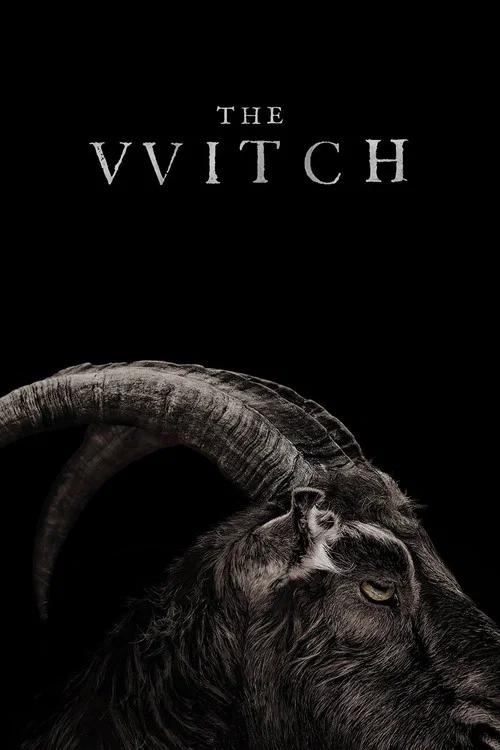
  17. The Witch (2015) poster

    The Witch

    Robert Eggers · 2015

    The film opens with the family's banishment from the plantation community as a done deal. They have already been cast out and have already chosen to live apart, and the forest is already waiting.

    Where to see it: The banishment scene. The family's wagon moves toward the tree line as a congregation watches, and the ending is already set in motion.

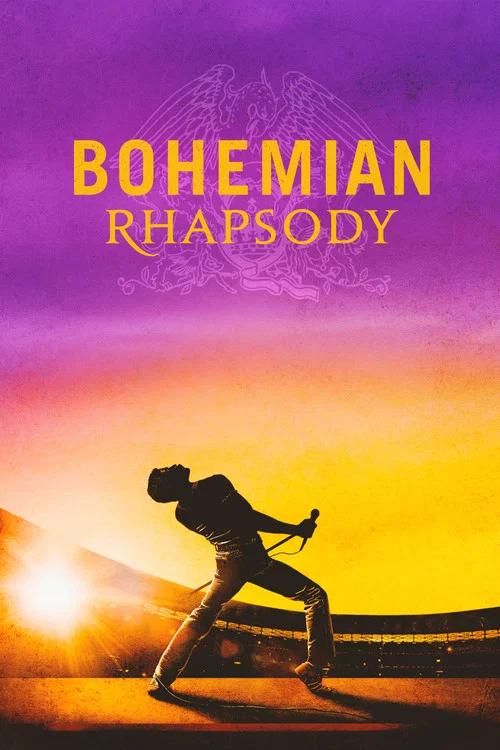
  18. Bohemian Rhapsody (2018) poster

    Bohemian Rhapsody

    Bryan Singer · 2018

    The film begins at Live Aid in 1985 with Freddie heading for the stage, then jumps back to 1970. You know where the road leads before it starts. The whole story then plays as the climb to that stage.

    Where to see it: The opening walk to Live Aid. Freddie heads toward the stage at Wembley, then the film cuts back to a young Farrokh Bulsara in 1970.

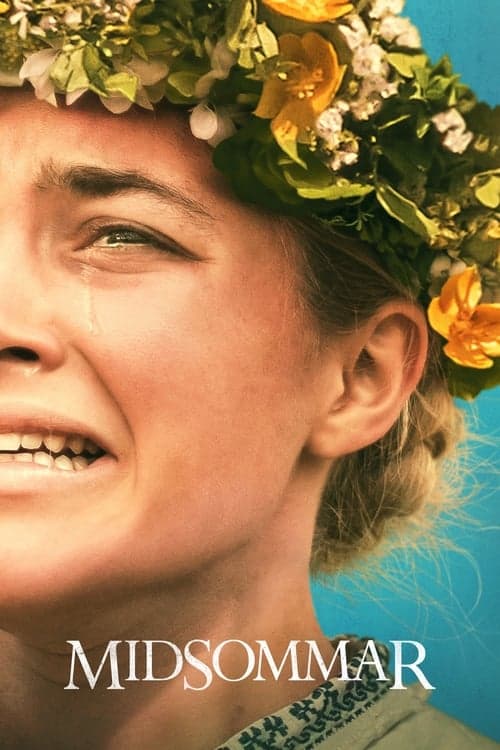
  19. Midsommar (2019) poster

    Midsommar

    Ari Aster · 2019

    The film opens with Dani's family tragedy, before the commune is introduced. This opening is the film's emotional logic in a compressed form. Dani's grief needs a community that can hold it. The commune will give her one, at a price she can't name yet. The horror is already there in that first loss.

    Where to see it: The winterscape opening. Dani's grief is fully established before Sweden appears. The emotional logic of everything that follows is set early.

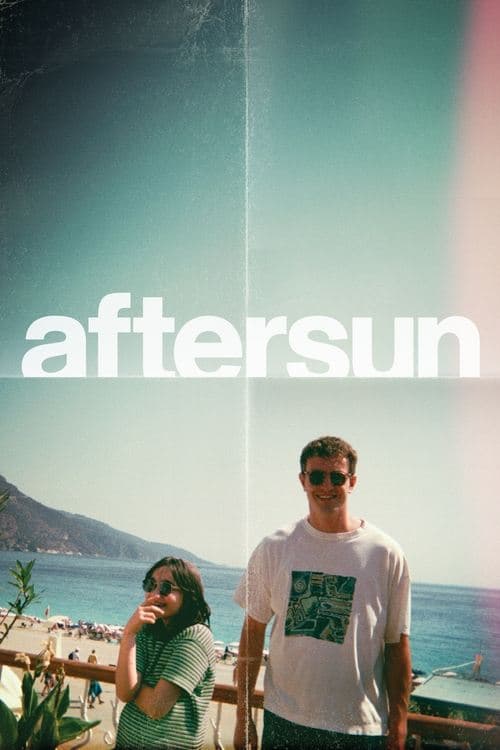
  20. Aftersun (2022) poster

    Aftersun

    Charlotte Wells · 2022

    The film opens with the adult Sophie already watching, already looking back. Because of this, the holiday is happening now (as you watch it) and is already over (as Sophie watches it) at the same time. Every happy moment has a shadow over it. You know Sophie is watching from a future in which something has happened.

    Where to see it: The opening. Sophie watches the camcorder footage, so you know where things end before you visit any memory. The film tells you right away that it is looking back.

Questions

Quick answers

What is proleptic opening in film?
Starting the film by showing or telling you how it ends, such as the main character's death or defeat. The rest of the story then explains how things got there.
Which films use proleptic opening?
Ikiru (1952), Lolita (1962), Persona (1966), Le Samourai (1967), The Conformist (1970), Serpico (1973) and 14 more films in the CineCode library.
What kind of technique is proleptic opening?
It is a narrative technique. Related narrative techniques include Symbolic Object, Earned Catharsis, Observational Restraint.