Comparison · 3 shared techniques

Radio Days vs Catch Me If You Can

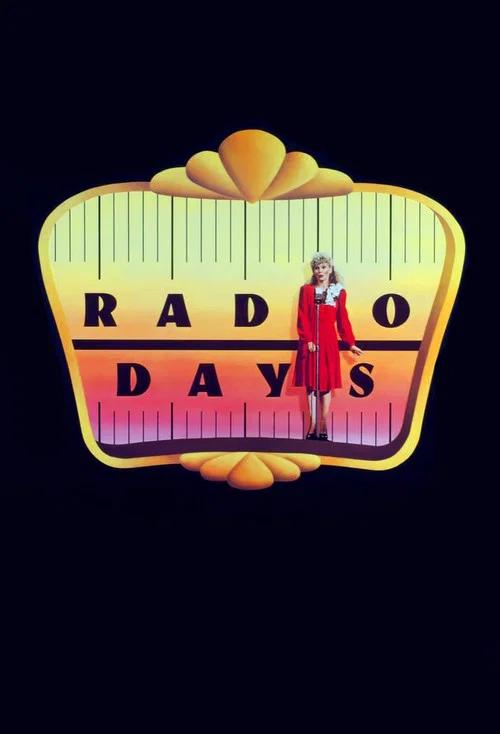
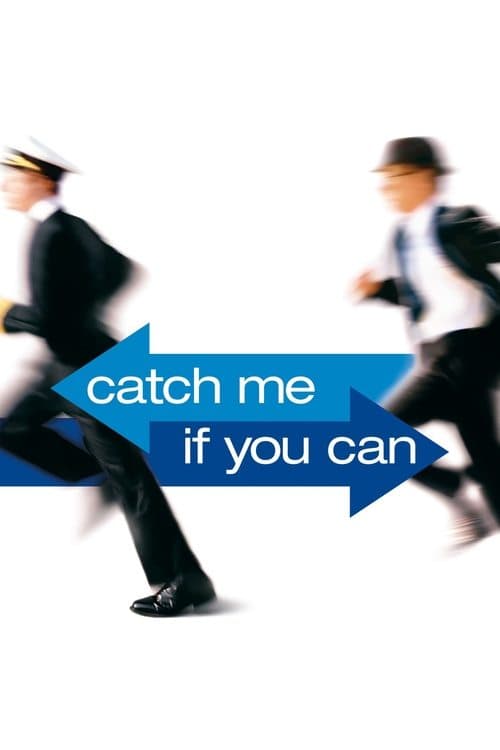
Radio Days (1987) and Catch Me If You Can (2002) share 3 techniques. Here is how each film uses them.

Shared

Same technique, two films

Retrospective Voiceover

Having a narrator tell the story from some point after it happened. The events feel like memory, and you sense early on that something will be lost.

Radio Days

Joe, voiced by Allen, tells the story from years later. He recalls his family and the radio shows they loved. Because he is looking back, even the funny scenes carry a feeling that time has passed. It sets the film's gentle, wistful tone.

Catch Me If You Can

The film frames Frank's story as a look back. It starts with Hanratty arriving in France to collect Frank from prison, then jumps back to the teenager who ran. There is no narrator, and the framing does the job a voiceover would. That distance makes the cons feel wistful and keeps the film from condemning them. Telling it in hindsight lets you enjoy the adventure before you see the cost.

Picaresque Structure

Telling the story as a loose string of separate adventures, often following a low-status hero through different levels of society. With no single plot, the episodes add up to a portrait of a world.

Radio Days

The film jumps between sketches and never settles on one plot. A family evening, a radio star's rise and a rooftop adventure sit next to each other. Together they make a portrait of a neighborhood and an age.

Catch Me If You Can

Frank's cons play out as a series of set pieces in different cities and industries (the airline, the hospital, the law firm, the bank). Each episode stands alone and each new identity is a new chapter. This episodic shape, known as picaresque, reflects how Frank can't stay anywhere long enough to be caught or known.

Era-Coded Visual Grammar

Changing the color, film texture and camera style for each time period, and using the fashion and architecture of the day. Every era gets its own distinct feel.

Radio Days

The 1930s and 1940s are rebuilt with period sets and costumes, from the family home to Radio City Music Hall. The film looks the way Joe remembers it, not the way a documentary would show it. The care tells you he loved it.

Catch Me If You Can

Janusz Kamiński shoots in the warm, rich colors of 1960s American cinema, with the Pan Am blues, the hospital whites and the FBI office greys. Each location gets the color that fits the myth of its period. The look carries the optimism of the era, which Frank is exploiting and living out at the same time.

Different

Where they split

Only in Radio Days

Only in Catch Me If You Can