Comedy · Drama

Radio Days

Woody Allen, 1987

A grown man remembers his childhood in a Jewish family in Queens in the late 1930s and early 1940s, when the radio shaped everything. It is a string of funny, sad memories tied to old songs. Watch how one voice and a lot of small scenes build a whole world.

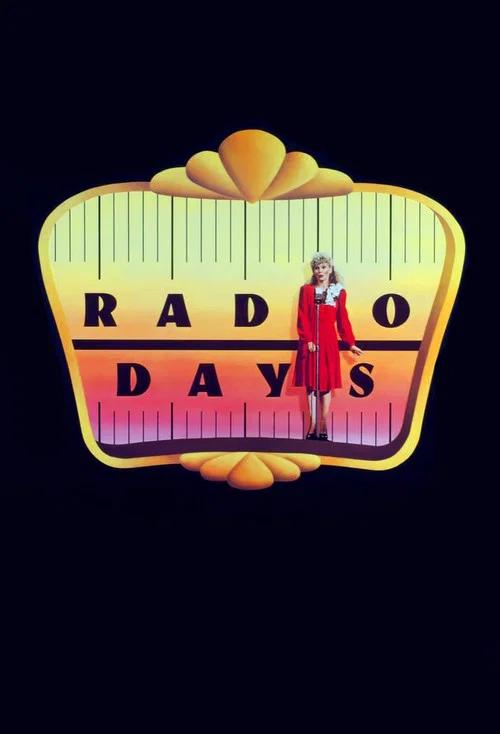
Radio Days (1987) poster

At a glance

Radio Days is a 1987 comedy and drama film directed by Woody Allen. This breakdown covers 4 techniques (2 narrative, 1 sound and 1 cinematography), each with the scene where you can see it. If you like how it is made, Catch Me If You Can uses several of the same techniques.

Narrative

Retrospective Voiceover

Having a narrator tell the story from some point after it happened. The events feel like memory, and you sense early on that something will be lost.

How this film uses it

Joe, voiced by Allen, tells the story from years later. He recalls his family and the radio shows they loved. Because he is looking back, even the funny scenes carry a feeling that time has passed. It sets the film's gentle, wistful tone.

Where to see it

The voiceover. Joe introduces his childhood in Rockaway Beach and links each memory to a song or show.

Narrative

Picaresque Structure

Telling the story as a loose string of separate adventures, often following a low-status hero through different levels of society. With no single plot, the episodes add up to a portrait of a world.

How this film uses it

The film jumps between sketches and never settles on one plot. A family evening, a radio star's rise and a rooftop adventure sit next to each other. Together they make a portrait of a neighborhood and an age.

Where to see it

The burglars. Two thieves answer a ringing phone in a house they are robbing, a radio game show calls, and the family wins the prizes.

Sound

Musical Memory Trigger

Repeating one piece of music until it is tied to a memory or feeling. Each time it returns, it brings back everything you and the characters have been through.

How this film uses it

Joe ties the old radio songs to memories. When a tune from the big-band era plays, the film goes with it into the moment it brings back. Music works as the key to his past.

Where to see it

The soundtrack. Big-band and swing songs such as Glenn Miller's play as Joe remembers each scene.

Cinematography

Era-Coded Visual Grammar

Changing the color, film texture and camera style for each time period, and using the fashion and architecture of the day. Every era gets its own distinct feel.

How this film uses it

The 1930s and 1940s are rebuilt with period sets and costumes, from the family home to Radio City Music Hall. The film looks the way Joe remembers it, not the way a documentary would show it. The care tells you he loved it.

Where to see it

Radio City Music Hall. Joe calls it the most beautiful thing he ever saw, and the film shows it as he remembers it.

Questions

Radio Days: quick answers

What filmmaking techniques does Radio Days use?
CineCode breaks down 4 techniques in Radio Days (1987): Retrospective Voiceover, Picaresque Structure, Musical Memory Trigger and Era-Coded Visual Grammar.
Who directed Radio Days?
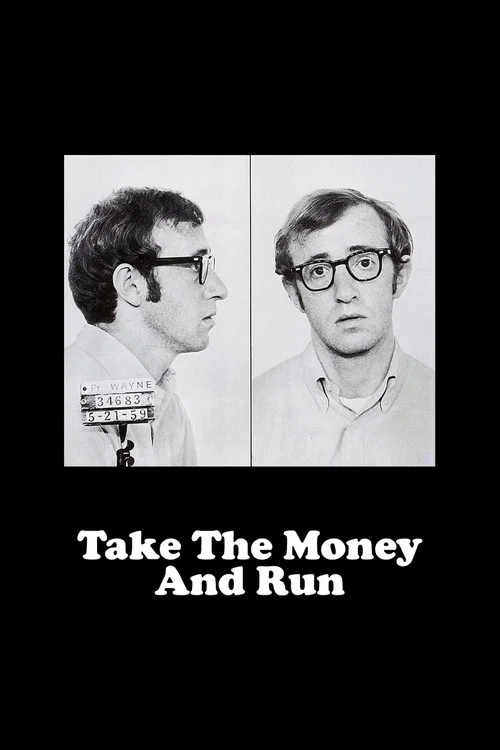
Woody Allen directed Radio Days, released in 1987. CineCode also covers Take the Money and Run (1969), Bananas (1971), Everything You Always Wanted to Know About Sex *But Were Afraid to Ask (1972), Sleeper (1973), Love and Death (1975), Annie Hall (1977).
What films are similar to Radio Days?
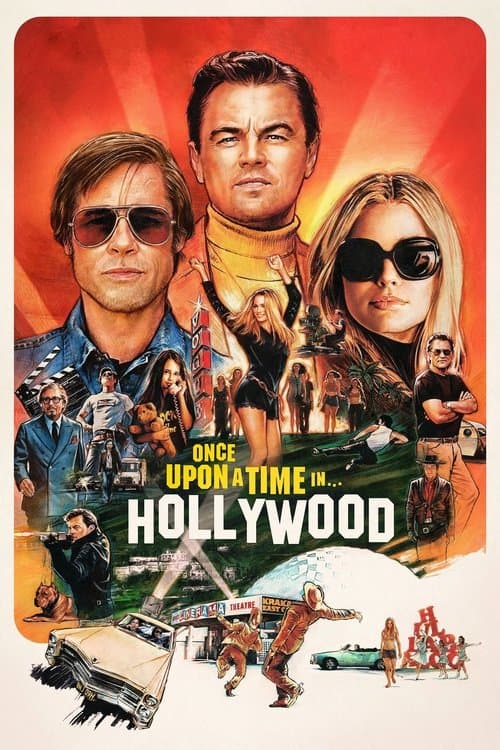
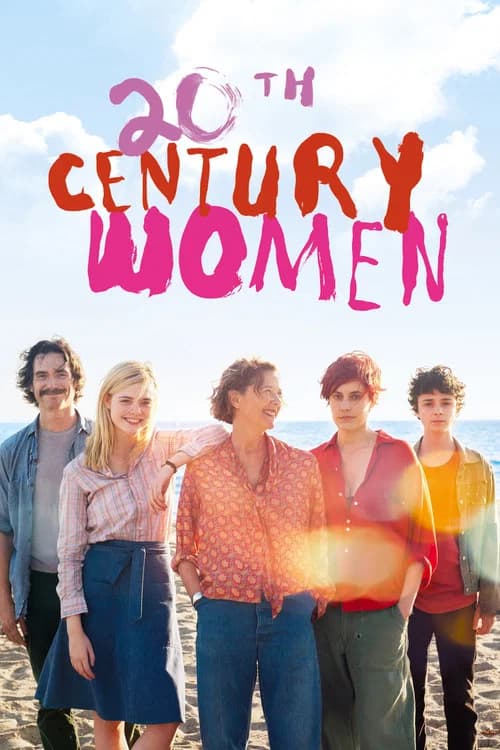
Films that share techniques with Radio Days include Catch Me If You Can (2002), La Dolce Vita (1960), Once Upon a Time in Hollywood (2019), 20th Century Women (2016).