Narrative technique · used in 35 films

Retrospective Voiceover

Having a narrator tell the story from some point after it happened. The events feel like memory, and you sense early on that something will be lost.

Examples

35 films that use it

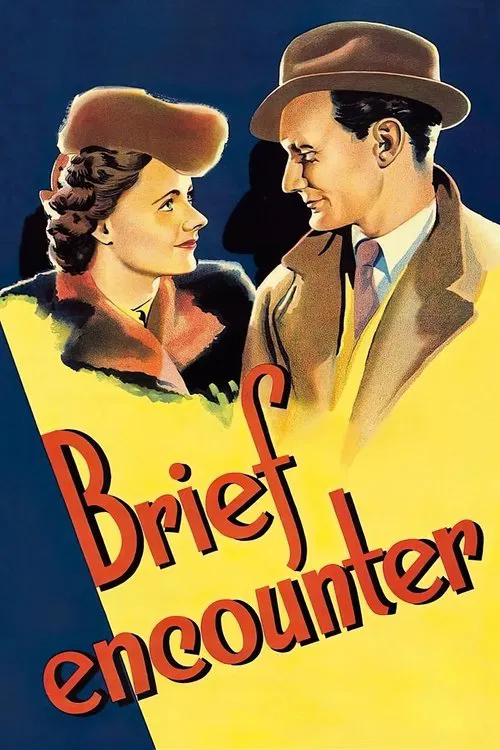
  1. Brief Encounter (1945) poster

    Brief Encounter

    David Lean · 1945

    Laura tells the whole story in her head to her husband, looking back on an affair that is over. Because you know it has ended, every happy meeting feels like something already lost. The narration makes the film a confession.

    Where to see it: The living room. Laura sits with her husband and imagines telling him everything.
  2. Great Expectations (1946) poster

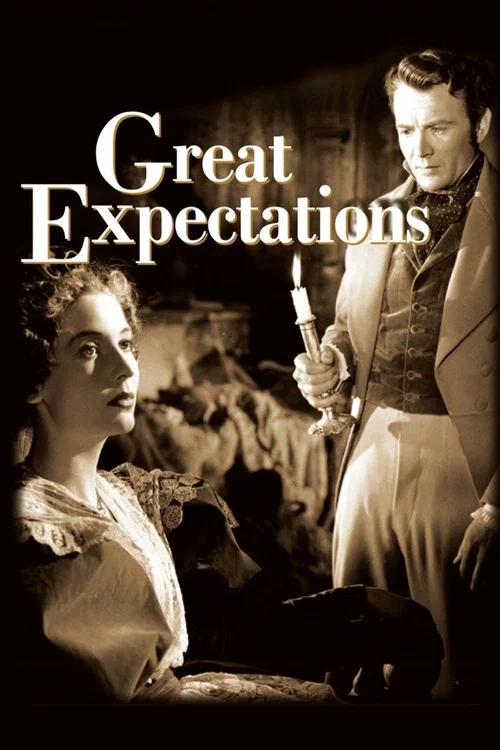
    Great Expectations

    David Lean · 1946

    The grown Pip tells the story, looking back on how he was fooled. The narration lets the film move quickly across years. It also colors each scene with regret.

    Where to see it: The opening narration. Pip recalls his childhood as the story moves to the graveyard.

  3. The Lady from Shanghai (1947) poster

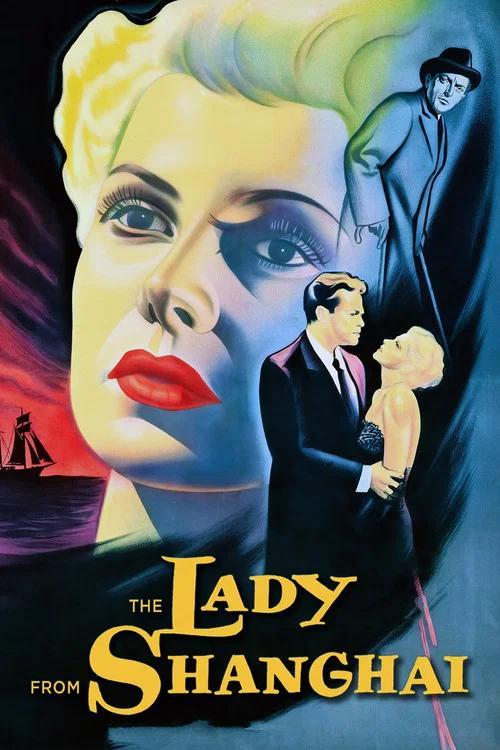
    The Lady from Shanghai

    Orson Welles · 1947

    Michael narrates his own story in voiceover, looking back on the mess he walked into. His wry tone tells you early that this will end badly for him.

    Where to see it: Opening narration: Michael recalls the events that follow, so you watch every scene knowing he already regrets them.

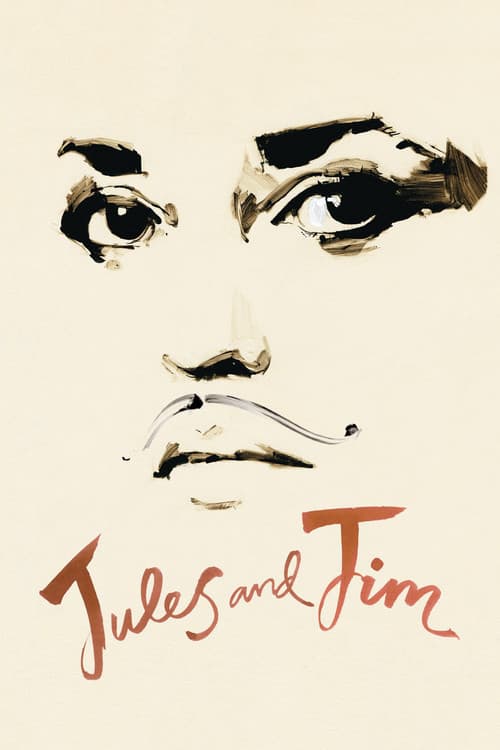
  4. Jules and Jim (1962) poster

    Jules and Jim

    François Truffaut · 1962

    Michel Subor's narration watches the 3 of them from a distance in time. It describes their happiness in the past tense while the film shows it happening in the present. Every joy comes with the knowledge that it won't last.

    Where to see it: The narration describing their pre-war friendship. The voice speaks from the future. It watches the innocent past knowing everything the war and Catherine will take.

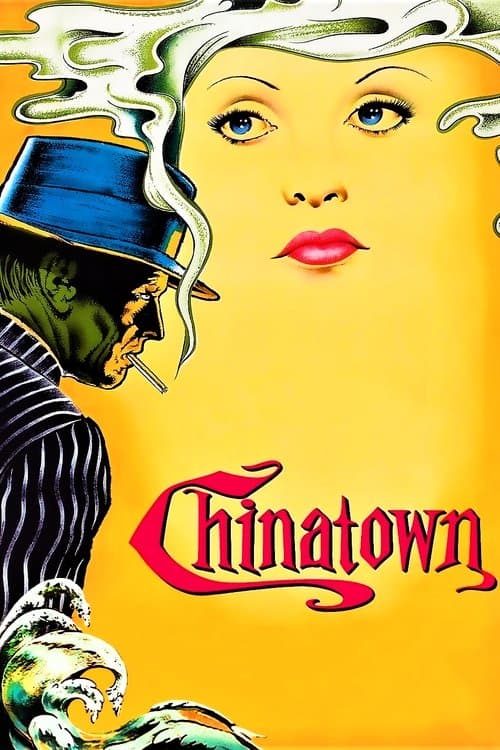
  5. Chinatown (1974) poster

    Chinatown

    Roman Polanski · 1974

    I feel like Gittes' persona suggests a man who was already defeated before the film begins. His world-weary competence, his professional cynicism and his California suntan are the costume of someone who learned something terrible about himself. He has been acting normal ever since. The events of the film reveal what he learned.

    Where to see it: Gittes talking about his past in Chinatown. You hear, in dialogue only, about his history with the original Chinatown and the failure that already happened. The present story turns out to be a repeat of it.

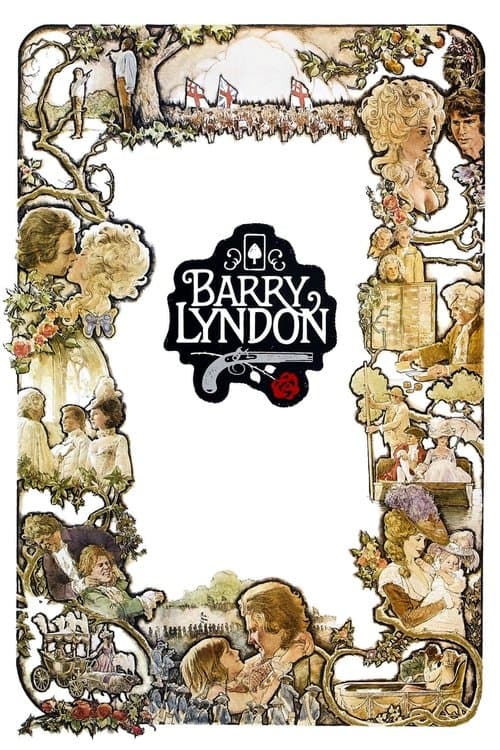
  6. Barry Lyndon (1975) poster

    Barry Lyndon

    Stanley Kubrick · 1975

    Michael Hordern's narration tells you Barry's fate before each sequence shows it. His ironic, detached tone makes every apparent triumph feel hollow in advance. The narrator is pretty much history itself, and he doesn't care how highly Barry thinks of himself. The film's comedy is the gap between Barry's self-image and the narrator's account.

    Where to see it: The narration announcing Barry's defeats before they happen. Kubrick tells you the future in advance, a device called prolepsis, so you watch every success knowing it's already lost.

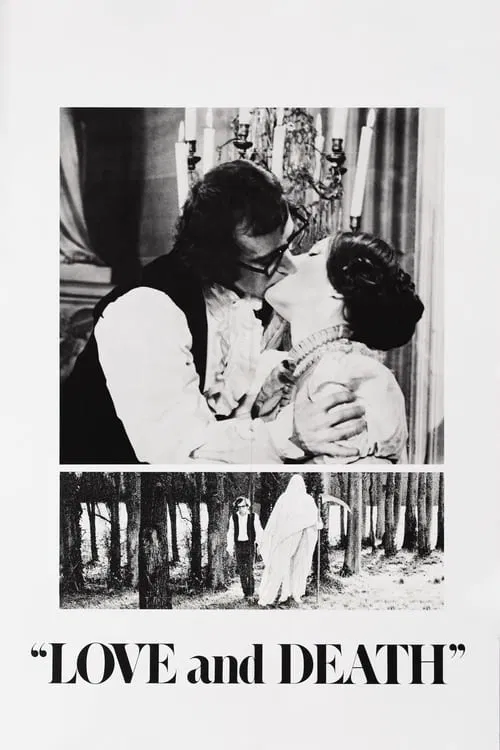
  7. Love and Death (1975) poster

    Love and Death

    Woody Allen · 1975

    The film opens with Boris awaiting execution for a crime he did not commit, narrating how he got there. His execution time even slips from 5 am to 6 am. You know the ending early, so every foolish choice has a gallows-humor shadow.

    Where to see it: The opening cell: Boris waits to be executed and narrates how he ended up there.

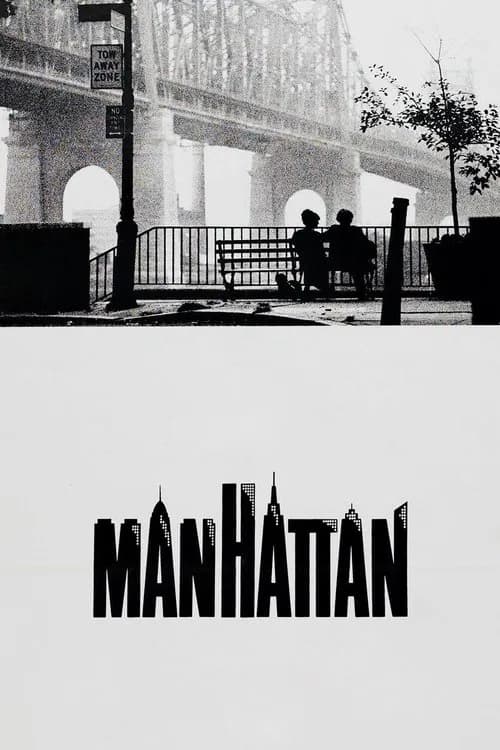
  8. Manhattan (1979) poster

    Manhattan

    Woody Allen · 1979

    The film opens with Isaac writing and rewriting the first line of the novel. His voiceover tries out different versions of the city's legend and drops them. All that self-revision tells you the narrator is unreliable about himself before a single scene of action has happened.

    Where to see it: The opening voiceover variations. 'He was too romantic about Manhattan, as he was about everything else' is one of several false starts. He keeps revising until he lands on 'He was as tough and romantic as the city he loved.' The self-criticism is built into the way he celebrates himself.

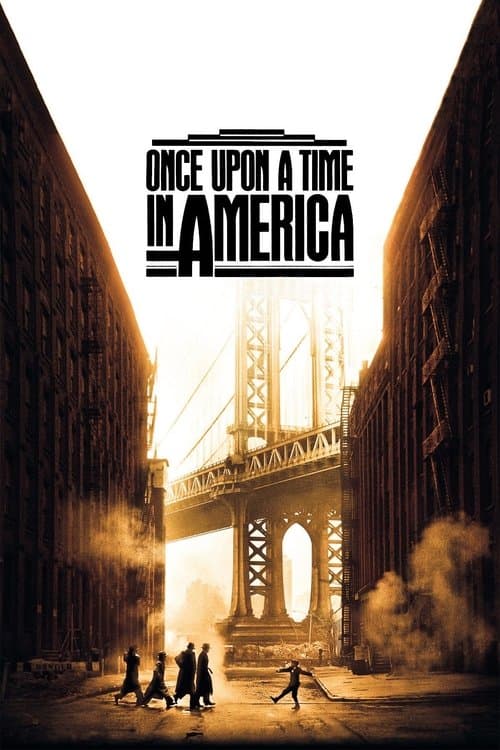
  9. Once Upon a Time in America (1984) poster

    Once Upon a Time in America

    Sergio Leone · 1984

    The film has no voiceover, and Noodles never narrates. He carries a story whose ending he has lived with for decades, and he embodies it. He is out of place in the present, and that puts every flashback inside a feeling of loss. The childhood friendships, the youthful crimes and the love story are all being remembered by a man who knows they are gone.

    Where to see it: Noodles' return to the old neighborhood. A grown man's body moves through the places of his childhood, and every location already feels like mourning.

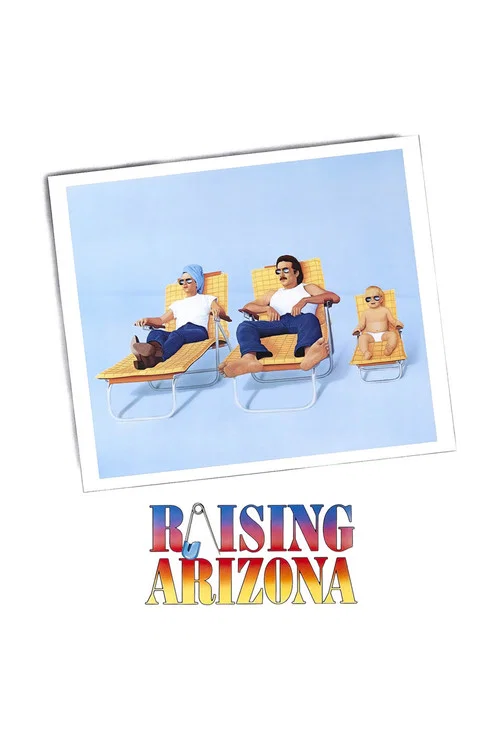
  10. Raising Arizona (1987) poster

    Raising Arizona

    Joel Coen, Ethan Coen · 1987

    The film opens with about 11 minutes of Hi's narration before the title appears. He explains how he met Ed, who took his mugshot after each arrest, and how they came to steal a baby. Because he tells it afterward, you hear a man making sense of his own mess, and the narration returns near the end.

    Where to see it: The opening sequence. Hi narrates his repeated arrests while Ed photographs him, and the two fall in love.

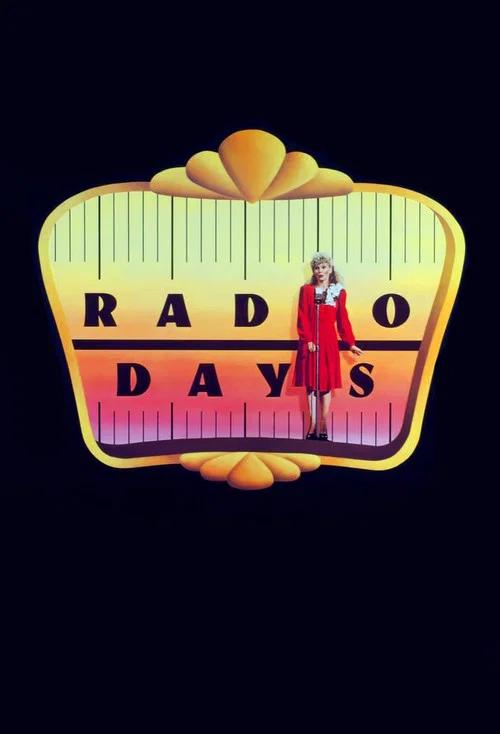
  11. Radio Days (1987) poster

    Radio Days

    Woody Allen · 1987

    Joe, voiced by Allen, tells the story from years later. He recalls his family and the radio shows they loved. Because he is looking back, even the funny scenes carry a feeling that time has passed. It sets the film's gentle, wistful tone.

    Where to see it: The voiceover. Joe introduces his childhood in Rockaway Beach and links each memory to a song or show.

  12. The Shawshank Redemption (1994) poster

    The Shawshank Redemption

    Frank Darabont · 1994

    Morgan Freeman's Red tells Andy's story from memory. His voice adds resignation and eventually wonder to what you see. The narration sets the emotional pace, and it holds back judgement until the film has earned it.

    Where to see it: Red's opening monologue. He describes the prison and gives his first impression of Andy.

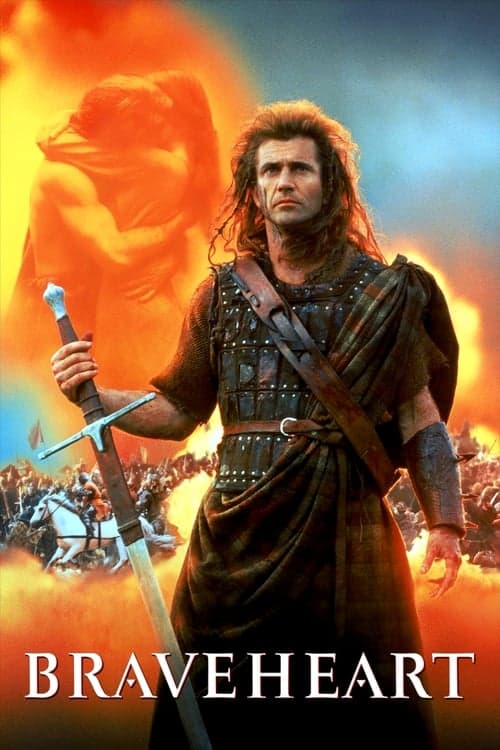
  13. Braveheart (1995) poster

    Braveheart

    Mel Gibson · 1995

    Robert the Bruce's narration frames the film as Scottish history looking back at its defining moment. Because he is looking back, you know from the opening that Wallace became a legend. Whether he wins is already settled. The film is about what his defeat costs and what it creates.

    Where to see it: The opening narration. Robert the Bruce sets up the historical frame, and his backward-looking voice makes Wallace's story a legend before it begins.

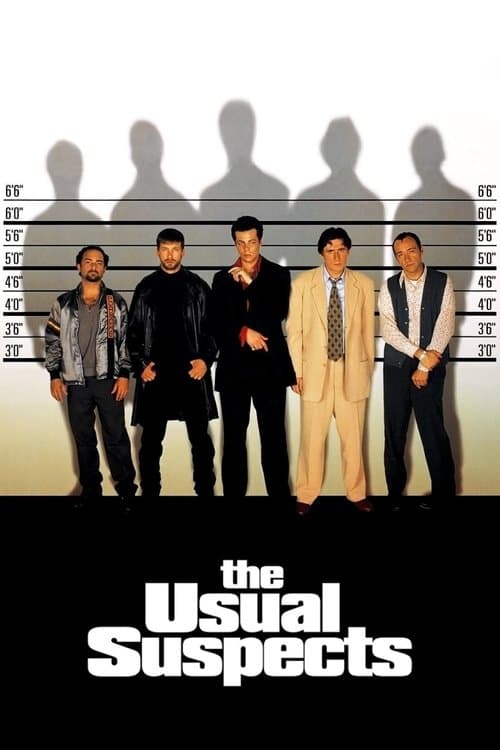
  14. The Usual Suspects (1995) poster

    The Usual Suspects

    Bryan Singer · 1995

    Kint's voiceover is smooth and sympathetic, and it guides you through a past he made up. Because he tells it as someone looking back, the lie sounds as trustworthy as a confession.

    Where to see it: Kint's line to Kujan during the interrogation, repeated at the end: 'The greatest trick the devil ever pulled was convincing the world he didn't exist'. In hindsight, the line describes his own deception.

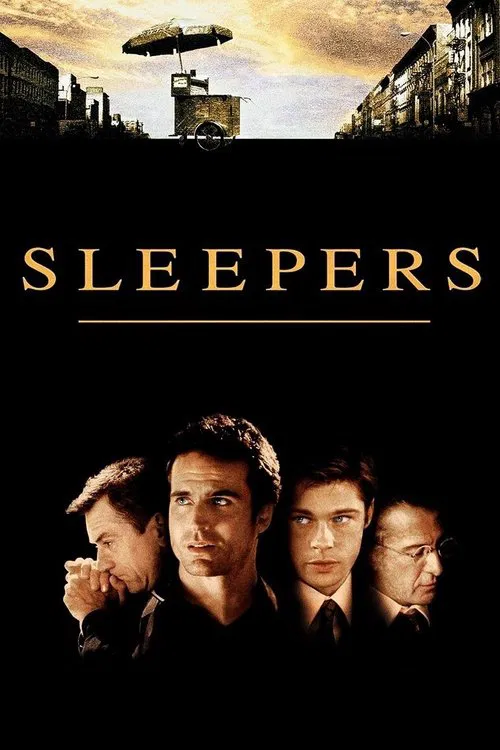
  15. Sleepers (1996) poster

    Sleepers

    Barry Levinson · 1996

    Shakes narrates from later in life, and the film opens by calling itself a true story about friendship. That sets up a story told as memory. By the end you sense how much was lost.

    Where to see it: The epilogue. The friends celebrate at a bar, and Shakes's narration says it was the last time they were all together.

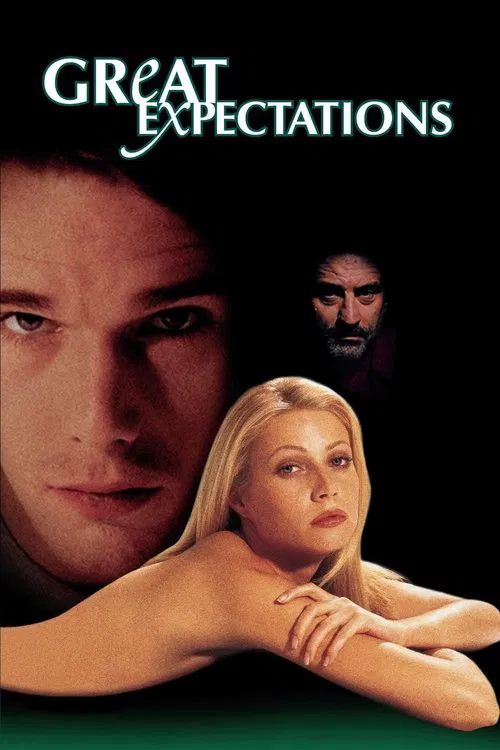
  16. Great Expectations (1998) poster

    Great Expectations

    Alfonso Cuarón · 1998

    Finn narrates the story as an adult looking back. The voiceover was added after editing, and producer Art Linson brought in David Mamet to write it. It ties the stylish scenes together and makes everything feel like memory.

    Where to see it: The beach. Finn's narration opens the film as the young boy plays on the Gulf Coast shore, just before the escaped convict grabs him.

  17. American Beauty (1999) poster

    American Beauty

    Sam Mendes · 1999

    Lester narrates from after his death, which adds irony to every scene. He knows how it ends. His commentary swings between making fun of himself and a fairly hard-won clarity.

    Where to see it: Ricky's plastic bag video. He describes the day he filmed it as 'one of those days when it's a minute away from snowing and there's this electricity in the air'.

  18. The Virgin Suicides (2000) poster

    The Virgin Suicides

    Sofia Coppola · 2000

    The boys, now grown men, tell the story as a memory. They collect objects and stories about the girls and still cannot explain what happened. You sense from the start that something will be lost.

    Where to see it: The opening memory. The men recall the five Lisbon sisters and how they filled the boys' conversations and dreams.

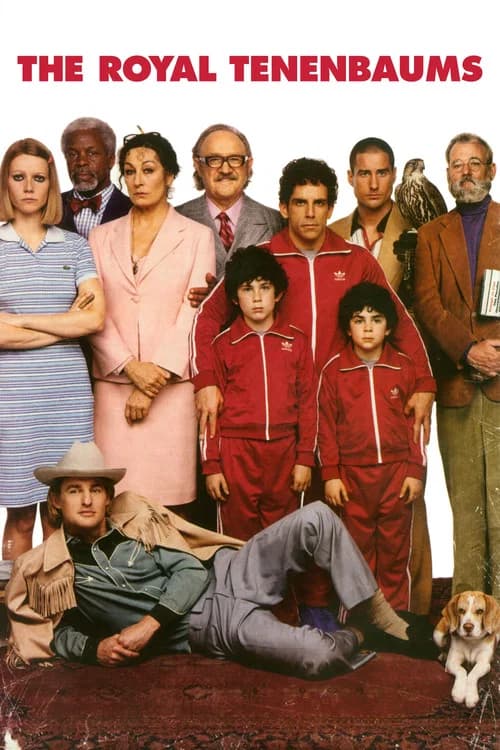
  19. The Royal Tenenbaums (2001) poster

    The Royal Tenenbaums

    Wes Anderson · 2001

    Alec Baldwin's all-knowing narrator reads from 'The Royal Tenenbaums' as though the film is a novel. That makes the story feel like a family legend, told from the distance of something already over.

    Where to see it: The opening chapter-book framing. It tells you these lives have already been defined, catalogued and judged as failures before the film even begins.

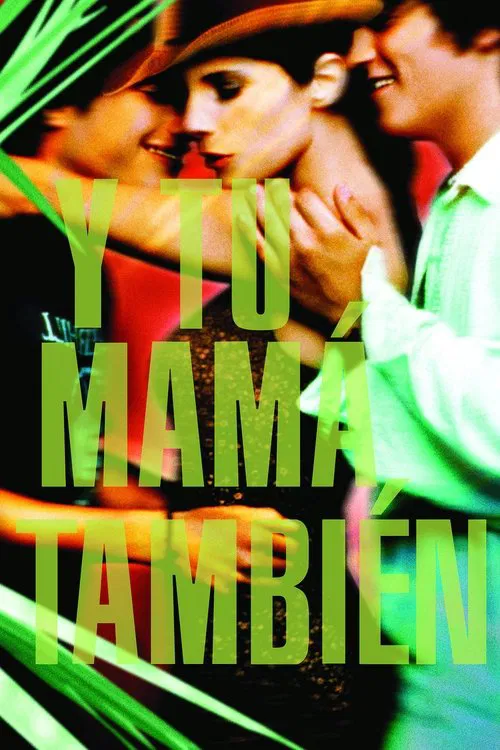
  20. Y Tu Mamá También (2001) poster

    Y Tu Mamá También

    Alfonso Cuarón · 2001

    The narrator knows how everything turns out and tells you about the future in a flat, matter-of-fact voice. That makes the fun of the trip feel temporary from early on. You sense the friendship won't last.

    Where to see it: The final coffee. A year later, Julio and Tenoch meet by chance, make plans to see each other again, and the narrator says they never will.

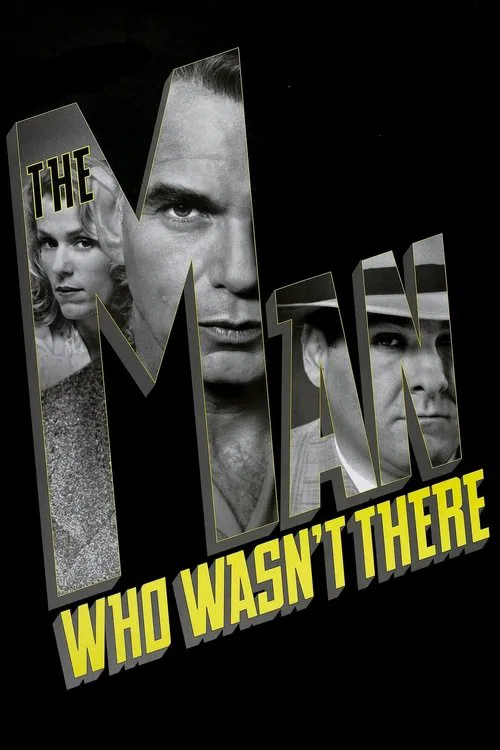
  21. The Man Who Wasn't There (2001) poster

    The Man Who Wasn't There

    Joel Coen, Ethan Coen · 2001

    Ed tells the story after it all went wrong, writing his life story for a magazine while he waits on death row. His flat voice never gets excited, even when he talks about murder. That calm makes the events feel like a memory he has already made peace with.

    Where to see it: The death row scenes. Ed writes his life story for a pulp magazine while he waits for execution.

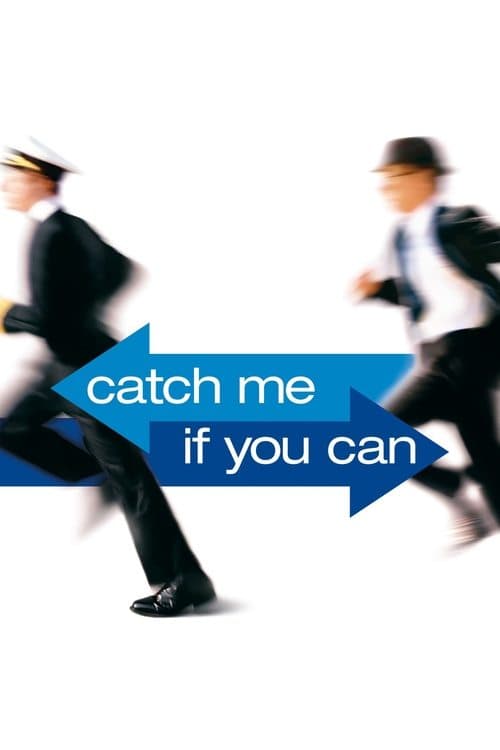
  22. Catch Me If You Can (2002) poster

    Catch Me If You Can

    Steven Spielberg · 2002

    The film frames Frank's story as a look back. It starts with Hanratty arriving in France to collect Frank from prison, then jumps back to the teenager who ran. There is no narrator, and the framing does the job a voiceover would. That distance makes the cons feel wistful and keeps the film from condemning them. Telling it in hindsight lets you enjoy the adventure before you see the cost.

    Where to see it: The jump from the French prison back to Frank's teenage years. The film watches the boy discover the con for the first time. The hindsight is tender and there is no judgment in it.

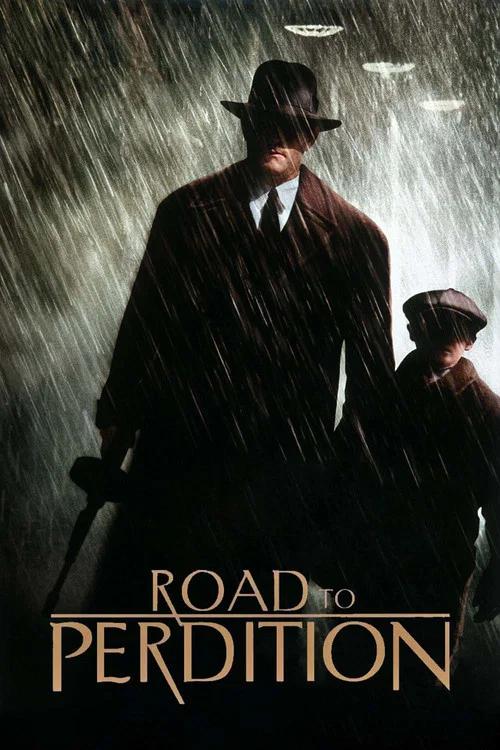
  23. Road to Perdition (2002) poster

    Road to Perdition

    Sam Mendes · 2002

    Michael Jr. narrates the story from some point after it happened. The events feel like a memory, and you sense early on that his father's life will not end well. His last words give the film its emotional answer.

    Where to see it: The final narration: Michael says he has not held a gun since his father's death, and when asked if his father was a good man, he says he tells people he was his father.

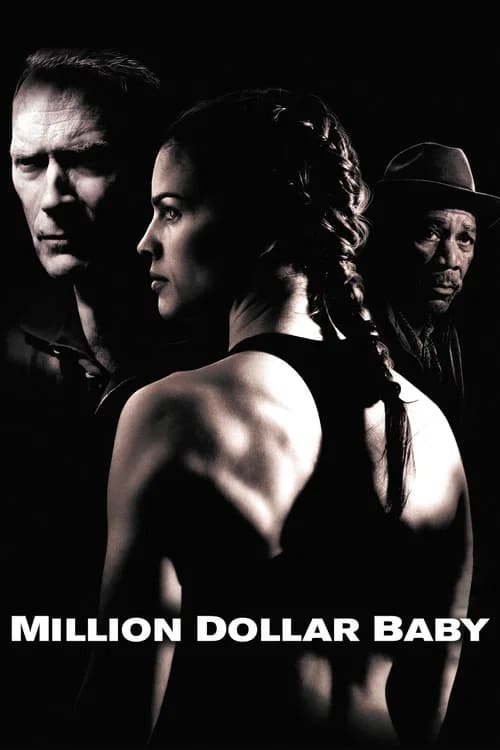
  24. Million Dollar Baby (2004) poster

    Million Dollar Baby

    Clint Eastwood · 2004

    Eddie Dupris narrates the film looking back, in the form of a letter to Frankie's estranged daughter. Every scene ends up feeling like testimony, a man explaining to an absent person what her father was.

    Where to see it: The final voiceover. It explains what Frankie did for Maggie before he disappeared. Because it is a letter, his absence is left as the film's last mystery.

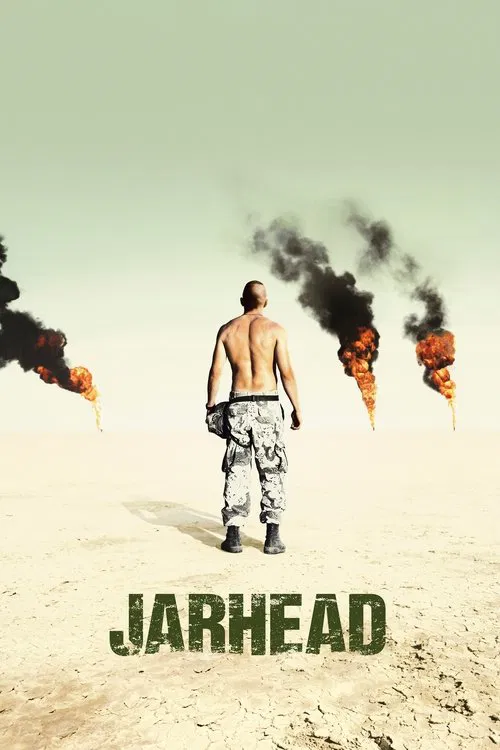
  25. Jarhead (2005) poster

    Jarhead

    Sam Mendes · 2005

    Swofford narrates his own story, which comes from his memoir. He explains that he got lost on the way to college and ended up a Marine. The events feel like memory, and the voice carries the shame and boredom.

    Where to see it: Recruit training at Camp Pendleton: Swofford claims he joined the military because he "got lost on the way to college" and struggles to make friends.

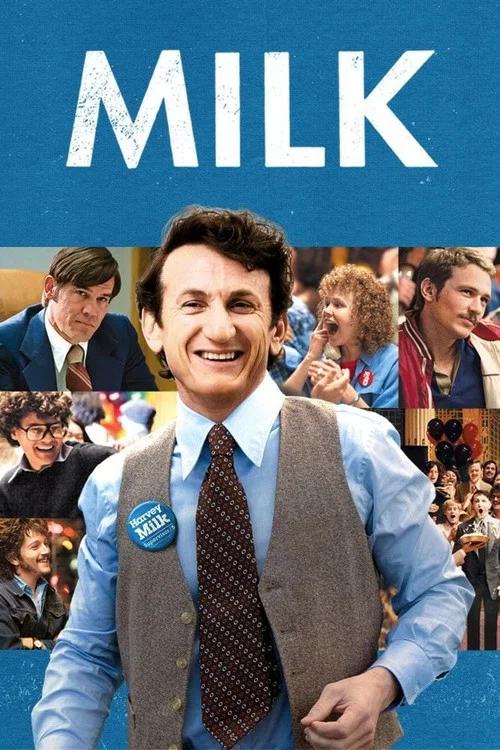
  26. Milk (2008) poster

    Milk

    Gus Van Sant · 2008

    Milk records his will on tape nine days before his death. His recorded voice walks you through his story as memory, and you feel he knew he might be killed.

    Where to see it: The tape: Milk sits at his kitchen table and speaks into a tape recorder, telling his story.

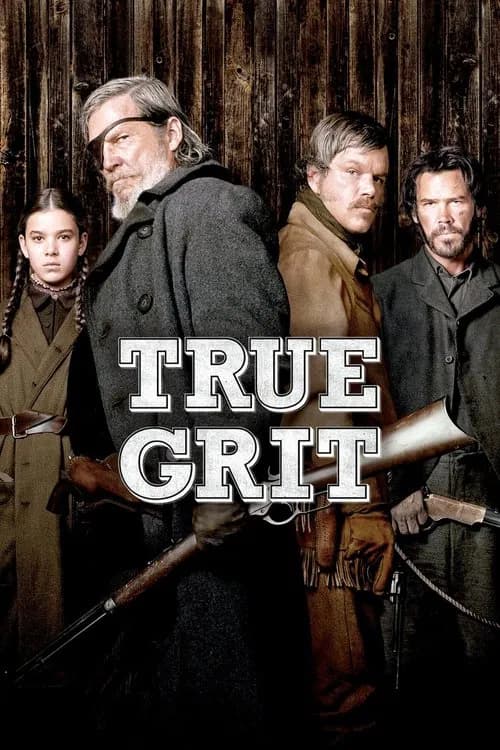
  27. True Grit (2010) poster

    True Grit

    Joel Coen, Ethan Coen · 2010

    Mattie's adult voice narrates her own childhood with calm clarity. She has had decades to understand what she set in motion at 14. Nevertheless, looking back like this makes every scene of her determination admirable and ominous at the same time.

    Where to see it: Mattie's narration of her father's murder and her immediate decision to pursue justice. The adult voice knows what that decision would cost. The child can't imagine it yet.

  28. The Tree of Life (2011) poster

    The Tree of Life

    Terrence Malick · 2011

    Jack's adult voiceover speaks to God, his mother and his dead brother in fragments. It asks questions more than it tells the story. The voice looking back is still living inside the questions of the past. Malick's film suggests that grief does not end. It simply becomes the way an adult sees everything.
    Where to see it: Young Jack's voiceover in the middle of the childhood section: 'Mother. Father. Always you wrestle inside me. Always you will.' The boy's words tell you that the past will stay present for the adult.

  29. 20th Century Women (2016) poster

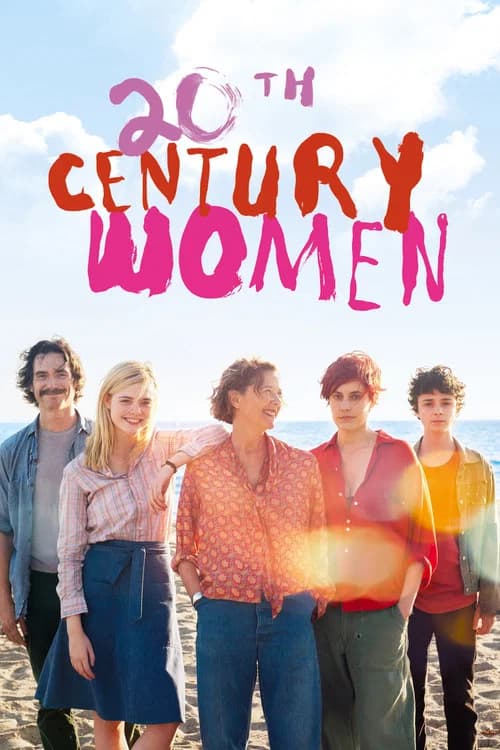
    20th Century Women

    Mike Mills · 2016

    Each character narrates their own story and each other's. They speak from a future that knows how things turn out, which their 1979 selves can't. Looking back this way makes every moment of connection tender, because you know how little time the characters will have together.

    Where to see it: The voiceover revealing what happens to each character after the film ends. You hear about deaths, divorces and futures the 1979 characters can't imagine. Knowing the future makes the present-day scenes feel alive and mournful at the same time.

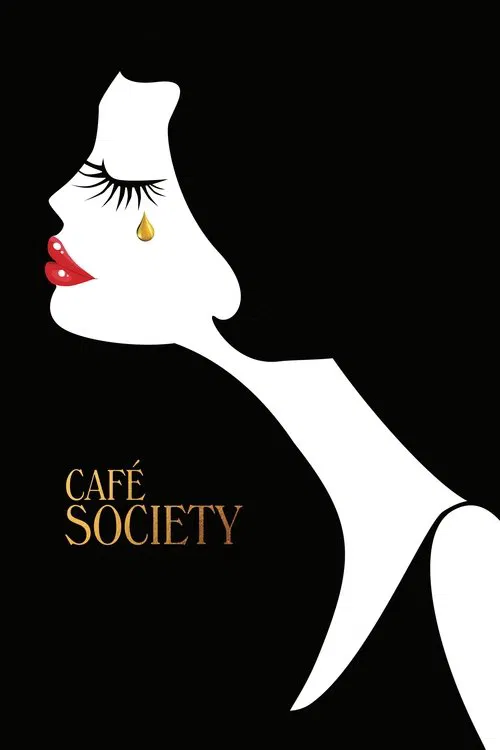
  30. Café Society (2016) poster

    Café Society

    Woody Allen · 2016

    Woody Allen narrates the story in an uncredited voiceover. The tone is a mild, weary look back at a love that did not work out. That distance makes the film feel like a memory, and you sense early on that something will be lost.

    Where to see it: The voiceover throughout. Allen's narration introduces the Dorfman family, Bobby's move to Hollywood and the people he meets.

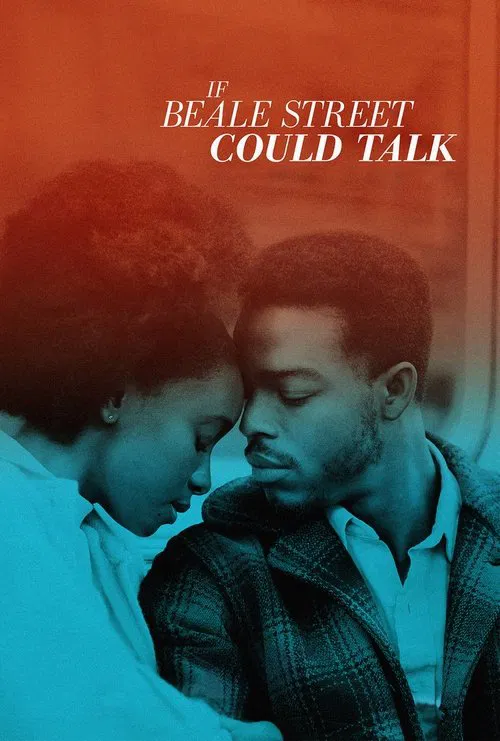
  31. If Beale Street Could Talk (2018) poster

    If Beale Street Could Talk

    Barry Jenkins · 2018

    Tish narrates the story in voiceover from a future where she already knows how it ends. Her narration is tender and clear. Even the most painful scenes feel like something she has witnessed and survived.

    Where to see it: Tish's opening voiceover: 'I hope that nobody has ever had to look at somebody they love through glass'. She is looking back from the future, so the whole film is framed as her act of witness.

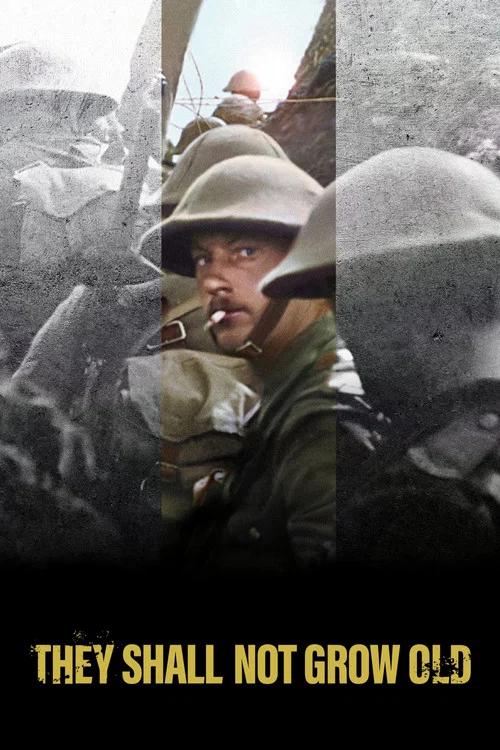
  32. They Shall Not Grow Old (2018) poster

    They Shall Not Grow Old

    Peter Jackson · 2018

    There is no usual narrator. The voiceover is cut together from old BBC and Imperial War Museum interviews with British veterans, drawing on audio from 120 of the 200 men who were recorded. Their voices are older than the faces you see, so every story is told from a distance of decades.

    Where to see it: Training and trenches: Veterans describe enlisting and going to war over footage of young soldiers.

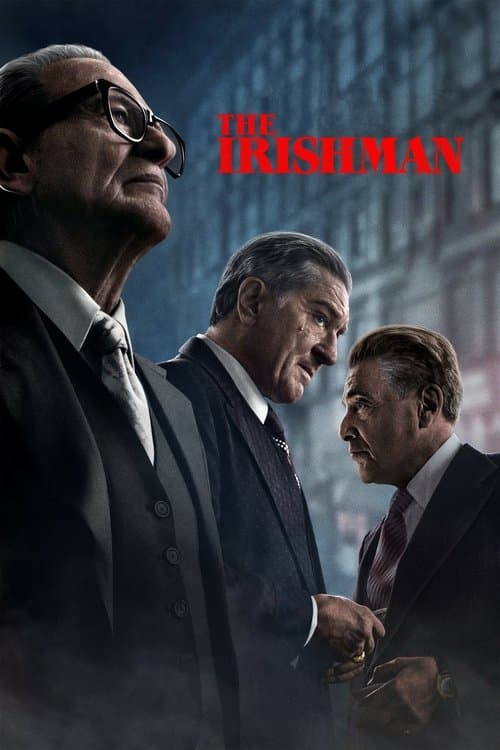
  33. The Irishman (2019) poster

    The Irishman

    Martin Scorsese · 2019

    Frank narrates the entire film from a nursing home wheelchair. Because he is looking back, every murder sounds like a confession. You end up in the position of a priest hearing a confession you didn't ask for.

    Where to see it: The nursing home corridor scene that opens the film. Frank's wheelchair and voiceover set up the end-of-life viewpoint that all the memories flow from.

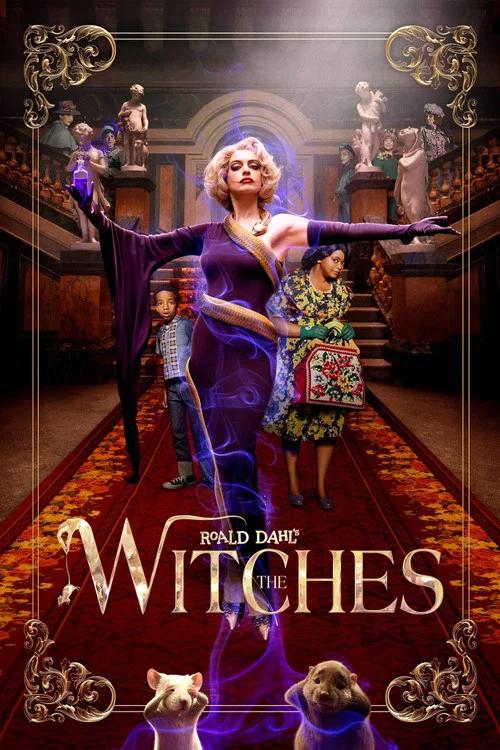
  34. The Witches (2020) poster

    The Witches

    Robert Zemeckis · 2020

    Chris Rock narrates as the older Charlie, looking back on the events. His voice tells you early on that Charlie survives. It also makes the story feel like a memory and a tall tale at once.

    Where to see it: The narration: Chris Rock's voice introduces young Charlie and the grandmother who takes him in.

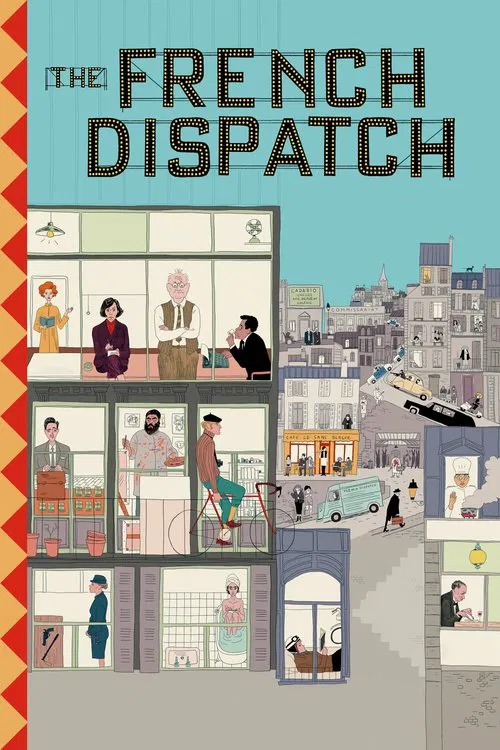
  35. The French Dispatch (2021) poster

    The French Dispatch

    Wes Anderson · 2021

    The writers tell their articles after the events happened, so the stories feel like polished memories. Roebuck Wright recounts the kidnapping as a tale he tells afterward, and the telling shapes how you see it.

    Where to see it: The Private Dining Room of the Police Commissioner: Food writer Roebuck Wright tells the story of the kidnapping of the commissioner's son.

Questions

Quick answers

What is retrospective voiceover in film?
Having a narrator tell the story from some point after it happened. The events feel like memory, and you sense early on that something will be lost.
Which films use retrospective voiceover?
Brief Encounter (1945), Great Expectations (1946), The Lady from Shanghai (1947), Jules and Jim (1962), Chinatown (1974), Barry Lyndon (1975) and 29 more films in the CineCode library.
What kind of technique is retrospective voiceover?
It is a narrative technique. Related narrative techniques include Unreliable Narrator, Symbolic Object, Romantic Triangle Geometry.