Narrative technique · used in 28 films

Picaresque Structure

Telling the story as a loose string of separate adventures, often following a low-status hero through different levels of society. With no single plot, the episodes add up to a portrait of a world.

Examples

28 films that use it

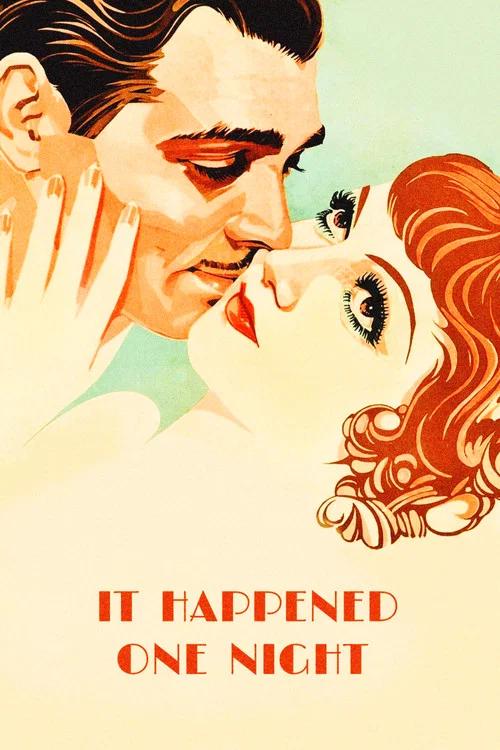
  1. It Happened One Night (1934) poster

    It Happened One Night

    Frank Capra · 1934

    The trip is a string of small problems, with a missed bus, a washed-out bridge, detectives and a car thief. Each one pushes them closer. You watch the road add up to a romance.

    Where to see it: Hitchhiking: Peter's thumb gets nowhere, but Ellie flashes her leg and gets the first ride. The driver steals their luggage, so Peter chases him down and takes the car.
  2. La Dolce Vita (1960) poster

    La Dolce Vita

    Federico Fellini · 1960

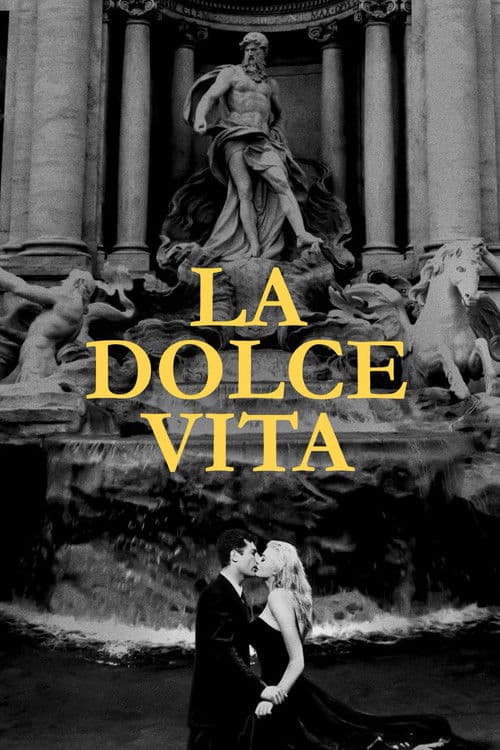
    La Dolce Vita has no plot in the usual sense. It's a string of nights, each with its own world, its own cast and its own version of Roman excess. Marcello moves through them and doesn't change in the usual sense either. A picaresque is a story told as loose episodes like this. The film makes its point by piling them up: 7 days of beautiful emptiness that add up to a portrait of emptiness.

    Where to see it: The transition between episodes. Marcello moves from the Steiner party to the Via Veneto to the country estate. Because the film works in episodes, each place is a fresh variation on the same spiritual void.

  3. Stolen Kisses (1968) poster

    Stolen Kisses

    François Truffaut · 1968

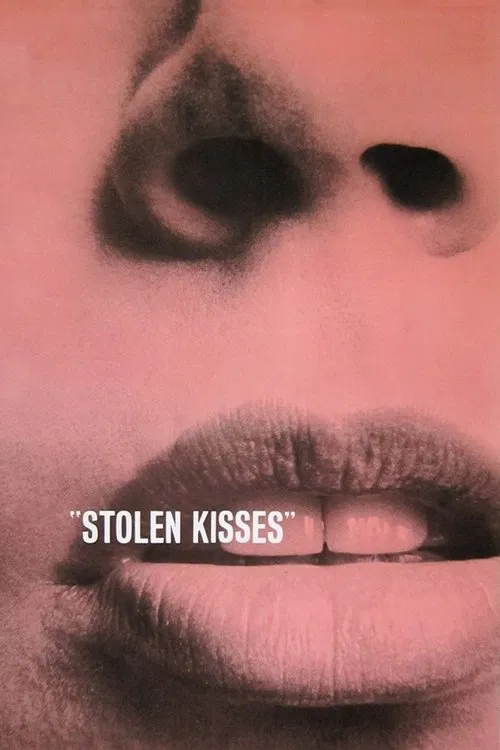
    Antoine moves from night clerk to detective, shoe store stock boy and TV repairman. Each job is a separate comic episode with new people. Together they show a young man who tries on lives without knowing who he is.

    Where to see it: The shoe store case. Antoine poses as a stock boy to find out why nobody likes the owner, though he has never worked in a store.

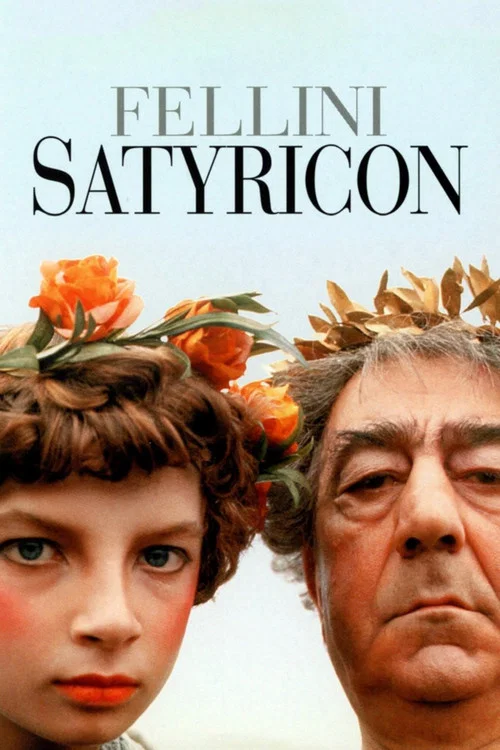
  4. Fellini Satyricon (1969) poster

    Fellini Satyricon

    Federico Fellini · 1969

    Encolpius drifts from one episode to the next with no single plot. Each one shows another corner of Roman society.

    Where to see it: The episodes: a tenement destroyed by an earthquake, a feast, a pirate ship and a labyrinth battle follow each other.

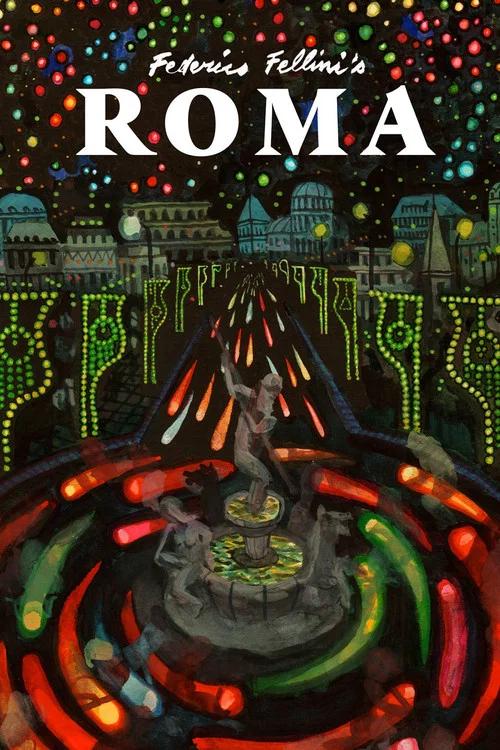
  5. Fellini's Roma (1972) poster

    Fellini's Roma

    Federico Fellini · 1972

    Roma moves through a string of unconnected episodes with no single plot. They include a guesthouse with odd residents, two brothels and a vaudeville theater.

    Where to see it: The vaudeville and brothel episodes: each is its own little world, and together they form a portrait of Rome.

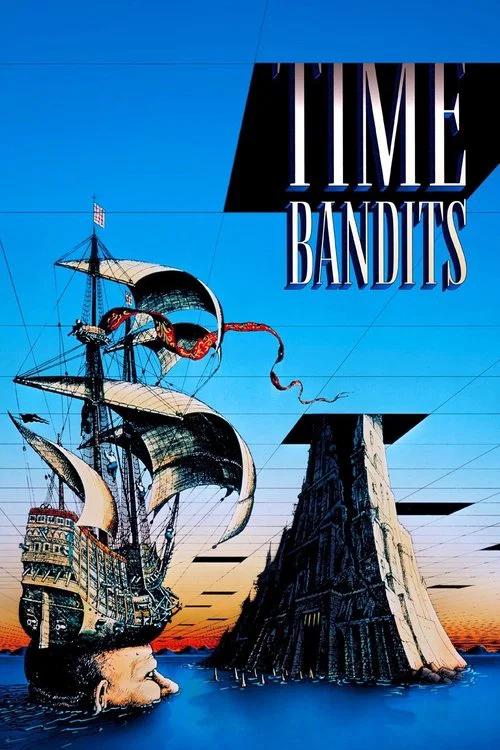
  6. Time Bandits (1981) poster

    Time Bandits

    Terry Gilliam · 1981

    Kevin and the gang hop from one era to the next. They land in the Battle of Castiglione, then meet Napoleon, Robin Hood and others. Each stop is its own short story, and together they feel like a child's view of history.

    Where to see it: The jump to Italy. Kevin follows the gang through the portal and lands in the Battle of Castiglione.

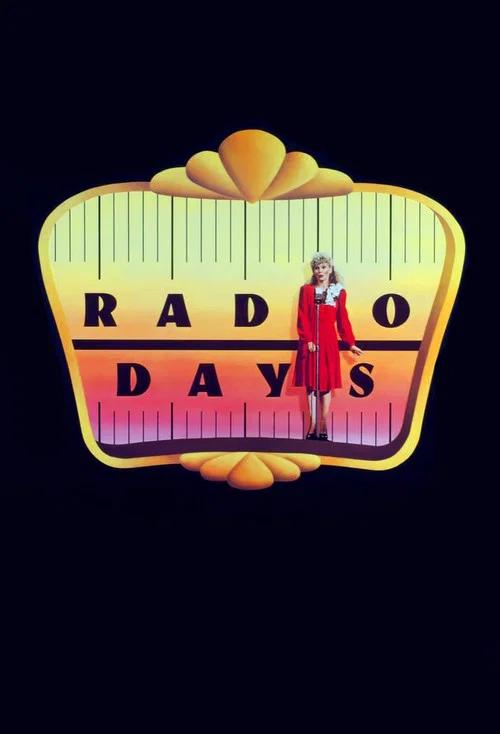
  7. Radio Days (1987) poster

    Radio Days

    Woody Allen · 1987

    The film jumps between sketches and never settles on one plot. A family evening, a radio star's rise and a rooftop adventure sit next to each other. Together they make a portrait of a neighborhood and an age.

    Where to see it: The burglars. Two thieves answer a ringing phone in a house they are robbing, a radio game show calls, and the family wins the prizes.

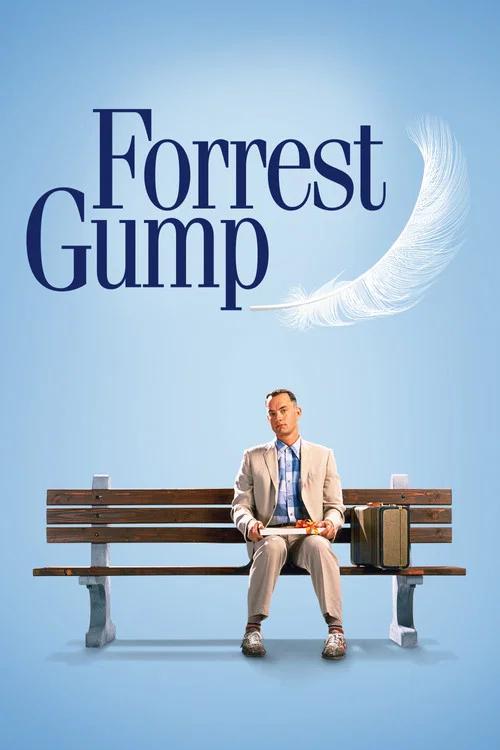
  8. Forrest Gump (1994) poster

    Forrest Gump

    Robert Zemeckis · 1994

    Forrest moves from childhood Alabama to Vietnam to the White House to the ping-pong diplomacy tour to Watergate, and no episode needs the one before it to work. A story built from loose episodes like this is called picaresque. As a matter of fact, it is the only structure that can hold 3 decades of American history as a single life.

    Where to see it: The montage of Forrest's cross-country run. Here, the picaresque is pure motion.

  9. The Big Lebowski (1998) poster

    The Big Lebowski

    Joel Coen, Ethan Coen · 1998

    The plot pushes the Dude around. He can't understand the forces behind it and doesn't much want to. He meets the Big Lebowski, Maude, the nihilists and Jackie Treehorn, and each meeting is a stop on a picaresque journey, a loose string of adventures. Its real subject is how calm the Dude stays in the face of everything.

    Where to see it: The Dude's series of meetings with the various parties to the kidnapping. Each one is a new social world that he runs into and politely survives. The string of episodes turns Los Angeles into the true subject of the film.

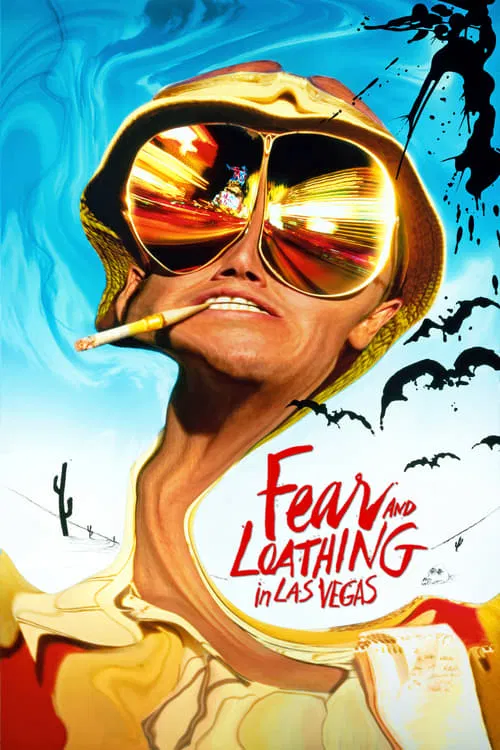
  10. Fear and Loathing in Las Vegas (1998) poster

    Fear and Loathing in Las Vegas

    Terry Gilliam · 1998

    Duke and Gonzo lurch from the desert highway to a motorcycle race, a casino circus and a hotel suite. Each stop is a separate episode with new strangers and a new kind of disaster. The pile of episodes paints a portrait of Las Vegas in 1971 and the two men who ride through it.

    Where to see it: The Bazooko Circus casino. Duke and Gonzo arrive after mescaline and ether, and Gonzo wants to leave when the chaos scares him.

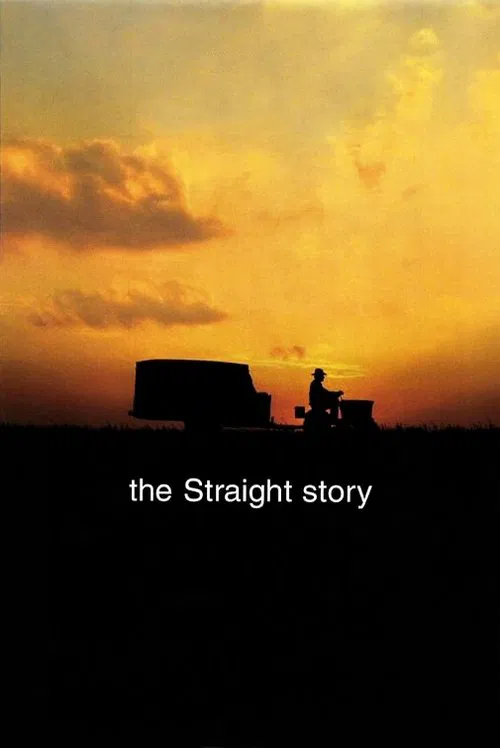
  11. The Straight Story (1999) poster

    The Straight Story

    David Lynch · 1999

    The trip plays as a string of small meetings. Alvin shares dinner with a pregnant teenage runaway, camps with cyclists and talks with a woman who keeps hitting deer on her drive to work. No single plot drives these scenes, but together they paint a picture of the people along his road.

    Where to see it: The runaway and the cyclists. Alvin eats with a pregnant teenager who has left home, then camps with a group of cyclists who ask him about getting old.

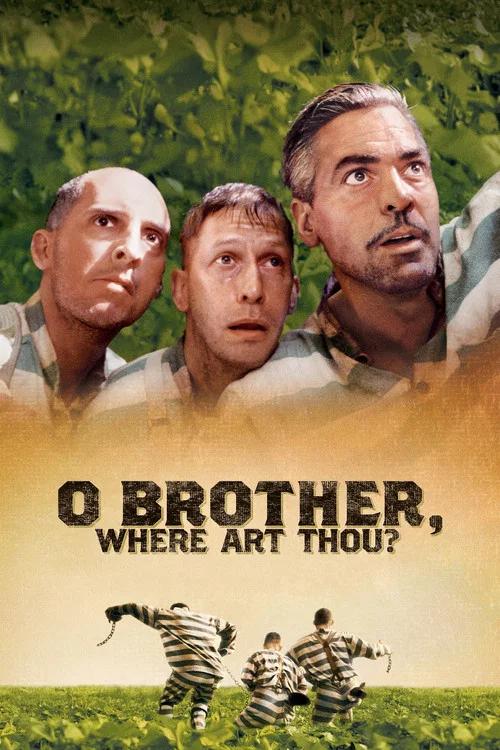
  12. O Brother, Where Art Thou? (2000) poster

    O Brother, Where Art Thou?

    Joel Coen, Ethan Coen · 2000

    The story is a string of separate meetings. The trio encounters a blind seer, a baptism, singing washerwomen, a one-eyed Bible salesman, a famous outlaw and a Klan rally. None of these is really the main plot, and together they draw a portrait of the Depression-era South.

    Where to see it: The road scenes after the escape. The 3 men move from the river baptism to the radio station to the bank robber's hideout.

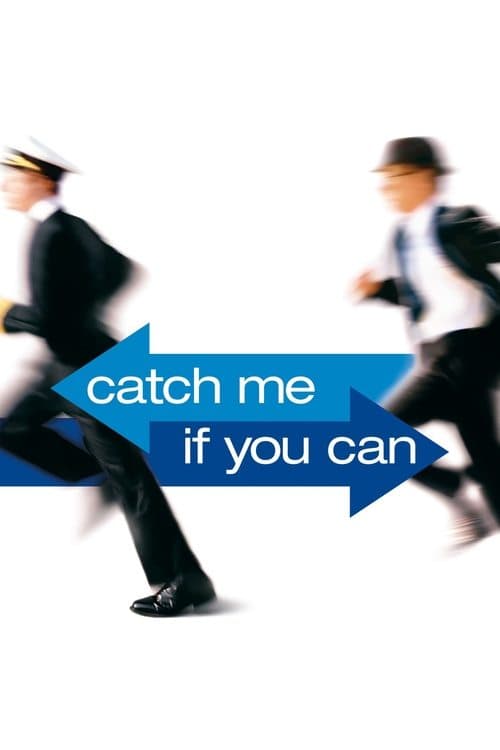
  13. Catch Me If You Can (2002) poster

    Catch Me If You Can

    Steven Spielberg · 2002

    Frank's cons play out as a series of set pieces in different cities and industries (the airline, the hospital, the law firm, the bank). Each episode stands alone and each new identity is a new chapter. This episodic shape, known as picaresque, reflects how Frank can't stay anywhere long enough to be caught or known.

    Where to see it: The montage of Frank's various identities: pilot, doctor, lawyer. Each one has its own costume and setting. The episodes mirror how Frank sees himself, which is as a series of performances with no steady self underneath.

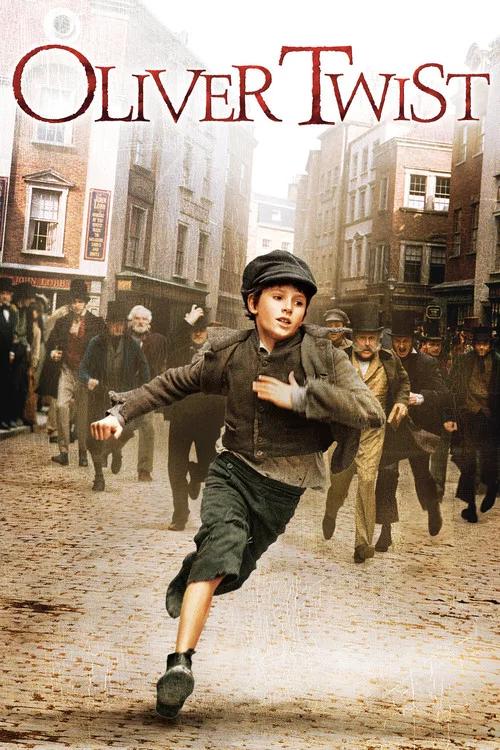
  14. Oliver Twist (2005) poster

    Oliver Twist

    Roman Polanski · 2005

    Oliver moves from the workhouse to an undertaker's shop, then to London's streets and a wealthy man's home. Each stop is a different level of society with its own rules, and together they show how little protection a child has.

    Where to see it: The road to London: After he is sold as an apprentice to an undertaker, Oliver runs away and makes a seven-day journey to London.

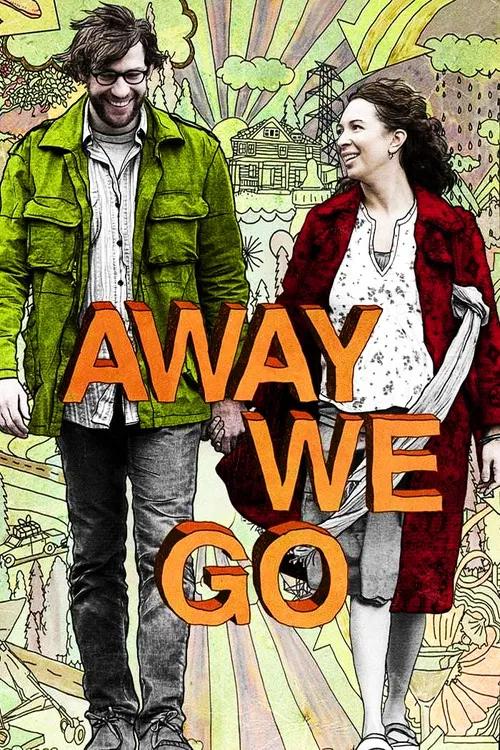
  15. Away We Go (2009) poster

    Away We Go

    Sam Mendes · 2009

    The film is a string of short visits. Burt and Verona travel from Phoenix to Tucson, Madison, Montreal and Miami, and each stop is its own little story. There is no big villain, and the visits add up to a portrait of how people raise children.

    Where to see it: The cross-country trip: From Phoenix to Miami, Burt and Verona visit old friends and relatives, one city at a time, looking for a home.

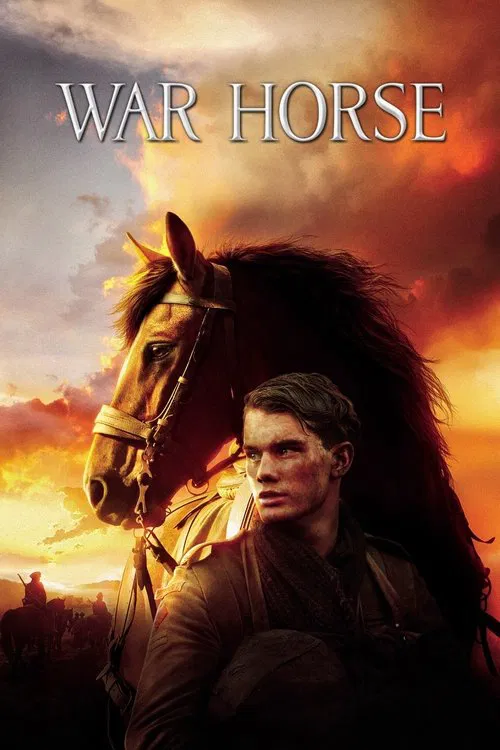
  16. War Horse (2011) poster

    War Horse

    Steven Spielberg · 2011

    Joey passes from owner to owner, and each stop gives a new little story with new people. A British officer, German brothers, a French girl and soldiers on both sides all get a stretch with him. Together the pieces become a portrait of the war.

    Where to see it: The journey: Joey is sold to the army, captured by Germans and found by a French girl, and each owner gets a short chapter.

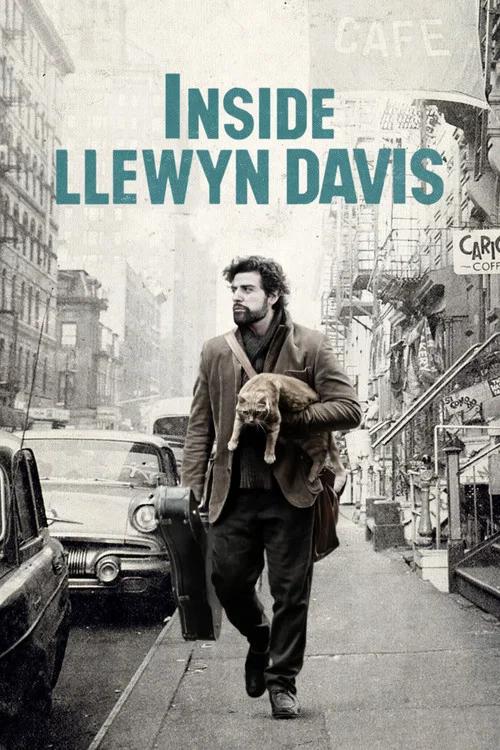
  17. Inside Llewyn Davis (2013) poster

    Inside Llewyn Davis

    Joel Coen, Ethan Coen · 2013

    The story is a chain of couches, rides and meetings. Llewyn visits the Gorfeins, the Berkeys and his sister, then rides to Chicago with 2 strangers, then comes back. Each stop shows a different corner of the folk scene.

    Where to see it: The Chicago road trip. Llewyn rides with Johnny Five and Roland Turner and takes a ginger cat along.

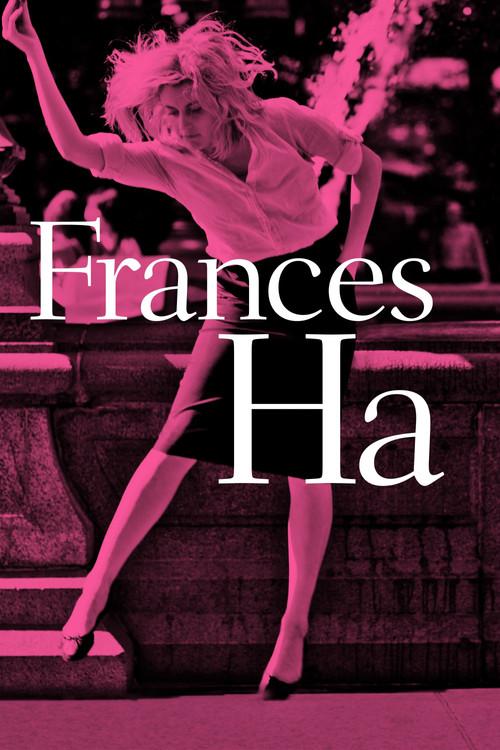
  18. Frances Ha (2013) poster

    Frances Ha

    Noah Baumbach · 2013

    Frances has no single goal. She moves from Brooklyn to Chinatown, then Sacramento, Paris and back to her old college. The loose chain of episodes adds up to a picture of one person looking for a place.

    Where to see it: Paris trip: Frances impulsively flies to Paris, plans badly and gets little from the trip.

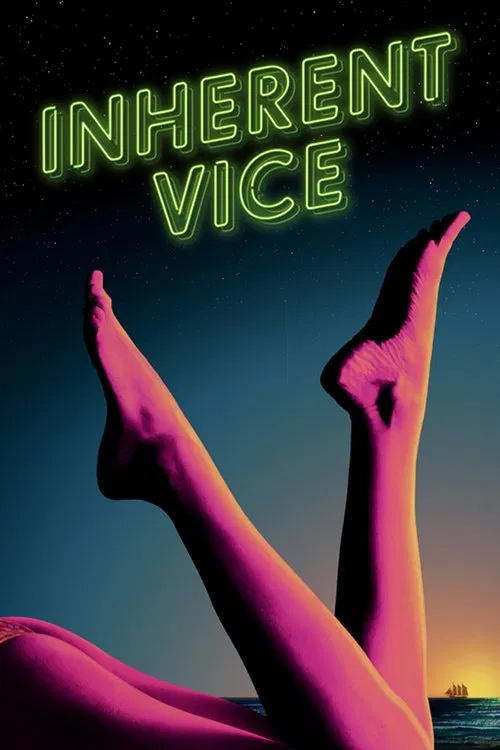
  19. Inherent Vice (2014) poster

    Inherent Vice

    Paul Thomas Anderson · 2014

    Doc drifts from a massage parlor to a cult-linked asylum to a building shaped like a golden fang. Each case brings a new part of Los Angeles. The episodes add up to a picture of a city in 1970.

    Where to see it: The Chryskylodon asylum visit. Doc finds Mickey Wolfmann there, seemingly brainwashed.

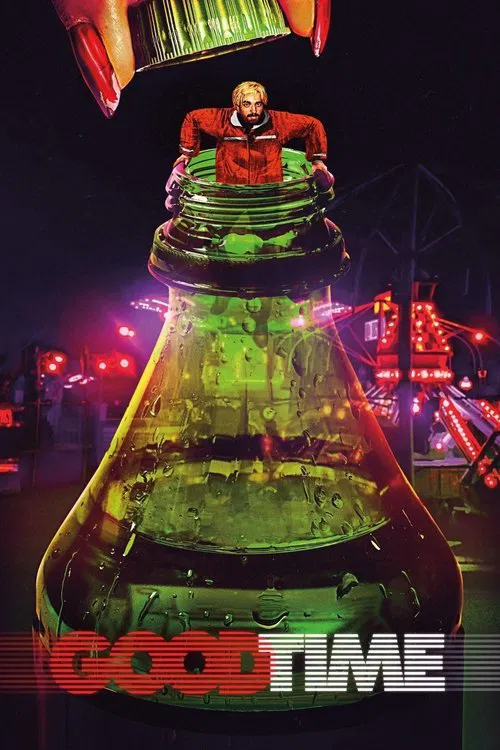
  20. Good Time (2017) poster

    Good Time

    Josh Safdie, Benny Safdie · 2017

    Connie bounces from a bail bondsman to a hospital, a stranger's house, an amusement park and an apartment. Each stop works like its own short story with new people and a new danger. Together they show a city full of people with very little to lose.

    Where to see it: The Adventureland sequence. Connie and Ray search a haunted house ride for hidden money, find only a bottle of LSD and run into a security guard.

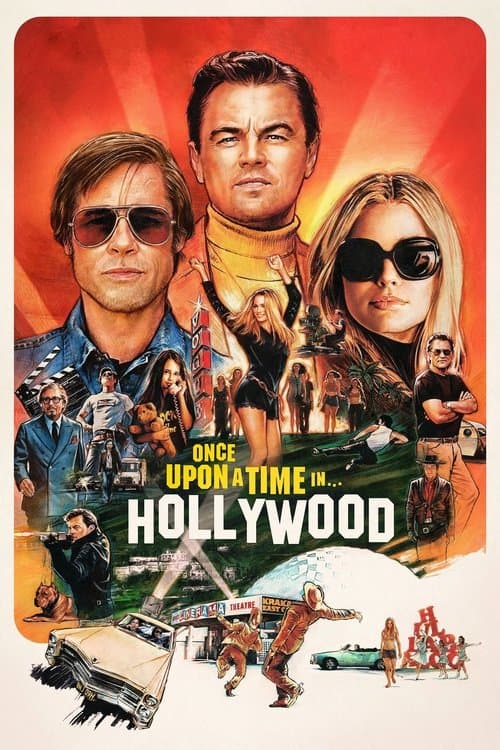
  21. Once Upon a Time in Hollywood (2019) poster

    Once Upon a Time in Hollywood

    Quentin Tarantino · 2019

    The film wanders with Rick and Cliff through a series of loosely linked episodes (the Lancer set, the Spahn Ranch, the Playboy mansion). Each episode works mainly as a portrait of the era, and the plot barely moves.

    Where to see it: Cliff's flashback to his boat with his wife. It sits entirely outside the main timeline and is there only to show you who he is.

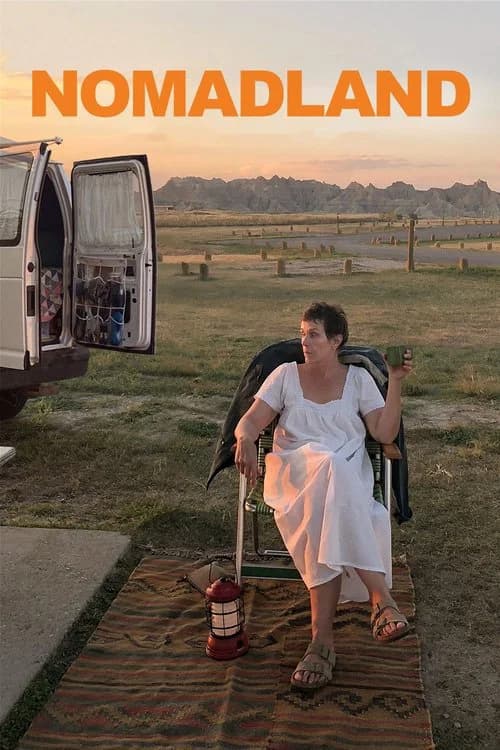
  22. Nomadland (2020) poster

    Nomadland

    Chloé Zhao · 2020

    Fern moves through Amazon fulfillment centers, beet fields, national parks and campfire communities. Each location is a chapter with its own people and its own discovery. This is a picaresque structure, meaning a story told as a string of separate episodes. It suits the subject, a life built around moving with no destination. It also suits a film that won't force a plot onto what is essentially a documentary of how some Americans live.

    Where to see it: The Amazon warehouse sequence. It is one episode among many. The corporate world and the nomadic world overlap for a while, then Fern moves on.

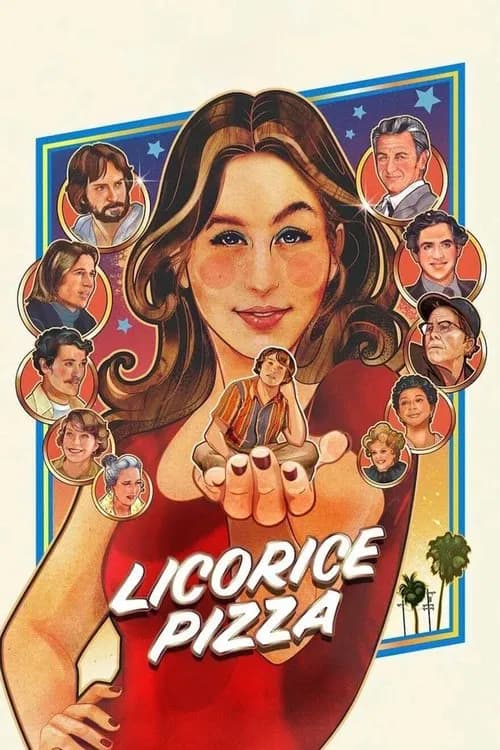
  23. Licorice Pizza (2021) poster

    Licorice Pizza

    Paul Thomas Anderson · 2021

    The film moves through a series of set pieces: the waterbed delivery, the gas crisis, the pinball machines and Jon Peters. Each one is its own little adventure that adds to the portrait of Gary and Alana. None of them pushes toward a conventional plot ending.

    Where to see it: The gas crisis sequence with Bradley Cooper's Jon Peters. It is a complete comic adventure that could stand alone. When it ends, the characters are back with each other and nothing between them is settled.

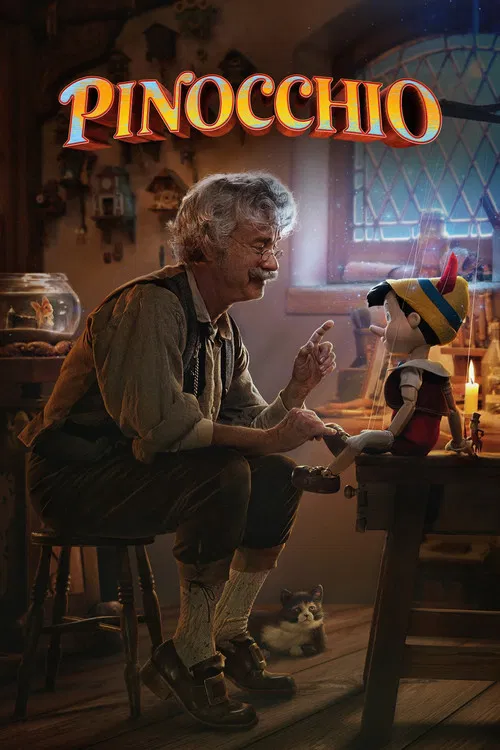
  24. Pinocchio (2022) poster

    Pinocchio

    Robert Zemeckis · 2022

    Pinocchio drifts from one trouble to the next. He meets the fox Honest John, then the puppet master Stromboli, then the Coachman who runs Pleasure Island. Each episode shows a different way people take advantage of someone innocent.

    Where to see it: Honest John's offer: A fox con artist convinces Pinocchio to live a life of fame, planning to sell him to Stromboli.

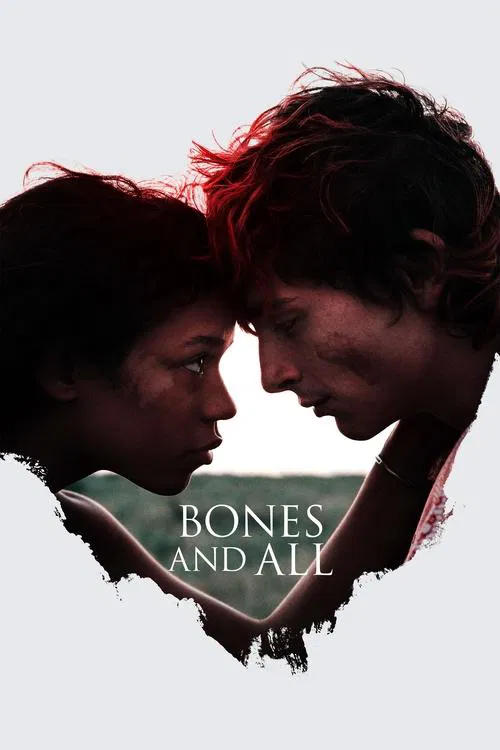
  25. Bones and All (2022) poster

    Bones and All

    Luca Guadagnino · 2022

    The film strings together stops on a long road trip across the Midwest. In each place Maren and Lee meet a new person, a new danger or a new secret. The episodes build into a portrait of a lonely America.

    Where to see it: The road trip. Maren and Lee travel from Indiana to Kentucky and on, meeting another eater named Jake and his companion Brad.

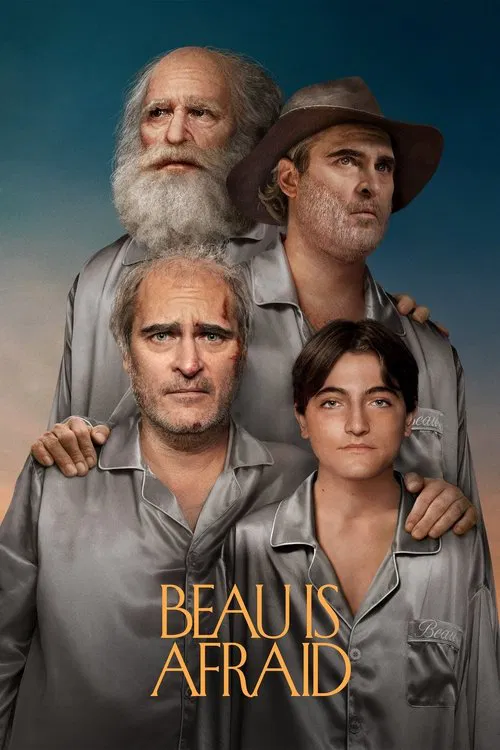
  26. Beau Is Afraid (2023) poster

    Beau Is Afraid

    Ari Aster · 2023

    Beau moves through a string of separate episodes on his way home. Each one drops him into a new world and a new set of rules.

    Where to see it: The journey: thieves, a car accident, a family home and a traveling troupe each become their own chapter.

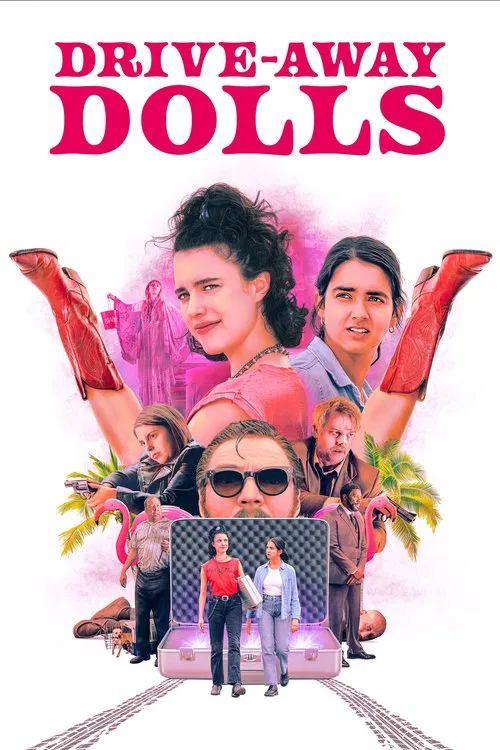
  27. Drive-Away Dolls (2024) poster

    Drive-Away Dolls

    Ethan Coen · 2024

    The trip south becomes a chain of stops and mishaps. Jamie keeps steering Marian toward casual hookups at lesbian bars along the way. No single plot beat matters as much as the road and the odd people on it.

    Where to see it: The lesbian bars. Jamie tries to get Marian to have casual sex at bars during the drive.

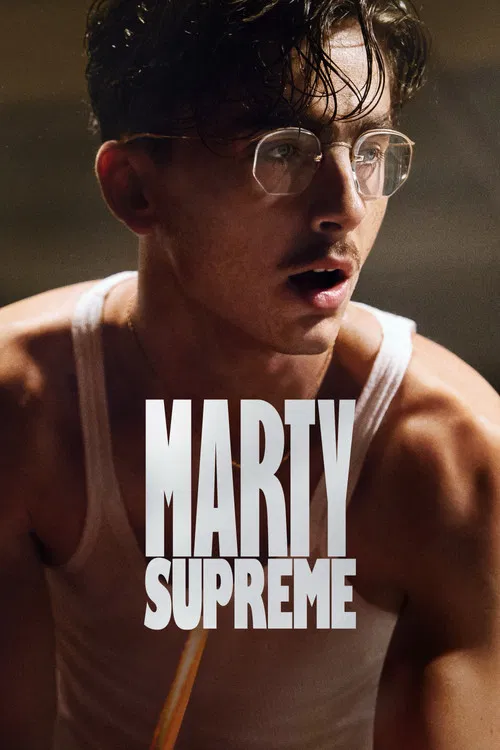
  28. Marty Supreme (2025) poster

    Marty Supreme

    Josh Safdie · 2025

    Marty bounces from a shoe store to the Ritz in London, then on tour with the Harlem Globetrotters, then into bowling alley hustles back home. Each stop drops him into a different corner of 1950s society. The episodes pile up into a portrait of a hustler's world.

    Where to see it: Marty's tour with the Harlem Globetrotters. After losing the British Open final, he travels with the team as a halftime novelty act.

Questions

Quick answers

What is picaresque structure in film?
Telling the story as a loose string of separate adventures, often following a low-status hero through different levels of society. With no single plot, the episodes add up to a portrait of a world.
Which films use picaresque structure?
It Happened One Night (1934), La Dolce Vita (1960), Stolen Kisses (1968), Fellini Satyricon (1969), Fellini's Roma (1972), Time Bandits (1981) and 22 more films in the CineCode library.
What kind of technique is picaresque structure?
It is a narrative technique. Related narrative techniques include Circular Structure, Deadpan Absurdism, Symbolic Object.