Comparison · 3 shared techniques

Robot Dreams vs Flow

Robot Dreams (2023) and Flow (2024) share 3 techniques. Here is how each film uses them.

Shared

Same technique, two films

Dialogue-Free Opening Act

Opening the film with a long stretch that has no dialogue. Images, sound and performance alone set up the characters, their world and what is at stake.

Robot Dreams

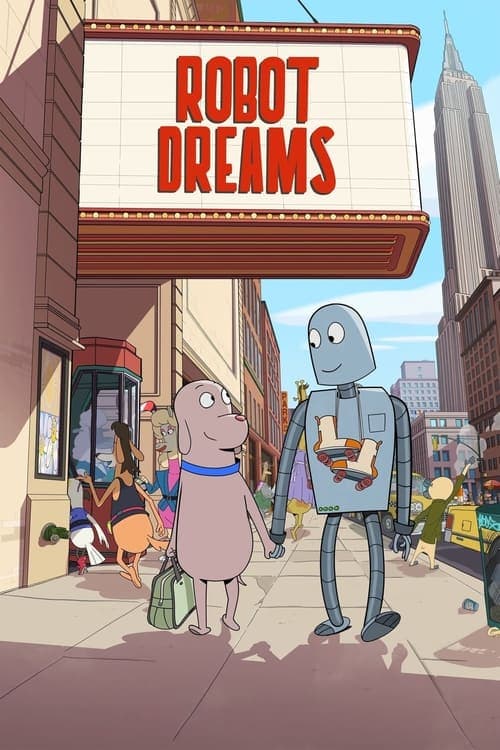
Berger's film has no dialogue for its entire 102-minute runtime. You learn about the friendship between Dog and Robot only through pictures, movement and music. I feel like having no words makes their bond easier to read.

Flow

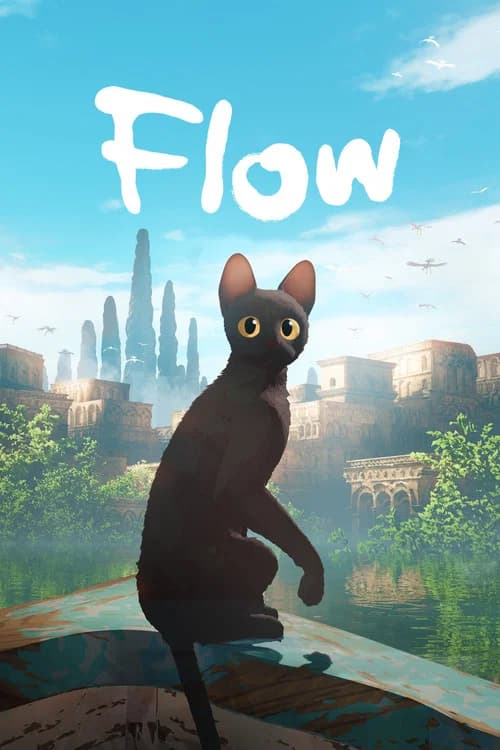
Flow has no dialogue, no human characters and no explanatory text for its entire 85-minute runtime. The story is told only through how the animals behave, what you notice in the environment and the physical rules of a flooded world.

Animation as Emotional Amplifier

Using animation, for a whole film or for short sequences inside live action, to make emotions hit harder. Drawn images can show inner feelings that realistic footage can't reach.

Robot Dreams

The film is set in a cartoon 1980s New York of diners and roller discos, where every character is an animal who acts like a person. Berger uses that world to show pure emotion. Because it's this stylized, you feel the dog's loneliness and the robot's isolation first and follow the plot second.

Flow

Zilbalodis uses animation to show how different species communicate through their bodies. You see the cat's flattened ears, the capybara's stillness and the dog's frantic energy. You can read what each animal feels, across species lines that live action could not cross.

Silent Observation Pacing

Holding on quiet shots of characters watching and taking in the world around them, without cutting away. Glances, gestures and shared silence carry as much as any action.

Robot Dreams

Berger stays with Robot on the beach as the seasons change, from summer to autumn to winter to spring. The scenes run long on purpose. You feel time passing and you feel the waiting, and that becomes the main emotion of the film.

Flow

Zilbalodis holds on the animals' faces, the surface of the water and the slow progress of the boat. He is patient, and he asks you to treat stillness as information. The slow pace shows you how much you can see when you pay attention.

Different

Where they split

Only in Robot Dreams

Only in Flow