Editing technique · used in 23 films

Animation as Emotional Amplifier

Using animation, for a whole film or for short sequences inside live action, to make emotions hit harder. Drawn images can show inner feelings that realistic footage can't reach.

Examples

23 films that use it

  1. Grave of the Fireflies (1988) poster

    Grave of the Fireflies

    Isao Takahata · 1988

    Takahata and Studio Ghibli draw starvation, grief and death very directly. Live action would inevitably make the same things look more polished. The children's faces are hand-drawn, and you watch them waste away in soft pencil lines. It is more devastating than any live performance could be.

    Where to see it: Setsuko's deterioration. The animation lets you see the illness in her face and body without exploiting it.
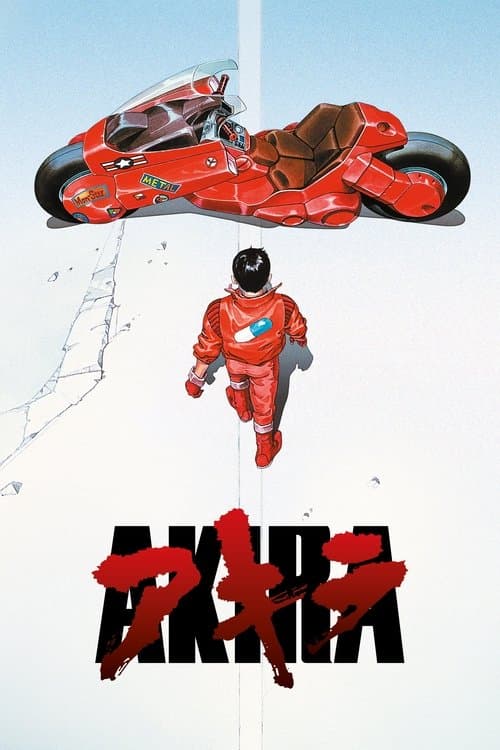

  2. Akira (1988) poster

    Akira

    Katsuhiro Otomo · 1988

    Otomo's animation shows psychic power as a physical substance. Matter warps, bodies mutate and consciousness tears the city's infrastructure apart. In 1988, only animation could put these images on screen. Because the medium can show impossible destruction, the film's apocalyptic scale is literally there to see.

    Where to see it: Tetsuo's mutation sequence. The body horror is drawn with an anatomical detail that animation can achieve and live-action can't. The transformation feels scientifically observed and gut-level horrifying at once.

  3. Ghost in the Shell (1995) poster

    Ghost in the Shell

    Mamoru Oshii · 1995

    Oshii uses animation to turn the film's philosophical questions into things you see: the Major's underwater reflection, the city's indifferent infrastructure, the montage of human faces. Animation can draw the impossible with the same texture as the everyday. That is why these images can carry such big ideas.

    Where to see it: The city montage midway through the film, set to Kawai's choral music. The camera surveys a city modeled on Hong Kong. With Kenji Kawai's score over it, ordinary city imagery becomes a meditation on consciousness and the bodies that contain it.

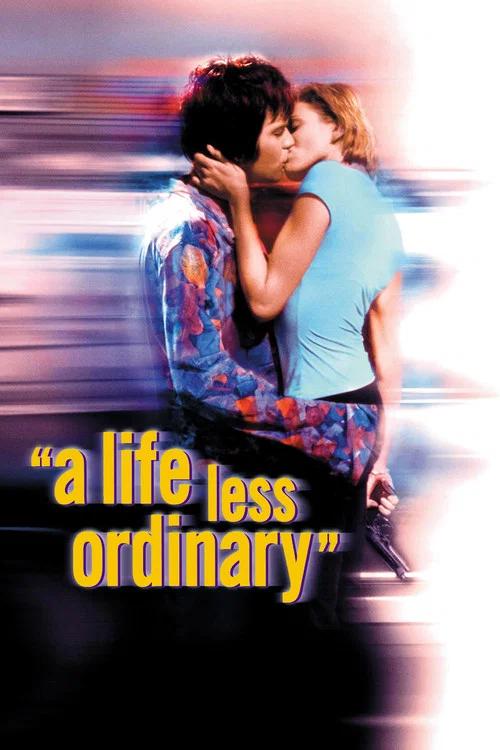
  4. A Life Less Ordinary (1997) poster

    A Life Less Ordinary

    Danny Boyle · 1997

    The ending leaves live action for animation. The credits show Robert and Celine settling into a castle in Scotland with the ransom. Drawn images let the film give them a storybook ending it could not easily shoot for real.

    Where to see it: Animated end credits: Robert and Celine retrieve the suitcase of money and settle in a castle in Scotland, shown in the animated end credits.

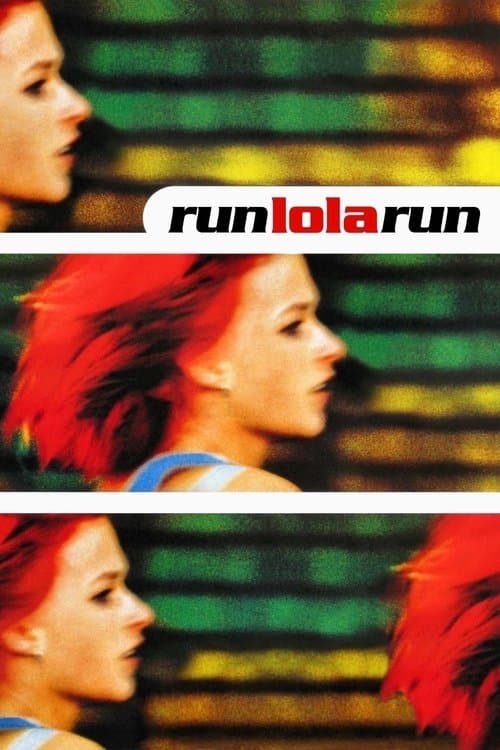
  5. Run Lola Run (1998) poster

    Run Lola Run

    Tom Tykwer · 1998

    Each loop begins with a brief animated Lola sprinting through a cartoon corridor. The switch to animation tells you the film sits somewhere between realism and pure abstract motion.

    Where to see it: The animated Lola bounding down the staircase as the loop resets. The cartoon tells you that the rules of the real world are switched off for now.

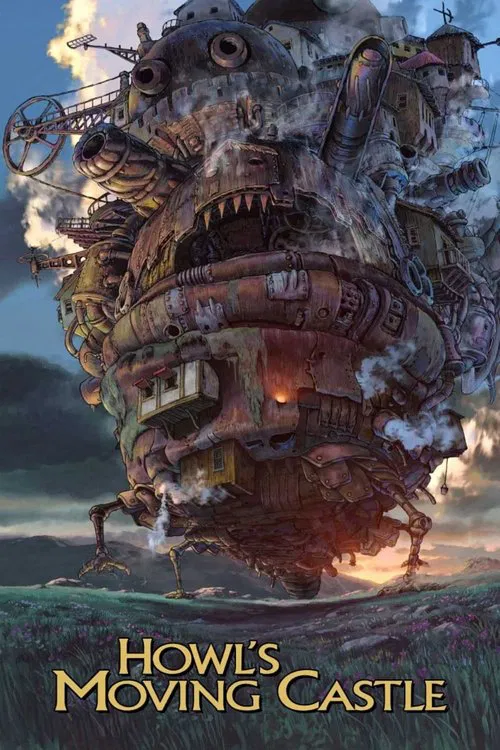
  6. Howl's Moving Castle (2004) poster

    Howl's Moving Castle

    Hayao Miyazaki · 2004

    Sophie's curse makes her look old, but her apparent age shifts with how she feels. A drawn face can change this much in a way a live actor in makeup could not. You read her mood from how old she looks.

    Where to see it: The ending: Sophie gives Howl back his heart, and her curse breaks. Her hair stays silver.

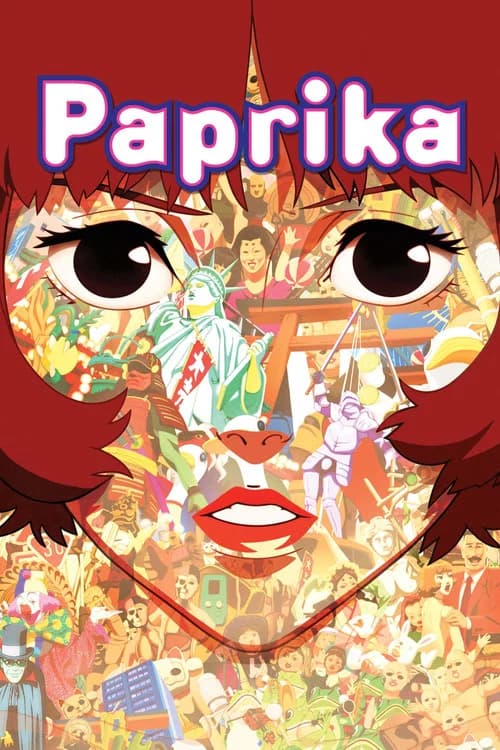
  7. Paprika (2006) poster

    Paprika

    Satoshi Kon · 2006

    Kon uses animation to make the dream sequences more visually complex and emotionally intense than live action could manage. Animation can show impossible images. The waking sequences are drawn in a more limited way, so the dreams end up feeling more real than waking life.

    Where to see it: Paprika's transformation sequences. The dream avatar moves through identities and sizes that only animation can show. I feel like the physical impossibility of her changes makes her more real.

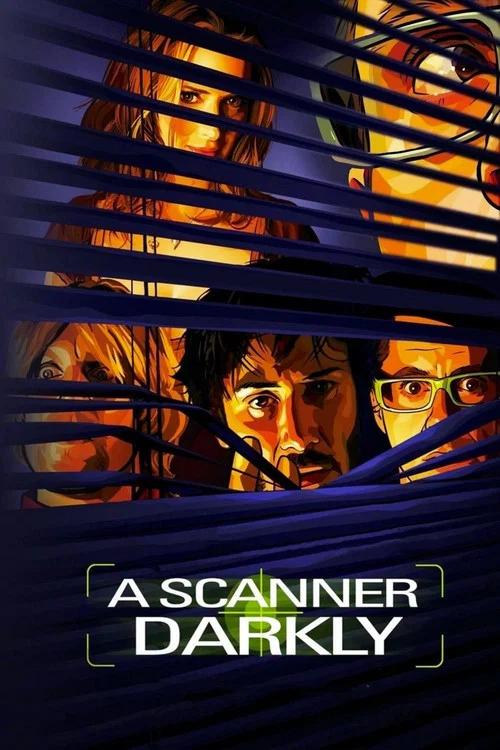
  8. A Scanner Darkly (2006) poster

    A Scanner Darkly

    Richard Linklater · 2006

    Linklater shot the film with digital cameras, then animated over it for 18 months using a program called Rotoshop. The slightly wobbling lines make faces and rooms look like they are drifting. You feel the drug's hallucinations without being shown a single special effect.

    Where to see it: The housemates' drug talk: Arctor, Luckman and Barris sit in the house and take D while having complex, possibly paranoid conversations.

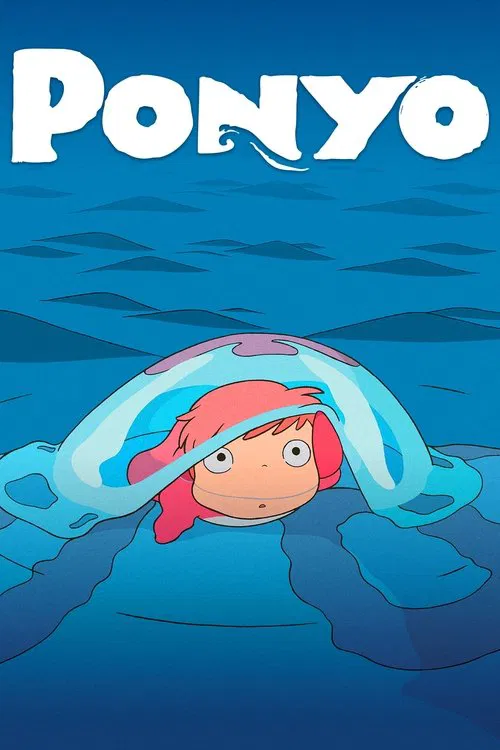
  9. Ponyo (2008) poster

    Ponyo

    Hayao Miyazaki · 2008

    A cartoon fish with a human face can show wide-eyed joy and fear in a way a real actor could not. The biggest emotional beat is drawn as simple images, a bubble and a kiss. A child can read it at once.

    Where to see it: Gran Mamare's test: Sosuke has to accept Ponyo whether she is a fish or a human. Ponyo gives up her magic and, sealed in a bubble, is kissed by Sosuke.

  10. Fantastic Mr. Fox (2009) poster

    Fantastic Mr. Fox

    Wes Anderson · 2009

    Stop-motion always looks a little artificial, and Anderson uses that to create feeling. You can see the medium's imperfections, and they back up the story's idea that being wild and being imperfect are the same thing. The animals move in a slightly jerky way, which says something about the limits of taming them.

    Where to see it: Mr. Fox's final speech about being what they are. The stop-motion faces can't reach the emotional range of human acting. That limit becomes the film's point about the gap between what we are and what we perform.

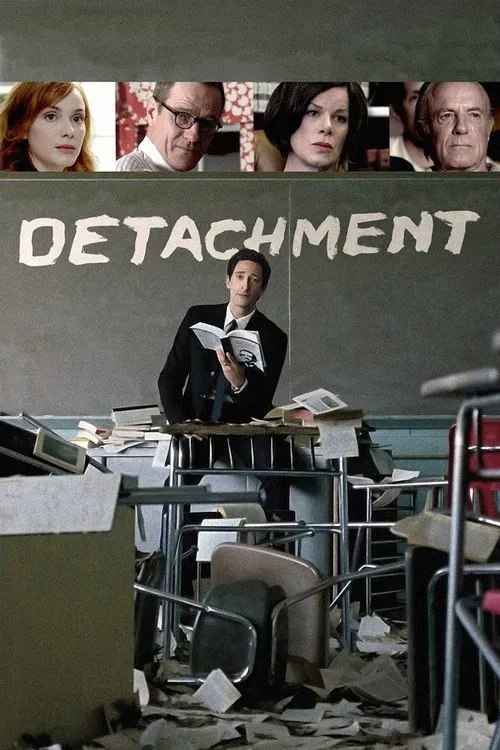
  11. Detachment (2011) poster

    Detachment

    Tony Kaye · 2011

    Chalk animation appears between scenes and links them. It makes the film feel more like Henry's private notebook.

    Where to see it: Chalkboard drawings: Chalk animation pops up between scenes of Henry's school days.

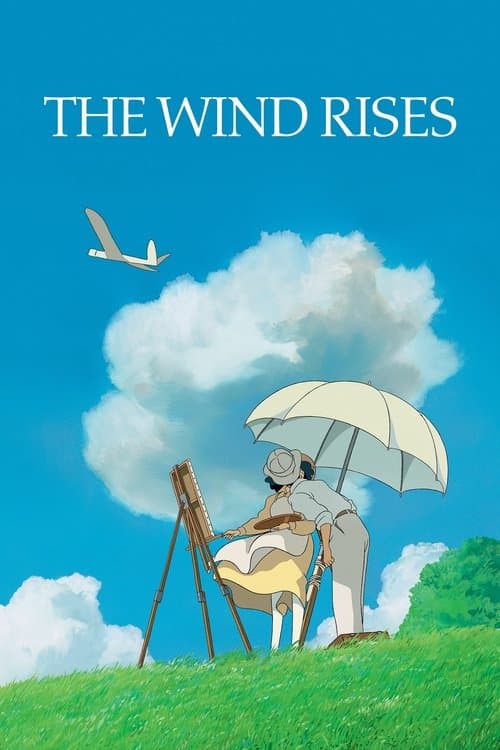
  12. The Wind Rises (2013) poster

    The Wind Rises

    Hayao Miyazaki · 2013

    Miyazaki shows the 1923 earthquake entirely through hand-drawn animation: the ground moving, the city falling, the fire spreading across Tokyo. The drawn disaster hits harder emotionally than any live-action or digital version would. Animation shows the catastrophe the way it feels from inside, with no observer's distance.

    Where to see it: The Great Kanto Earthquake sequence. The drawn ground splits and the fire spreads in patterns. Animation can follow those patterns more precisely than any camera could.

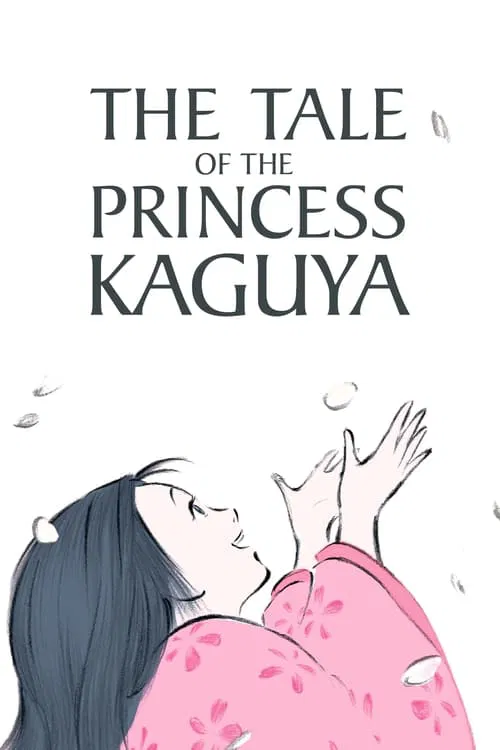
  13. The Tale of the Princess Kaguya (2013) poster

    The Tale of the Princess Kaguya

    Isao Takahata · 2013

    In the film's famous run, the drawing gets rougher as Kaguya's panic grows. The lines turn wild and sketchy. You feel her fear without being told.

    Where to see it: The flight from the party. Kaguya overhears guests mocking her father and runs out into the mountains.

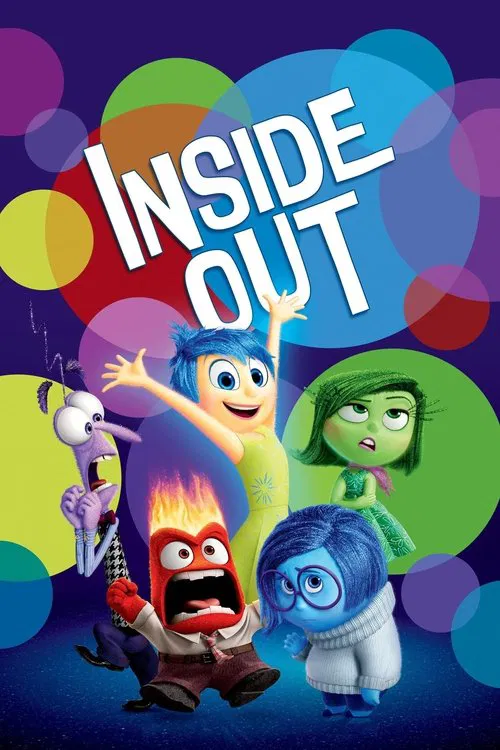
  14. Inside Out (2015) poster

    Inside Out

    Pete Docter · 2015

    Each emotion has its own look and movement, from Joy's glow to Anger's flaming head. The animators drew on classic cartoon exaggeration, so feelings are easy to read at a glance. You understand a scene in Riley's mind before anyone explains it.

    Where to see it: Riley's first day at school. Sadness touches a happy memory and turns it blue, and Riley cries in front of her new class.

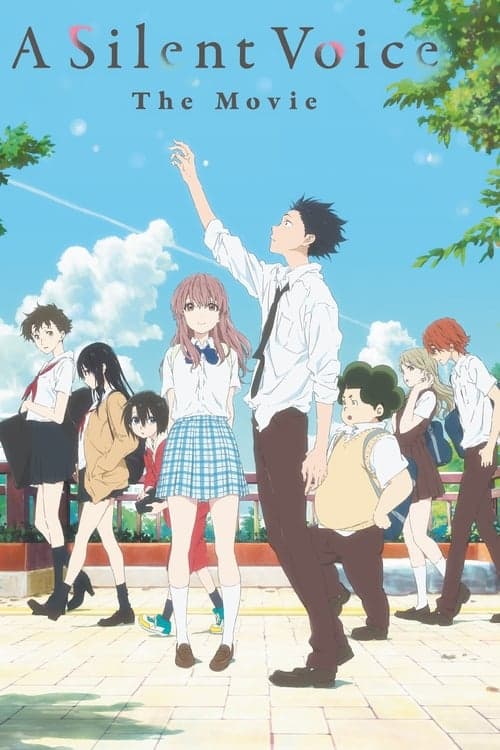
  15. A Silent Voice (2016) poster

    A Silent Voice

    Naoko Yamada · 2016

    Yamada uses a visual idea that only animation can pull off. X marks cover the faces of the people Shoya can't bring himself to face. His guilt has cut him off from everyone, and you can literally see it. When connecting with someone gets too painful, their face is replaced by an X.

    Where to see it: Shoya moving through school with X marks over every face. Guilt is something he feels inside, and here, the animation turns his isolation into something physically present in his world.

  16. Detroit (2017) poster

    Detroit

    Kathryn Bigelow · 2017

    The film opens with animation built on Jacob Lawrence paintings. The art gives the decades of history before the riot a few quick, powerful images. It shows what the story rests on before the first live scene begins.

    Where to see it: The Jacob Lawrence prologue: Paintings summarize the history leading up to the 1967 riot.

  17. Welcome to Marwen (2018) poster

    Welcome to Marwen

    Robert Zemeckis · 2018

    Short animated sequences let the dolls of Marwen act out Mark's feelings. His attackers become Nazi soldiers and his female friends become the women who rescue his pilot. Dolls can show his fear and hope in a way live footage of Steve Carell alone could not.

    Where to see it: The opening: A doll pilot crashes his plane and is confronted by doll Nazi soldiers. Doll women then rescue him.

  18. Soul (2020) poster

    Soul

    Pete Docter · 2020

    Docter renders New York City in rich, textured detail. The Great Before gets stylized, abstract shapes. The 2 looks stand for 2 kinds of experience: the physical world and the inner life of the soul.

    Where to see it: The jazz club against the soul world. The club looks almost more real than real life, and the soul world is abstract pastel shapes. Seeing both makes you ask which one is truly real.

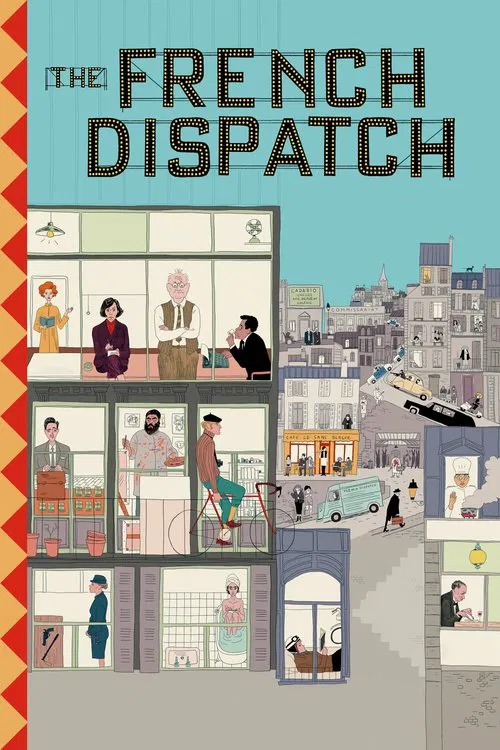
  19. The French Dispatch (2021) poster

    The French Dispatch

    Wes Anderson · 2021

    The animated segments were drawn by local illustrators from Angouleme over about 7 months. One reviewer notes that the kidnapping chase turns into animation, which changes the energy of the film for the length of the chase. Drawn lines let the action be looser and wilder than the live-action frame.

    Where to see it: The kidnapping chase: After police chef Nescaffier poisons the kidnappers' food, the commissioner's son escapes during a car chase.

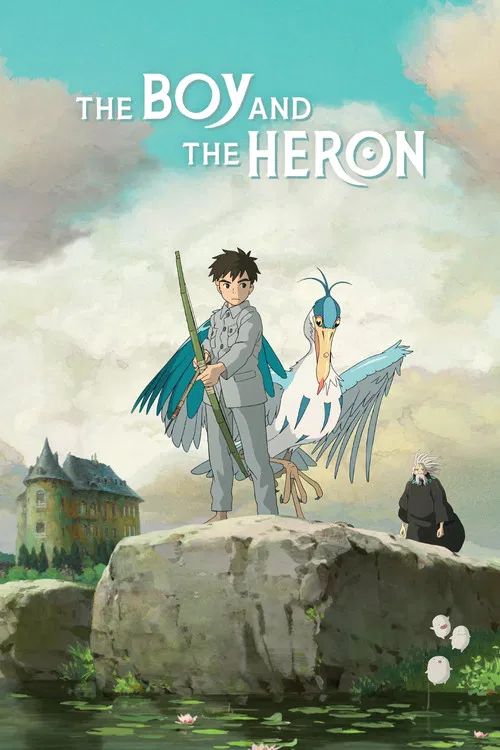
  20. The Boy and the Heron (2023) poster

    The Boy and the Heron

    Hayao Miyazaki · 2023

    Miyazaki uses the animated world-between to turn grief into an actual place. There is a landscape you can walk through, a tower you can enter and a heron that speaks. What mourning feels like on the inside becomes as solid and easy to move around in as the real world.

    Where to see it: Mahito entering the tower and crossing into another world. The place is strange and has its own rules, and his feelings now have a physical shape.

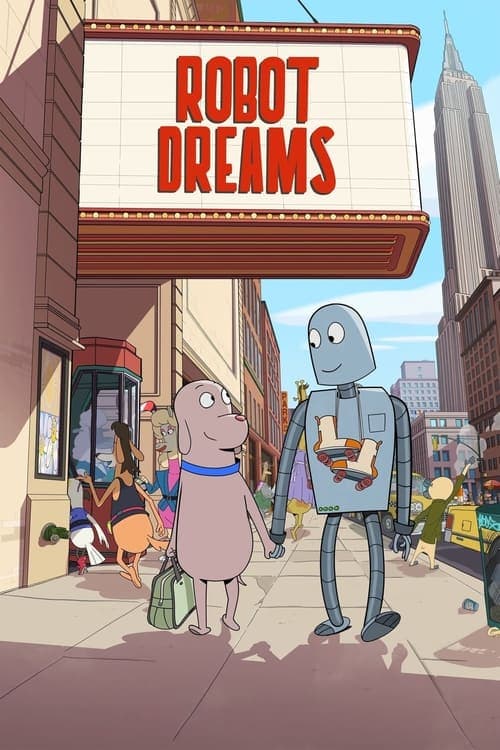
  21. Robot Dreams (2023) poster

    Robot Dreams

    Pablo Berger · 2023

    The film is set in a cartoon 1980s New York of diners and roller discos, where every character is an animal who acts like a person. Berger uses that world to show pure emotion. Because it's this stylized, you feel the dog's loneliness and the robot's isolation first and follow the plot second.

    Where to see it: Robot stranded on the beach in winter. He lies still under snow and rain, and the animation makes it fairly sad to watch. A robot with feelings is impossible, and somehow that makes you feel for him more.

  22. Beau Is Afraid (2023) poster

    Beau Is Afraid

    Ari Aster · 2023

    The play includes an animated sequence, made by Cristóbal León and Joaquín Cociña. The drawn style shows a feeling that live footage could not reach.

    Where to see it: The animated sequence: the forest play includes animation, which makes the story feel like a storybook.

  23. Flow (2024) poster

    Flow

    Gints Zilbalodis · 2024

    Zilbalodis uses animation to show how different species communicate through their bodies. You see the cat's flattened ears, the capybara's stillness and the dog's frantic energy. You can read what each animal feels, across species lines that live action could not cross.

    Where to see it: The cat and capybara's first cautious sharing of the boat. The animation sets the distance between them as carefully as an animal behavior expert would. You can see the warmth in that gap before either animal moves toward the other.

Questions

Quick answers

What is animation as emotional amplifier in film?
Using animation, for a whole film or for short sequences inside live action, to make emotions hit harder. Drawn images can show inner feelings that realistic footage can't reach.
Which films use animation as emotional amplifier?
Grave of the Fireflies (1988), Akira (1988), Ghost in the Shell (1995), A Life Less Ordinary (1997), Run Lola Run (1998), Howl's Moving Castle (2004) and 17 more films in the CineCode library.
What kind of technique is animation as emotional amplifier?
It is a editing technique. Related editing techniques include Kinetic Editing.