Narrative technique · used in 14 films

Ecological Animism

Treating nature as alive and aware, with its own will, hierarchy and sacred status. Animals and spirits respond to people, which argues that the natural world has value of its own.

Examples

14 films that use it

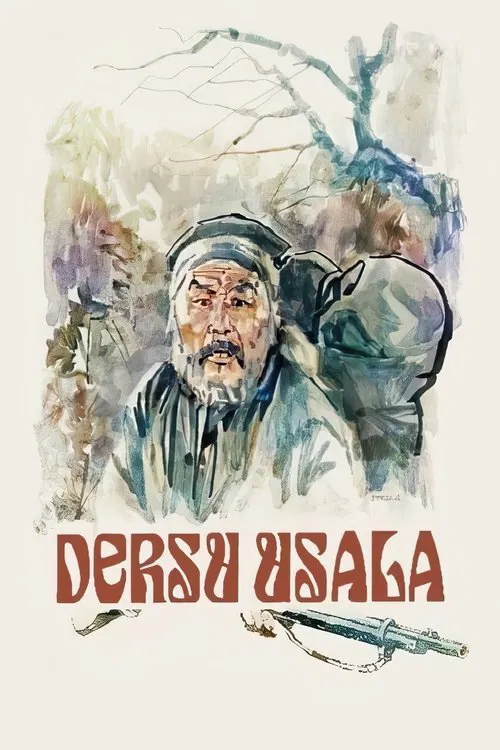
  1. Dersu Uzala (1975) poster

    Dersu Uzala

    Akira Kurosawa · 1975

    Dersu treats the forest as full of living beings with their own rights. He believes the tiger is sent by Kanga, the spirit of the forest. After he shoots one, his fear changes him for the rest of the film.

    Where to see it: The tiger. Dersu begs a stalking tiger to leave them alone, then shoots it, and he is sure the forest will punish him.
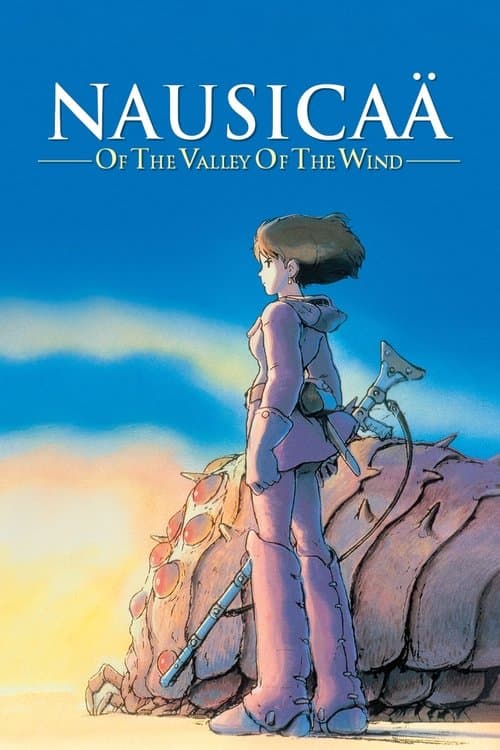
  2. Nausicaä of the Valley of the Wind (1984) poster

    Nausicaä of the Valley of the Wind

    Hayao Miyazaki · 1984

    The Ohm are giant insects that humans fear and slaughter. They turn out to be the planet's immune system. Their violence is a response to human violence. The film's main point is that the non-human world has its own purposes, and humans mistake those purposes for hostility.

    Where to see it: Nausicaä communicating with the Ohm. In this moment, 2 species understand each other. It changes how you see every earlier scene of the insects as a threat, and it reveals their anger as grief.

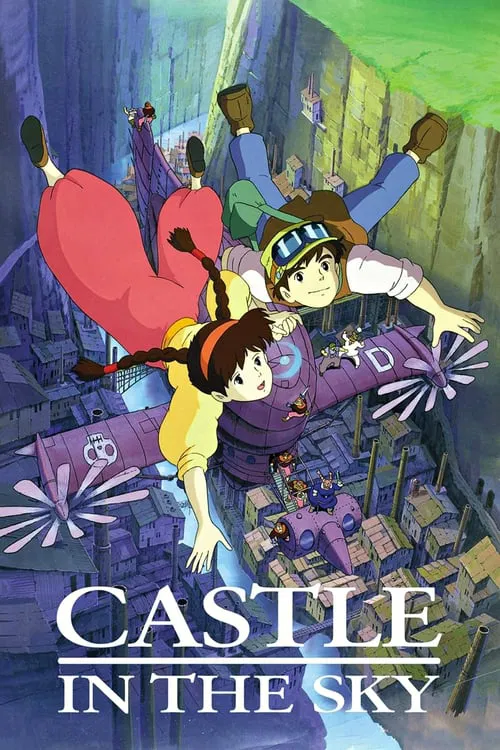
  3. Castle in the Sky (1986) poster

    Castle in the Sky

    Hayao Miyazaki · 1986

    Laputa is mostly deserted, but a peaceful robot looks after its gardens, and a giant tree rises from the ruins. The film treats nature as the thing that survives human ambition. In the end, the tree shelters Sheeta and Pazu.

    Where to see it: The collapse: as Laputa falls apart, the tree shields Sheeta and Pazu, and the surviving castle section rises into space.

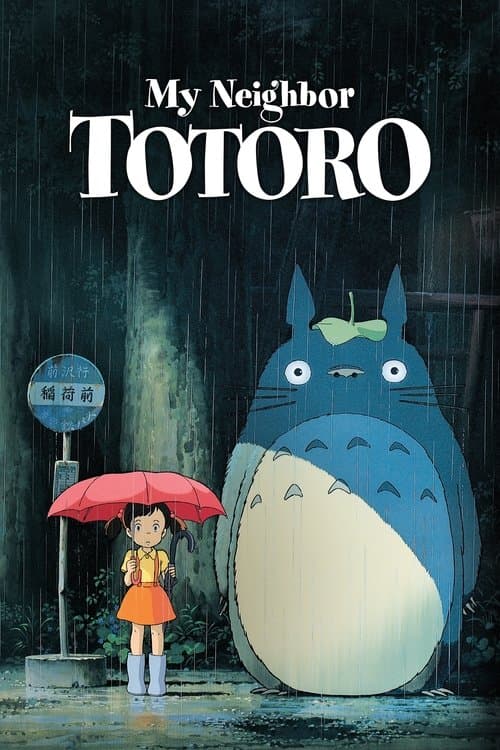
  4. My Neighbor Totoro (1988) poster

    My Neighbor Totoro

    Hayao Miyazaki · 1988

    The camphor tree is a living shelter, and the forest is as much a subject of the film as the people are. Miyazaki shows nature as conscious and patient, and as closely tied to how well the humans are doing.

    Where to see it: The seed-sprouting sequence. Totoro and the girls dance around the planted seeds, and the seeds grow into an enormous tree in a moment of pure joy shared with nature.

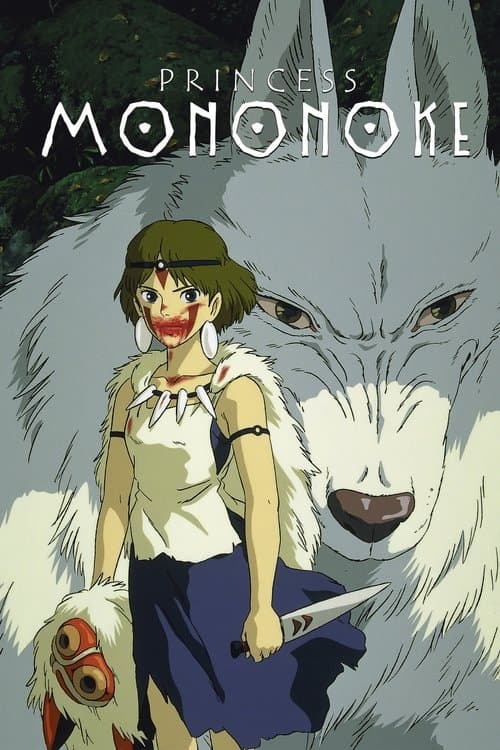
  5. Princess Mononoke (1997) poster

    Princess Mononoke

    Hayao Miyazaki · 1997

    Miyazaki draws on Japanese Shinto animism, the belief that things in nature have spirits, to make the forest actually conscious. The Forest Spirit is a god and the kodama are spirits. The boar and wolf gods have personalities and political goals. The forest has as much of an inner life as any human character, so destroying it is shown as a moral catastrophe.

    Where to see it: The Forest Spirit's night form. The Nightwalker moves through the forest, impossibly huge and beautiful.

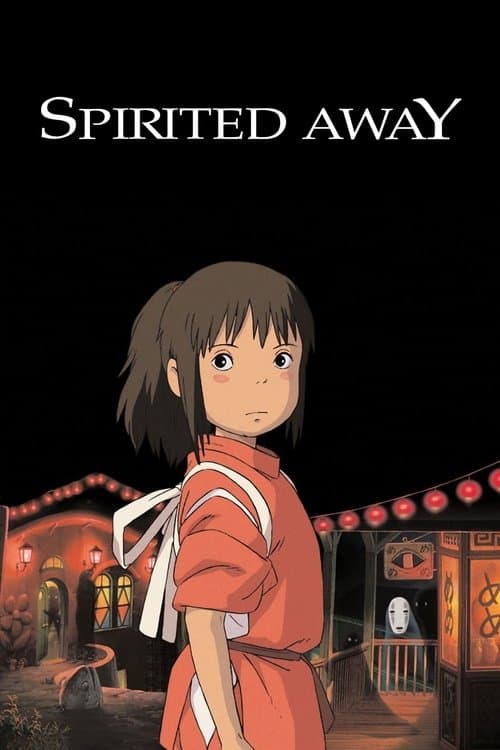
  6. Spirited Away (2001) poster

    Spirited Away

    Hayao Miyazaki · 2001

    Miyazaki fills the bathhouse with beings from Japanese Shinto tradition (river spirits, radish gods, soot sprites). That gives the spirit world a consistency of its own that feels ancient. The bathhouse itself runs on Shinto ideas of ritual cleansing and purifying pollution.

    Where to see it: The Stink Spirit's arrival and cleansing. A river god corrupted by human pollution is restored through the bathhouse's ritual.

  7. Ponyo (2008) poster

    Ponyo

    Hayao Miyazaki · 2008

    When Ponyo uses her father's magic to become human, nature loses its balance and the sea rises onto the land. The wave spirits obey Fujimoto and the sea answers to a goddess, Gran Mamare. Nature has a will here, and people have to live with its answers.

    Where to see it: The tsunami: Ponyo uses magic to transform, and the ocean floods the land around Sosuke's home.

  8. Avatar (2009) poster

    Avatar

    James Cameron · 2009

    The Na'vi treat the forest as alive and aware. Their sacred Hometree is a home and a living part of nature. When the mining company destroys it, the film treats the loss as a death.

    Where to see it: The fall of Hometree: the company destroys the Na'vi's sacred Hometree.

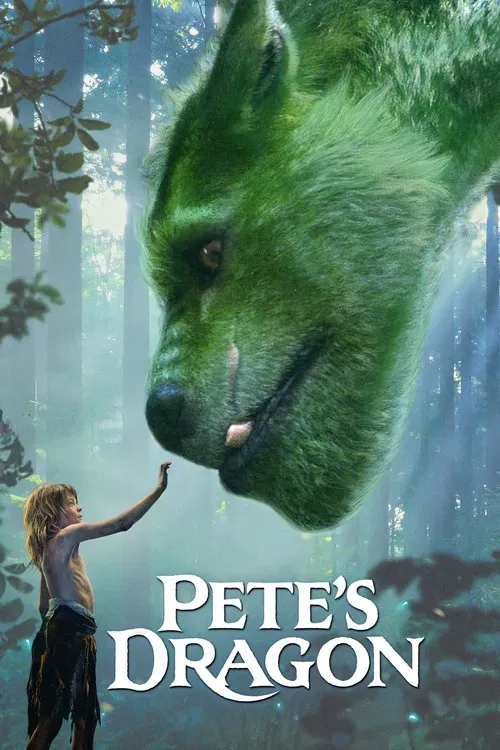
  9. Pete's Dragon (2016) poster

    Pete's Dragon

    David Lowery · 2016

    The forest feels like a living place, and Elliot belongs to it the way a bear or a wolf would. The film treats the trees as something precious, set against the lumber crew cutting them down. You end up on the side of the woods before the dragon ever shows his face.

    Where to see it: Pete and the lumberjacks: Pete spots a lumberjack crew felling trees near his home. Later Elliot knocks over a tree near the lumber camp while searching for Pete.

  10. Avatar: The Way of Water (2022) poster

    Avatar: The Way of Water

    James Cameron · 2022

    Lo'ak bonds with Payakan, an exiled tulkun, and the clan treats the tulkun as family. The humans hunt them for profit, and the film frames that as a crime against a person. The sea has its own will and its own spirits.

    Where to see it: Quaritch hunts the tulkun: Quaritch burns Metkayina dwellings and hunts tulkun to draw Jake out.

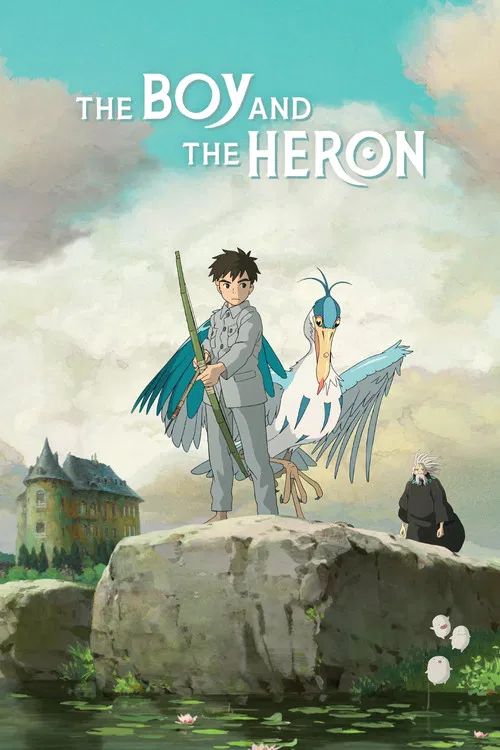
  11. The Boy and the Heron (2023) poster

    The Boy and the Heron

    Hayao Miyazaki · 2023

    The world between life and death is full of parakeets, herons, pelicans and warawara, which are small animated spirits. Each group has its own society, its own hungers and its own sense of right and wrong. The natural world ends up feeling more complete than the human one.

    Where to see it: The warawara rising from the sea toward the sky. These birth spirits float up together in a crowd that looks beautiful and solemn at once. It feels like nature is holding its own ceremony.

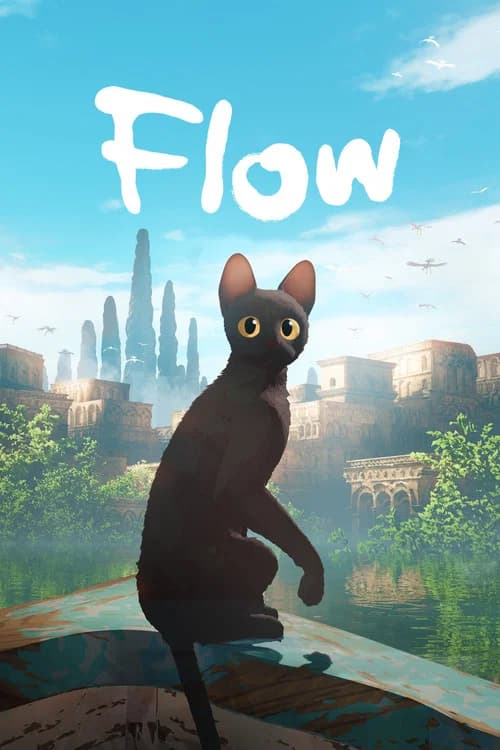
  12. Flow (2024) poster

    Flow

    Gints Zilbalodis · 2024

    Every animal in the film has a full inner life, with needs, fears, preferences and grudges. The film's whole sense of right and wrong comes from how the species treat each other. Human values do not come into it.

    Where to see it: The bird's relationship to the other animals. The way the film frames the bird respects its dignity and its aloofness. When it finally joins the group, the film treats that as a real social event.

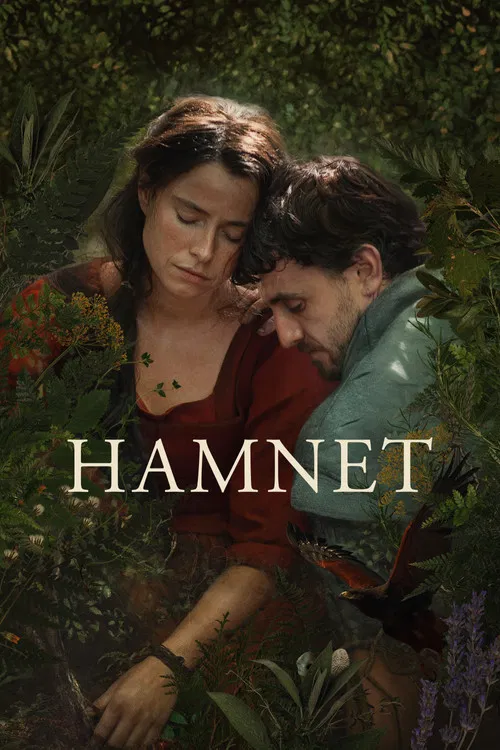
  13. Hamnet (2025) poster

    Hamnet

    Chloé Zhao · 2025

    Agnes's world is the forest. She heals with herbs, flies a hawk and treats animals and trees as if they have spirits. Cinematographer Łukasz Żal has described the forest as a living organism, and the camera treats it that way.

    Where to see it: The hawk's burial. When Agnes's hawk dies, the family buries it, and she tells the children to make wishes to its spirit.

  14. Avatar: Fire and Ash (2025) poster

    Avatar: Fire and Ash

    James Cameron · 2025

    Kiri finally communicates with Eywa, the spirit of the planet. In reply, the wildlife of Pandora attacks the remaining human forces. Nature responds like a living being.

    Where to see it: The turning point: Kiri connects with Eywa, and Pandoran wildlife attacks the RDA forces.

Questions

Quick answers

What is ecological animism in film?
Treating nature as alive and aware, with its own will, hierarchy and sacred status. Animals and spirits respond to people, which argues that the natural world has value of its own.
Which films use ecological animism?
Dersu Uzala (1975), Nausicaä of the Valley of the Wind (1984), Castle in the Sky (1986), My Neighbor Totoro (1988), Princess Mononoke (1997), Spirited Away (2001) and 8 more films in the CineCode library.
What kind of technique is ecological animism?
It is a narrative technique. Related narrative techniques include Female Agency as Structural Default, Secondary World Construction, Supernatural Realism.