Editing technique · used in 13 films

Silent Observation Pacing

Holding on quiet shots of characters watching and taking in the world around them, without cutting away. Glances, gestures and shared silence carry as much as any action.

Examples

13 films that use it

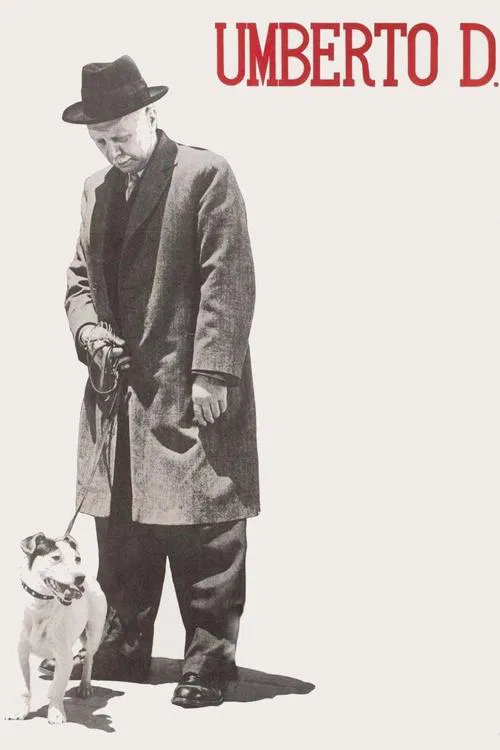
  1. Umberto D. (1952) poster

    Umberto D.

    Vittorio De Sica · 1952

    The film stays on quiet moments of daily life without cutting away. Time passes the way it does for people with little to do. Glances and gestures carry as much as any line.

    Where to see it: Maria's morning: The maid starts her day in the kitchen, and the camera stays with her routine.
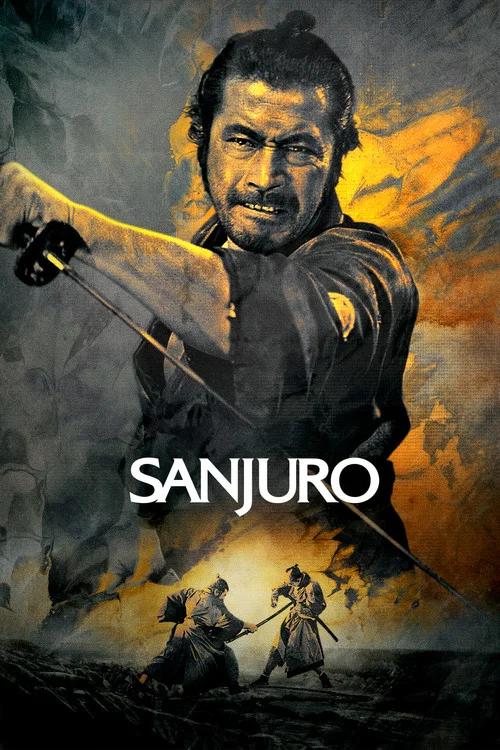
  2. Sanjuro (1962) poster

    Sanjuro

    Akira Kurosawa · 1962

    Sanjuro and Hanbei stand facing each other without moving for what feels like forever. Then they draw, and it's over. A huge spray of blood bursts from Hanbei's chest, which Kurosawa later said was an intentional experiment.

    Where to see it: The final duel. The 2 men stare each other down in silence, Hanbei draws, Sanjuro is faster, and Hanbei falls in a geyser of blood.

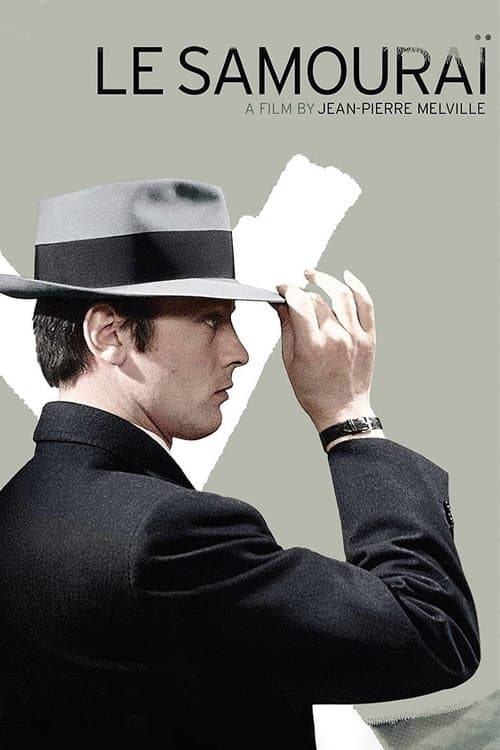
  3. Le Samourai (1967) poster

    Le Samourai

    Jean-Pierre Melville · 1967

    Jef Costello speaks maybe 50 lines in the entire film. Melville builds the character through his rituals of preparation and the precision of how he behaves on the job. For long stretches, you simply watch a man who communicates almost entirely through action. The silence comes across as total self-sufficiency.

    Where to see it: The extended opening. Jef lies on his bed in the grey apartment while the camera watches him in silence. You get the character through stillness before a word is spoken.

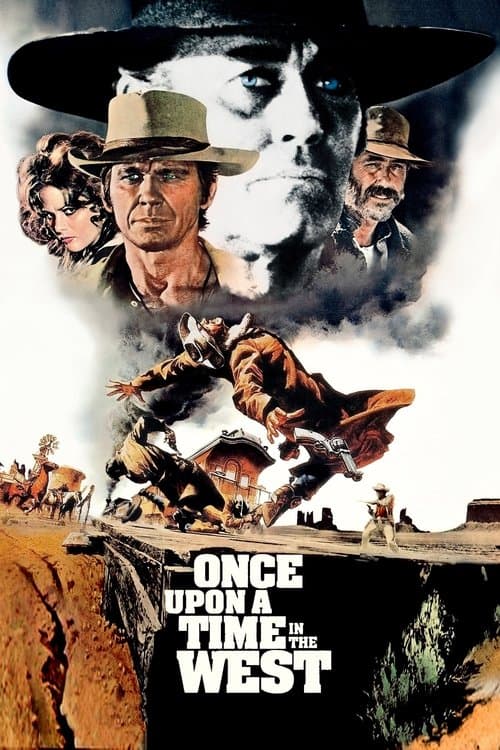
  4. Once Upon a Time in the West (1968) poster

    Once Upon a Time in the West

    Sergio Leone · 1968

    The 12-minute opening shows 3 gunmen waiting at a station. Water dripping onto a bald head, a fly on a face and a creaking windmill are all that happens. Leone proves that patience is a tool a filmmaker can use. You can build anticipation until it's almost unbearable before anything happens.

    Where to see it: The opening train station sequence. It runs 12 minutes with 3 men and almost no dialogue, just small sounds and gestures piling up.

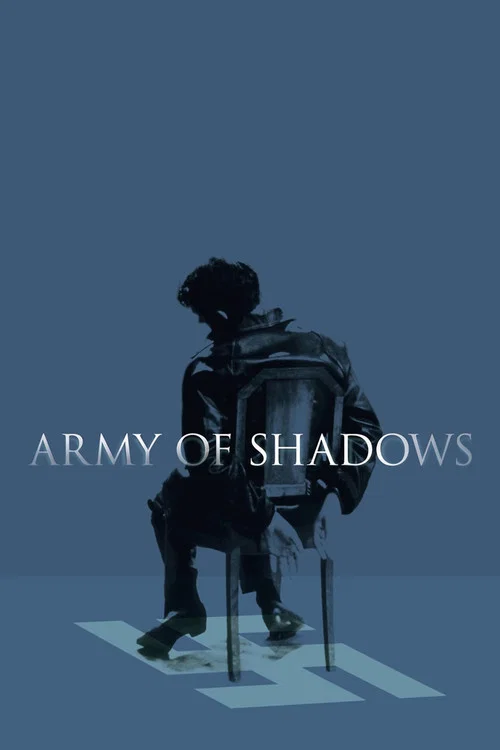
  5. Army of Shadows (1969) poster

    Army of Shadows

    Jean-Pierre Melville · 1969

    The camera lingers on faces and hands while characters wait and think. The Resistance fighters rarely explain themselves, so you read their fear and their resolve in the pauses.

    Where to see it: The strangling: because a gunshot would draw attention, the group kills the informer by hand in a house while the camera holds on the silent room.

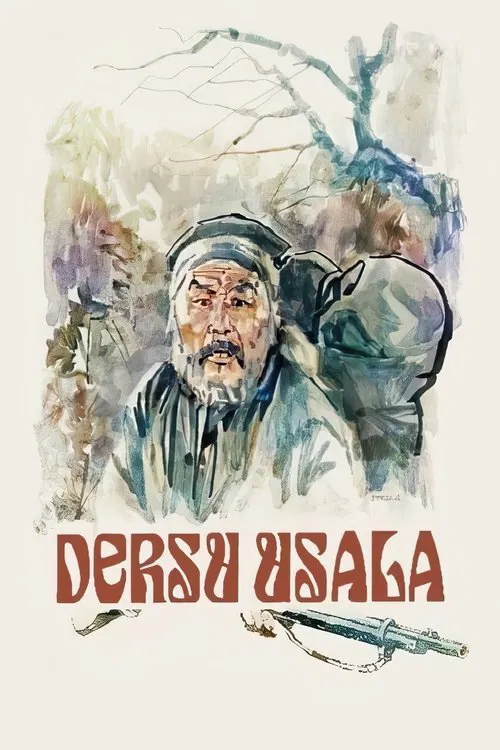
  6. Dersu Uzala (1975) poster

    Dersu Uzala

    Akira Kurosawa · 1975

    Kurosawa lets you sit with Dersu while he works, in long, patient takes. You watch him fix things and read tracks without anyone explaining it. You learn his values the same way Arsenyev does, by watching.

    Where to see it: The abandoned hut. Dersu repairs the roof and leaves food and matches inside for whoever comes next, even though he will never meet them.

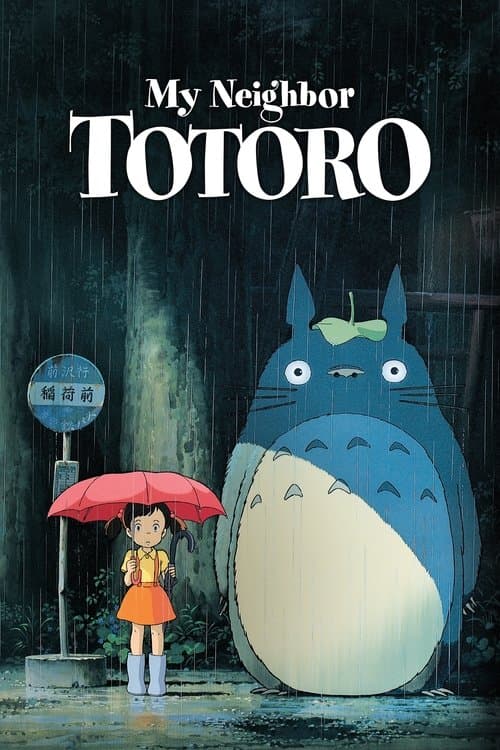
  7. My Neighbor Totoro (1988) poster

    My Neighbor Totoro

    Hayao Miyazaki · 1988

    Miyazaki stays on moments of waiting (the bus stop, Mei in the garden). He lets time pass as slowly as it does for a child, which is a lot slower than the squeezed pace of most movies.

    Where to see it: The bus stop sequence. Satsuki and Totoro wait together in the rain with very little said.

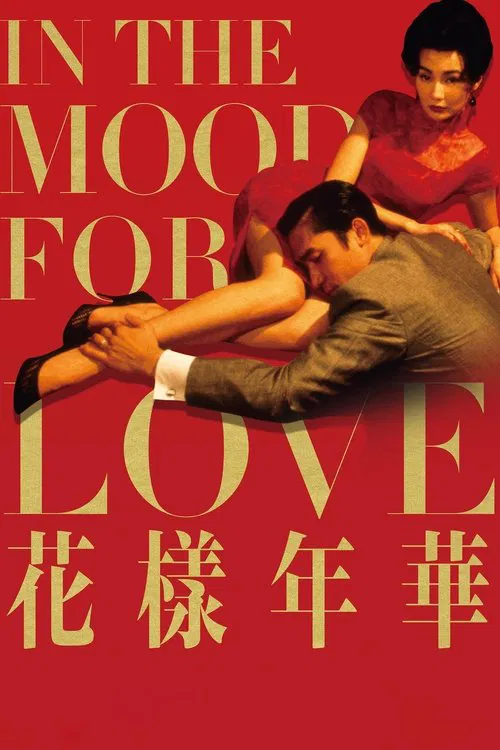
  8. In the Mood for Love (2000) poster

    In the Mood for Love

    Wong Kar-wai · 2000

    Wong Kar-wai builds the relationship between Mrs. Chan and Mr. Chow out of silence and closeness. Nobody confesses or declares anything. They rehearse what they might say to their spouses, but they never rehearse what they feel themselves. All the emotion in the film sits in the gaps between the words they don't say.

    Where to see it: The late-night rice noodle runs. 2 people meet in a corridor with an errand as their excuse. The silence between them carries everything the film won't let them say.

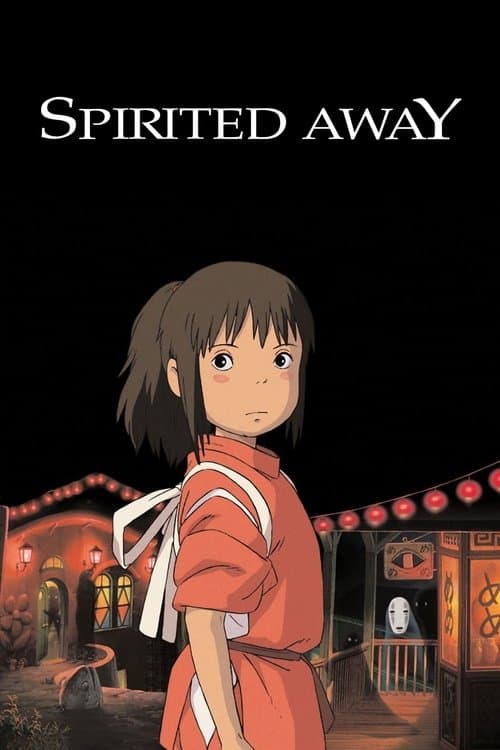
  9. Spirited Away (2001) poster

    Spirited Away

    Hayao Miyazaki · 2001

    Miyazaki regularly holds on Chihiro watching the spirit world at work: the boiler room, the bathhouse at night, the flooding of the yard. These sequences teach both Chihiro and you how this world works. They also establish that understanding comes before action.

    Where to see it: Chihiro's first night watching the spirit guests arrive at the bathhouse. Watching in silence is how she and you get your bearings.

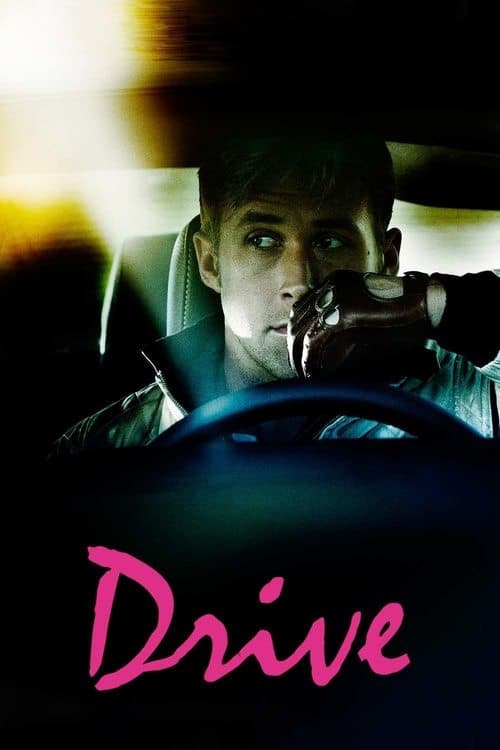
  10. Drive (2011) poster

    Drive

    Nicolas Winding Refn · 2011

    Ryan Gosling's Driver speaks maybe 12 sentences in the first 40 minutes. Refn builds the character and his relationships entirely out of behavior, silence and long looks at a face that explains nothing. Behind the silence, there is a full inner life. The film refuses to put it into words for you.

    Where to see it: The elevator sequence. Driver and Irene stand close together before the violence. In a few seconds, the silence between them holds the whole romance of the film.

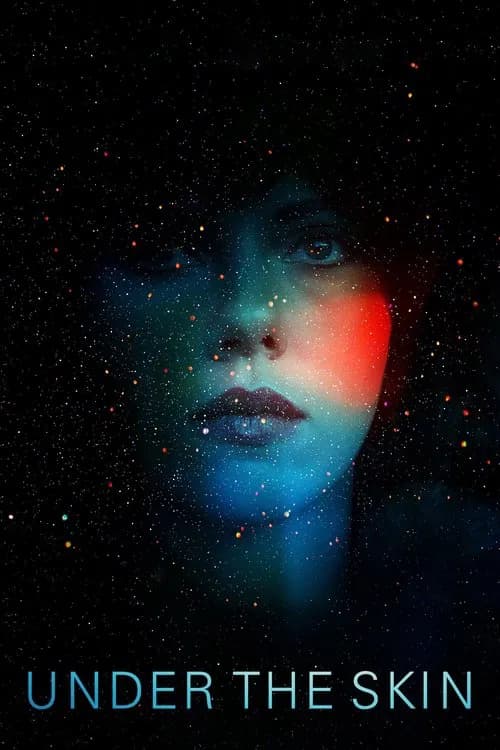
  11. Under the Skin (2013) poster

    Under the Skin

    Jonathan Glazer · 2013

    Long stretches of the film pass with no dialogue at all (the alien watching, driving, studying). The silence gets you to take on her alien patience, and you stop expecting the story to speed up.

    Where to see it: The beach sequence. She watches a couple drown in the surf and does nothing, and the film holds its distance from the moment.

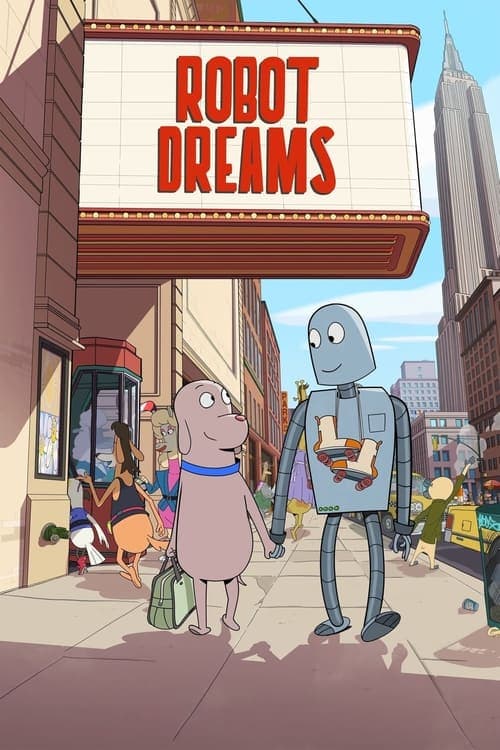
  12. Robot Dreams (2023) poster

    Robot Dreams

    Pablo Berger · 2023

    Berger stays with Robot on the beach as the seasons change, from summer to autumn to winter to spring. The scenes run long on purpose. You feel time passing and you feel the waiting, and that becomes the main emotion of the film.

    Where to see it: The time-lapse of seasons passing over the stranded Robot. The film is patient enough that you feel the months pile up. Each season plays like a new chapter, and nothing that happens in the plot can end the wait.

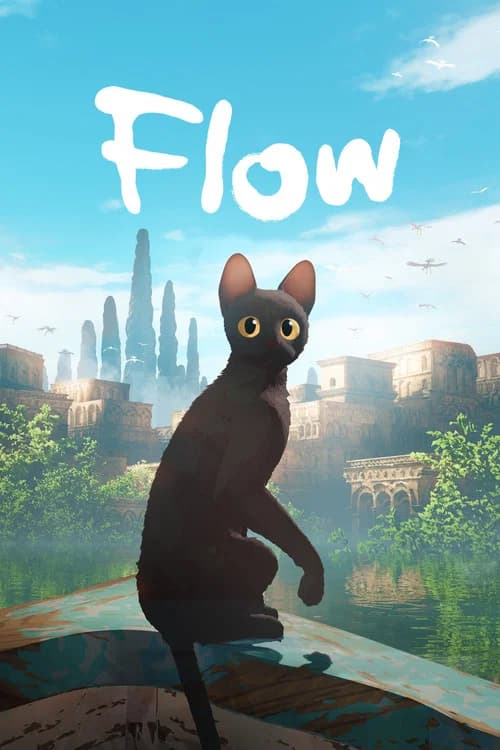
  13. Flow (2024) poster

    Flow

    Gints Zilbalodis · 2024

    Zilbalodis holds on the animals' faces, the surface of the water and the slow progress of the boat. He is patient, and he asks you to treat stillness as information. The slow pace shows you how much you can see when you pay attention.

    Where to see it: The long shots of the boat drifting on the flood. The camera is content to watch the animals watching the water. The silence and the length of the shots make the watching itself feel meaningful.

Questions

Quick answers

What is silent observation pacing in film?
Holding on quiet shots of characters watching and taking in the world around them, without cutting away. Glances, gestures and shared silence carry as much as any action.
Which films use silent observation pacing?
Umberto D. (1952), Sanjuro (1962), Le Samourai (1967), Once Upon a Time in the West (1968), Army of Shadows (1969), Dersu Uzala (1975) and 7 more films in the CineCode library.
What kind of technique is silent observation pacing?
It is a editing technique. Related editing techniques include Animation as Emotional Amplifier.