Comparison · 3 shared techniques

The Maltese Falcon vs The Third Man

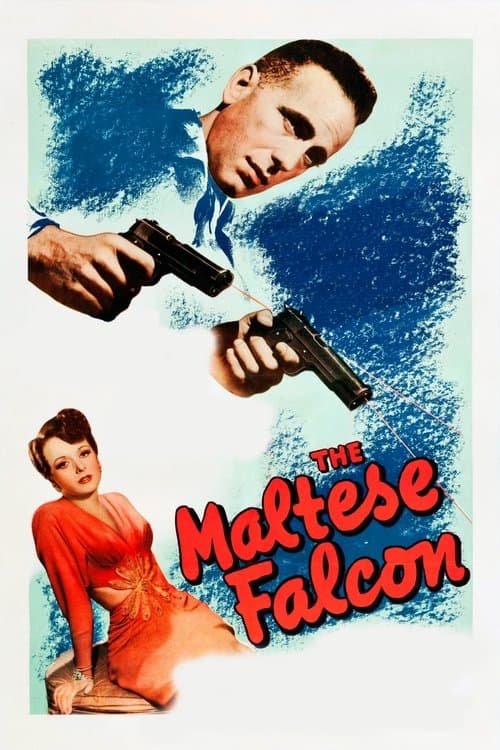
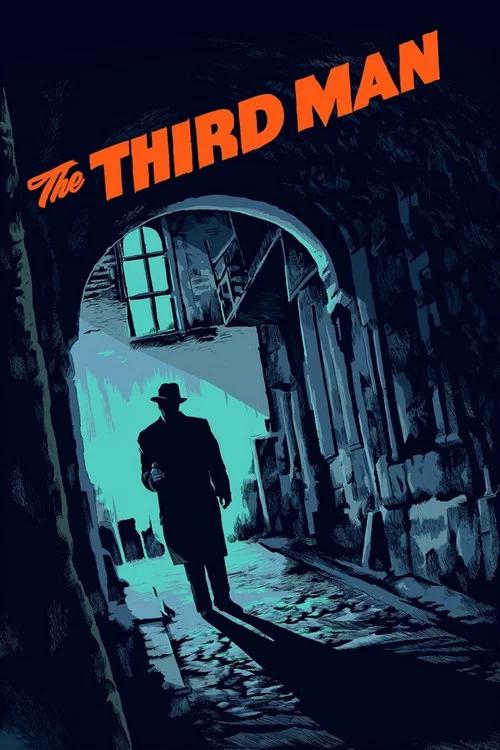
The Maltese Falcon (1941) and The Third Man (1949) share 3 techniques. Here is how each film uses them.

Shared

Same technique, two films

Chiaroscuro Lighting

Lighting a scene with strong contrast between bright light and deep shadow, a style borrowed from old paintings called chiaroscuro. How lit a character is hints at their moral or mental state.

The Maltese Falcon

Arthur Edeson's photography sets the look that film noir would copy: faces half in shadow, rooms lit by single lamps, venetian blind patterns on walls. This kind of strong light-and-dark contrast is called chiaroscuro. Every character in the film has a shadowed side, on screen and in their morals. I feel like the lighting is telling you that no one in this world is fully in the light, the detective included.

The Third Man

Krasker's photography gives Vienna its defining look: pools of lamplight on wet cobblestones and figures stepping out of doorway shadows. The black-and-white is pushed to such extremes that the city itself seems to be making a moral point. Harry Lime's reveal (the cat, the doorway shadow, the lamplight) is the most famous use of chiaroscuro, the strong contrast of light and dark, in film noir.

The MacGuffin

Giving the characters an object, secret or goal that everyone chases. What it actually is barely matters, because its job is to set the characters against each other.

The Maltese Falcon

A MacGuffin is the object everyone in a story is chasing. The Maltese Falcon, the jewel-encrusted statuette, drives the entire plot. Every character has killed or will kill to own it. When the falcon turns out to be a fake, Spade calls it 'the stuff that dreams are made of'. No line defines the MacGuffin better. Wanting the object was the point all along. Huston and Hammett pinned down the MacGuffin before the term existed.

The Third Man

Harry Lime is the film's MacGuffin, the thing everyone in the story is chasing. Holly is searching for him, Anna is grieving for him and the military police are investigating him. What I find remarkable is that the film actually delivers its MacGuffin. Harry appears, speaks and explains himself. Then you see the real subject: Holly's romantic naivety, and what happens when the myth you built your world on turns out to be a monster.

Unreliable Narrator

Telling the story through a character you can't trust, because they are lying, mentally unwell or fooling themselves. At some point, you have to rethink what you were told.

The Maltese Falcon

Spade is your guide through the film, but he is playing his own game. He is loyal to his own code, and the film never fully spells that code out. Everyone in the film is guilty, so guilt isn't why he turns Brigid in. He does it because of the specific rule she broke. Huston keeps Spade's reasoning from you until the final scene. Until then, you are never sure whose side he is on.

The Third Man

Holly Martins is the worst possible investigator for this story. He loved Harry Lime and can't see him clearly. Whenever someone tells him about Harry's crimes, he dismisses it or explains it away. The film takes Holly apart step by step, and each scene strips off another layer of the story he told himself about his friend.

Different

Where they split

Only in The Maltese Falcon

Only in The Third Man